
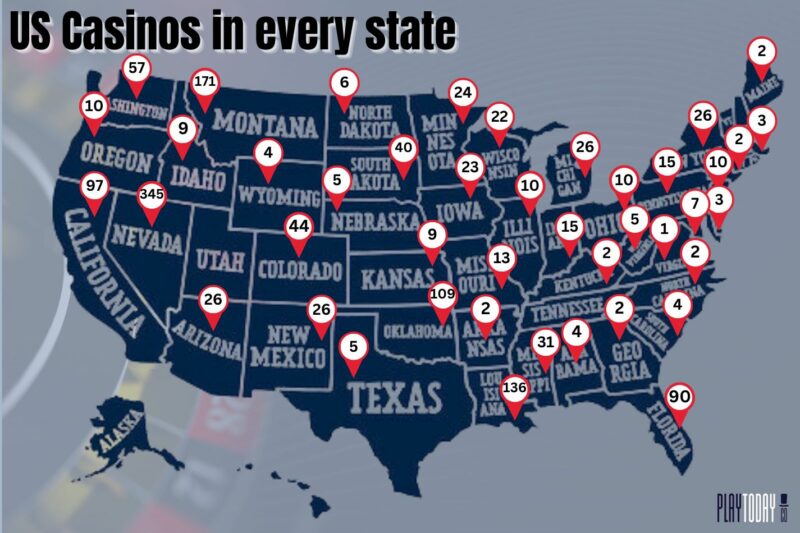
Navigating the entertainment landscape of the Lone Star State can be a captivating endeavor, especially for those seeking the thrill of casino gaming. While Texas might not immediately conjure images of sprawling Las Vegas-style resorts, the reality of its gaming offerings is nuanced and, for many visitors, delightfully surprising. Understanding the distinction between various forms of gaming and the specific regulatory framework in Texas is key to answering the question of “how many casinos are in Texas?” This exploration will delve into the legalities, the types of establishments that offer casino-style games, and what visitors can expect when they look for a gaming experience within the state’s borders.
The Nuances of Gaming in Texas
The term “casino” often brings to mind large, integrated resorts featuring slot machines, table games like blackjack and roulette, and dedicated poker rooms. However, Texas operates under a unique legal framework that significantly shapes its gaming industry. The state’s constitution and laws are generally restrictive when it comes to traditional casino gambling. This means that you won’t find the same kind of commercial casinos that are prevalent in states like Nevada or New Jersey. The primary reason for this is the strict prohibition against most forms of commercial gambling, with exceptions carefully carved out for specific activities.
Understanding Texas Gaming Laws
Texas law distinguishes between “gaming” and “lottery.” While lotteries are permitted and regulated by the state, encompassing state-run lotto games and scratch tickets, traditional casino games are largely off-limits for commercial operations. The state constitution prohibits lotteries and pool-selling, except as authorized by law, and also prohibits the dispositions of property by lot or by game of chance. This foundational legal stance is the primary factor limiting the number of traditional casinos in Texas.
However, the landscape is not entirely devoid of gaming opportunities. The state has carved out specific exceptions that allow for certain types of gambling to exist, albeit under strict regulations and often with a different operational model than what might be found elsewhere. These exceptions are crucial for understanding the full picture of gaming in Texas.
Tribal Casinos: A Limited Presence
One of the primary avenues for casino-style gaming in the United States is through Native American tribes operating on sovereign lands. These tribal casinos operate under federal law, the Indian Gaming Regulatory Act (IGRA), which allows tribes to offer casino games, including slot machines and table games, on their reservations.
In Texas, there are a few federally recognized Texas Indian tribes. However, the number of these tribes that operate Class III gaming facilities (the type typically associated with traditional casinos) is very limited. This is often due to complex negotiations with the state and the availability of suitable land. As of current understanding, there are no large, Las Vegas-style tribal casinos operating within Texas that offer the full range of slot machines and live-dealer table games. The existing tribal gaming operations in Texas are more limited in scope and scale compared to those in other states with significant tribal gaming presence.
Historical Context and Future Possibilities
The debate surrounding gambling expansion in Texas has been ongoing for decades. Proponents argue that it could generate significant tax revenue, create jobs, and boost tourism. Opponents often cite concerns about social costs, such as increased problem gambling and crime. The political landscape in Texas has historically been resistant to broad gambling expansion, though there have been periodic pushes to allow for more regulated casino development. Any significant change in the number of casinos would likely require legislative action and potentially a constitutional amendment.
Gaming Alternatives and “Casinos” in Texas
Given the legal restrictions on traditional commercial casinos, Texas offers a unique set of gaming alternatives that often fill the void for enthusiasts. These establishments may not fit the classic definition of a casino but provide casino-style entertainment. It’s important to understand these distinctions to accurately gauge the gaming landscape.
Charitable Bingo and Raffles
Charitable organizations in Texas are permitted to conduct bingo games and raffles as a means of fundraising. These events can offer cash prizes and are a popular form of regulated gaming for many Texans. While not a casino, the atmosphere of a bingo hall can provide a social and competitive gaming experience. These are licensed and regulated by the Texas Lottery Commission.
Horse Racing and Pari-Mutuel Wagering
Texas has several horse racing tracks that offer pari-mutuel wagering on live and simulcast races. Tracks like Retama Park and previously, Lone Star Park (though its future as a racing venue is subject to change), offer a venue for those interested in sports betting through horse racing. This form of gaming involves betting on the outcome of races, a long-standing and legal form of gambling in the state. While it doesn’t feature slot machines or card tables in the traditional casino sense, it represents a significant segment of the state’s gaming industry.
Social Casinos and Sweepstakes Cafes
A more recent and often controversial development in Texas has been the rise of “social casinos” or “sweepstakes cafes.” These establishments typically offer electronic gaming machines that resemble slot machines or other casino games. The legal distinction, according to operators, lies in the fact that customers purchase phone time, internet access, or other products, and the gaming is presented as a “sweepstakes” or promotional giveaway.
These establishments operate in a legal gray area. While they do not directly charge for playing the games, critics and law enforcement have raised concerns that they function as illegal gambling operations. The legality of these venues is often subject to ongoing legal challenges and regulatory scrutiny. Therefore, while they offer a form of casino-style entertainment, they are not regulated as traditional casinos and their legal status can be precarious. The number of these establishments can fluctuate significantly due to these legal challenges.
Poker Rooms
While the legality of poker in Texas has been a complex issue, there are numerous card rooms operating across the state. These establishments primarily offer “21st-century poker” or “social poker,” where players compete against each other rather than the house. The house makes its revenue through “timed play” or a percentage of the pot, often referred to as a “rake,” rather than through traditional house-banked games. The interpretation of state laws regarding these poker rooms has varied, leading to a dynamic legal environment. Some cities have taken legal action against them, while others have allowed them to operate under certain conditions. These rooms provide a popular gaming outlet for poker enthusiasts.
The Regulatory Landscape: A Guiding Force
The presence, or rather the limited presence, of casinos in Texas is directly attributable to its stringent regulatory environment. The Texas Lottery Commission plays a significant role in overseeing authorized forms of gaming, including the state lottery and charitable gaming. When it comes to the question of “how many casinos,” it’s vital to consider the official classification and regulation of such establishments.
Role of the Texas Lottery Commission
The Texas Lottery Commission is the primary state agency responsible for the regulation and oversight of the Texas Lottery. They also regulate charitable bingo and raffles. Their mandate is to ensure fair play, prevent fraud, and maximize revenue for the state. While they do not oversee commercial casinos in the traditional sense, their involvement in other gaming sectors highlights the state’s cautious approach to gambling.
Legal Definitions and Classifications
The legal definition of “gambling” in Texas is critical. Generally, gambling is defined as risking money or other possessions on a contest of chance with the intention of winning more money or possessions. Most forms of commercial gambling, including operating a casino with slot machines and house-banked table games, are illegal under Texas Penal Code unless specifically authorized by law. This means that any establishment purporting to be a casino must operate within these strict legal boundaries, leading to the limited number of true, regulated casinos.
Conclusion: A State of Limited, Yet Evolving, Gaming
So, to directly answer the question: How Many Casinos Are In Texas? The number of traditional, commercial casinos akin to those found in Nevada or Atlantic City is essentially zero. The state’s legal framework does not permit such establishments to operate freely.
However, this does not mean that gaming opportunities are entirely absent. Texas offers a varied landscape for those seeking entertainment involving chance and wagers, including:
- Limited Tribal Gaming: A very small number of tribal operations may offer some forms of gaming, but not on a large commercial scale.
- Horse Racing: Pari-mutuel wagering at tracks like Retama Park.
- Charitable Bingo and Raffles: Regulated by the Texas Lottery Commission for fundraising.
- Poker Rooms: Operating under varying legal interpretations, offering competitive poker against other players.
- Sweepstakes Cafes: Operating in a legally ambiguous space, offering electronic games.
The future of casino gaming in Texas remains a subject of ongoing debate and potential legislative change. Until then, visitors and residents looking for casino-style entertainment will need to navigate these specific, often nuanced, offerings that define the gaming scene in the Lone Star State. The charm of Texas lies not in its abundance of traditional casinos, but in the unique ways it allows for gaming to exist within its distinct cultural and legal framework.
LifeOutOfTheBox is a participant in the Amazon Services LLC Associates Program, an affiliate advertising program designed to provide a means for sites to earn advertising fees by advertising and linking to Amazon.com. Amazon, the Amazon logo, AmazonSupply, and the AmazonSupply logo are trademarks of Amazon.com, Inc. or its affiliates. As an Amazon Associate we earn affiliate commissions from qualifying purchases.