
Texas, a state renowned for its vast landscapes, rich history, and vibrant culture, also presents a unique and somewhat complex picture when it comes to the world of casinos. While many associate the Lone Star State with sprawling ranches and booming oil fields, its gambling scene is more nuanced than a simple tally of traditional casinos might suggest. This exploration delves into the current landscape, distinguishing between different types of gaming establishments and clarifying the legal framework that governs them, offering a guide for those seeking gaming experiences within Texas.
The Nuances of Texas Gaming Law
Understanding the number of casinos in Texas requires a foundational knowledge of its gaming laws. Unlike states with robust, state-sanctioned commercial casinos, Texas operates under a more restrictive legal environment. The Texas Constitution and subsequent legislative actions generally prohibit most forms of casino-style gambling. This prohibition stems from a deep-seated cultural and political conservatism that has historically viewed widespread gambling with skepticism.
However, this broad prohibition is not absolute. Texas law carves out specific exceptions, primarily related to Indian tribal gaming and horse racing. These exceptions have led to the establishment of gaming facilities that, while not always conforming to the glitzy image of Las Vegas or Atlantic City, offer significant gaming opportunities. The key distinction often lies in the classification of games. Traditional casino games like slot machines and blackjack, as commonly understood, are largely restricted unless operated under specific tribal agreements or through certain types of pari-mutuel betting.
Tribal Gaming in Texas
The most significant exception to Texas’s general ban on casino gambling comes from Indian tribal gaming. Federally recognized Native American tribes have the right to operate casinos on their sovereign lands, provided they comply with federal laws, most notably the Indian Gaming Regulatory Act (IGRA). In Texas, the primary tribes operating such facilities are the Kickapoo Traditional Tribe of Texas and the Alabama-Coushatta Tribe of Texas.
The Kickapoo Lucky Eagle Casino Hotel
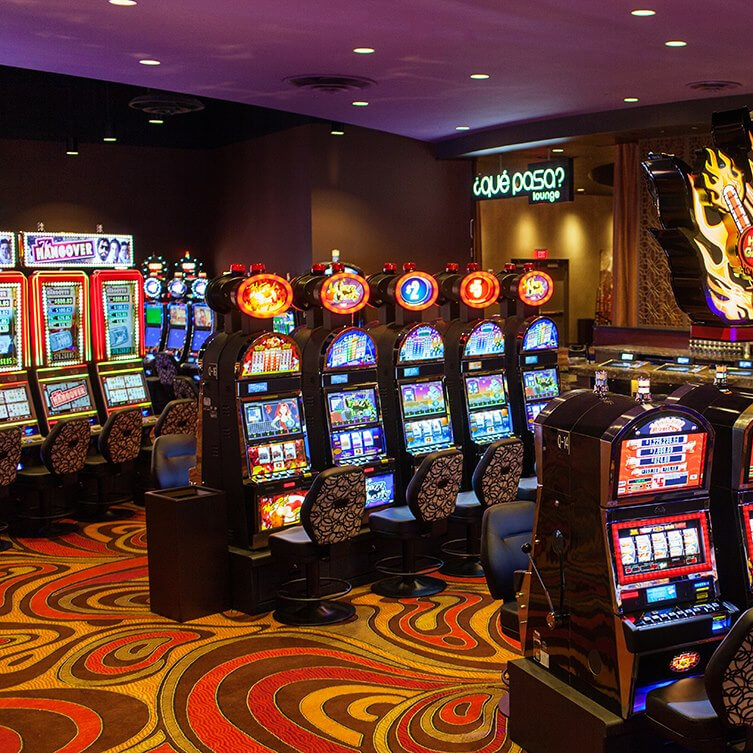
The Kickapoo Lucky Eagle Casino Hotel is a prominent example of tribal gaming in Texas. Located in Eagle Pass, it offers a wide array of electronic gaming machines, often referred to as “Class II” gaming devices. These machines, while resembling traditional slot machines, operate on a bingo-style card system, allowing them to fall under a legal gray area that permits their operation under tribal sovereignty. In addition to electronic games, the Lucky Eagle Casino Hotel also features live poker rooms and a variety of dining and hotel amenities, making it a significant entertainment destination. Its operation is a direct result of the tribe’s inherent sovereign rights.
The Naskila Gaming Center
Another significant tribal gaming operation is Naskila Gaming, operated by the Alabama-Coushatta Tribe of Texas near Livingston. Similar to the Kickapoo operation, Naskila Gaming features a large selection of electronic bingo machines, providing a casino-like experience. The tribe has engaged in legal battles to secure its right to operate these gaming facilities, highlighting the ongoing complexities of tribal sovereignty and gaming in Texas. The success of Naskila Gaming underscores the economic impact that these enterprises can have on tribal communities and the surrounding regions.
It is important to note that the number of federally recognized tribes in Texas that are authorized to conduct Class II gaming is limited. This means that tribal casinos are geographically concentrated and represent the primary form of casino-style gaming available.
Greyhound and Horse Racing Tracks
Beyond tribal operations, Texas law permits pari-mutuel betting on live and simulcast greyhound and horse racing. While these facilities are not “casinos” in the traditional sense of offering a diverse range of table games and slot machines, they do provide a form of regulated gambling. Visitors can place wagers on races, and some tracks have expanded their offerings to include electronic gaming machines that operate under specific regulatory frameworks, often similar to those found in tribal casinos.
Lone Star Park
Lone Star Park in Grand Prairie is the state’s premier horse racing venue. It hosts live Thoroughbred and Quarter Horse racing seasons and offers simulcast wagering year-round. While the primary focus is on horse racing, Lone Star Park, like many similar facilities, has explored and implemented electronic gaming options to enhance the visitor experience and generate additional revenue. The legality and type of these electronic games are subject to specific regulations designed to differentiate them from unrestricted casino gambling.
Sam Houston Race Park
Sam Houston Race Park in Houston is another significant hub for horse racing and pari-mutuel betting. It features live racing and extensive simulcast operations. Discussions and developments around expanding gaming options at such venues are ongoing, often mirroring the broader debate about gambling expansion in the state.
These racing facilities, while not pure casinos, contribute to the gaming landscape by offering betting opportunities and, in some cases, supplementary electronic gaming.
Charitable Bingo and Raffles
Charitable organizations in Texas are permitted to conduct bingo games and raffles as a means of fundraising. These games are heavily regulated and are intended to benefit non-profit causes. While they offer a form of gambling, they are distinct from commercial casinos and are governed by specific rules regarding prize limits, operating licenses, and the types of games allowed. The revenue generated is typically directed towards supporting the charitable missions of the organizations. This form of gaming is widespread but does not constitute casino gambling.
The Question of “Casinos” in Texas: A Definitional Challenge
When people ask “How Many Casinos In Texas?”, the answer is not a simple number. It hinges on the definition of “casino.”
-
Traditional Commercial Casinos: If one strictly defines a casino as a commercial establishment with a wide array of table games (e.g., blackjack, roulette, craps) and a vast selection of slot machines, then the number of such entities in Texas is effectively zero. Texas has not legalized this type of widespread commercial casino development.
-
Tribal Casinos: If the definition includes gaming facilities operated by federally recognized tribes on their sovereign lands, then there are a limited number of these. As of recent information, there are two primary tribal gaming destinations: the Kickapoo Lucky Eagle Casino Hotel and Naskila Gaming. These facilities offer electronic gaming machines and poker.
-
Racinos (Limited): Some horse and greyhound racing tracks have introduced electronic gaming machines. These are often referred to as “racinos” but are not full-fledged casinos. The number of such facilities with these expanded gaming options can fluctuate based on regulatory approvals and operational changes.
Therefore, the most accurate answer to “How Many Casinos In Texas?” is that Texas has a very limited number of tribal gaming facilities that offer a casino-like experience. There are no commercial casinos as found in states like Nevada or New Jersey. The gaming landscape is shaped by specific legal exceptions for tribal sovereignty and pari-mutuel betting, rather than a broad embrace of casino gambling.
The Economic and Political Landscape
The question of expanding casino gambling in Texas is a recurring debate. Proponents argue that legalized casino resorts could generate substantial tax revenue, create thousands of jobs, and boost tourism. They often point to the economic success of neighboring states like Louisiana and Oklahoma, which have embraced casino gaming. The potential for large-scale casino development could transform certain areas of Texas into major entertainment destinations, attracting visitors from across the country and beyond.
Conversely, opponents raise concerns about potential social costs, such as increased problem gambling, crime, and the impact on local communities. The strong conservative political and social climate in Texas has historically been a significant barrier to any widespread expansion of gambling. Any significant legislative changes would likely require a shift in public opinion and political will, potentially involving voter referendums to amend the state constitution.
The current situation reflects a delicate balance. While the state has a robust economy and a large population, its approach to gaming remains cautious. The existing tribal casinos and pari-mutuel tracks represent the extent of current, legally sanctioned casino-style gaming. Travelers seeking a full casino resort experience will likely find their options limited within the borders of Texas, often needing to travel to neighboring states.
Exploring Gaming Alternatives
For visitors interested in gaming experiences within Texas, understanding these legal distinctions is crucial. While a traditional casino floor might be elusive, there are still ways to engage in regulated gambling activities.
The Appeal of Tribal Gaming Destinations
The Kickapoo Lucky Eagle Casino Hotel and Naskila Gaming offer a more concentrated gaming experience. These establishments often provide a significant number of electronic gaming machines, alongside amenities like hotel accommodations, dining options, and live entertainment. They are the closest Texas comes to offering a comprehensive casino resort experience, albeit within the framework of tribal sovereignty.
Pari-Mutuel Betting and Simulcast Racing
For those interested in the thrill of horse or greyhound racing, venues like Lone Star Park and Sam Houston Race Park provide opportunities for pari-mutuel wagering. These offer a different kind of gaming excitement, rooted in the anticipation of race outcomes. The availability of simulcast racing means that betting on races from tracks across the country is often possible, extending the gaming opportunities beyond the live racing season.
The Future of Gaming in Texas
The conversation around gaming in Texas is far from over. As the state continues to grow and diversify, so too does the discussion about its economic development strategies. Whether Texas will eventually broaden its gaming laws to include commercial casinos, or if the current model of tribal and pari-mutuel gaming will persist, remains a subject of ongoing political and social debate. For now, understanding the existing landscape—its limitations and its unique offerings—is key for anyone looking to gamble within the Lone Star State. The answer to “How Many Casinos In Texas?” is therefore not a number, but a description of a carefully regulated and exception-based gaming environment.
LifeOutOfTheBox is a participant in the Amazon Services LLC Associates Program, an affiliate advertising program designed to provide a means for sites to earn advertising fees by advertising and linking to Amazon.com. Amazon, the Amazon logo, AmazonSupply, and the AmazonSupply logo are trademarks of Amazon.com, Inc. or its affiliates. As an Amazon Associate we earn affiliate commissions from qualifying purchases.