
The sheer scale of Texas is often best understood through its most iconic symbols. While the Alamo, the vastness of the Big Bend National Park, and the bustling metropolises of Houston and Dallas immediately come to mind, there’s another element that profoundly defines the Lone Star State: its cattle. The question “How Many Cattle In Texas?” is not just a simple inquiry; it delves into the heart of the state’s history, economy, and enduring cultural identity. To grasp the magnitude of Texas’s ranching heritage, one must look at the numbers, understand the breeds, and appreciate the landscape that sustains this colossal industry.
The Enormous Bovine Population of Texas
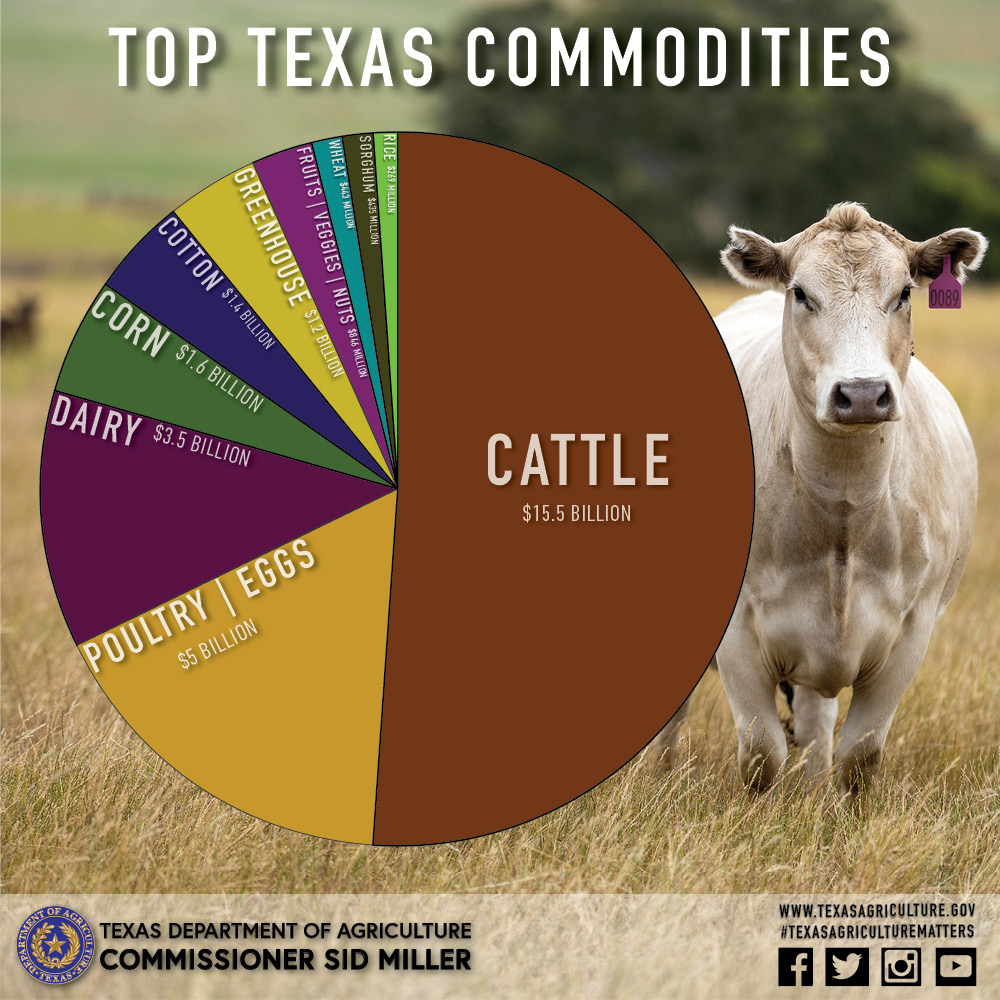
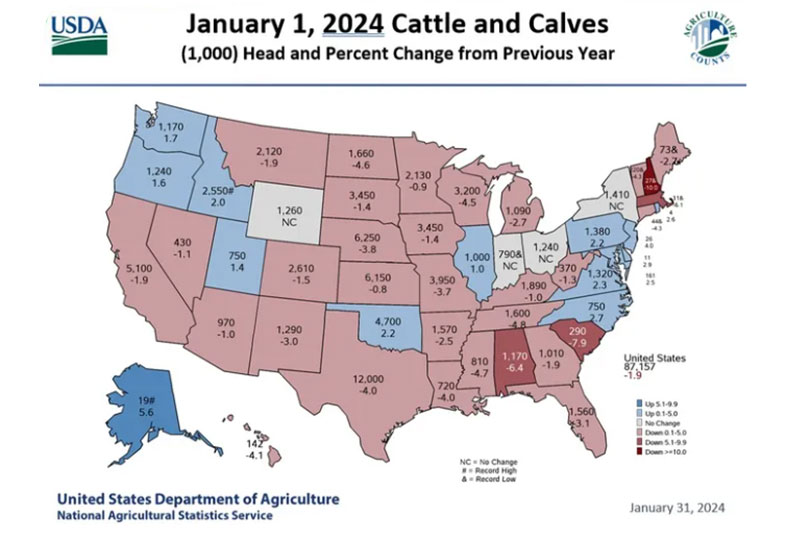
Texas consistently ranks as the top cattle-producing state in the United States, a title it has held for decades. The numbers are staggering, reflecting a deep-rooted tradition that stretches back to the Spanish colonial era. While exact figures fluctuate based on market conditions, breeding cycles, and seasonal factors, the general consensus places the Texas cattle inventory in the millions. These aren’t just numbers on a page; they represent livelihoods, vast expanses of land dedicated to grazing, and a significant contribution to both the state and national economies.
Historical Context of Texas Ranching
The origins of cattle ranching in Texas are intertwined with the state’s very foundation. Spanish missionaries and explorers first introduced cattle to the region in the late 17th and early 18th centuries. These hardy animals, descendants of Iberian breeds, thrived in the vast, open ranges of Texas. Over time, the iconic longhorn breed emerged, perfectly adapted to the harsh climate and sparse vegetation. The post-Civil War era saw the rise of massive cattle drives, legends of cowboys herding thousands of longhorns north to railheads in Kansas and beyond. These drives, though romanticized, were crucial in establishing Texas as a major source of beef for a growing nation. The development of the railroad and the advent of refrigerated transport eventually diminished the need for long drives, but the ethos of the Texas rancher persisted, adapting to new breeds and modern ranching techniques.
Modern Day Statistics and Trends
In recent years, the cattle inventory in Texas has typically hovered around 13 to 15 million head. This figure encompasses a variety of cattle, from beef cows to calves and stockers. The vast majority are beef cattle, raised for meat production. The sheer density of cattle across the state’s diverse ranches is a testament to the enduring importance of the industry. Factors influencing these numbers include the availability and cost of feed, the health of the global beef market, government agricultural policies, and environmental conditions such as drought or favorable rainfall. The economic impact is immense, with the beef and cattle industry contributing billions of dollars annually to the Texas economy, supporting jobs in ranching, processing, transportation, and related services. The state’s extensive network of feedlots, processing plants, and agricultural support businesses underscores its dominance in this sector.
Key Cattle Breeds Thriving in Texas
While the image of the Texas longhorn is indelible, the modern Texas cattle industry is a diverse tapestry of breeds, each selected for its specific traits and adaptability to the varied Texas environments. From the arid West Texas plains to the lusher pastures of East Texas, different breeds are favored for their efficiency in converting feed to meat, their resilience, and their reproductive capabilities.
The Enduring Legacy of the Texas Longhorn
The Texas Longhorn is more than just a breed; it’s a living symbol of Texas history. Known for their impressive horns, which can spread over seven feet, and their lean, flavorful meat, longhorns are remarkably hardy and adaptable. They require less feed and water than many other breeds and are resistant to many diseases. While they may not be the most efficient for large-scale commercial meat production in terms of rapid weight gain, their genetic contributions are invaluable for crossbreeding programs, introducing hardiness and disease resistance into other breeds. Today, longhorns are found on many ranches, appreciated for their heritage, their unique aesthetic, and their role in maintaining genetic diversity.
Dominant Beef Breeds in Modern Ranching
The vast majority of cattle in Texas today are part of breeds optimized for beef production. Among the most prevalent are:
- Angus: Both the black Angus and red Angus breeds are highly favored for their excellent carcass quality, marbling, and docile temperament. They are efficient foragers and adapt well to various climates, making them a staple on many Texas ranches.
- Hereford: Easily recognizable by their distinctive red bodies and white faces, Herefords are known for their hardiness, good temperament, and efficient growth rates. They are well-suited to the challenging conditions found in many parts of Texas.
- Brahman: Originating from India, the Brahman breed, and its composites (like the Beefmaster and Santa Gertrudis, which were developed in Texas), are exceptionally well-suited to hot, humid climates. They possess a distinctive hump, loose skin, and droopy ears, which aid in heat dissipation. Brahmans are known for their disease resistance, insect tolerance, and longevity.
- Crossbreeds: Many Texas ranchers utilize crossbreeding strategies to combine the desirable traits of different breeds. For instance, crossing a Brahman with an Angus can result in offspring with the heat tolerance and insect resistance of the Brahman and the marbling and carcass quality of the Angus. These composite breeds are often tailored to meet specific market demands and environmental challenges.
The selection of breeds is a strategic decision for Texas ranchers, balancing market demand for high-quality beef with the practicalities of managing livestock in the diverse Texas landscape.
The Landscape That Sustains the Herd
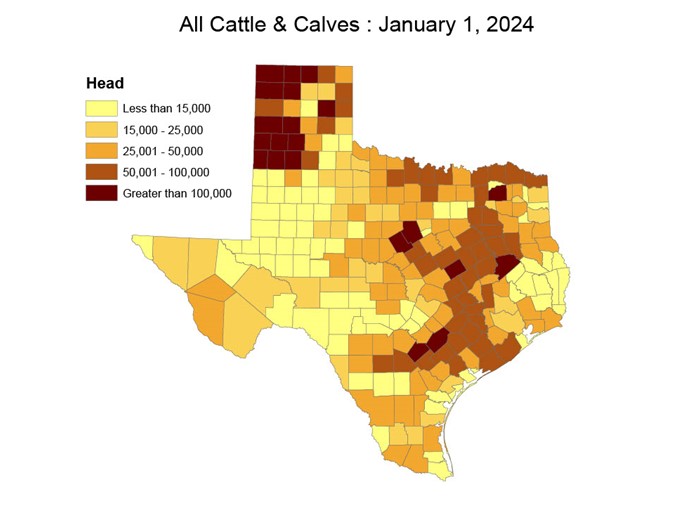
Texas’s immense size and varied geography are crucial to supporting its massive cattle population. The state boasts over 130 million acres of ranchland, a significant portion of which is dedicated to grazing livestock. This land ranges from the rolling prairies and mesquite flats of the Edwards Plateau to the vast grasslands of the Panhandle and the more humid forests of East Texas. The sustainability of these ranches is directly tied to effective land and range management practices.
Diverse Rangeland Ecosystems
- Edwards Plateau: This region, west of San Antonio, is characterized by rolling hills, limestone soils, and a mix of grasses, forbs, and brush like mesquite and cedar. It supports a significant portion of the state’s cattle, particularly those managed with a focus on browse and adapted to semi-arid conditions.
- South Texas Plains: Known for its thorny brush country, this region is ideal for breeds like the Brahman, which are tolerant of heat and can thrive on tougher forage. Cattle here are often managed in extensive systems.
- Rolling Plains: This area in northwestern Texas features grasslands and mixed-grass prairies, providing excellent grazing opportunities for traditional beef breeds like Angus and Hereford.
- Post Oak Savannah and Blackland Prairies: These eastern regions offer more mesic grassland and woodland ecosystems, with richer soils supporting more abundant forage for cattle operations.
Sustainable Ranching Practices
Modern Texas ranching is increasingly focused on sustainability to ensure the long-term health of the land and the viability of the industry. This includes:
- Rotational Grazing: Moving cattle between pastures to allow for vegetation recovery, which improves plant vigor, soil health, and water infiltration.
- Brush Management: Controlling invasive brush species that can outcompete desirable forage grasses.
- Water Conservation: Implementing water-saving techniques and maintaining healthy riparian areas.
- Wildlife Management: Integrating cattle operations with the conservation of native wildlife, a practice that is becoming more common and economically beneficial through agritourism and hunting leases.
- Soil Health Initiatives: Focusing on practices that improve soil structure, organic matter, and microbial activity, which directly benefits forage production.
These practices are vital for maintaining the carrying capacity of the land and ensuring that Texas can continue to support its colossal cattle population for generations to come. The connection between the health of the Texas landscape and the robust cattle industry is undeniable, forming a harmonious, albeit large-scale, ecosystem.
LifeOutOfTheBox is a participant in the Amazon Services LLC Associates Program, an affiliate advertising program designed to provide a means for sites to earn advertising fees by advertising and linking to Amazon.com. Amazon, the Amazon logo, AmazonSupply, and the AmazonSupply logo are trademarks of Amazon.com, Inc. or its affiliates. As an Amazon Associate we earn affiliate commissions from qualifying purchases.