
Arizona, a state renowned for its stunning desert landscapes, majestic canyons, and vibrant cultural heritage, often sparks curiosity regarding its urban makeup. When travelers ponder “How many cities are in Arizona?”, the answer is more nuanced than a simple number. It delves into the legal definitions of municipalities, the distinction between cities and towns, and the diverse character of each incorporated area. Beyond the official count, understanding Arizona’s urban landscape means appreciating the unique attractions, accommodation options, and lifestyles that define its various communities, from sprawling metropolises to charming small towns. For those planning a trip, considering a move, or simply curious about the Copper State, exploring its cities offers a captivating journey through history, nature, and modern living.

Decoding Arizona’s Urban Landscape: Cities vs. Towns
Understanding the precise number of cities in Arizona requires a brief primer on municipal classifications. In Arizona, incorporated municipalities are generally categorized as either “cities” or “towns.” While both are self-governing entities with local control over services and regulations, the distinction often comes down to population size and the specific charter under which they were incorporated. Historically, a city status was often granted to municipalities exceeding a certain population threshold (e.g., 3,000 or 3,500 residents), allowing them to adopt a city charter that might offer more flexibility in governance structures compared to general law towns.
However, over time, some incorporated towns have grown significantly in population, even surpassing some cities, yet retained their “town” designation out of tradition or preference. Conversely, many incorporated “cities” in Arizona actively maintain a city charter and operate under a city form of government. As of the most recent counts, Arizona boasts approximately 91 to 92 incorporated municipalities in total. Out of this number, a smaller subset is officially designated as “cities.” While the exact figure can fluctuate with new incorporations or reclassifications, the number of officially recognized cities is typically in the range of 20 to 25. This distinction is crucial for travelers and residents alike, as it hints at the unique character and scale of each community, from bustling urban centers to quaint, smaller localities that retain a distinct charm.
Iconic Cities and Their Charms: A Glimpse into Arizona’s Diversity
Arizona’s major cities are far more than just population centers; they are vibrant hubs of culture, commerce, and tourism, each offering a distinct flavor of the Southwest. From the sprawling capital to the historic border towns, these urban areas serve as gateways to incredible experiences, diverse accommodations, and unforgettable landmarks.
Phoenix: The Vibrant Heart of the Valley
As the capital and largest city, Phoenix stands as the undeniable heart of Arizona. Part of the expansive Phoenix Metropolitan Area, it’s a dynamic hub that seamlessly blends desert beauty with modern sophistication. Travel to Phoenix offers an array of attractions, from the vibrant plant collections at the Desert Botanical Garden to the rich Native American art and culture showcased at the Heard Museum. For outdoor enthusiasts, hiking up Camelback Mountain provides breathtaking panoramic views of the entire Valley.
Accommodation in Phoenix caters to every taste and budget. Luxury seekers can indulge in world-class resorts like The Phoenician or the historic Arizona Biltmore, A Waldorf Astoria Resort, known for their exquisite suites, championship golf courses, and rejuvenating spas. Beyond the opulent resorts, a wide range of boutique hotels, extended-stay apartments, and budget-friendly options ensure every traveler finds their ideal stay. The lifestyle in Phoenix is characterized by its sunny disposition, a thriving culinary scene, abundant outdoor activities, and its growing reputation as a major business and technology center. Whether you’re interested in spring training baseball, exploring Frank Lloyd Wright’s Taliesin West, or enjoying vibrant nightlife, Phoenix delivers.
Tucson: A Desert Oasis with Rich Heritage
South of Phoenix lies Tucson, Arizona’s second-largest city and a quintessential Sonoran Desert oasis. Home to the University of Arizona, Tucson exudes a laid-back, artistic vibe while deeply rooted in its Mexican and Native American heritage. Tourism here is centered around its unique natural beauty and historical landmarks. Saguaro National Park, with its iconic towering cacti, borders the city, offering endless hiking and exploration opportunities. The stunning architecture and spiritual significance of Mission San Xavier del Bac transport visitors back in time, while the Pima Air & Space Museum offers an impressive collection of aircraft.
Accommodation in Tucson ranges from luxurious desert resorts like The Ritz-Carlton, Dove Mountain, known for its serene setting and exceptional service, to charming boutique hotels in historic Downtown Tucson. The city’s lifestyle is often celebrated for its vibrant arts scene, outdoor adventure sports, and its status as a UNESCO City of Gastronomy, boasting an incredible array of authentic Southwestern and Mexican cuisine.
Flagstaff: The Gateway to Northern Arizona Adventures
Nestled among the ponderosa pine forests at a high elevation, Flagstaff offers a distinct contrast to Arizona’s desert cities. It’s a true four-season destination and serves as the primary gateway to many of Northern Arizona’s most spectacular natural wonders. A must-visit for any traveler, Flagstaff’s proximity to the Grand Canyon National Park makes it an ideal base for exploration. Other notable attractions include the historic Lowell Observatory, where Pluto was discovered, and the Arizona Snowbowl ski resort, offering winter sports in the peaks of the San Francisco Peaks.
Accommodation options in Flagstaff include historic hotels like Hotel Monte Vista in the charming downtown area, cozy cabins perfect for a mountain getaway, and various chain hotels catering to diverse travel needs. The lifestyle here is heavily influenced by outdoor activities, with hiking, mountain biking, and skiing being popular pursuits. As a college town, home to Northern Arizona University, Flagstaff also boasts a vibrant craft brewery scene and a youthful energy.
Scottsdale: Luxury and Desert Sophistication
Adjacent to Phoenix, Scottsdale is renowned for its upscale lifestyle, luxury resorts, and sophisticated desert charm. It’s a premier destination for those seeking high-end shopping, world-class golf, and a vibrant nightlife. Scottsdale seamlessly blends its Western heritage with modern elegance, evident in its attractions. Historic Old Town Scottsdale offers a mix of art galleries, boutiques, and lively saloons. Taliesin West, Frank Lloyd Wright’s winter home and architectural school, is a UNESCO World Heritage site and a significant landmark. For nature lovers, the vast McDowell Sonoran Preserve provides miles of trails for hiking and mountain biking amidst stunning desert flora.
Accommodation in Scottsdale is synonymous with luxury, featuring some of the state’s most exclusive resorts. Options like the Hyatt Regency Scottsdale Resort & Spa at Gainey Ranch and the trendy W Scottsdale offer unparalleled amenities, including championship golf courses, expansive pool complexes, and rejuvenating spa services. Beyond the opulent, travelers can find chic boutique hotels and comfortable apartment rentals. The Scottsdale lifestyle is defined by its focus on leisure, fine dining, designer shopping, and a bustling art scene.
Beyond the Major Metropolises: Exploring Arizona’s Smaller Urban Gems
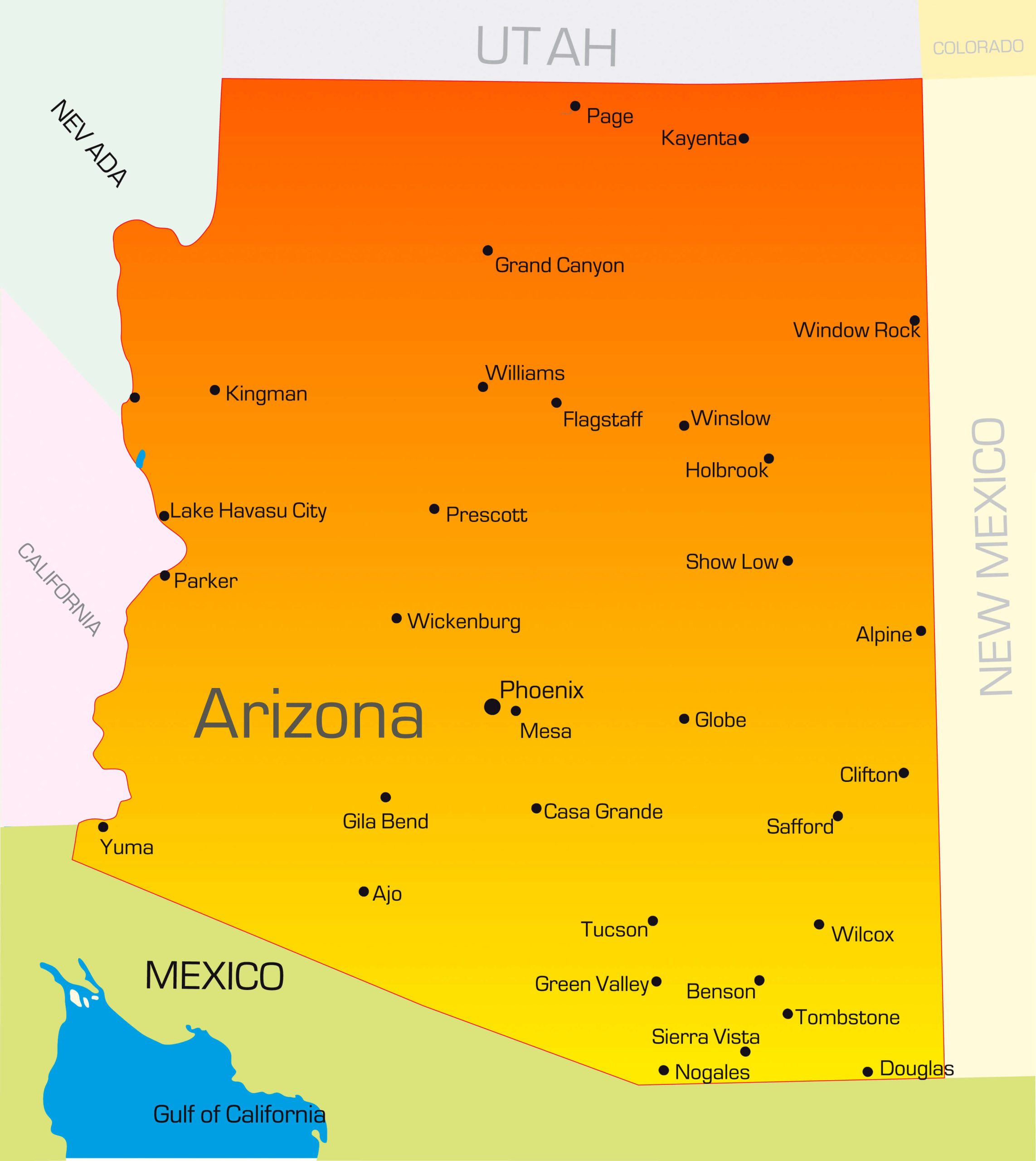
While Phoenix, Tucson, Flagstaff, and Scottsdale dominate the urban narrative, Arizona’s rich tapestry of cities and towns extends far beyond these major centers. Many smaller incorporated municipalities contribute significantly to the state’s unique character, offering distinct cultural experiences, historical insights, and specialized attractions. These areas provide a deeper look into the diverse lifestyles and landscapes that define Arizona.
Historic and Cultural Hubs
Arizona is dotted with cities and towns that preserve crucial aspects of its past. Yuma, situated near the border with Mexico and California, is one such city. With a rich history as a steamboat port and a critical crossing point on the Colorado River, Yuma offers a glimpse into frontier life, most notably at the Yuma Territorial Prison State Historic Park. Its unique position provides a blend of agricultural heritage and border culture, attracting visitors interested in history and warm winters.
Further north, Prescott, often called “Arizona’s Christmas City,” presents a stark contrast with its cooler climate and Victorian architecture. Once the territorial capital, Prescott is famous for its historic Whiskey Row, a block of saloons that recall its mining boomtown days. It’s a popular destination for those seeking a charming, historic atmosphere and outdoor activities amidst pine-covered mountains.
Sedona, though often perceived as a town due to its size, is officially an incorporated city renowned worldwide for its stunning red rock formations, vibrant arts community, and spiritual Vortexes. Travel to Sedona is an experience in natural beauty and introspection, attracting hikers, artists, and wellness seekers from around the globe. Accommodation here includes luxurious resorts built into the red rocks, charming bed and breakfasts, and serene retreats, all emphasizing the unique connection to the landscape.
Developing Communities and Unique Niche Destinations
The Phoenix Metropolitan Area itself encompasses numerous other incorporated cities that have experienced significant growth and developed distinct identities. Cities like Mesa, Chandler, and Gilbert, located in the East Valley, are thriving communities known for their innovation, family-friendly environments, and burgeoning tech industries. They offer a modern suburban lifestyle with excellent schools, diverse dining, and community parks. Mesa, as Arizona’s’s third-largest city, boasts its own cultural attractions, including the Mesa Arts Center and a significant aerospace industry presence.
In the West Valley, cities such as Peoria and Glendale have also seen substantial development. Glendale is notably a major sports and entertainment hub, home to State Farm Stadium (hosting NFL games and major events) and the Westgate Entertainment District. These cities offer a blend of suburban convenience, professional sports, and family attractions, with a variety of hotel and apartment accommodation options catering to residents and visitors alike.
Away from the metropolitan areas, Lake Havasu City stands out as a unique destination. Famous for relocating and reassembling the historic London Bridge from England, this city on the shores of Lake Havasu is a mecca for water sports enthusiasts. Its lifestyle revolves around boating, fishing, and enjoying the sun, making it a popular spot for both vacationers and retirees. These smaller urban gems, whether steeped in history or thriving with modern growth, collectively paint a comprehensive picture of Arizona’s’s rich and varied urban landscape.
Planning Your Arizona Urban Adventure: Tips for Travelers
Embarking on an urban adventure in Arizona promises a diverse range of experiences, from the cultural vibrancy of its major cities to the historic charm of its smaller communities. To make the most of your journey, strategic planning regarding your destinations, accommodation, and transportation is key. Leveraging the insights into Arizona’s cities will help you tailor an itinerary that perfectly matches your travel style and preferences.
Choosing Your Destination
When selecting which Arizona cities to visit, consider your primary interests. Are you drawn to the bustling nightlife, world-class dining, and extensive shopping of Phoenix and Scottsdale? Or perhaps the artistic flair, historical depth, and desert beauty of Tucson appeal more. For those seeking cooler temperatures, mountain adventures, and proximity to the Grand Canyon National Park, Flagstaff is an ideal choice. If history and frontier tales pique your curiosity, places like Yuma or Prescott offer rich narratives. Don’t forget the unique appeal of Sedona for spiritual retreats and stunning red rock vistas, or Lake Havasu City for aquatic fun.
Seasonality also plays a crucial role in planning your Arizona trip. The desert cities (Phoenix, Tucson, Scottsdale) are most pleasant from fall through spring, with mild temperatures perfect for outdoor activities. Summers in these regions can be intensely hot. Conversely, Flagstaff and Prescott offer a refreshing escape during the summer months, with cooler temperatures and lush pine forests, and become winter wonderland destinations ideal for skiing and snowboarding.
Accommodation and Logistics
Booking your accommodation well in advance is highly recommended, especially if you plan to visit during peak season (winter/spring for southern Arizona, summer for northern Arizona) or during major events like Spring Training in Phoenix. Arizona’s cities offer an extensive variety of lodging options to suit every travel lifestyle and budget. From luxurious suites and expansive resorts with all amenities to cozy boutique hotels, family-friendly apartments, and budget-conscious motels, you’ll find choices that cater to your specific needs. Utilizing online booking platforms and reviews can help you compare options and secure the best deals, whether you’re seeking a long-term stay or just a few nights.
For exploring Arizona’s diverse landscape and connecting between its cities and attractions, a rental car is often essential. While Phoenix and Tucson have public transportation systems, they typically don’t cover all areas a tourist might want to visit, and getting to national parks or smaller towns almost always requires personal vehicle access. Always factor driving times and distances between destinations into your itinerary. By considering these logistical aspects, you can ensure a smooth, enjoyable, and enriching journey through the captivating urban centers of Arizona.
In conclusion, while the precise count of “cities” in Arizona can be subject to municipal classifications, the state is home to approximately 20-25 officially designated cities, alongside many more incorporated towns, totaling around 91-92 self-governing municipalities. Each of these urban centers, from the expansive Phoenix Metropolitan Area to the charming historical towns, offers a unique window into Arizona’s rich heritage, stunning natural beauty, and vibrant modern lifestyle. Whether you’re seeking luxury resorts, outdoor adventures, cultural immersion, or a taste of authentic Southwestern cuisine, Arizona’s cities provide a compelling tapestry for any traveler to explore.
LifeOutOfTheBox is a participant in the Amazon Services LLC Associates Program, an affiliate advertising program designed to provide a means for sites to earn advertising fees by advertising and linking to Amazon.com. Amazon, the Amazon logo, AmazonSupply, and the AmazonSupply logo are trademarks of Amazon.com, Inc. or its affiliates. As an Amazon Associate we earn affiliate commissions from qualifying purchases.