
The Lone Star State, Texas, is a land of sprawling ranches, vibrant metropolises, and a cultural tapestry woven from diverse histories. Its sheer size often prompts questions about its administrative and geographical makeup, with one of the most common being: “How Many Cities Are There in Texas?” While a definitive, universally agreed-upon number is surprisingly elusive, understanding the scale and nature of Texas‘s urban centers offers a fascinating glimpse into the state’s identity and its appeal for travelers, investors, and residents alike. This exploration will delve into what constitutes a “city” in Texas, highlight some of its most prominent urban hubs, and touch upon the myriad experiences they offer, from historical exploration to culinary delights.
The Nuance of Defining a “City” in Texas
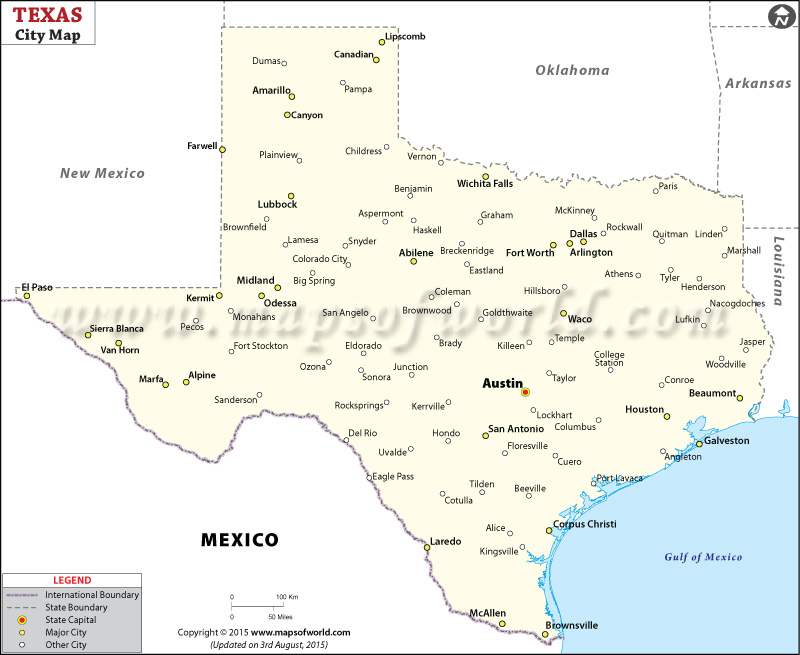
The question of “how many cities” isn’t as straightforward as counting dots on a map. In Texas, as in many parts of the United States, the definition of a municipality can vary. Generally, a “city” refers to an incorporated municipality with a local government that has been granted certain powers and responsibilities by the state. However, the classification can extend to include villages and towns, which may have different forms of self-governance.
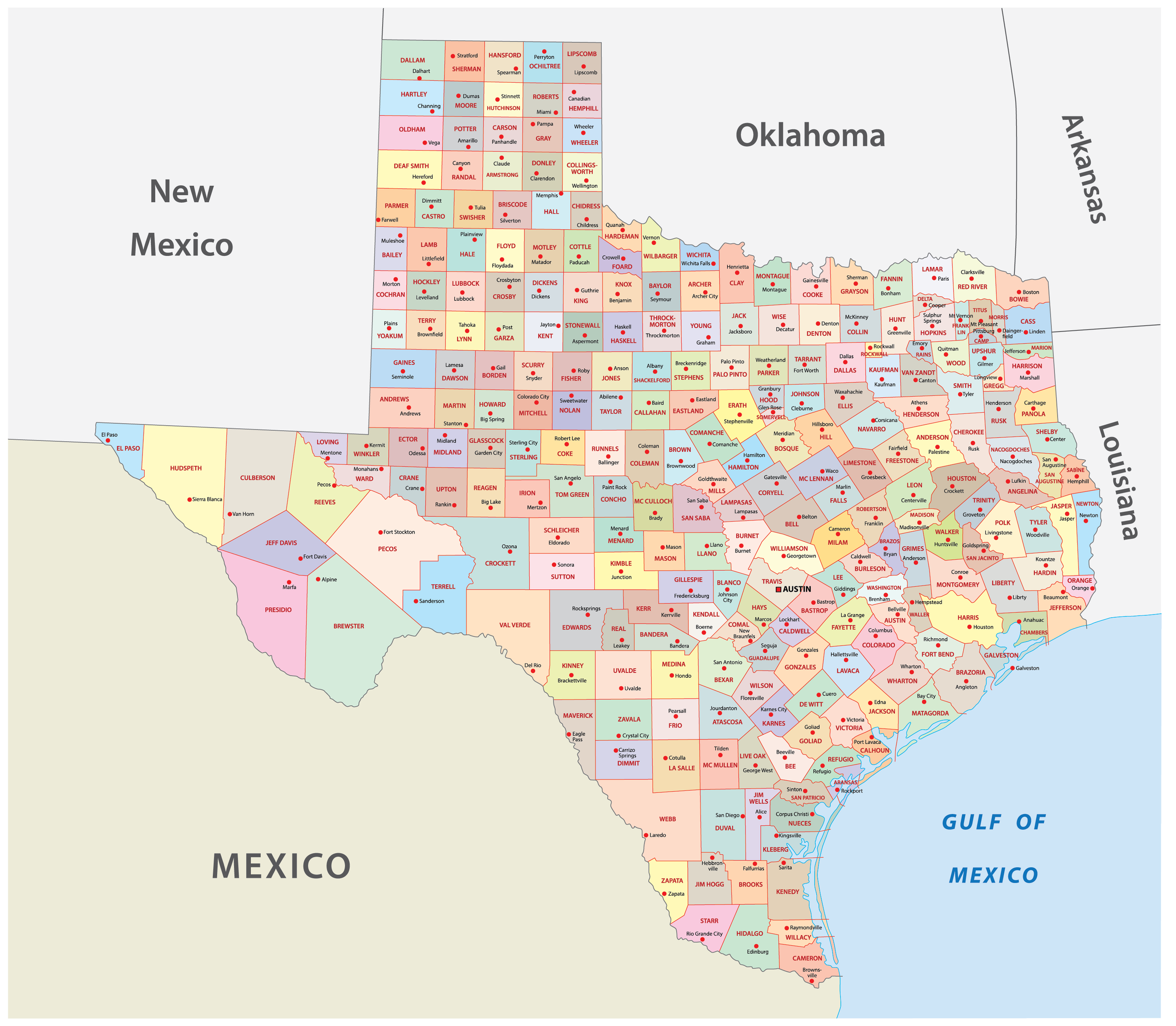
The Texas Municipal League, for instance, represents over 1,100 incorporated cities, towns, and villages across the state. This figure provides a more official count of entities that have formally organized local governments. Yet, this number doesn’t account for unincorporated communities, census-designated places (CDPs), or other populated areas that, while not officially incorporated as cities, serve as significant population centers and tourist destinations.
The Texas Demographic Center, in its analyses, often focuses on “urban areas” and “places.” These categories can encompass a broader range of settlements, making it challenging to pin down a single, fixed number for “cities.” The key takeaway is that Texas is home to a vast number of distinct urban entities, each contributing to the state’s dynamic character.
The Importance of Urban Centers in Texas
Regardless of precise classification, the sheer number of urban centers in Texas underscores its status as a powerhouse in terms of population and economic activity. These cities are not merely administrative points; they are vibrant hubs of culture, commerce, and innovation. For travelers, each city offers a unique flavor, from the historic charm of San Antonio to the bustling energy of Houston and the burgeoning tech scene of Austin.
The diversity of these urban landscapes translates into a wealth of travel experiences. Whether you’re seeking world-class museums, a taste of authentic Tex-Mex cuisine, or an immersion into local music scenes, Texas‘s cities deliver. The hospitality industry thrives in these areas, with a wide array of hotels, from luxurious resorts to budget-friendly apartments, catering to every traveler’s needs.
Exploring Texas’s Major Urban Destinations
While the exact count of cities remains fluid, a closer look at some of Texas‘s largest and most influential urban areas reveals the breadth of experiences available. These cities are not just points on a map; they are destinations in themselves, offering unique attractions, rich histories, and distinct cultural identities.
The Big Four: Pillars of Texas Urbanism
Texas is often characterized by its four largest metropolitan areas, each with its own distinct personality and offerings for tourists and residents alike. These are the titans of the Lone Star State‘s urban development, drawing millions of visitors and contributing significantly to the state’s economy.
Houston: The Energy Capital and Cultural Melting Pot
As the most populous city in Texas and the fourth-largest in the United States, Houston is a global hub for the energy industry, but its appeal extends far beyond that. It’s a city that celebrates diversity, evident in its culinary scene, which boasts an incredible array of international flavors. From authentic Vietnamese pho to delicious Indian curries and classic Tex-Mex fare, Houston‘s food landscape is a testament to its multicultural population.
For culture vultures, the Museum District is a must-visit, housing institutions like the Museum of Fine Arts, Houston, and the Houston Museum of Natural Science. Space Center Houston is another iconic attraction, offering a fascinating glimpse into the National Aeronautics and Space Administration (NASA)‘s space exploration endeavors. When it comes to accommodation, Houston offers a wide spectrum, including the opulent Hotel ZaZa and numerous other hotels and apartments catering to both business and leisure travelers. The city’s extensive public parks, such as Discovery Green, provide urban oases for relaxation and recreation.
Dallas: A Hub of Business, Arts, and Western Heritage
Dallas, the heart of the Dallas-Fort Worth Metroplex, is a major center for commerce, finance, and fashion. It blends a modern, cosmopolitan feel with a deep connection to its Western roots. Visitors can explore the Dallas Arts District, one of the largest in the United States, home to the Dallas Museum of Art, the Nasher Sculpture Center, and the Perot Museum of Nature and Science.
History buffs will find interest in the Sixth Floor Museum at Dealey Plaza, which chronicles the assassination of President John F. Kennedy. For a taste of Texas heritage, a visit to the Stockyards National Historic District in nearby Fort Worth is essential, offering cattle drives and a glimpse into the cowboy lifestyle. Dallas offers a sophisticated array of hotels, including boutique options and well-known chains, and its culinary scene is equally impressive, ranging from upscale dining to casual eateries serving classic Texas barbecue.
San Antonio: A Tapestry of History and Culture

San Antonio offers a unique historical and cultural experience, deeply rooted in its Spanish colonial past. The city’s most famous landmark, The Alamo, stands as a powerful symbol of Texas independence. The San Antonio River Walk, a network of pedestrian paths along the San Antonio River, is a vibrant artery of shops, restaurants, and hotels, perfect for a leisurely stroll or a romantic dinner.
Beyond The Alamo and the River Walk, San Antonio boasts several Spanish colonial missions, designated as a UNESCO World Heritage Site, offering a profound journey into the region’s history. The city’s Tex-Mex cuisine is legendary, with countless restaurants serving up authentic flavors. Accommodation options range from charming boutique hotels along the River Walk to family-friendly resorts and practical apartments. The blend of American and Hispanic cultures creates a distinctive atmosphere that draws visitors year after year.
Austin: The Live Music Capital of the World
Austin is synonymous with live music, a laid-back vibe, and a thriving technology sector. Known as the “Live Music Capital of the World,” the city offers an endless stream of concerts, festivals, and intimate performances across numerous venues. Beyond its musical reputation, Austin is a city that embraces the outdoors, with the beautiful Barton Creek Greenbelt and Zilker Park offering opportunities for hiking, swimming in the famous Barton Springs Pool, and enjoying the vibrant city skyline.
The Texas State Capitol Building is a striking landmark, showcasing impressive architecture and a rich history. Austin‘s culinary scene is innovative and diverse, from food trucks offering creative fare to upscale dining establishments. When it comes to accommodation, Austin provides a range of choices, including trendy boutique hotels, modern apartments, and larger convention-style hotels. The city’s youthful energy and commitment to a unique lifestyle make it a captivating destination.
Beyond the Big Four: A Universe of Smaller Cities and Towns
While the major metropolises often steal the spotlight, Texas is peppered with hundreds of other incorporated cities, towns, and villages, each with its own character and appeal. From historic railroad towns like Cleburne to charming coastal communities like Galveston, these smaller urban centers offer unique experiences for those looking to explore beyond the well-trodden paths.
These destinations often provide a more intimate glimpse into local Texas culture, with opportunities to discover local food, explore unique attractions, and connect with the community. Accommodation in these areas might include cozy bed and breakfasts, quaint motels, or vacation villas perfect for a relaxed getaway. For the budget traveler, many of these smaller towns offer a more affordable travel experience without sacrificing the essence of Texas charm.
Experiencing Texas: Lifestyle, Attractions, and Accommodation
The diversity of cities in Texas directly translates into a multifaceted travel experience, catering to every lifestyle and interest. Whether you’re a luxury traveler seeking opulent resorts, a family on a budget looking for affordable accommodation, or a business traveler needing a convenient stay, Texas has you covered.
Attractions for Every Interest
Texas‘s urban landscapes are rich with attractions that span history, nature, science, and entertainment. Landmarks like the San Antonio Missions National Historical Park offer a deep dive into the past, while the state’s numerous museums, such as the Kimbell Art Museum in Fort Worth, showcase world-class art collections.
For nature lovers, Texas offers a surprising variety of natural beauty within its urban peripheries, from the Brazos River to the vastness of the Big Bend Ranch State Park (though not directly in a major city, it influences the state’s appeal). The state’s commitment to preserving its natural and historical landmarks ensures that visitors can engage with its heritage in meaningful ways.
Culinary Adventures and Local Culture
The food scene in Texas is a significant draw for many travelers. Each city boasts its own culinary specialties, from the world-renowned Texas barbecue to authentic Tex-Mex, Creole influences in East Texas, and a growing international food scene in larger cities. Exploring the local food is an integral part of understanding the local culture.
Beyond dining, Texas cities offer a vibrant tapestry of activities. This can include attending festivals, exploring local markets, experiencing live music performances, or engaging in outdoor adventures. The tourism sector in Texas is robust, with a constant stream of new experiences and updated guides to help visitors make the most of their trips.
Accommodation Options: From Luxury Suites to Budget Stays
When it comes to accommodation, Texas cities offer a comprehensive range of options. Luxury hotels and resorts provide high-end amenities and services, perfect for those seeking a pampered experience. For families or groups, apartments and villas offer more space and the convenience of a home away from home. Budget travelers will find plenty of affordable hotels and motels, ensuring that a trip to Texas is accessible to everyone.
The ease of booking, coupled with extensive reviews and comparison tools, makes finding the perfect place to stay straightforward. Whether it’s a short business trip or a long-term stay, Texas provides a suitable accommodation solution.
In conclusion, while the question of “How Many Cities Are There in Texas?” may not have a single, simple numerical answer, the exploration reveals a state brimming with urban life. From its mega-metropolises to its charming smaller towns, Texas offers an immense diversity of experiences, making it a compelling destination for any traveler. The sheer volume and variety of its cities ensure that there’s always something new to discover in the vast and varied landscape of the Lone Star State.
LifeOutOfTheBox is a participant in the Amazon Services LLC Associates Program, an affiliate advertising program designed to provide a means for sites to earn advertising fees by advertising and linking to Amazon.com. Amazon, the Amazon logo, AmazonSupply, and the AmazonSupply logo are trademarks of Amazon.com, Inc. or its affiliates. As an Amazon Associate we earn affiliate commissions from qualifying purchases.