
Boston, a city steeped in history and academic prestige, is renowned for its numerous world-class educational institutions. This concentration of universities and colleges naturally leads to a significant student population, shaping the city’s vibrant culture and economy. Understanding the sheer number of students in Boston offers insight into its dynamic atmosphere, from the bustling student districts to the unique demands placed on its infrastructure and services. While precise, real-time figures fluctuate annually, comprehensive data from the preceding academic years provides a robust picture of this influential demographic.
The Scale of Boston’s Student Body
Boston is a global hub for higher education, home to a remarkable array of colleges and universities, ranging from Ivy League giants to specialized art schools and technical institutes. This academic density results in a student population that significantly impacts the city’s identity and operational fabric. The presence of such a large and diverse student body infuses the city with a youthful energy, drives innovation, and contributes substantially to its economic vitality. Examining the numbers reveals the sheer scale of this demographic and its far-reaching implications.
Key Institutions and Their Enrollments
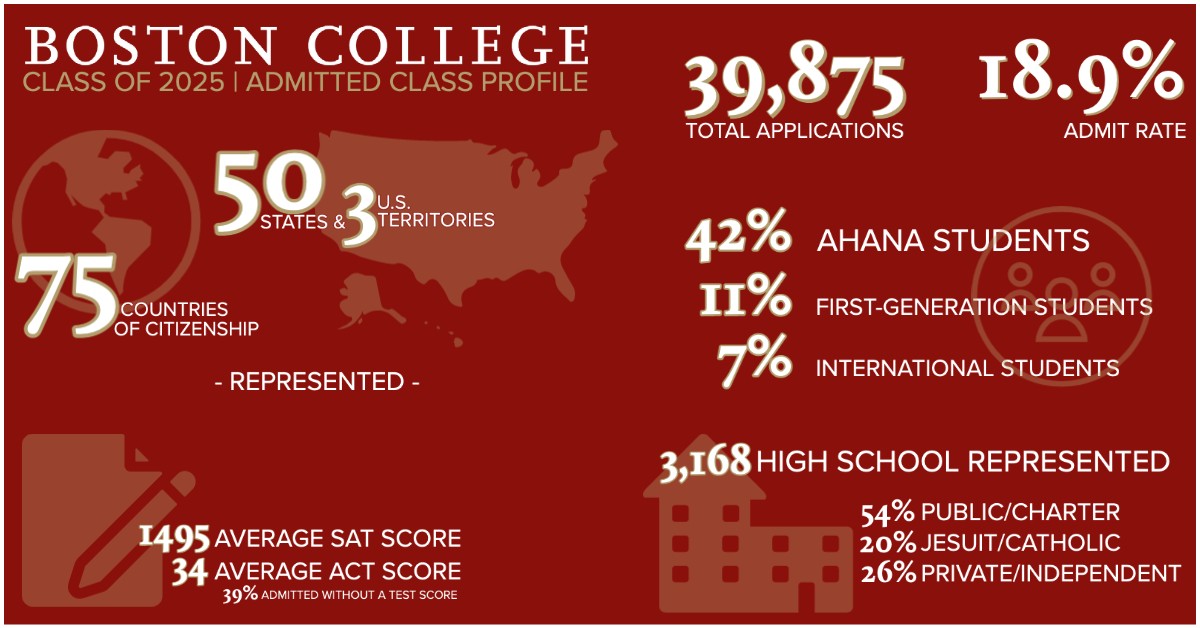
The landscape of higher education in Boston is defined by institutions that consistently attract students from across the globe. These include, but are not limited to, Harvard University, Massachusetts Institute of Technology (MIT), Boston University, Boston College, Northeastern University, Tufts University, and the University of Massachusetts Boston. Each of these institutions, along with many others, contributes tens of thousands of students to the city’s overall collegiate population.
- Harvard University: Located just across the Charles River in Cambridge, Harvard is one of the oldest and most prestigious universities in the United States, boasting an undergraduate and graduate student enrollment in the tens of thousands.
- Massachusetts Institute of Technology (MIT): Also situated in Cambridge, MIT is a leading institution for science and technology, attracting a significant number of students, particularly in its graduate programs.
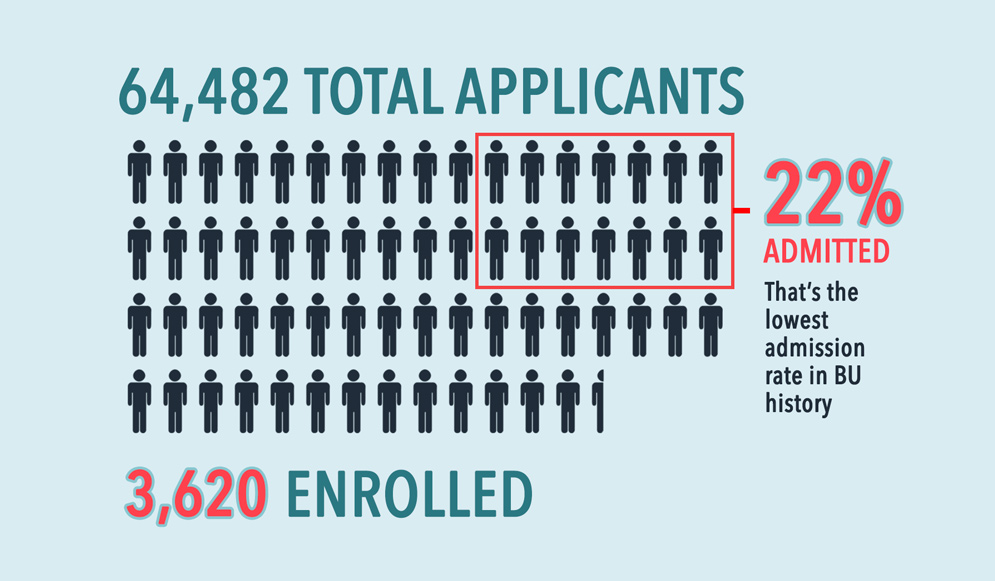
- Boston University: This large private research university is a major presence within Boston proper, with a vast student body that fills its urban campus and contributes significantly to the city’s energy.
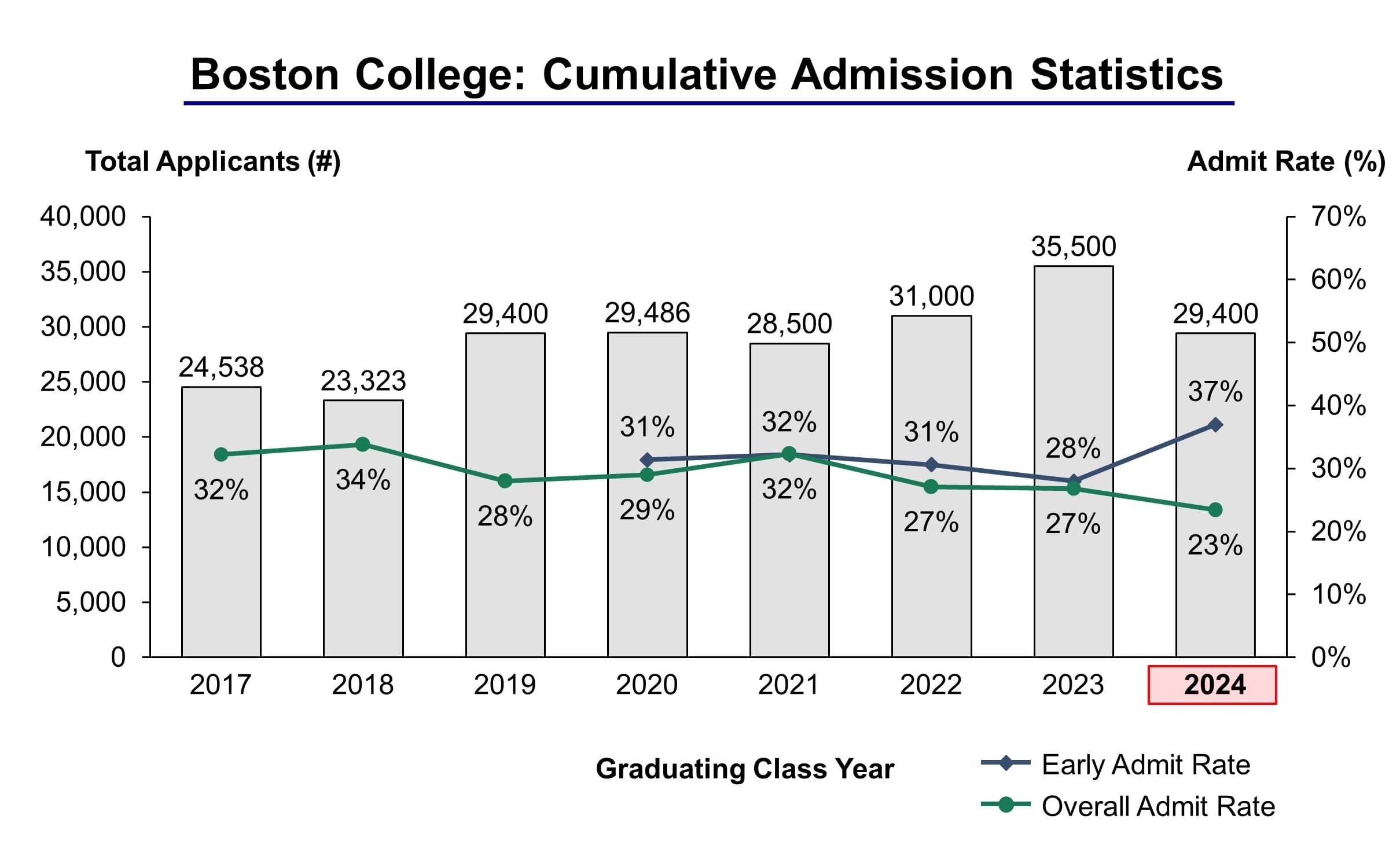
- Boston College: Known for its strong liberal arts programs and beautiful campus, Boston College is another substantial contributor to the student population.
- Northeastern University: Renowned for its co-op program, Northeastern has experienced substantial growth and is a major employer and educational force in the city.
- Tufts University: With its main campus in Medford and Somerville, and a medical school in Boston, Tufts adds to the collective student numbers.
- University of Massachusetts Boston (UMass Boston): As the only public research university in the city, UMass Boston serves a diverse student population and plays a crucial role in the state’s higher education system.
Beyond these prominent institutions, Boston hosts a multitude of other colleges and universities, including Simmons University, Suffolk University, Emerson College, Wentworth Institute of Technology, and numerous community colleges. The aggregate enrollment across all these institutions paints a picture of a city with a student population rivaling that of many mid-sized cities.
Estimated Total Student Population
While exact numbers are dynamic and vary with each academic year, an aggregation of enrollment data from the major universities and colleges in Boston and its immediate surrounding areas (often considered part of the greater metropolitan student presence) suggests a student population that comfortably exceeds 200,000 individuals. This figure often includes undergraduate, graduate, and professional students enrolled in full-time and part-time programs.
This vast student body is not static; it ebbs and flows with academic cycles, with peak activity during the academic year and a noticeable shift during summer breaks. However, the year-round impact of students is undeniable, influencing everything from housing markets to the demand for retail and entertainment services.
The Impact on Boston’s Landscape and Lifestyle
The colossal presence of students in Boston profoundly shapes the city’s character and operational dynamics. This demographic influences urban planning, economic activity, and the very pulse of daily life. From the neighborhoods that cater specifically to student needs to the broader economic contributions, the student population is an integral part of Boston’s identity.
Student-Centric Neighborhoods and Housing
Certain neighborhoods in Boston are intrinsically linked to the student population, often becoming synonymous with collegiate life. Areas like Allston, Brighton, Fenway, and parts of South Boston have a high concentration of student housing, both in dedicated dormitories and in the private rental market. These districts are characterized by a lively atmosphere, affordable eateries, bookstores, and lively nightlife venues catering to a younger demographic.
The demand for housing generated by students is immense. Universities often provide on-campus dormitories and graduate student housing, but a significant portion of students, particularly upperclassmen and graduate students, seek off-campus accommodations. This creates a competitive rental market, driving up demand for apartments and rooms in areas accessible to campuses. The availability and cost of housing are thus heavily influenced by the student demographic, leading to unique housing trends and community dynamics in these student-heavy areas.
Economic Contributions and Local Businesses
Students are not just inhabitants; they are significant economic drivers within Boston. Their spending power fuels a vast array of local businesses, from small cafes and pizzerias near campuses to larger retail establishments and entertainment venues throughout the city. The consistent influx of new students each year ensures a perpetual demand for goods and services, supporting a robust local economy.
Furthermore, student labor contributes to the workforce. Many students work part-time jobs while pursuing their studies, filling roles in retail, hospitality, and service industries across the city. This provides a crucial labor pool for businesses and allows students to gain valuable work experience. The presence of student interns also benefits local companies and startups, bringing fresh perspectives and skills to various sectors.
Cultural Vibrancy and Innovation
The intellectual capital and youthful energy brought by over 200,000 students contribute immeasurably to Boston’s cultural vibrancy and innovative spirit. Universities are hubs of research, creativity, and discourse, fostering an environment of constant learning and intellectual exploration. This spills over into the wider city, influencing its arts scene, technological advancements, and civic engagement.
Student-run organizations, art exhibitions, musical performances, and lectures are commonplace, enriching the cultural tapestry of Boston. The presence of highly educated individuals also attracts a skilled workforce, further solidifying Boston’s position as a leader in fields such as biotechnology, healthcare, finance, and technology. This academic ecosystem acts as a powerful engine for innovation, attracting further investment and talent to the city.
Navigating Boston as a Student
For students navigating Boston, understanding the city’s resources and opportunities is key to a fulfilling academic and personal experience. The sheer scale of the student population means that many services and institutions are tailored to their needs, while also presenting unique challenges and advantages.
Transportation and Accessibility
Efficient transportation is paramount for a student population spread across a large metropolitan area. Boston boasts an extensive public transportation system, the Massachusetts Bay Transportation Authority (MBTA), often referred to as the “T.” This includes subway lines, buses, and commuter rail, providing relatively affordable and accessible ways for students to travel between campuses, housing, and various parts of the city. Many universities also offer shuttle services to supplement public transit.
Navigating the city can involve a learning curve, but understanding the MBTA map and student transit passes can significantly ease daily commutes. Cycling is also a popular mode of transport for students, with dedicated bike lanes and bike-sharing programs becoming increasingly available.
Student Resources and Support Systems
The academic institutions in Boston provide a wide array of support services designed to help students succeed. These include academic advising, tutoring centers, career services, mental health counseling, and various student clubs and organizations. These resources are vital for managing the demands of rigorous academic programs and adapting to life in a new city.
Beyond institutional support, the large student population fosters a sense of community. Students often find support networks among their peers, sharing experiences and navigating challenges together. Local businesses also cater to students, offering discounts and services that make city life more manageable and enjoyable.
Opportunities Beyond the Classroom
Boston offers students unparalleled opportunities for internships, part-time employment, and cultural enrichment. Its status as a global city with leading industries means that students can gain invaluable real-world experience in their chosen fields. Proximity to major corporations, hospitals, research labs, and cultural institutions provides a rich environment for professional development and personal growth.
From exploring world-renowned museums like the Museum of Fine Arts, Boston and the Isabella Stewart Gardner Museum, to attending sporting events at Fenway Park, TD Garden, or enjoying the performing arts at the Boston Opera House or Symphony Hall, students have access to a diverse range of cultural and recreational activities. The city’s historical significance, with landmarks like the Freedom Trail and Faneuil Hall Marketplace, also offers endless opportunities for exploration and learning outside the classroom.
Statistical Snapshot and Future Trends
While pinpointing an exact, up-to-the-minute number of college students in Boston is a dynamic challenge, available data consistently points to a substantial and influential demographic. Understanding these figures is crucial for urban planners, policymakers, businesses, and prospective students alike.
Data Sources and Methodology
Official enrollment figures are typically released by individual educational institutions at the end of each academic year. Aggregating these numbers from publicly available reports, university websites, and educational data aggregators provides the most reliable estimate. It’s important to note that these figures usually represent enrolled students and may not always account for every individual who identifies as a student in the broader metropolitan area (e.g., those taking a gap year or enrolled in non-traditional programs).
Projected Growth and Demographics
The reputation of Boston as a premier educational destination, combined with ongoing investments in its universities and research facilities, suggests a continued strong enrollment in the foreseeable future. While demographic shifts and economic factors can influence student numbers, the city’s academic ecosystem is likely to remain a significant draw for domestic and international students.
Future trends may also include evolving housing needs, increased demand for sustainable transportation options, and a greater emphasis on digital learning and hybrid educational models. The student population, in its sheer numbers and influence, will continue to be a defining characteristic of Boston, shaping its evolution for years to come.
The Student Factor in Boston’s Identity
In conclusion, the question “How Many College Students In Boston?” yields an answer that is both numerical and qualitative. The figures, consistently numbering in the hundreds of thousands, represent more than just enrollment statistics; they embody the intellectual dynamism, cultural richness, and economic vitality that define Boston. This vast student population is an integral part of the city’s past, present, and future, making Boston a unique and perennially exciting place to live, learn, and grow.
LifeOutOfTheBox is a participant in the Amazon Services LLC Associates Program, an affiliate advertising program designed to provide a means for sites to earn advertising fees by advertising and linking to Amazon.com. Amazon, the Amazon logo, AmazonSupply, and the AmazonSupply logo are trademarks of Amazon.com, Inc. or its affiliates. As an Amazon Associate we earn affiliate commissions from qualifying purchases.