
The state of Florida is a vast tapestry of vibrant cities, pristine beaches, and unique natural wonders, drawing millions of visitors each year. Understanding the administrative divisions within this Sunshine State is not only a matter of geographical curiosity but also a key to unlocking a deeper appreciation for its diverse landscapes and the distinct characteristics of its regions. As travelers plan their itineraries, from the bustling metropolises of Miami and Orlando to the tranquil shores of the Florida Keys, a grasp of Florida’s county structure can enrich their experience by highlighting the local governance and identity of the areas they explore.
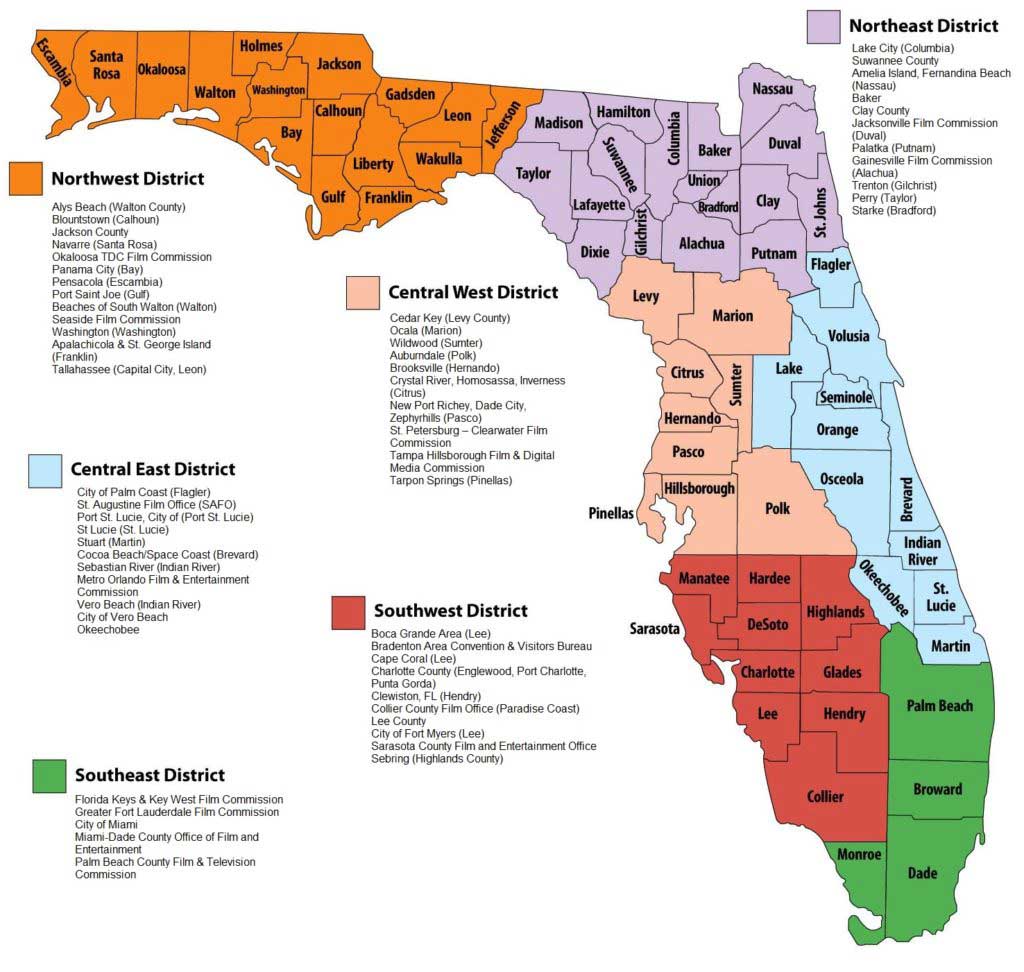
This exploration delves into the fundamental question of Florida’s county count, providing a foundational understanding of its political geography. Beyond a simple number, we will uncover the historical evolution and the practical implications of these divisions, offering insights relevant to anyone looking to navigate, understand, or simply appreciate the intricate mosaic that makes up the state of Florida. Whether you are a seasoned traveler charting a course through lesser-known locales or a first-time visitor drawn to iconic landmarks like the Everglades National Park or the theme parks of Orlando, understanding the county system provides a valuable framework for your journey.
The Geographic and Administrative Framework of Florida
The state of Florida is divided into sixty-seven (67) counties. These counties serve as the primary administrative subdivisions, responsible for a wide range of local governmental functions, from law enforcement and road maintenance to elections and property records. Each county has its own elected officials and governing bodies, typically a county commission, which oversees the unique needs and development of its respective area. This decentralized structure allows for a more responsive and tailored approach to governance, reflecting the diverse populations and geographical characteristics found across the state.
From the Panhandle’s rolling hills and historic towns to the sandy beaches of the Gulf Coast and the subtropical allure of South Florida, the county boundaries often reflect historical settlement patterns, geographical features, and economic development. For instance, counties in the northern part of the state, with their deep historical roots, might exhibit different administrative priorities and cultural nuances compared to their rapidly growing southern counterparts. Understanding this framework is crucial for travelers seeking to engage with the local fabric of Florida.
Historical Evolution of Florida’s Counties
The establishment of counties in Florida has a long and dynamic history, dating back to its territorial days. The first counties were created shortly after the United States acquired Florida from Spain in 1821. Early pioneers and settlers recognized the need for organized governance to manage land, establish order, and provide essential services. The initial county map of Florida was much simpler, with larger administrative areas that gradually subdivided as the population grew and expanded across the peninsula.
- Early Settlements and Territorial Governance: The first counties, such as Escambia, St. Johns, and Jackson, were formed to reflect the existing population centers and areas of economic activity. These early divisions were instrumental in the development of infrastructure and the establishment of early communities.
- The Impact of Statehood and Growth: Following Florida’s admission to the Union in 1845, the process of county creation continued. As new settlements emerged and existing ones flourished, driven by agriculture, trade, and later, tourism, the demand for more localized governance led to the formation of additional counties. This period saw significant expansion, with many counties carved out of larger predecessors.
- Modern County Formation: While the majority of Florida’s counties were established in the 19th and early 20th centuries, the process of adjustments and occasional new formations has continued. The current total of 67 counties reflects centuries of administrative evolution, population shifts, and the ever-changing needs of the state’s residents and visitors.
Understanding County Functions for the Traveler
For travelers, a basic understanding of Florida’s counties can enhance their journey in several ways:
- Navigation and Planning: Knowing which county you are in or traveling through can help with orientation. Many local attractions, state parks, and even specific types of local cuisine or businesses are often associated with particular counties. For instance, the citrus groves famous in Central Florida are predominantly located in counties like Polk and Highlands.
- Local Culture and Identity: Each county, and indeed each city within a county, possesses its own unique cultural identity. This can be seen in local festivals, historical sites, and community traditions. For example, the historic significance of counties like St. Augustine in St. Johns County offers a stark contrast to the modern, cosmopolitan vibe of counties in South Florida.
- Access to Services: If a traveler needs to access local services, such as finding a county courthouse for historical records or a specific local department for information about a particular area, knowing the county is the first step. This is particularly relevant for those interested in genealogy or local history.
Exploring Florida’s Counties: A Journey Through Diversity
With 67 counties, Florida offers an astonishing array of experiences. Each county contributes to the state’s rich mosaic, from the Panhandle’s Southern charm and the vibrant metropolitan areas of the southeast to the relaxed pace of the Gulf Coast and the unique ecosystems of the interior.
The Panhandle and North Florida
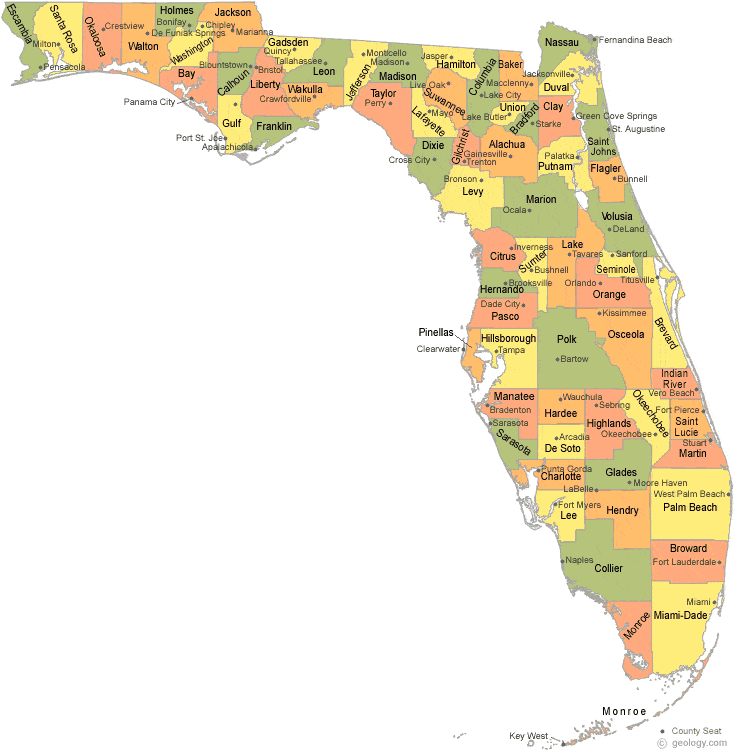
This region, characterized by its rolling hills, extensive coastline along the Gulf of Mexico, and proximity to states like Alabama and Georgia, boasts historical significance and natural beauty. Counties here, such as Escambia County with its vibrant city of Pensacola, and Bay County home to the popular beaches of Panama City Beach, offer a blend of military history, pristine beaches, and a distinctly Southern atmosphere. Further east, counties like Wakulla County are renowned for their natural springs and state parks, such as Wakulla Springs State Park.
Central Florida’s Attractions and Nature
Home to the world-renowned theme parks of Orlando, Orange County and its neighbors attract millions seeking entertainment and family fun. Beyond the dazzling attractions, Central Florida is also a region of significant natural beauty, with numerous lakes and springs. Counties like Lake County are known for their rolling hills and agricultural heritage, particularly citrus production, while areas like Marion County are famous for horse farms and the picturesque town of Ocala. The wild heart of this region can be explored in places like the Ocala National Forest.
The Gulf Coast’s Beaches and Relaxation
The western coast of Florida, bordering the Gulf of Mexico, is celebrated for its sugar-sand beaches, calm waters, and more relaxed pace of life. Counties like Pinellas County, encompassing popular destinations such as Clearwater Beach and St. Petersburg, offer a vibrant mix of beach town charm and urban amenities. Further south, counties like Sarasota County are known for their cultural attractions, arts scene, and beautiful barrier islands, including Siesta Key. The nature enthusiast can find wonders in the wildlife refuges and coastal ecosystems scattered throughout these counties.
South Florida’s Tropical Vibrancy and Urban Hubs
The southern tip of Florida is a dynamic region characterized by its tropical climate, diverse population, and cosmopolitan cities. Miami-Dade County, the most populous county in the state, is a global hub for culture, finance, and entertainment, boasting iconic destinations like Miami Beach and Everglades National Park. Neighboring counties like Broward County, with cities like Fort Lauderdale, offer a similar blend of stunning coastlines and vibrant urban life. Further inland, counties like Collier County offer a more tranquil experience, with the upscale charm of Naples and access to the unique ecosystems of the Everglades.
Tips for Travelers Navigating Florida’s Counties
As you embark on your journey through the Sunshine State, keep these tips in mind to make the most of your travels across Florida’s 67 counties:
Planning Your Itinerary with County Awareness
- Geographic Grouping: When planning, consider grouping destinations by county or adjacent counties to minimize travel time and maximize your exploration. For example, if you are interested in the theme parks, focus on Orange County and its immediate neighbors. If a beach vacation is your goal, research the acclaimed beaches within counties like Pinellas County, Manatee County, or Walton County.
- Local Events and Festivals: Many counties host unique annual events and festivals that offer a glimpse into local culture and traditions. Checking the event calendars for specific counties you plan to visit can lead to memorable experiences, from agricultural fairs in rural counties to music festivals in urban centers.
- State and County Parks: Florida boasts an extensive network of state and county parks, each offering different recreational opportunities and natural beauty. Identifying which parks fall within your intended counties can help you plan outdoor adventures, whether it’s exploring the unique ecosystems of the Everglades in Monroe County or hiking through the forests of North Florida in counties like Alachua County.
Engaging with Local Communities
- Support Local Businesses: By patronizing local restaurants, shops, and attractions, you contribute to the economic vitality of the counties you visit and often experience more authentic local flavors and crafts. Each county has its own distinct culinary specialties and artisanal products.
- Embrace Regional Differences: From the distinct accents and hospitality of North Florida to the vibrant multiculturalism of South Florida, recognizing and appreciating these regional differences can significantly enhance your travel experience. The character of a county can be as captivating as its famous landmarks.
- Inquire and Explore: Don’t hesitate to ask locals for recommendations. They can often point you towards hidden gems, lesser-known attractions, or unique experiences within their county that might not be found in guidebooks.
Understanding the Legal and Administrative Landscape
- Property Appraiser and Tax Collector: For those interested in local history or property development, county websites often provide access to property appraiser and tax collector information, which can offer historical data and insights into the development of specific areas.
- Visitor Bureaus: Each county, or a collective of counties, often has a dedicated tourism or visitor bureau. These organizations are excellent resources for detailed information about attractions, accommodations, and events within their jurisdiction. They are invaluable for travelers seeking a comprehensive understanding of what a particular county has to offer.
The structure of 67 counties within Florida provides a rich framework for exploration. Each county represents a unique chapter in the state’s story, contributing to its unparalleled diversity and allure. By understanding this fundamental geographic and administrative division, travelers can unlock a deeper, more informed, and ultimately more rewarding experience of the Sunshine State.
LifeOutOfTheBox is a participant in the Amazon Services LLC Associates Program, an affiliate advertising program designed to provide a means for sites to earn advertising fees by advertising and linking to Amazon.com. Amazon, the Amazon logo, AmazonSupply, and the AmazonSupply logo are trademarks of Amazon.com, Inc. or its affiliates. As an Amazon Associate we earn affiliate commissions from qualifying purchases.