
Colorado, the Centennial State, is a land of stunning natural beauty, rich history, and vibrant culture. From the majestic peaks of the Rocky Mountains to the sweeping vistas of the Eastern Plains, this diverse state captivates visitors with its unparalleled landscapes and endless opportunities for adventure. But beyond its iconic landmarks and world-class resorts, Colorado is also a complex tapestry of local governance and community identity, meticulously organized into 64 distinct counties. Each of these administrative divisions plays a crucial role in shaping the state’s unique character, offering a distinct flavor of local life, and presenting travelers with a myriad of experiences. Understanding the structure of these counties not only provides insight into the state’s political geography but also serves as an invaluable guide for anyone planning to explore Colorado’s vast and varied attractions, from bustling urban centers to serene wilderness areas.
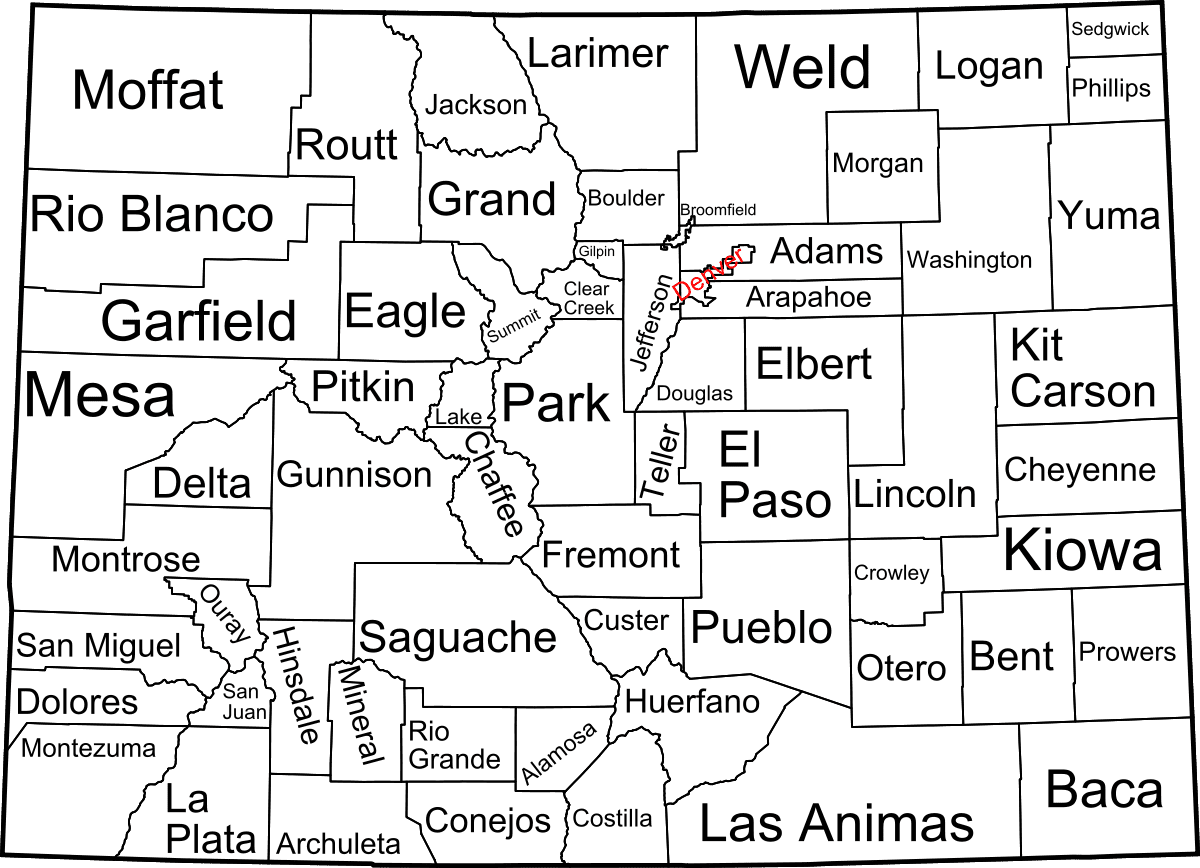
The 64 counties of Colorado are more than just lines on a map; they are the backbone of local governance, cultural hubs, and economic engines, each with its own unique history, natural features, and tourism appeal. From the densely populated metropolitan areas to the sparsely inhabited rural expanses, these counties represent the true mosaic of life in Colorado. For the discerning traveler, identifying and understanding these counties is key to unlocking the full potential of a Colorado itinerary, whether seeking high-altitude thrills, cultural immersion, or simply a tranquil escape into nature.
The Geographic Tapestry of Colorado
Colorado’s counties vary dramatically in size, population, and geographic features, reflecting the state’s incredible diversity. Some counties are home to major cities and economic powerhouses, while others encompass vast stretches of national forests, wilderness areas, or agricultural lands. This administrative division dates back to the territorial days, evolving as the state grew and settled.
A Brief History of Colorado Counties
The history of Colorado’s counties began even before it achieved statehood in 1876. Initially, as a U.S. territory, Colorado was divided into 17 counties in 1861. As mining booms brought new settlers and the population expanded, more counties were gradually carved out to better serve the growing communities and manage local affairs. The process of county formation typically involved petitions from residents, legislative acts, and often, spirited debates over boundaries and county seats. Many counties bear names that honor historical figures, native tribes, or prominent geographical features, each name telling a piece of the state’s story. For instance, Denver County was established later to encompass the growing capital city, recognizing its unique metropolitan needs. Similarly, counties like San Juan County and Mesa County are named after their distinctive geological formations, highlighting the deep connection between the land and its people. This historical evolution created the intricate administrative network that defines Colorado today, providing a framework for everything from local education to infrastructure development and tourism promotion.
The Diverse Landscape of Colorado’s Jurisdictions
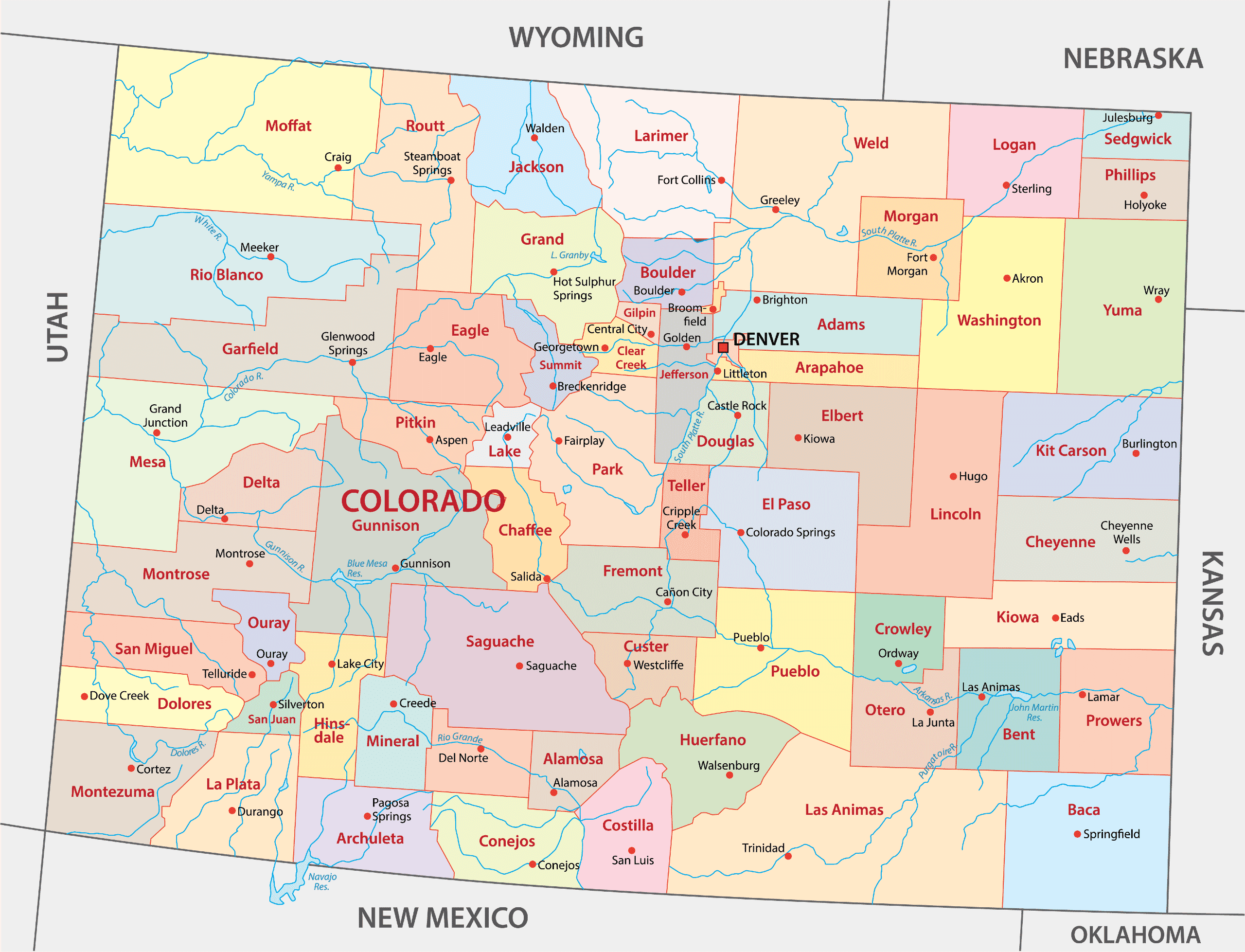
The sheer diversity among Colorado’s 64 counties is one of its most compelling aspects. You have metropolitan behemoths like Denver County, which is coterminous with the City and County of Denver itself, serving as the state capital and a major economic and cultural hub. Here, skyscrapers reach for the sky, and urban attractions abound, from the Denver Art Museum to the lively neighborhoods of LoDo and the RiNo Art District. In stark contrast are vast, sparsely populated counties such as Moffat County in the northwest, which boasts expansive ranches and the dramatic landscapes of Dinosaur National Monument, offering a glimpse into ancient history and untouched wilderness.
Another prime example is El Paso County, home to Colorado Springs, the state’s second-largest city. This county is a gateway to iconic natural landmarks like Pikes Peak and Garden of the Gods, blending urban conveniences with incredible outdoor access. Further west, in the heart of the Rocky Mountains, lies Summit County, renowned for its world-class ski resorts such as Breckenridge, Keystone, and Copper Mountain. Here, tourism is the lifeblood, and every amenity caters to outdoor enthusiasts. Even within regions, counties offer distinct experiences; for instance, neighboring Pitkin County hosts the upscale resort town of Aspen, known for its luxury lifestyle and high-end boutiques alongside fantastic skiing.
The counties also reflect Colorado’s diverse geography. Counties in the Front Range corridor, like Boulder County, home to the vibrant city of Boulder and the gateway to Rocky Mountain National Park, tend to be more urbanized and technologically advanced. Meanwhile, counties on the Western Slope, such as Mesa County (home to Grand Junction), are characterized by arid landscapes, fruit orchards, and unique geological formations like the Colorado National Monument. The Eastern Plains counties, like Yuma County or Kit Carson County, are primarily agricultural, offering a serene, rural experience far from the mountain crowds. This rich tapestry of 64 counties ensures that there is a distinct experience waiting for every type of traveler in Colorado.
Exploring Colorado’s Counties: A Traveler’s Guide
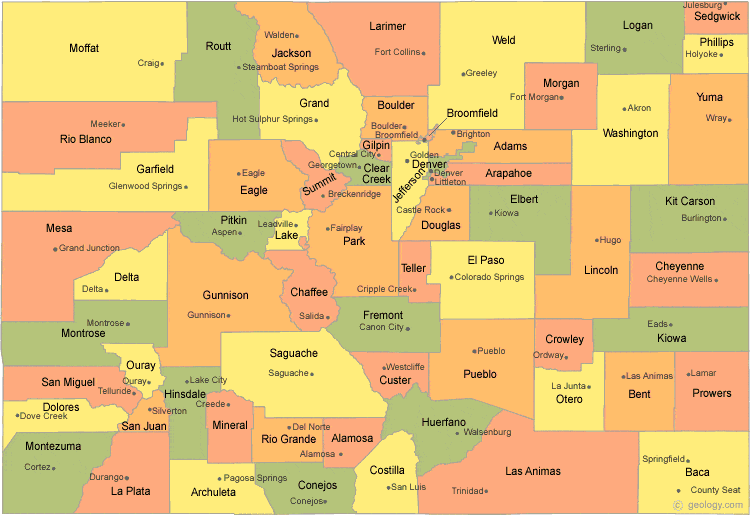
For travelers, Colorado’s county structure provides a useful framework for planning an itinerary. Each county often serves as a microcosm of the state’s broader offerings, from adventure sports to cultural heritage. By focusing on specific counties, visitors can tailor their trips to their interests, ensuring a more immersive and rewarding experience.
Iconic Counties and Their Must-Visit Destinations
Some counties naturally stand out as major tourist magnets due to their concentration of famous landmarks, world-class resorts, or vibrant urban centers.
Denver County: As the heart of Colorado, Denver is a must-visit. Beyond its impressive skyline, the Mile High City offers a plethora of attractions. Explore the historic Union Station, stroll through the Denver Botanic Gardens, catch a game at Coors Field, or enjoy a concert at the legendary Red Rocks Amphitheatre in nearby Jefferson County. Denver’s vibrant culinary scene, diverse neighborhoods like Capitol Hill and the Golden Triangle, and numerous hotels, from the luxurious Ritz-Carlton, Denver to boutique options, make it an ideal starting point for any Colorado adventure.
El Paso County: Dominated by Colorado Springs, this county is a paradise for nature lovers and history buffs. Ascend Pikes Peak via the scenic drive or the Pikes Peak Cog Railway, marvel at the stunning red rock formations of Garden of the Gods, or explore the United States Air Force Academy. Accommodation ranges from the historic and opulent The Broadmoor to family-friendly resorts, catering to all travel styles.
Summit County: Often referred to as “Ski Country USA,” Summit County is a winter wonderland and a summer playground. Breckenridge, Frisco, Dillon, and Silverthorne offer charming mountain towns with excellent dining, shopping, and year-round activities like hiking, mountain biking, and water sports on Lake Dillon. The county boasts numerous hotels, vacation rentals, and ski-in/ski-out accommodations, making it a perfect base for outdoor enthusiasts.
Pitkin County: Home to Aspen and Snowmass, Pitkin County offers a luxurious mountain experience. Beyond world-class skiing on Aspen Mountain, Snowmass Ski Area, Aspen Highlands, and Buttermilk Mountain, visitors can enjoy high-end shopping, gourmet dining, and cultural events. The iconic Maroon Bells are a sight to behold, offering breathtaking photography opportunities. Luxury accommodations like the St. Regis Aspen Resort are abundant here.
Boulder County: A hub for outdoor recreation and progressive culture, Boulder County centers around the city of Boulder. Explore the Pearl Street Mall, hike the famous Flatirons at Chautauqua Park, or drive to nearby Rocky Mountain National Park. The town’s vibrant health and wellness scene, coupled with its proximity to high-alpine adventures, make it a unique destination.
Hidden Gems and Off-the-Beaten-Path Adventures
While the famous counties draw crowds, Colorado’s lesser-known counties offer equally compelling, often more intimate, travel experiences. These hidden gems are perfect for those seeking authentic local culture, serene nature, and a break from the usual tourist circuit.
Routt County: Home to Steamboat Springs, this county on the Western Slope is famous for its “Champagne Powder” skiing and natural hot springs like Strawberry Park Hot Springs. Beyond the slopes, the Yampa River Botanic Park and the charming downtown offer a relaxed, friendly atmosphere distinct from other resort towns.
La Plata County: In southwest Colorado, Durango serves as a gateway to the San Juan Mountains and the Durango & Silverton Narrow Gauge Railroad, a historic train ride through breathtaking canyons. The county is also near Mesa Verde National Park in neighboring Montezuma County, offering incredible insights into ancestral Puebloan culture.
Gunnison County: This expansive county is a haven for outdoor enthusiasts, encompassing the vibrant mountain towns of Gunnison and Crested Butte. From world-class fly fishing in the Gunnison River to exploring the dramatic depths of Black Canyon of the Gunnison National Park, this area offers rugged beauty and endless adventure. Crested Butte is particularly famous for its wildflowers in summer and its relaxed, friendly ski resort in winter.
Saguache County: Home to the spectacular Great Sand Dunes National Park and Preserve, Saguache County offers a truly unique landscape that feels otherworldly. Visitors can hike, sandboard, or sled down the tallest dunes in North America, experiencing an unexpected desert oasis surrounded by towering mountains.
Chaffee County: Nestled in the Arkansas River valley, Chaffee County boasts the charming towns of Salida and Buena Vista, known for their vibrant arts scenes, natural hot springs, and unparalleled whitewater rafting opportunities. Surrounded by fourteeners (mountains over 14,000 feet), it’s a paradise for hikers, climbers, and anglers.
Planning Your Colorado Getaway: Accommodation and Lifestyle
Navigating Colorado’s 64 counties also involves strategic planning for accommodation and understanding the various lifestyles each area offers. Whether you’re a luxury traveler, a budget explorer, or planning a family adventure, there’s a county and a community designed to meet your specific needs.
Finding Your Perfect Stay Across the Counties
The range of accommodation options across Colorado’s counties is as diverse as its landscapes. In major urban centers like Denver (Denver County) and Colorado Springs (El Paso County), you’ll find a full spectrum of hotels, from international chains like Hyatt Regency Denver and JW Marriott Denver Cherry Creek to boutique hotels and extended-stay apartments. These areas are ideal for business travelers or those seeking a city base for day trips.
Mountain counties, particularly those home to ski resorts like Summit County (Breckenridge, Keystone), Eagle County (Vail, Beaver Creek), and Pitkin County (Aspen), specialize in resorts, condos, and vacation rentals. Many offer ski-in/ski-out access, luxury amenities, and family-friendly facilities, making booking and comparison essential for securing the best rates and experiences. Popular choices include the iconic Hotel Colorado in Glenwood Springs (Garfield County), known for its hot springs and historic charm, or the more opulent choices available in Aspen.
For those venturing into national parks or more remote areas, options may include rustic cabins, campgrounds, or charming B&Bs in small towns. Counties like Grand County, bordering Rocky Mountain National Park, offer a mix of traditional lodges like the YMCA of the Rockies in Estes Park and cozy lakeside rentals around Grand Lake and Lake Granby. Always check reviews and compare options, especially during peak seasons, to find accommodation that aligns with your travel style and budget.
Tailoring Your Colorado Experience: Luxury to Budget
Colorado’s 64 counties offer a spectrum of lifestyle experiences, from opulent luxury to rugged budget-friendly adventures.
Luxury Travel: For those seeking an indulgent escape, counties like Pitkin County and Eagle County are prime destinations. Aspen and Vail boast five-star resorts, private chalets, world-class spas, and exclusive dining. Experiences include private ski lessons, gourmet food tours, and high-end shopping. Even in Denver, areas like Cherry Creek offer luxury boutiques and upscale accommodations.
Budget Travel: Adventurous travelers on a budget will find ample opportunities across many of Colorado’s counties. Camping in national forests, staying in hostels in cities like Denver or Boulder, or opting for motels in smaller towns on the Eastern Plains or Western Slope can significantly reduce costs. Activities like hiking, mountain biking on public trails, and visiting free attractions like Garden of the Gods allow for incredible experiences without breaking the bank. Counties like Gunnison County or Chaffee County offer excellent value for outdoor pursuits.
Family Trips: Many counties are ideal for family vacations. El Paso County with the Cheyenne Mountain Zoo and Cave of the Winds Mountain Park, or Denver County with the Denver Zoo and Children’s Museum of Denver, provide engaging activities for all ages. Mountain towns in Summit County offer kid-friendly ski schools and summer adventure parks. When planning family trips, considering accommodation with kitchen facilities or multiple bedrooms in counties like Grand County near Rocky Mountain National Park can enhance the experience.
Business Stays: For business travelers, Denver County, Boulder County, and Larimer County (Fort Collins) are key centers. They offer state-of-the-art conference facilities, reliable connectivity, and easy access to Denver International Airport ([DIA]). Hotels catering to business needs, with amenities like meeting rooms, high-speed internet, and executive lounges, are plentiful in these areas, ensuring a productive and comfortable stay.
Beyond the Borders: The Impact of Counties on Colorado Tourism
The distinct character of Colorado’s 64 counties is not just an administrative detail; it’s a fundamental aspect of what makes the state such a compelling tourist destination. The individual identities, local cultures, and unique attractions within each county contribute significantly to the overall tourism appeal, allowing visitors to experience a rich tapestry of experiences across the state.
Local Culture and Community Experiences
Each of Colorado’s 64 counties nurtures its own distinct cultural identity, often rooted in its history, demographics, and primary industries. For instance, in Pueblo County, the city of Pueblo showcases its steel-making heritage and vibrant Hispanic culture, particularly evident along its historic Riverwalk and during annual events like the Chile & Frijoles Festival. In contrast, Delta County on the Western Slope is known for its agricultural bounty, with farmers’ markets and fruit stands celebrating its peach and apple orchards, offering a delightful rural charm.
Native American heritage is deeply embedded in several southwestern counties, particularly Montezuma County, home to the famous Mesa Verde National Park, where visitors can explore ancient cliff dwellings and learn about the ancestral Puebloan people. Here, local guides and cultural centers provide invaluable insights into indigenous traditions and history.
Even the mountain counties, while often associated with outdoor sports, have their unique cultural nuances. Telluride in San Miguel County is renowned for its vibrant arts scene and world-class festivals, including the Telluride Film Festival and the Telluride Bluegrass Festival, attracting a sophisticated, culturally inclined crowd. Creede in Mineral County preserves its silver mining past with a historic downtown and a thriving repertory theater. These local cultural expressions and community-driven events offer travelers a chance to connect with the authentic heart of Colorado, moving beyond generic tourist attractions to discover unique local customs, flavors, and stories that are specific to each county. Engaging with these local cultures enriches the travel experience, turning a simple visit into a profound encounter with Colorado’s diverse heritage.
Economic Contributions of Tourism
Tourism is a cornerstone of Colorado’s economy, and the distributed nature of its attractions across 64 counties ensures that the benefits are widespread. Counties with major ski resorts, like Summit County or Eagle County, see significant economic activity driven by winter sports, with hotels, restaurants, retail shops, and local service providers thriving on visitor spending. Resorts like Vail Resorts and Aspen Snowmass are major employers, supporting thousands of jobs directly and indirectly.
Urban counties like Denver County and El Paso County benefit from convention tourism, cultural attractions, and their roles as transportation hubs. Denver International Airport (DIA), a critical gateway to the entire state, is a massive economic driver itself. The revenue generated from tourism, through taxes on accommodation, sales, and various activities, is reinvested into local infrastructure, education, and public services, benefiting residents and improving the overall visitor experience.
Even the more rural counties, while perhaps not drawing millions of visitors, play a vital role. For example, counties like Mesa County attract visitors to its wine country in Palisade and outdoor adventures at Colorado National Monument, supporting local agriculture and small businesses. Fremont County sees tourism driven by the Royal Gorge Bridge and Park and whitewater rafting on the Arkansas River. This decentralized economic impact underscores the importance of all 64 counties to Colorado’s prosperity, demonstrating how tourism fosters sustainable development and preserves the unique charm of each locale. By spreading visitors across diverse areas, Colorado maintains a balanced tourism ecosystem that celebrates its vast geographic and cultural offerings.
In conclusion, Colorado is home to 64 distinct counties, each a unique piece of the state’s magnificent puzzle. From the bustling streets of Denver to the serene wilderness of the San Juan Mountains, these administrative divisions offer an incredible array of experiences for every type of traveler. Understanding this county structure is not just a matter of geography but a key to unlocking the full potential of a Colorado adventure, guiding you to hidden gems, iconic landmarks, and authentic local cultures that make the Centennial State truly unforgettable. Whether you seek luxury, adventure, family fun, or a tranquil escape, the 64 counties of Colorado are ready to welcome you.
LifeOutOfTheBox is a participant in the Amazon Services LLC Associates Program, an affiliate advertising program designed to provide a means for sites to earn advertising fees by advertising and linking to Amazon.com. Amazon, the Amazon logo, AmazonSupply, and the AmazonSupply logo are trademarks of Amazon.com, Inc. or its affiliates. As an Amazon Associate we earn affiliate commissions from qualifying purchases.