
Unpacking Florida’s Administrative Landscape for Travelers
For travelers embarking on an exploration of the Sunshine State, understanding its geographical and administrative divisions can profoundly enrich the journey. Florida, a peninsular paradise renowned for its stunning beaches, vibrant cities, and unique ecosystems, is officially divided into 67 counties. This seemingly simple number holds significant implications for how one plans and experiences travel within the state.
Knowing the number of counties, and more importantly, the diversity each offers, transforms a generic trip into a tailored adventure. Each county acts as a distinct microcosm, shaping local culture, preserving specific historical narratives, and presenting a unique array of attractions and natural wonders. From the Panhandle’s historic charm to the tropical allure of the Florida Keys, these 67 divisions are the building blocks of the state’s multifaceted appeal. For the discerning traveler, identifying particular counties can guide decisions on where to find the best fishing spots, the most pristine natural springs, the most exhilarating theme parks, or the quietest stretches of beach. It’s an invitation to delve deeper than just city names and explore the rich tapestry woven across the entire state.
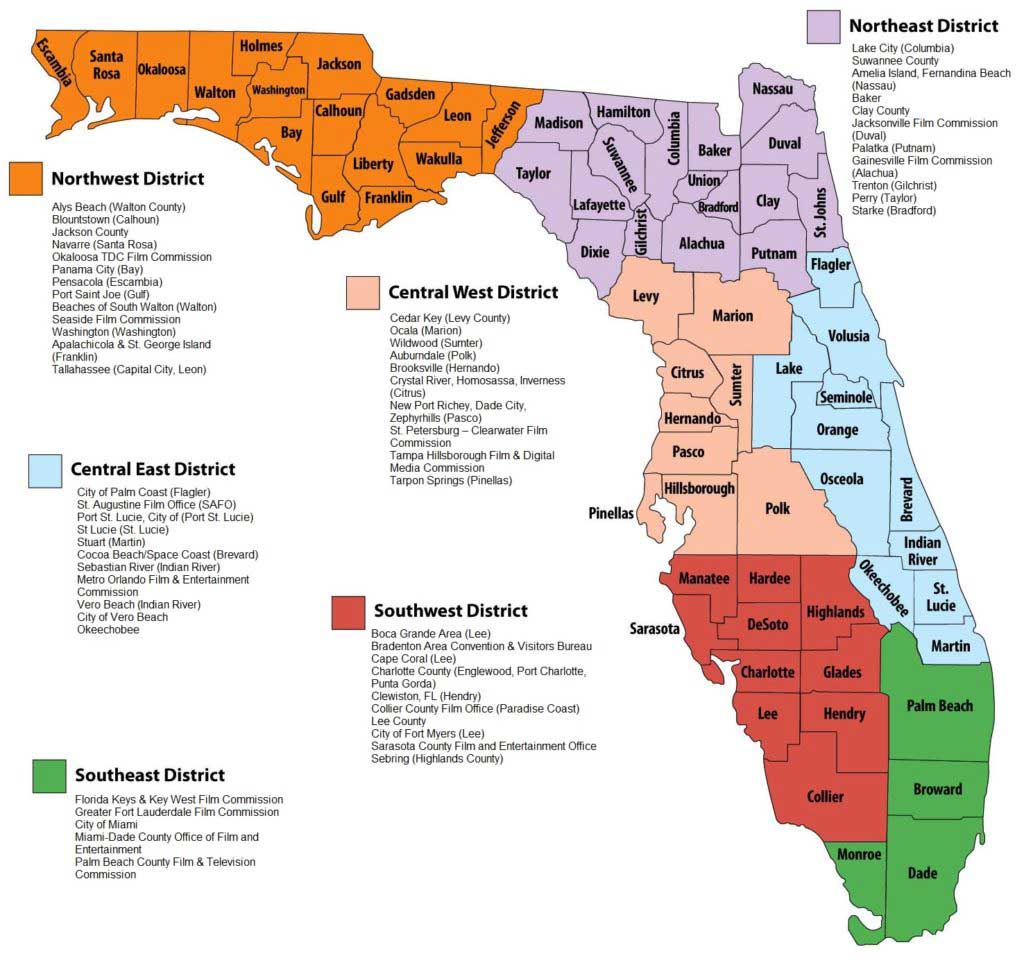
Diverse Destinations Across Florida’s 67 Counties
The true beauty of Florida for travelers lies in its immense diversity, meticulously distributed among its 67 counties. Each region offers a distinct flavor, catering to a wide spectrum of interests, from serene nature escapes to bustling urban adventures.
The Panhandle: History, Nature, and Gulf Coast Charm
Stretching along the northern Gulf Coast, Florida’s Panhandle region is a treasure trove of history, military heritage, and sugar-white sand beaches. Escambia County, home to the historic city of Pensacola, offers a glimpse into colonial Florida’s past with its charming downtown, historic forts, and the Naval Air Station Pensacola, featuring the awe-inspiring National Naval Aviation Museum. Further east, Walton County boasts the idyllic coastal communities of Santa Rosa Beach and Scenic Highway 30A, famous for their boutique shops, gourmet dining, and diverse architecture nestled against turquoise waters. For those seeking lively beachfront entertainment, Bay County’s Panama City Beach delivers with its energetic atmosphere, water parks, and ample opportunities for parasailing, jet skiing, and deep-sea fishing. This region offers a blend of relaxation and adventure, defined by its stunning Gulf access and unique cultural identity, separate from the more southern parts of the state.
North and Central Florida: Springs, Theme Parks, and Cultural Hubs
Moving south, North and Central Florida present a captivating mix of natural springs, world-renowned theme parks, and vibrant cultural centers. Alachua County, anchored by Gainesville, is a hub for ecotourism, with its numerous freshwater springs like Ginnie Springs and Poe Springs, perfect for swimming, snorkeling, and diving. It also holds a significant place in higher education and natural history. To the south, Marion County is famously known as the “Horse Capital of the World,” centered around Ocala. Here, travelers can explore sprawling horse farms, enjoy equestrian events, or discover the serene beauty of the Ocala National Forest. The undisputed heart of family entertainment lies in Orange County, home to Orlando and its iconic theme parks like Walt Disney World Resort and Universal Orlando Resort. This county is a global magnet for thrill-seekers and fantasy lovers. Eastward, Volusia County offers the famed shores of Daytona Beach, a mecca for motorsports enthusiasts and beach lovers alike, along with the charming historic district of DeLand.
The Atlantic Coast: Sunshine, Space, and Coastal Cities
Florida’s Atlantic Coast embodies a different kind of allure, blending space exploration with upscale coastal living and vibrant cityscapes. Brevard County, often called the “Space Coast,” is where the Kennedy Space Center draws visitors from around the globe to witness the marvels of space exploration and rocket launches. Its beaches, like Cocoa Beach, are also popular for surfing and sunbathing. Further south, Palm Beach County offers a sophisticated escape with its luxurious resorts, high-end shopping in Palm Beach, and cultural institutions in West Palm Beach. It’s a destination synonymous with elegance and refined leisure. Adjacent to it, Broward County, with its principal city Fort Lauderdale, is known as the “Venice of America” due to its extensive canal system. Travelers can enjoy boating, pristine beaches, a bustling arts and culture scene, and diverse culinary experiences. These counties together showcase the state’s capacity for both groundbreaking innovation and opulent relaxation.
Southwest Florida: Gulf Islands, Everglades, and Upscale Retreats
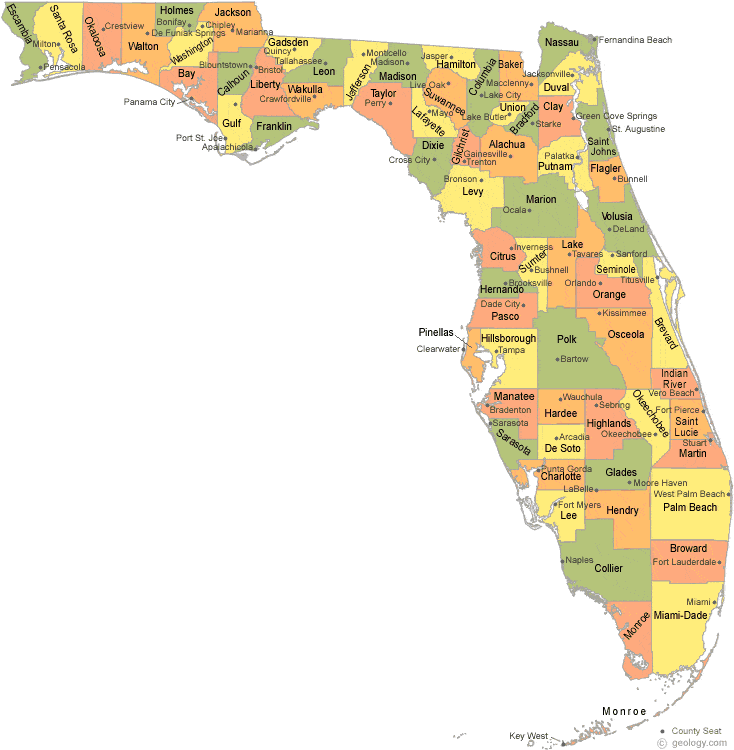
The Southwest Gulf Coast of Florida is characterized by its tranquil barrier islands, abundant wildlife, and sophisticated communities. Collier County, home to the upscale city of Naples, offers world-class golf, fine dining, and stunning sunsets over the Gulf of Mexico. It also serves as a gateway to the western edge of the Everglades, providing opportunities for airboat tours and wildlife viewing. North of Collier County lies Lee County, encompassing Fort Myers and its surrounding barrier islands like Sanibel Island and Captiva Island. These islands are world-renowned for their exceptional shelling, pristine beaches, and commitment to natural preservation, offering a quieter, more nature-focused retreat. The Edison & Ford Winter Estates in Fort Myers also provide a fascinating historical attraction. This region offers a perfect blend of natural beauty and refined comfort, making it a favorite for those seeking a peaceful yet luxurious getaway.
South Florida: Vibrant Culture and Tropical Escapes
The southernmost tip of Florida is a vibrant mosaic of international culture, unparalleled nightlife, and breathtaking tropical landscapes. Miami-Dade County is the epicenter of this energy, with the bustling metropolis of Miami. Miami is celebrated for its iconic South Beach, Art Deco architecture, thriving arts scene in areas like Wynwood, and a rich blend of Latin American and Caribbean influences that permeate its food, music, and culture. From high-fashion boutiques to lively dance clubs, Miami offers an exhilarating urban experience. Extending southwest from the mainland, Monroe County encompasses the enchanting Florida Keys, a string of tropical islands connected by the Overseas Highway. This unique county culminates in Key West, a destination famous for its bohemian charm, vibrant sunsets at Mallory Square, historic homes, and world-class diving and fishing opportunities. The Florida Keys offer an escape to a genuinely tropical paradise within the continental United States, focusing on water-centric activities and a laid-back lifestyle.
Navigating Florida: How County Lines Inform Your Journey
Beyond simply identifying destinations, understanding Florida’s 67 counties provides practical insights that can significantly enhance a traveler’s planning and on-the-ground experience.
Planning Road Trips and Itineraries
For those envisioning a comprehensive Florida adventure, a county-by-county perspective is invaluable. Rather than viewing the state as a monolithic entity, recognizing the distinct character of each county allows for more nuanced itinerary planning. Travelers can strategically plot routes that link specific county attractions, ensuring efficient travel between diverse experiences. For instance, combining the natural springs of Alachua County with the equestrian culture of Marion County and the theme parks of Orange County creates a multifaceted Central Florida itinerary. Understanding these boundaries helps estimate realistic travel times, identify logical stopovers, and avoid unnecessary backtracking, maximizing precious vacation moments.
Understanding Local Regulations and Resources
One often overlooked aspect of travel that county lines illuminate is the variation in local regulations and available resources. While Florida has state-wide laws, many ordinances, especially concerning things like beach access, alcohol sales, noise curfews, or even fishing licenses, can differ at the county or municipal level. For example, beach rules might vary between a public beach in St. Johns County and one in Sarasota County. Similarly, local tourism boards and visitor centers are often organized by county. Knowing which county you’re in (or planning to visit) can quickly connect you to highly localized information, events calendars, dining guides, and specific recommendations tailored to that area’s unique offerings, providing an authentic and well-informed travel experience.
Discovering Hidden Gems and Off-the-Beaten-Path Experiences
While major cities and well-known attractions often reside within a handful of prominent counties, the true magic of Florida often lies in its lesser-known corners. Exploring the full spectrum of 67 counties encourages travelers to venture beyond the usual tourist routes. Many smaller, more rural counties offer unique cultural festivals, untouched natural preserves, charming small towns, and authentic local eateries that provide a deeper, more immersive sense of place. From the fishing villages in Franklin County to the vast agricultural landscapes of Hendry County, each county contributes a distinct thread to Florida’s rich tapestry. A traveler who looks past the major hubs to these “hidden gems” can uncover truly memorable and personal experiences, creating a connection with Florida that extends far beyond typical postcard views.
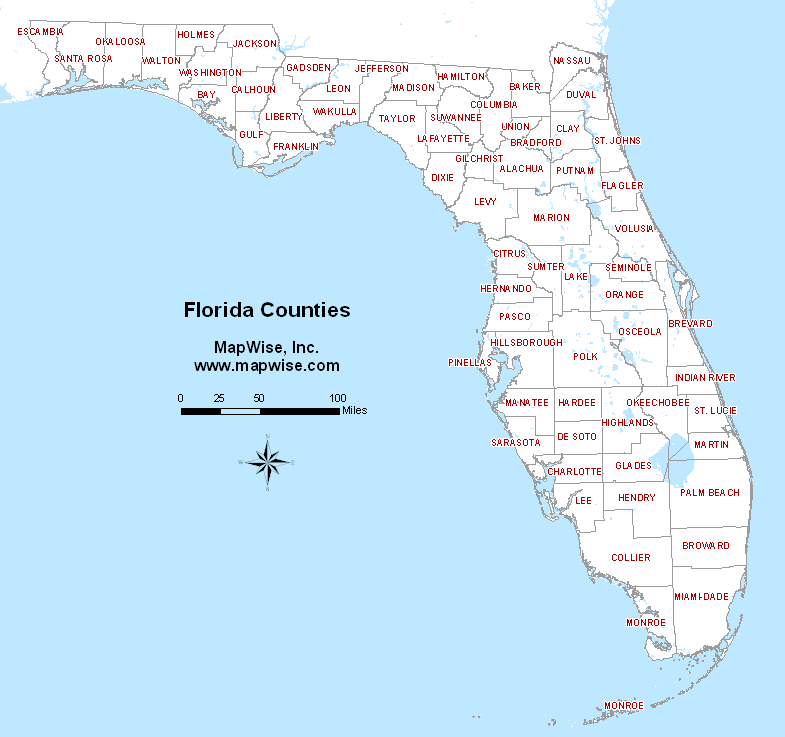
Beyond the Numbers: The Rich Tapestry of Florida’s Counties
The answer to “How many counties in the state of Florida?” is a straightforward 67. However, the significance of this number extends far beyond simple geography. For the engaged traveler, these 67 counties represent a gateway to an unparalleled breadth of experiences, destinations, and cultural encounters. From the historic streets of St. Augustine in St. Johns County to the serene Gulf shores of Sarasota County, each division offers a unique narrative and a distinct set of attractions.
Embracing the county-by-county approach to travel planning in Florida allows for a more detailed, informed, and ultimately richer journey. It empowers travelers to move beyond generic itineraries and design adventures that truly resonate with their interests, whether that means chasing theme park thrills, exploring pristine natural wonders, indulging in urban sophistication, or discovering the quiet charm of a hidden coastal town. In essence, Florida’s 67 counties are not just administrative boundaries; they are 67 distinct invitations to explore, learn, and fall in love with the diverse facets of this remarkable state.
LifeOutOfTheBox is a participant in the Amazon Services LLC Associates Program, an affiliate advertising program designed to provide a means for sites to earn advertising fees by advertising and linking to Amazon.com. Amazon, the Amazon logo, AmazonSupply, and the AmazonSupply logo are trademarks of Amazon.com, Inc. or its affiliates. As an Amazon Associate we earn affiliate commissions from qualifying purchases.