
Understanding the educational landscape for children in Texas involves navigating a unique set of regulations and considerations, particularly for families choosing the path of homeschooling. While the question of “how many days” might seem straightforward, the reality is more nuanced, encompassing not just mandated instructional time but also the qualitative aspects of a home-based education. This guide delves into the legal requirements, practical considerations, and optimal approaches for structuring a homeschooling year in the Lone Star State, aiming to provide families with the clarity needed to design a robust and compliant educational experience.
Legal Framework and Minimum Instructional Time
The foundation of homeschooling in Texas is established by state law, which outlines specific requirements for parents and guardians. Unlike many states that mandate a set number of school days or hours, Texas law takes a slightly different approach, focusing on the parent’s responsibility to provide a “bona fide” education.
The “Bona Fide” Education Standard
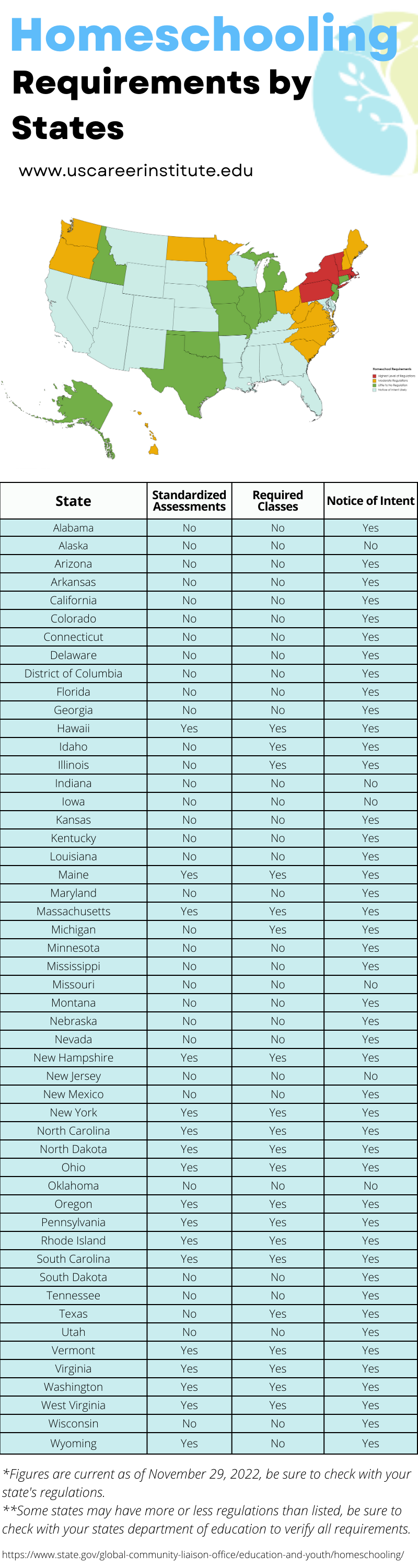
Texas Education Code § 25.086(a)(1) exempts children from compulsory attendance if they are “under instruction at home in a subject ordinarily taught in the public school.” This “bona fide” education standard means that the instruction must be genuine and aim to cover subjects typically found in a school curriculum. The law does not specify a minimum number of days or hours of instruction. Instead, the emphasis is on the quality and intent of the educational program.
Parental Responsibility and Curriculum Choice
As long as parents are providing a genuine education in subjects such as reading, mathematics, grammar, and possibly others like science and social studies, they are meeting the legal requirements. This provides significant flexibility but also places a greater onus on parents to define and implement their curriculum effectively. The absence of a fixed number of days means families can tailor their academic calendar to their unique needs, learning styles, and family lifestyle.
Key Takeaway: Flexibility Over Rigidity
The critical takeaway here is that Texas prioritizes the parent’s role as educator and the quality of the education provided, rather than adhering to a rigid calendar structure. This freedom allows families to pursue educational opportunities that might not fit within a traditional school day or year.
Structuring the Homeschool Year: Practical Considerations
While the law provides flexibility, most homeschooling families find it beneficial to establish a structured academic year. This structure aids in ensuring consistent progress, managing parental workload, and preparing students for potential future transitions, such as college entrance exams or standardized testing.
Establishing an Academic Calendar
Many Texas homeschoolers opt for an academic year that loosely mirrors the traditional school year, typically running from August or September through May or June. This approach can simplify coordination with other families for co-ops or group activities and makes it easier for parents who may have previously worked in traditional education settings to adapt.
Determining Daily and Weekly Schedules
Within the chosen academic year, families can decide on the daily and weekly schedule. Some choose to have school five days a week, similar to public schools, while others prefer a four-day week, allowing for longer weekends for field trips, family time, or extracurricular activities. The total hours of instruction per week can also vary. Some families aim for 3-4 hours of focused learning per day, while others might spread it out over more time, incorporating learning into daily life.
Incorporating Breaks and Holidays
A significant advantage of homeschooling is the ability to integrate breaks and holidays that align with family preferences or travel plans. Instead of being bound by a fixed school calendar, families can take off for extended periods during less-crowded seasons, or schedule shorter breaks throughout the year to prevent burnout. This flexibility is a cornerstone of the lifestyle many families seek when choosing to homeschool.

The Role of Field Trips and Experiential Learning
Texas offers a wealth of opportunities for experiential learning. From visiting historical sites like the Alamo in San Antonio to exploring natural wonders like Big Bend National Park, these outings are not just leisure activities but integral parts of the curriculum. When planning these experiences, families can decide how much “instructional time” they represent, further blurring the lines of a traditional day count.
Beyond the Numbers: Measuring Educational Success
The question of “how many days” often stems from a desire to ensure sufficient learning is occurring. However, in a homeschooling context, success is better measured by the child’s progress, engagement, and development rather than a simple tally of days.
Progress-Based Learning
Homeschooling allows for a progress-based approach. If a student masters a concept quickly, they can move on. Conversely, if they need more time, they have it, without the pressure of keeping pace with a classroom of peers. This individualized approach means that a child might achieve the same learning outcomes in fewer “instructional days” than a traditionally schooled student, or might require more focused time on specific subjects.
Portfolio Assessment and Record Keeping
While not legally mandated, maintaining a portfolio of student work, keeping records of subjects covered, and tracking progress can be highly beneficial. This documentation serves as evidence of the “bona fide” education provided and can be invaluable for parents to monitor their child’s development and for future educational or career planning. Some families also utilize standardized tests, which can provide an objective benchmark of academic achievement, but again, these are not required by Texas law.
Cultivating Lifelong Learning and Critical Thinking
The ultimate goal of education, whether in a classroom or at home, is to foster a love of learning and to develop critical thinking skills. Homeschooling in Texas offers a unique opportunity to do this by allowing education to be integrated into daily life, tailored to the child’s interests, and responsive to their individual pace. The “days required” become less about quantity and more about the quality of the learning experiences and the holistic development of the child.
Maximizing the Homeschool Experience in Texas
The freedom afforded to homeschoolers in Texas is a significant advantage. Instead of focusing on minimum day requirements, families can focus on creating a rich, engaging, and effective educational environment.
Leveraging Community Resources
Texas boasts a vibrant homeschooling community. Many cities have established homeschool support groups and co-ops that offer classes, social events, and educational outings. These resources can supplement a home-based curriculum and provide opportunities for children to interact with peers and engage in group learning activities. Popular destinations for such activities might include museums in Houston, science centers in Dallas, or historical sites throughout the state.
Exploring Diverse Learning Modalities
Homeschooling parents can explore a wide array of learning modalities, from online courses and virtual tutors to hands-on projects and community-based learning. The “days” dedicated to education can be incredibly diverse, incorporating everything from reading classic literature to coding a website, or from conducting science experiments in the kitchen to learning about agriculture at a local farm.

Adapting to Individual Needs and Interests
The beauty of homeschooling lies in its adaptability. Whether a child has a specific learning disability, a profound interest in a niche subject, or requires a more flexible schedule due to family circumstances, homeschooling allows for that accommodation. This personalized approach ensures that the educational journey is not just about meeting a quota of days but about fostering a child’s unique potential and igniting a passion for lifelong learning.
In conclusion, the question of “how many days” for homeschooling in Texas is less about a numerical requirement and more about the commitment to providing a comprehensive and genuine education. The flexibility of the Texas homeschool law empowers families to design an academic year that best suits their children’s needs, interests, and their family’s lifestyle, fostering a learning environment that is both effective and enriching.
LifeOutOfTheBox is a participant in the Amazon Services LLC Associates Program, an affiliate advertising program designed to provide a means for sites to earn advertising fees by advertising and linking to Amazon.com. Amazon, the Amazon logo, AmazonSupply, and the AmazonSupply logo are trademarks of Amazon.com, Inc. or its affiliates. As an Amazon Associate we earn affiliate commissions from qualifying purchases.