
The emerald city of Seattle, nestled in the picturesque Pacific Northwest, often conjures images of endless gray skies and incessant rain. It’s a reputation that precedes it, a pervasive stereotype that, while not entirely unfounded, often overshadows the city’s vibrant culture, stunning natural beauty, and surprisingly diverse climate. Visitors and prospective residents alike frequently ask: “Just how many days does it rain in Seattle?” The answer, much like Seattle itself, is more nuanced than a simple number, involving a delicate dance between perception, reality, and the unique meteorological conditions of the region.
This article aims to unravel the truth behind Seattle’s rainy reputation, offering a comprehensive look at its rainfall patterns, seasonal variations, and what this means for travelers. We’ll delve into the actual statistics, distinguish between light drizzle and heavy downpours, and provide invaluable tips for making the most of your visit, come rain or shine. Far from being a deterrent, Seattle’s unique weather often contributes to its lush landscapes and cozy charm, inspiring a rich coffee culture, a thriving arts scene, and an undeniable appreciation for sunny days when they arrive. Whether you’re planning a romantic getaway, a family adventure, or a business trip, understanding Seattle’s rain is key to a truly enjoyable experience in this captivating destination.
Unraveling the Myth: Seattle’s Rainfall Reality
The enduring image of Seattle as a perpetually waterlogged city is a powerful one, often perpetuated by popular culture and anecdotal evidence. However, when we look at the meteorological data, a more complex and often surprising picture emerges. While it’s true that Seattle experiences a high number of days with some form of precipitation, the intensity and volume of that rain are critical factors often overlooked in the popular narrative.
The Drizzle vs. Downpour Debate
One of the most significant distinctions to make when discussing Seattle’s rain is the difference between a persistent drizzle and a torrential downpour. Unlike many cities that experience fewer rainy days but are hit with heavy, soaking storms, Seattle is renowned for its often light, misty, and prolonged precipitation. A typical “rainy day” in Seattle might involve hours of a gentle, almost imperceptible mist or a steady drizzle that doesn’t necessarily require an umbrella but does necessitate a waterproof jacket.
This characteristic drizzle is largely due to the city’s location within the Pacific Northwest, where moist air from the Pacific Ocean encounters the coastal mountain ranges, particularly the Olympic Mountains to the west. This Orographic lift forces the moisture-laden air upwards, leading to condensation and precipitation. However, these systems are often widespread and relatively weak, resulting in a prolonged, light rain rather than isolated, intense thunderstorms. In contrast, a city like New York City might have fewer days with measurable rain, but when it does rain, it often comes down in heavy bursts, leading to significant accumulation in a short period. This distinction is crucial for travelers, as a light drizzle impacts outdoor plans far less than a sudden, heavy downpour.
By the Numbers: Official Rainfall Statistics
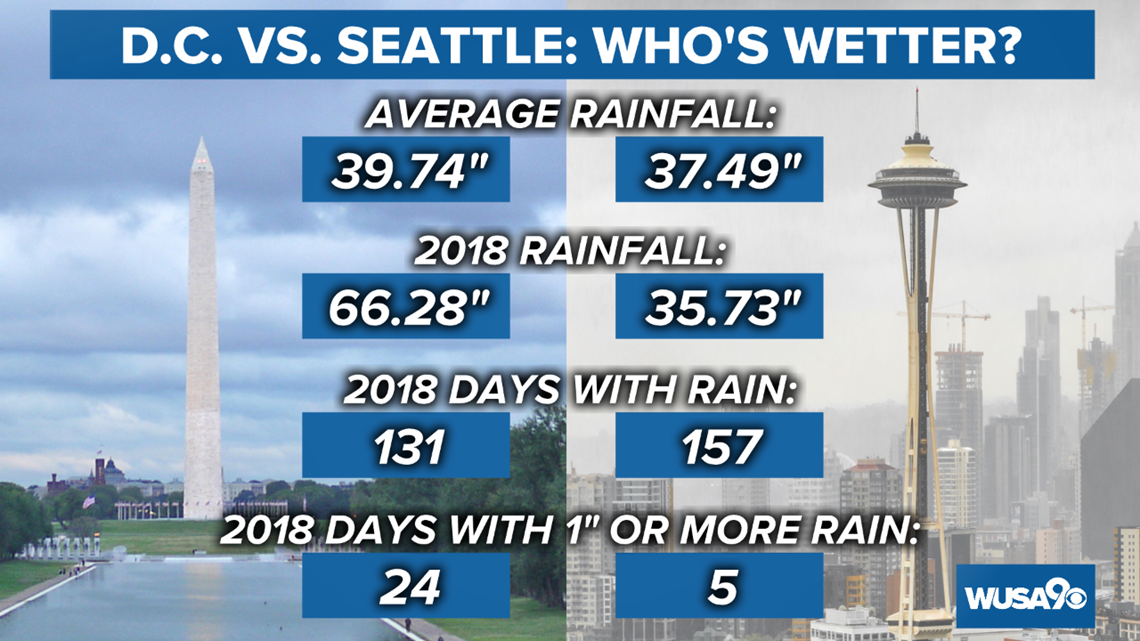
Let’s look at the actual data to put things into perspective. According to historical weather records from the National Weather Service, Seattle averages around 152 days per year with measurable precipitation (defined as 0.01 inches or more). This number indeed seems high, reinforcing the city’s wet reputation. For comparison, Miami averages about 135 rainy days, and New York City sees around 120.
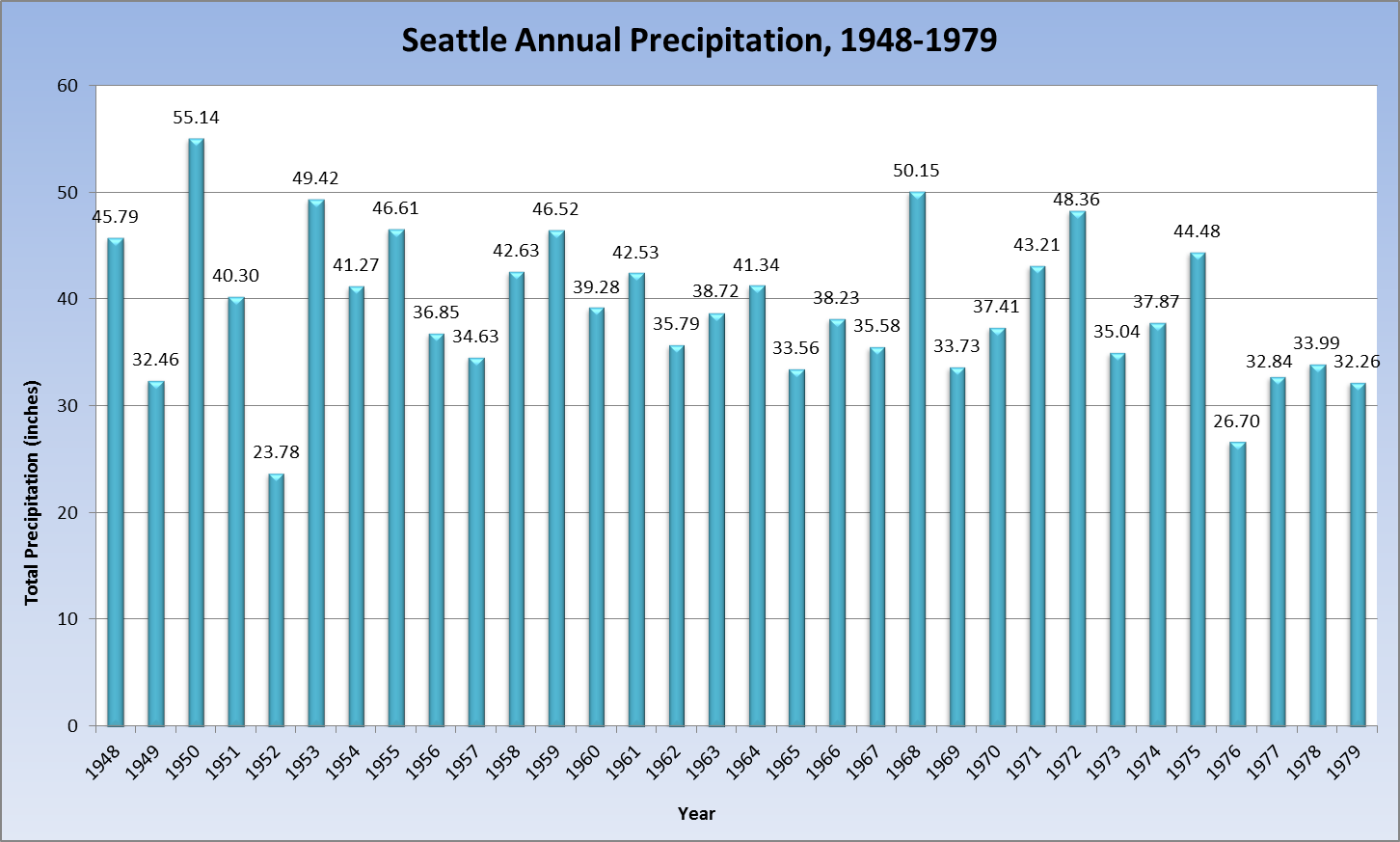
However, the crucial point lies in the total annual rainfall. Seattle receives approximately 38-40 inches (965-1016 mm) of rain annually. While this is certainly a significant amount, it’s notably less than many other major U.S. cities. For instance, Atlanta averages over 50 inches, Boston around 44 inches, and New Orleans a staggering 62 inches. Even a seemingly drier city like Houston gets more annual rainfall than Seattle, averaging around 53 inches.
What these statistics reveal is that while Seattle certainly has its fair share of “rainy days,” the total volume of rain is not as extreme as widely perceived. The perception of constant rain stems from the frequency of light precipitation, which often lasts for extended periods, rather than from heavy, intense downpours. This understanding fundamentally shifts how one should prepare for and experience a visit to the Emerald City.
Seasonal Showers: When to Expect Rain in Seattle
Understanding Seattle’s rainfall isn’t just about the average number of days; it’s also about knowing when those rainy days typically occur. The city experiences distinct seasonal weather patterns, with some months being considerably wetter than others, and a surprisingly dry and sunny period that often catches first-time visitors off guard.
Autumn and Winter: The Wettest Months
The period from October through March or April constitutes Seattle’s wet season. During these months, the city is frequently under the influence of low-pressure systems moving in from the Pacific Ocean, bringing consistent cloud cover and a higher likelihood of precipitation. November, December, and January are typically the wettest months, both in terms of the number of rainy days and total accumulation.
During autumn, the air becomes crisper, and the vibrant fall foliage is often accompanied by increasing rainfall. Winter in Seattle is characterized by mild temperatures, rarely dipping far below freezing, and a persistent, often gentle rain or drizzle. Snowfall is relatively rare in the city center, though higher elevations in the nearby mountains receive ample snow, making for excellent winter sports opportunities. Visitors during these months should absolutely pack layers, a high-quality waterproof jacket (with a hood!), and waterproof shoes. An umbrella can be useful for brief walks, but the characteristic drizzle often makes a good hood more practical. This is a time for cozy indoor activities, warm beverages, and embracing the city’s hygge-like atmosphere.
Spring and Summer: Surprisingly Dry and Sunny
Perhaps the most surprising revelation for those unfamiliar with Seattle’s climate is its glorious, often dry and sunny summers. From July through September, Seattle transforms into a sun-drenched paradise, boasting some of the most pleasant weather in the entire United States. These months see significantly fewer rainy days and abundant sunshine, with comfortable temperatures that are ideal for outdoor activities, from hiking and biking to enjoying waterfront parks and dining al fresco.
June can sometimes be a transitional month, locally referred to as “Juneuary” due to its occasional tendency to extend the rainy season, but by July, the dry pattern firmly establishes itself. This summer period is when [Seattle](https://lifeoutofthebox.com/seattle] truly shines, offering breathtaking views of Mount Rainier, vibrant festivals, and endless opportunities to explore the region’s natural beauty without the constant threat of rain. Spring, from April to June, offers a mix of weather, with increasing sunny days interspersed with occasional showers. It’s a beautiful time as the city bursts into bloom, but visitors should still be prepared for a bit of everything. Planning a summer trip to Seattle guarantees a much different, and often dryer, experience than visiting during the wetter winter months.
Embracing the Rain: Seattle’s Best Indoor Experiences
Given the frequency of light rain, especially outside of summer, Seattle has mastered the art of indoor entertainment and coziness. The city offers a plethora of attractions and activities that are perfectly suited for a drizzly day, transforming potential weather setbacks into opportunities for unique cultural and culinary experiences. Far from being a reason to stay indoors and lament the weather, [Seattle](https://lifeoutofthebox.com/seattle]’s indoor scene invites exploration and enjoyment.
Iconic Indoor Attractions
Seattle’s landmarks extend far beyond the outdoor vistas, offering world-class museums, markets, and cultural institutions perfect for a rainy day.
- Pike Place Market: More than just a fish-throwing spectacle, Pike Place Market is a bustling hub of activity, largely covered and ideal for exploring on a damp day. Wander through stalls filled with fresh produce, local crafts, artisan foods, and unique boutiques. Grab a coffee at the original Starbucks store, sample delicious cheeses, or simply soak in the vibrant atmosphere.
- Museum of Pop Culture (MoPOP): Located at the Seattle Center, MoPOP is an architectural marvel and a fantastic escape. It celebrates contemporary pop culture with exhibits on music, science fiction, fantasy, video games, and more. It’s an engaging experience for all ages.
- Chihuly Garden and Glass: Adjacent to the iconic Space Needle at Seattle Center, this mesmerizing exhibition showcases the breathtaking glass art of Dale Chihuly. The indoor galleries are stunning, and even the glasshouse offers a beautiful, sheltered experience.
- Seattle Art Museum (SAM): For art enthusiasts, SAM offers a diverse collection ranging from Native American art to contemporary works, ensuring hours of exploration and appreciation.
- Pacific Science Center: A fantastic option for families, the Pacific Science Center at Seattle Center features interactive exhibits, an IMAX theater, and a planetarium, providing engaging educational entertainment.
- Future of Flight Aviation Center & Boeing Tour: Located in Everett, a short drive north of Seattle, this attraction offers an incredible look into the history and future of aviation, culminating in a tour of the Boeing factory, the world’s largest building by volume. It’s an excellent full-day excursion.
Culinary Delights and Cozy Cafes
Seattle’s vibrant culinary scene truly shines on a rainy day. The city is a paradise for foodies, offering everything from fresh seafood to innovative farm-to-table dining, all complemented by its legendary coffee culture.
Embrace the morning drizzle with a visit to one of Seattle’s countless independent coffee shops. Beyond Starbucks, discover local favorites like Storyville Coffee or Victrola Coffee Roasters for a perfectly brewed cup. Explore neighborhoods like Capitol Hill, Fremont, or Ballard, each offering a unique array of cafes, bakeries, and restaurants. Fremont and Ballard are particularly known for their craft breweries and cideries, which often feature cozy taprooms perfect for escaping the elements.
For lunch or dinner, indulge in Seattle’s renowned seafood. Many restaurants offer fresh oysters, clam chowder, and salmon dishes that are perfect comfort food on a cool day. Consider a leisurely meal at a restaurant with large windows, allowing you to watch the rain outside while staying warm and dry within. The city’s diverse culinary landscape also includes fantastic Asian cuisine, particularly in the International District, and a thriving farm-to-table movement that highlights the region’s produce. A rainy day in Seattle is an invitation to slow down, savor a delicious meal, and enjoy the rich indoor offerings that define the city’s unique charm.
Planning Your Rainy Day Retreat: Accommodation and Travel Tips
Successfully navigating Seattle’s weather, especially during the wetter months, hinges on smart planning and packing. Beyond choosing the right activities, selecting appropriate accommodation and adopting a few local travel tips can significantly enhance your experience, ensuring comfort and enjoyment regardless of the skies.
Choosing the Right Stay
Your choice of accommodation can greatly influence your perception of Seattle, especially if you encounter a stretch of rainy days. Look for hotels and resorts that offer excellent indoor amenities, transforming a potentially gloomy day into an opportunity for relaxation and indulgence.
- Luxury and Boutique Hotels: Properties like the Four Seasons Hotel Seattle or the historic Fairmont Olympic Hotel in downtown Seattle boast luxurious spas, indoor pools, fine dining restaurants, and elegant lounges. These establishments provide a comfortable sanctuary from the rain, allowing guests to enjoy upscale amenities and impeccable service. Boutique options like Hotel Sorrento or The Edgewater Hotel offer unique charm, often with cozy libraries, fireplaces, and intimate dining experiences.
- Hotels with Good Dining Options: If you prefer to stay in, selecting a hotel with an excellent in-house restaurant or room service can be a game-changer. This minimizes the need to venture out in less-than-ideal weather for meals.
- Location, Location, Location: Consider staying downtown or near the Seattle Center for easy access to many indoor attractions via short walks or public transport. Alternatively, choosing accommodation in a vibrant neighborhood like Capitol Hill or South Lake Union might offer a more local experience with numerous cafes and shops within close proximity.
- Vacation Rentals: For longer stays or families, an apartment or villa booked through services like Airbnb or VRBO can provide the comforts of home, including a full kitchen and living space, making rainy days feel more like a cozy retreat than a missed opportunity.
Practical Tips for Visiting Seattle
Preparing for Seattle’s weather is less about fearing the rain and more about being ready for it. Here are some essential tips for a smooth and enjoyable visit:
- Pack Smart: A high-quality, waterproof and windproof jacket with a hood is your best friend. Layers are crucial, as temperatures can vary, and buildings are often well-heated. Waterproof shoes or boots are highly recommended to keep your feet dry and comfortable. While an umbrella can be handy, locals often opt for a good hood as the light drizzle or wind can make umbrellas cumbersome.
- Embrace Public Transportation: Seattle has an efficient public transport system, including the Link Light Rail and extensive bus routes. This is invaluable on a rainy day, allowing you to move between attractions without getting too wet. The Seattle Streetcar also connects various neighborhoods.
- Book Ahead: Especially for popular indoor attractions like MoPOP, Chihuly Garden and Glass, or the Boeing Tour, booking tickets online in advance can save you time waiting in lines, which is particularly welcome on a wet day.
- Consider a Seattle CityPASS: If you plan to visit multiple major attractions such as the Space Needle, Seattle Aquarium, and MoPOP, a CityPASS can offer significant savings and streamline your entry.
- Day Trips: Even on a rainy day in Seattle, the surrounding region offers diverse experiences. Consider a ferry trip to the nearby San Juan Islands (check weather forecasts, as they can differ) or a drive to the dramatic landscapes of the Olympic Peninsula, where rainforests thrive in the abundant moisture.
- Cultivate a “Hygge” Mindset: Adopt the Scandinavian concept of “hygge” – creating a cozy and comfortable atmosphere that fosters well-being. Seattle’s rainy days are perfect for enjoying good company, warm drinks, engaging books, or simply relaxing in a comfortable setting.
In conclusion, the question of “How many days does it rain in Seattle?” reveals a city that, while frequently experiencing precipitation, is far from perpetually drenched. The truth is in the drizzle, the seasonal variations, and the vibrant indoor life that has evolved in response to its unique climate. Don’t let the reputation deter you; with the right preparation and mindset, [Seattle](https://lifeoutofthebox.com/seattle] promises an unforgettable experience, rain or shine. Embrace the mist, explore its cozy corners, and discover why this Emerald City shines so brightly, even on the grayest of days.
LifeOutOfTheBox is a participant in the Amazon Services LLC Associates Program, an affiliate advertising program designed to provide a means for sites to earn advertising fees by advertising and linking to Amazon.com. Amazon, the Amazon logo, AmazonSupply, and the AmazonSupply logo are trademarks of Amazon.com, Inc. or its affiliates. As an Amazon Associate we earn affiliate commissions from qualifying purchases.