
Alaska, often called “The Last Frontier,” is a land of unparalleled natural beauty and extreme seasonal contrasts, particularly when it comes to daylight hours. The question of “how many days is Alaska dark” isn’t straightforward, as it varies dramatically depending on the specific location within the state and the time of year. Understanding these unique light cycles is key to planning an unforgettable Alaskan adventure, whether you’re chasing the Northern Lights or reveling in the midnight sun.
Understanding Alaska’s Unique Light Cycles
The perception of darkness in Alaska is a profound experience, deeply influenced by the Earth’s axial tilt and its orbit around the sun. This astronomical reality creates a spectrum of light conditions that range from perpetual daylight to extended periods of twilight and true darkness, making Alaska a fascinating destination for those seeking to understand celestial mechanics firsthand.
The Science Behind the Extremes
The primary driver behind Alaska’s dramatic light variations is the Earth’s axial tilt of approximately 23.5 degrees relative to its orbital plane. As our planet circles the sun, the Northern Hemisphere tilts towards the sun in summer, resulting in longer days, and away from it in winter, leading to shorter days. Because a significant portion of Alaska lies above the Arctic Circle (66.5 degrees North latitude), these effects are amplified to the extreme. Areas north of the Arctic Circle experience at least one day of 24-hour daylight during the summer solstice and at least one day of 24-hour darkness (known as polar night) during the winter solstice. The further north one travels, the longer these periods of continuous light or dark become. For example, Utqiaġvik (formerly Barrow), the northernmost city in the United States, experiences about 65 days of continuous darkness in winter and 82 days of continuous daylight in summer.
Defining “Darkness”
When discussing “darkness” in Alaska, it’s crucial to differentiate between various stages of twilight and true astronomical darkness.
- Astronomical Darkness: This is when the sun is more than 18 degrees below the horizon, and the sky is truly black, allowing for the best stargazing and Northern Lights viewing.
- Nautical Twilight: The sun is 6 to 12 degrees below the horizon. The horizon is often visible, and outlines of objects can be seen.
- Civil Twilight: The sun is 0 to 6 degrees below the horizon. This is often what people consider “dawn” or “dusk,” when there’s enough natural light for outdoor activities without artificial illumination.
Below the Arctic Circle, cities like Anchorage and Juneau never experience 24-hour astronomical darkness or full daylight. Instead, even on the shortest winter days, they experience some degree of civil twilight, meaning the sky will lighten to some extent around midday, even if only for a few hours. This is why many refer to winter in southern Alaska as having “short days” rather than complete darkness.
Seasonal Variations Across the Last Frontier
The vast expanse of Alaska, stretching from the relatively temperate Gulf of Alaska coastline to the frigid Arctic Ocean, experiences a remarkable range of daylight hours throughout the year. These seasonal shifts dictate everything from wildlife behavior to human activity, profoundly impacting the visitor experience.
Winter Solstice: The Peak of Darkness
The winter solstice, typically around December 21st, marks the shortest day of the year in the Northern Hemisphere. In Alaska, this means significantly truncated daylight hours, or in some northern regions, the complete absence of the sun above the horizon.
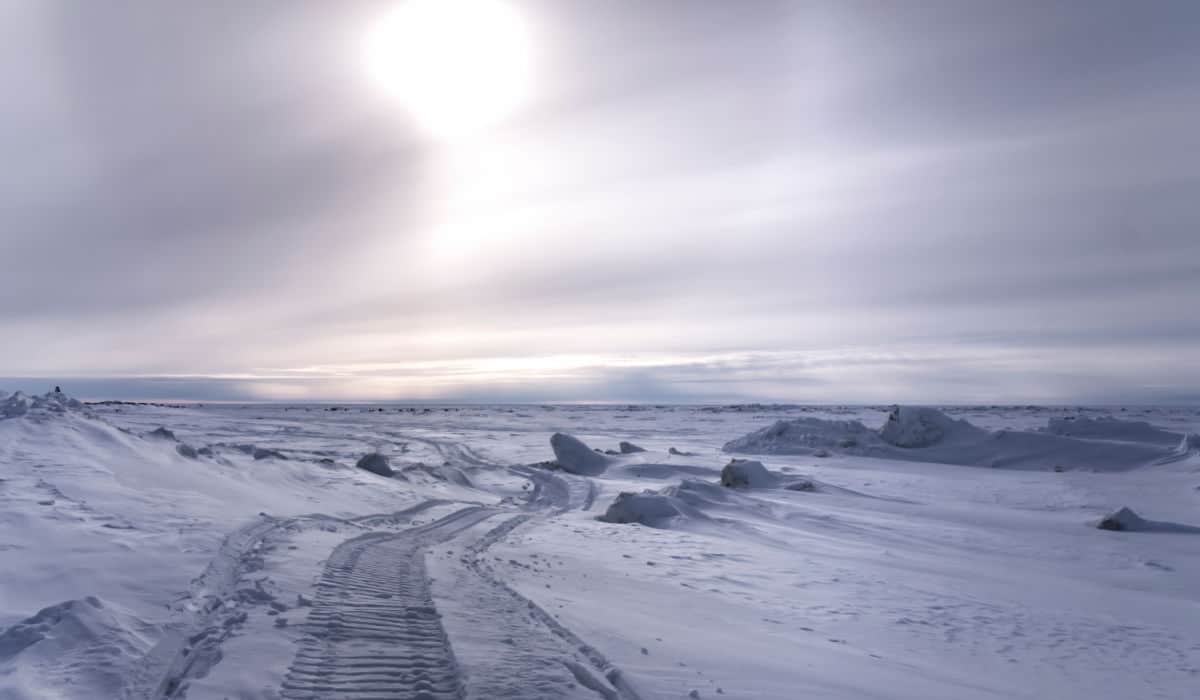
- North of the Arctic Circle: Communities like Utqiaġvik (formerly Barrow) begin their polar night well before the solstice. In Utqiaġvik, the sun sets in mid-November and does not officially rise again until late January, resulting in approximately 65 days of continuous astronomical darkness. During this period, the sky might lighten to a deep twilight around noon for a few hours, but the sun never breaches the horizon.
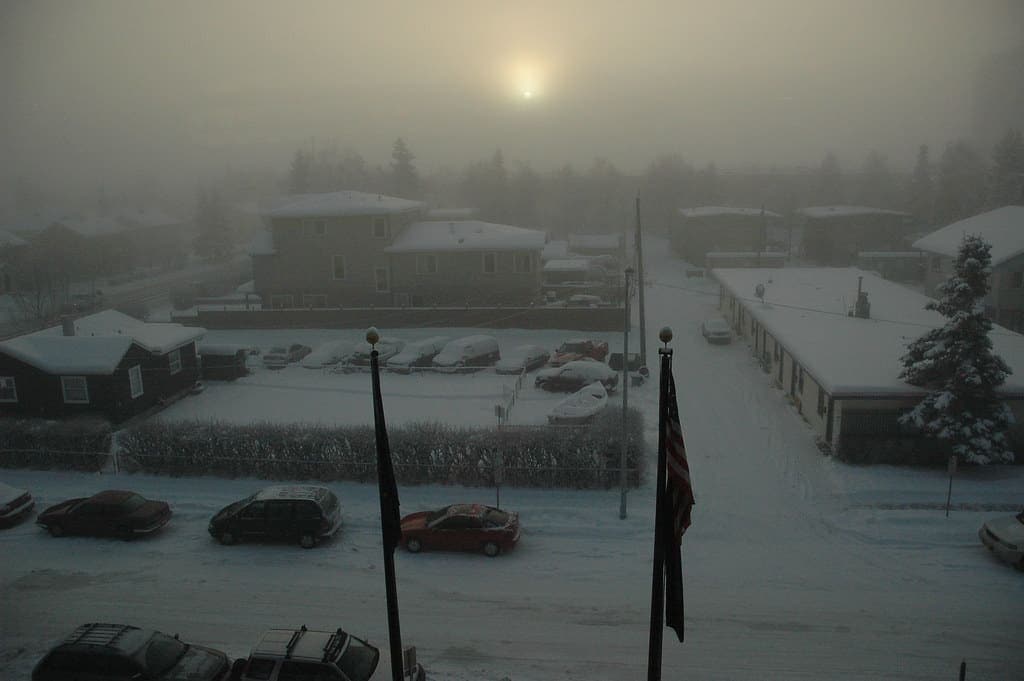
- Interior Alaska: Cities like Fairbanks, located just south of the Arctic Circle, experience extremely short days around the solstice. On December 21st, Fairbanks might see less than four hours of direct sunlight, with much of the rest of the “day” being various stages of civil and nautical twilight. This creates an ethereal, prolonged dusk and dawn.
- Southcentral and Southeast Alaska: Even Anchorage and Juneau, much further south, experience considerably short days. Anchorage will have about 5.5 hours of daylight, while Juneau gets closer to 6.5 hours. While these aren’t “darkness” in the polar night sense, the limited daylight significantly shapes daily life and outdoor activities.
Spring and Fall Equinoxes: Balancing Light and Dark
The spring (around March 20th) and fall (around September 22nd) equinoxes represent transitional periods where daylight and darkness are roughly equal across the globe, including in Alaska. These seasons offer a more “normal” experience of sunrise and sunset, appealing to travelers who prefer a balance. The rapid increase in daylight in spring and the swift decline in fall are particularly noticeable in Alaska, with many minutes of light added or lost each day. These shoulder seasons can be excellent for those who want to experience both crisp winter-like conditions and extended daylight for activities, often with fewer crowds.
Summer Solstice: The Midnight Sun
The antithesis of winter’s darkness is the summer solstice, around June 21st, when the Northern Hemisphere tilts most directly towards the sun. In Alaska, this brings the famous “Midnight Sun.”
- North of the Arctic Circle: Utqiaġvik experiences approximately 82 days of continuous daylight, where the sun never sets.
- Interior Alaska: Fairbanks enjoys nearly 24 hours of usable daylight. While the sun technically dips below the horizon for a short time, it remains civil twilight, so it never truly gets dark. This allows for late-night hiking, golfing, or simply marveling at the persistent glow.
- Southcentral and Southeast Alaska: Anchorage boasts around 19 hours of direct daylight, with only a few hours of twilight, making it feel like constant day. Juneau has similar extended hours. This phenomenon allows for endless exploration and activity, though it can sometimes disrupt sleep patterns for those unaccustomed to it.
Experiencing Winter in Alaska: Beyond the Darkness
While the idea of limited daylight might seem daunting, winter in Alaska is far from a time of gloom. It’s a season of breathtaking beauty, unique phenomena, and a vibrant culture that thrives amidst the snow and extended nights. For many, the winter months, paradoxically, are the most appealing time to visit.
The Allure of the Aurora Borealis
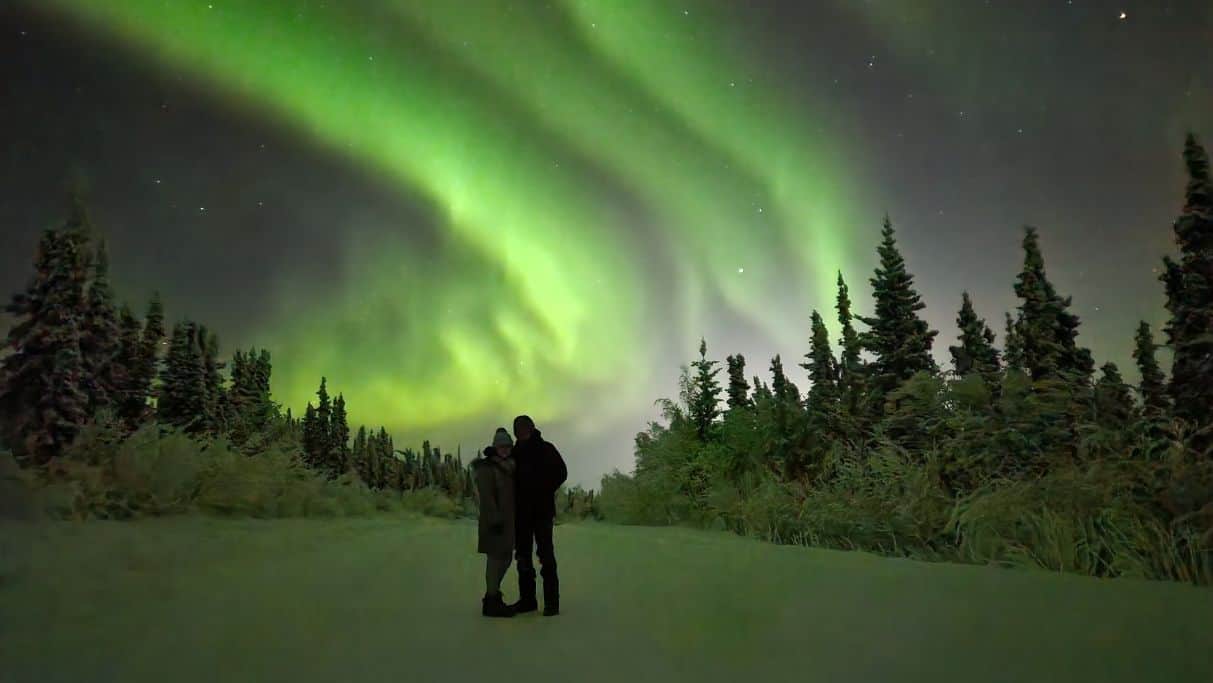
The primary draw for many winter travelers to Alaska is the opportunity to witness the Northern Lights (Aurora Borealis). The long, dark nights of winter provide the ideal canvas for this spectacular celestial dance. Fairbanks, situated beneath the “aurora oval,” is widely considered one of the best places in the world to see them, with aurora viewing opportunities occurring on average 240 nights a year. Other excellent viewing locations include communities in the Alaskan Range or even parts of Anchorage and the Kenai Fjords National Park on clear nights away from city lights. Guided tours, aurora lodges, and even igloos designed for viewing are popular options for maximizing your chances. The best time for aurora viewing is typically from late August to April, when the nights are long and dark enough.
Winter Activities and Festivals
The winter darkness and abundant snow transform Alaska into a playground for cold-weather enthusiasts.
- Dog Sledding: Experience the state sport by taking a ride with a team of huskies, or even learn to mush. The famous Iditarod Trail Sled Dog Race begins in Anchorage every March.
- Skiing and Snowboarding: Resorts like Alyeska Resort near Girdwood offer excellent downhill skiing, while vast trail networks around Fairbanks and Anchorage are perfect for cross-country skiing and snowshoeing.
- Ice Sculpting: The World Ice Art Championships in Fairbanks showcase incredible artistry carved from ice, often illuminated to stunning effect against the dark sky.
- Winter Festivals: Cities host various events, such as the Anchorage Fur Rendezvous (locally known as “Rondy”), a celebration of winter sports, culture, and Alaska’s pioneering spirit.
These activities are often enjoyed under twilight skies or illuminated by artificial lights, creating a magical atmosphere.
Navigating Shorter Days
For travelers venturing to Alaska during the darker months, a few tips can enhance the experience:
- Embrace the Light: Even limited daylight can be beautiful, with prolonged sunrises and sunsets painting the sky with vibrant colors. Plan outdoor activities around these precious hours.
- Layer Up: Temperatures can be extremely cold, especially inland. Proper thermal wear, waterproof outer layers, and insulated boots are essential.
- Vitamin D: Consider bringing vitamin D supplements, as natural sunlight exposure will be minimal.
- Mind Your Mood: Some individuals can be affected by reduced light. Plan for cozy evenings, enjoy local cuisine, and participate in indoor activities or evening events.
- Headlamps and Reflectors: These are crucial for safety when walking outdoors in dim conditions.
Choosing Your Alaskan Adventure Based on Light
Deciding when to visit Alaska largely depends on what you wish to experience. The state’s unique light cycles define its seasons and the activities available, making it crucial to align your trip with your desired outcomes.
For Northern Lights Chasers
If seeing the Aurora Borealis is at the top of your bucket list, planning your trip during the period of extended darkness is paramount. The best time for Northern Lights viewing is typically from late August through April. The further north you go, and the closer to the winter solstice, the longer the dark hours and thus the greater the potential viewing window each night. Locations like Fairbanks or even the town of North Pole are prime viewing spots due to their latitude and typically clear, cold winter skies. Many specialized aurora tours operate during these months, offering comfortable viewing locations away from city lights.
For Wildlife Viewers and Hikers
Conversely, if your dream Alaskan adventure involves extensive hiking, kayaking, fishing, or wildlife viewing (such as bears, moose, or caribou), the summer months are ideal. From late May to early September, the long daylight hours (and the midnight sun phenomena) provide ample time for exploration. Parks like Denali National Park and Preserve are fully accessible, and migratory birds return, making it a vibrant time for nature enthusiasts. The extended daylight means you can hike later into the evening, maximizing your time outdoors and increasing your chances of spotting diverse wildlife across the vast landscapes from the Aleutian Islands to the Bering Sea.
The Shoulder Seasons
The shoulder seasons—spring (April-May) and fall (September-October)—offer a unique compromise. In spring, you’ll witness the gradual return of daylight, melting snows, and awakening wildlife, often with fewer crowds and potentially lower prices. Fall brings stunning foliage, crisp air, and nights long enough for aurora viewing, but still with pleasant daytime temperatures and sufficient light for many outdoor activities. These seasons provide a balanced experience, allowing visitors to enjoy aspects of both the bright summer and the dark winter, catering to a broader range of interests and offering a quieter, more reflective perspective on Alaska’s profound natural rhythms.
LifeOutOfTheBox is a participant in the Amazon Services LLC Associates Program, an affiliate advertising program designed to provide a means for sites to earn advertising fees by advertising and linking to Amazon.com. Amazon, the Amazon logo, AmazonSupply, and the AmazonSupply logo are trademarks of Amazon.com, Inc. or its affiliates. As an Amazon Associate we earn affiliate commissions from qualifying purchases.