
Alaska, the United States‘ largest and most northerly state, captivates the imagination with its vast wilderness, stunning natural beauty, and extreme climatic phenomena. Among its most distinctive characteristics is the dramatic fluctuation of daylight hours throughout the year, culminating in periods of profound twilight and near-darkness during the winter months. This unique aspect of Alaska often sparks curiosity among travelers: exactly how many days of darkness can one expect in this remote frontier, and what does it truly mean for a travel experience?
The concept of “darkness” in Alaska is more nuanced than a simple flip of a switch. It’s a gradient, influenced by latitude, time of year, and the scientific definition of light itself. Far from being a deterrent, this extended period of low light offers a distinct and often breathtaking travel experience, revealing a different facet of the Alaskan landscape and its resilient communities. Understanding the intricacies of Alaska’s light cycles is key to planning an unforgettable journey to this land of extremes.
Understanding Alaska’s Unique Light Cycle
The extreme light patterns in Alaska are a direct consequence of its position on the globe. Located at high latitudes, much of the state lies within or near the Arctic Circle, which dictates the dramatic shifts between prolonged daylight in summer and extended periods of dim light or darkness in winter. This phenomenon is central to the Alaskan experience, shaping everything from wildlife behavior to human daily routines.
The Science Behind Polar Night and Midnight Sun
The Earth’s axial tilt—approximately 23.5 degrees relative to its orbit around the sun—is the fundamental reason for seasonal changes and the unique light conditions at the poles. During the northern hemisphere’s winter, the Arctic Circle tilts away from the sun. This tilt means that for areas north of the Arctic Circle, the sun never rises above the horizon for a certain period, resulting in what is known as “polar night.” Conversely, in summer, the tilt towards the sun creates the “midnight sun,” where the sun never fully sets.
For travelers, this means a drastically different rhythm of light. While the summer months bring endless days perfect for hiking and exploring under perpetual daylight, winter introduces a period where daylight is scarce, often reduced to a few hours of civil twilight or, in the most extreme northern regions, no direct sunlight at all for weeks or even months. This isn’t absolute pitch blackness, but rather a prolonged state of deep twilight, where the sky exhibits incredible hues of blues, purples, and sometimes even a brief hint of orange on the southern horizon.
Latitudinal Variations: Not All of Alaska is Equal
It’s crucial to understand that “darkness” in Alaska is not a monolithic experience across the entire state. The duration and intensity of the low-light period vary significantly with latitude. The further north one travels, the more pronounced and longer the period of limited daylight becomes.
For example, cities in Southcentral Alaska, such as Anchorage, while experiencing very short winter days (around 5-6 hours of daylight around the winter solstice), will always see the sun rise above the horizon. In contrast, locations directly on or north of the Arctic Circle experience true polar night, where the sun does not appear for weeks or months. This geographical difference is vital for travelers to consider when planning their winter itinerary, as it directly impacts the types of experiences available and the visual character of the landscape.
Defining “Darkness”: Astronomical vs. Civil Twilight
When discussing “days of darkness,” it’s important to clarify what “darkness” truly means in an astronomical sense, as opposed to common perception. There are three main types of twilight that define the progression from day to night:
- Civil Twilight: This is the brightest form of twilight, occurring when the sun is less than 6 degrees below the horizon. During civil twilight, there is enough natural light to discern objects without artificial illumination, making outdoor activities generally possible. For many Alaskans, this is what constitutes their “daylight” during the deepest parts of winter.
- Nautical Twilight: When the sun is between 6 and 12 degrees below the horizon. At this point, the horizon is no longer distinguishable, but general outlines of objects can still be seen. Stars become visible.
- Astronomical Twilight: When the sun is between 12 and 18 degrees below the horizon. The sky is dark enough for astronomical observations, but a faint glow from the sun might still be detectable. True “darkness” or “night” occurs when the sun is more than 18 degrees below the horizon.
In the northernmost parts of Alaska, during polar night, the sun may not rise above the horizon for months. However, this often means weeks of continuous civil twilight, not absolute pitch-black night. The skies can still be surprisingly bright, especially if there’s snow cover reflecting the available light. It is a persistent, ethereal glow rather than oppressive gloom.
Regions of Perpetual Twilight: Where and When
The experience of continuous twilight or polar night is a defining feature of winter travel to specific regions of Alaska. Understanding which areas are most affected, and for how long, is crucial for travelers seeking to immerse themselves in this unique natural phenomenon.
The Extreme North: Utqiaġvik and the Arctic Slope
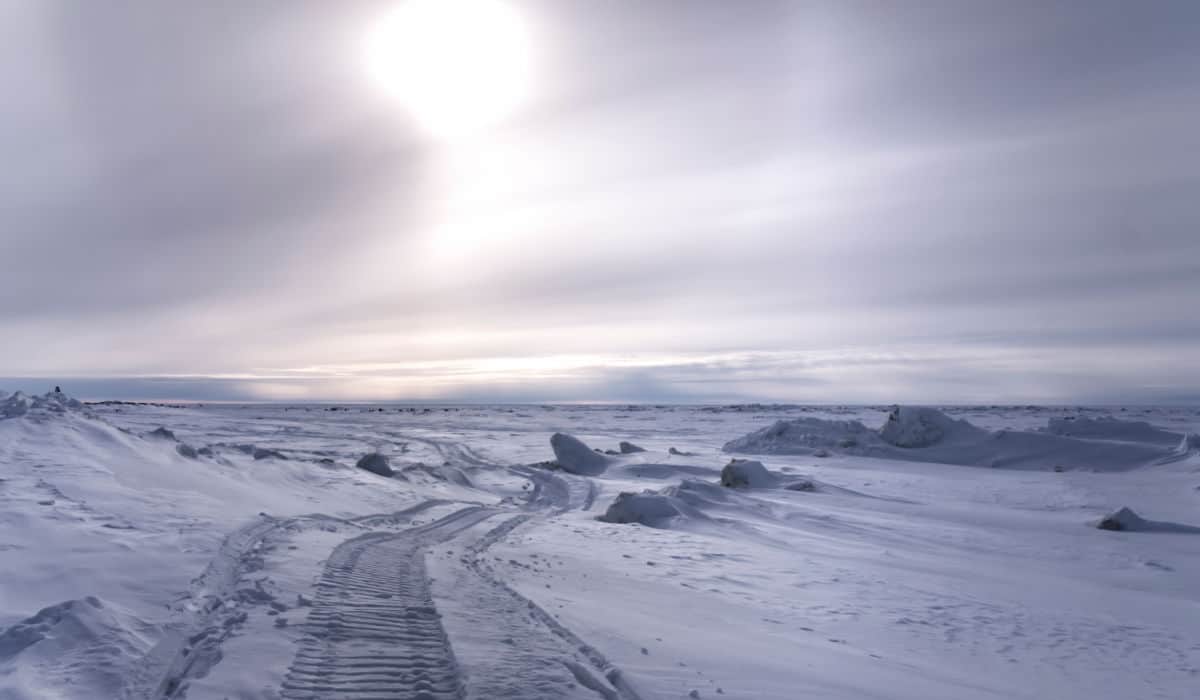
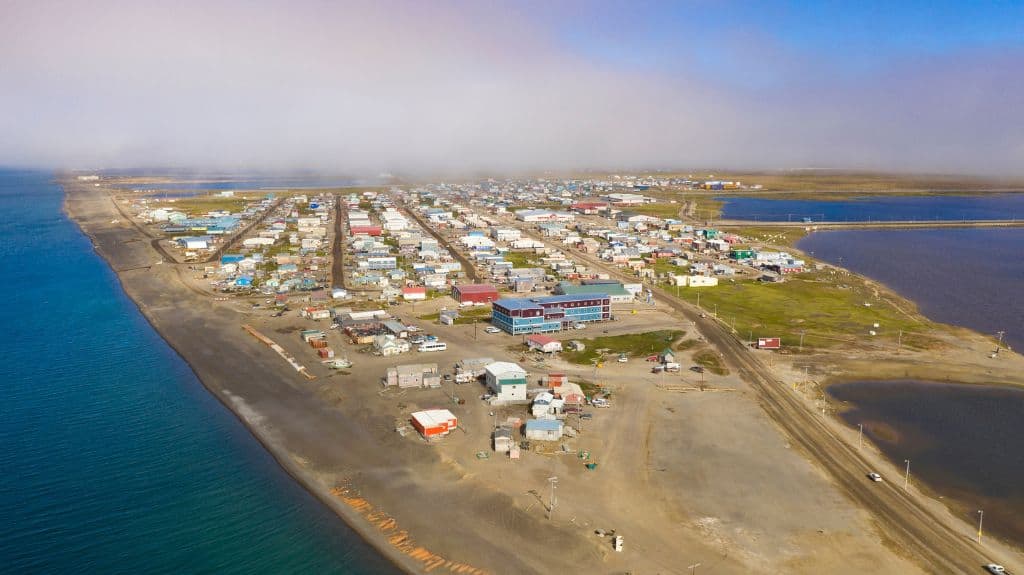
The most famous example of polar night in Alaska is found in Utqiaġvik (formerly Barrow), the northernmost city in the United States. Located at 71.29°N latitude, well above the Arctic Circle, Utqiaġvik experiences approximately 65 days of polar night. The sun typically sets for the last time around November 18th or 19th and does not rise again until around January 22nd or 23rd. During this period, the community lives under a prolonged civil twilight, with a few hours of ambient light at midday, often bathed in surreal blue and purple hues. This is the closest Alaska comes to continuous “darkness,” though the term still needs to be qualified by the twilight definition. Other communities on the Arctic Slope also experience similar, though perhaps slightly shorter, periods of polar night.
Travelers to Utqiaġvik during this time are treated to a truly unique Arctic experience, from witnessing the sun’s ‘return’ to observing the resilient lifestyle of the Iñupiat people. It is an experience that underscores the incredible adaptations required to thrive in such an extreme environment, offering profound insights into human resilience and the raw power of nature.
Interior Alaska: Fairbanks and Its Distinct Rhythms
Fairbanks, located just south of the Arctic Circle at approximately 64.8°N, offers a different experience. While it does not undergo polar night in the same way as Utqiaġvik, its winter days are remarkably short. Around the winter solstice (December 21st or 22nd), Fairbanks sees roughly 3 hours and 41 minutes of direct sunlight. The sun technically rises and sets each day, but its arc across the southern sky is very low, casting long shadows and producing a soft, prolonged twilight effect for much of the “day.”
This extended period of low light in Fairbanks is not considered “darkness” in the polar night sense, as the sun still makes an appearance. However, it significantly impacts the feeling and activities of the region. The relative lack of direct sunlight makes it an exceptional location for Northern Lights viewing, as the night sky dominates for most of the 24-hour cycle. The crisp air and snow-covered landscapes under this dim light create an incredibly serene and almost magical atmosphere.
Southcentral Alaska: Anchorage and the Illusion of Darkness
Further south, Anchorage (at 61.2°N) and other communities in Southcentral Alaska experience significantly less dramatic shifts. While winter days are short, they are comparable to those experienced in northern European countries or Canada. Around the winter solstice, Anchorage receives approximately 5 hours and 30 minutes of direct sunlight. The sun rises and sets daily, providing a clear distinction between day and night, albeit with very short days.
Travelers to Anchorage during winter will notice the early sunsets and late sunrises, but they will not experience anything close to “days of darkness.” Instead, they will find a vibrant city that embraces its winter, with plenty of daylight hours for skiing, ice skating, and exploring. The extended evening hours, however, provide ample opportunity for Northern Lights chasing, especially if one ventures outside the city lights. This region offers a milder introduction to Alaskan winter, combining stunning snowy landscapes with more manageable daylight hours.
Embracing the Alaskan Winter Experience
Far from being a drawback, the unique light conditions of an Alaskan winter transform the landscape and open up a distinct array of travel experiences. It’s an opportunity to see Alaska through a different lens, one bathed in soft light, vibrant auroras, and the quiet resilience of its inhabitants.
Outdoor Activities Under the Dim Light
The limited daylight hours of winter in Alaska do not halt outdoor pursuits; rather, they redefine them. Many activities that are popular in summer take on a magical quality under the low winter sun or twilight sky.
- Dog Sledding: Gliding through a snow-covered forest with a team of dogs, accompanied by the silence of the winter landscape and the ethereal glow of twilight, is an iconic Alaskan experience.
- Cross-Country Skiing and Snowshoeing: Trails are often well-maintained and lit in popular areas, allowing for peaceful exploration of the snowy wilderness. The quiet beauty of a frosted landscape under a deep blue sky is unparalleled.
- Ice Skating: Many communities maintain outdoor rinks or frozen lakes for skating, providing a quintessential winter activity, often with bonfires and warm drinks.
- Wildlife Viewing: Certain wildlife, such as moose and Dall sheep, are often more visible against the white snow. The low light can also create dramatic silhouettes for photographers.
These activities offer a profound connection with nature, emphasizing tranquility and the stark beauty of a frozen world. It’s an active engagement with the environment that goes beyond mere observation, becoming an immersive, sensory experience.
The Northern Lights: A Spectacle of the Dark Sky
One of the primary draws for winter travel to Alaska is the unparalleled opportunity to witness the Northern Lights, or Aurora Borealis. The prolonged periods of darkness, especially in interior and northern Alaska, create ideal conditions for viewing this celestial dance.
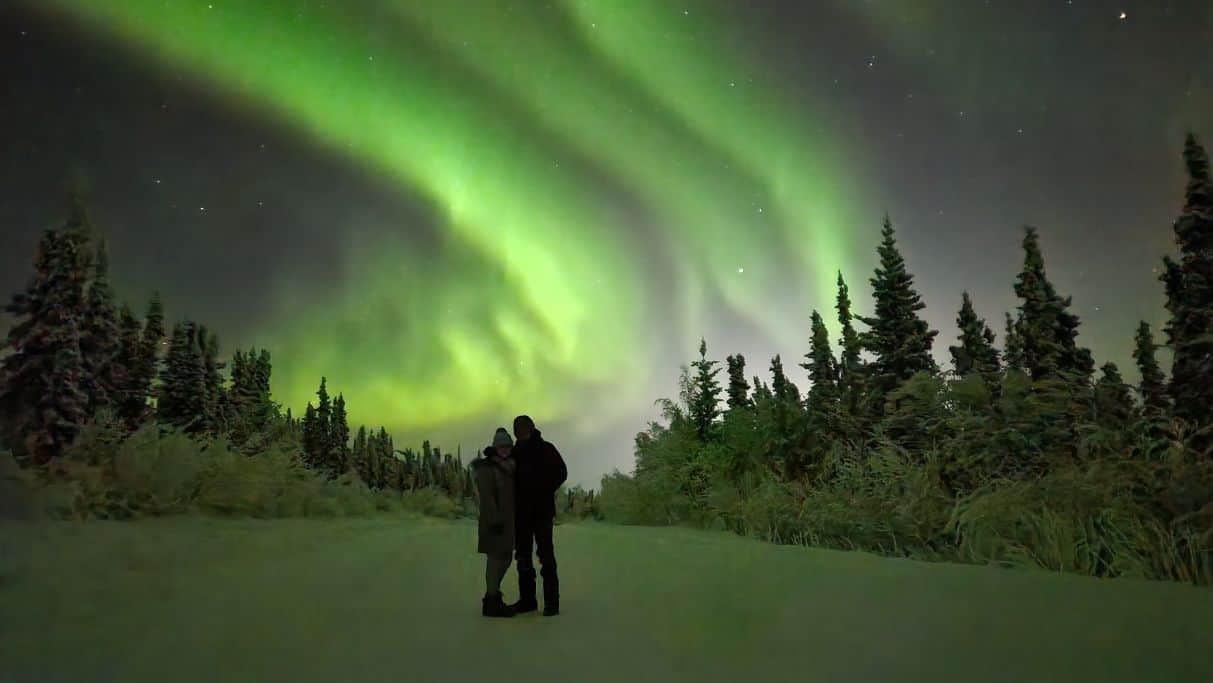
Fairbanks, situated beneath the “auroral oval” – a band around the magnetic north pole where aurora activity is most intense – is often considered one of the best places on Earth to see the Northern Lights. With clear, cold nights and minimal light pollution outside the city center, visitors have an excellent chance of witnessing the vibrant green, purple, and red ribbons shimmering across the dark sky. Specialized tours often take visitors to remote cabins or heated viewing areas, providing comfort while waiting for the elusive display. This experience is undeniably one of the most compelling reasons to embrace Alaska’s winter darkness.
Cultural Adaptations and Local Life
The unique light cycles have deeply influenced Alaskan culture and the daily lives of its residents. Communities, particularly in the far north, have developed remarkable resilience and innovative ways to thrive amidst the extended twilight. Travelers during winter can gain a profound appreciation for this adaptation.
Many indoor activities flourish during the darker months: festivals, art shows, sporting events, and community gatherings provide warmth and social connection. Visiting local museums, cultural centers, and small businesses offers insight into the history and spirit of Alaska. Engaging with locals provides firsthand stories of life with the midnight sun and polar night, offering a deeper understanding than any guidebook. The winter darkness fosters a sense of community and shared experience that is palpable and enriching for visitors.
Preparing for Your Alaskan Winter Journey
A trip to Alaska during its darker months requires thoughtful preparation, not only for the cold but also for the unique light conditions. Proper planning ensures comfort, safety, and the ability to fully appreciate the extraordinary beauty of this season.
Essential Gear and Clothing
The cold and potential for heavy snow are significant factors in Alaskan winters. Layering is key, starting with moisture-wicking base layers, insulating middle layers (fleece, down), and a waterproof/windproof outer shell. Essential items include:
- Insulated winter parka: Designed for sub-zero temperatures.
- Waterproof snow pants: To stay dry during outdoor activities.
- Warm, waterproof boots: With good traction, rated for extreme cold.
- Wool or synthetic socks: Multiple pairs for layering.
- Hats, gloves, and scarves: To protect exposed skin.
- Hand and foot warmers: Disposable packets can be lifesavers.
Beyond warmth, consider items that enhance the experience of low light:
- Headlamp: Essential for navigating in dark conditions, especially outside of urban areas.
- Camera gear: Tripod and remote shutter for Northern Lights photography.
- Polarized sunglasses: While it’s dark, glare from snow can still be intense on brighter days.
Managing Seasonal Affective Disorder (SAD)
For some individuals, extended periods of low light can contribute to Seasonal Affective Disorder (SAD). While many visitors find the Alaskan winter light captivating, it’s wise to be aware of potential effects.
- Light therapy lamps: Some travelers bring portable lamps or ensure their accommodation offers them.
- Vitamin D supplements: Often recommended for those in high latitudes.
- Maximize outdoor time: Even in twilight, exposure to natural light can be beneficial.
- Stay active and social: Engage in winter sports and community events.
- Consult a doctor: If you have a history of SAD, discussing your travel plans with a healthcare professional is advisable.
Being proactive about mental well-being ensures that the unique light conditions enhance, rather than detract from, your travel experience.
Best Time to Visit for Specific Experiences
The “best” time to visit Alaska in winter depends on your desired experience related to the light cycles:
- For Extreme Polar Night (Utqiaġvik): November to January offers the full polar night experience. Witnessing the sun’s return in late January is a celebrated event.
- For Best Northern Lights Viewing (Fairbanks and Interior): Late August through April are prime aurora seasons, with peak darkness from November to March. February and March often offer clearer skies and slightly longer “days” for other activities.
- For Winter Sports and Milder Darkness (Anchorage and Southcentral): December through March provides ample snow for skiing and other activities, with shorter days but always a visible sun.
Each period offers a distinct charm, tailored to different preferences for light, activity, and atmosphere.
Ultimately, the “days of darkness” in Alaska are not a period of gloom but an invitation to experience a profoundly different and incredibly beautiful side of this remarkable destination. It’s a journey into a land where light becomes precious, stars are plentiful, and the spirit of winter glows bright.
LifeOutOfTheBox is a participant in the Amazon Services LLC Associates Program, an affiliate advertising program designed to provide a means for sites to earn advertising fees by advertising and linking to Amazon.com. Amazon, the Amazon logo, AmazonSupply, and the AmazonSupply logo are trademarks of Amazon.com, Inc. or its affiliates. As an Amazon Associate we earn affiliate commissions from qualifying purchases.