
Northeastern Texas, a vibrant and diverse region spanning from the bustling Dallas and Fort Worth metroplex eastward towards the Louisiana and Arkansas borders, is renowned for its unique blend of Southern charm, rich history, and dynamic modern culture. When considering a trip to this part of the Lone Star State, one of the most pressing questions for travelers, especially those planning outdoor activities or seeking specific weather experiences, often revolves around the duration and intensity of its summer. While many might picture a sweltering, endless summer across all of Texas, the reality in the northeastern quadrant is a nuanced experience, offering a distinct rhythm of warmth that profoundly influences local life, tourism, and lifestyle choices. Understanding the true length and character of summer here is key to planning an unforgettable journey, whether you’re seeking sun-drenched adventures, cultural explorations, or simply a relaxing escape. This comprehensive guide will delve into what “summer” truly means for Northeastern Texas residents and visitors, detailing everything from its meteorological span to the best ways to embrace its extended warmth.
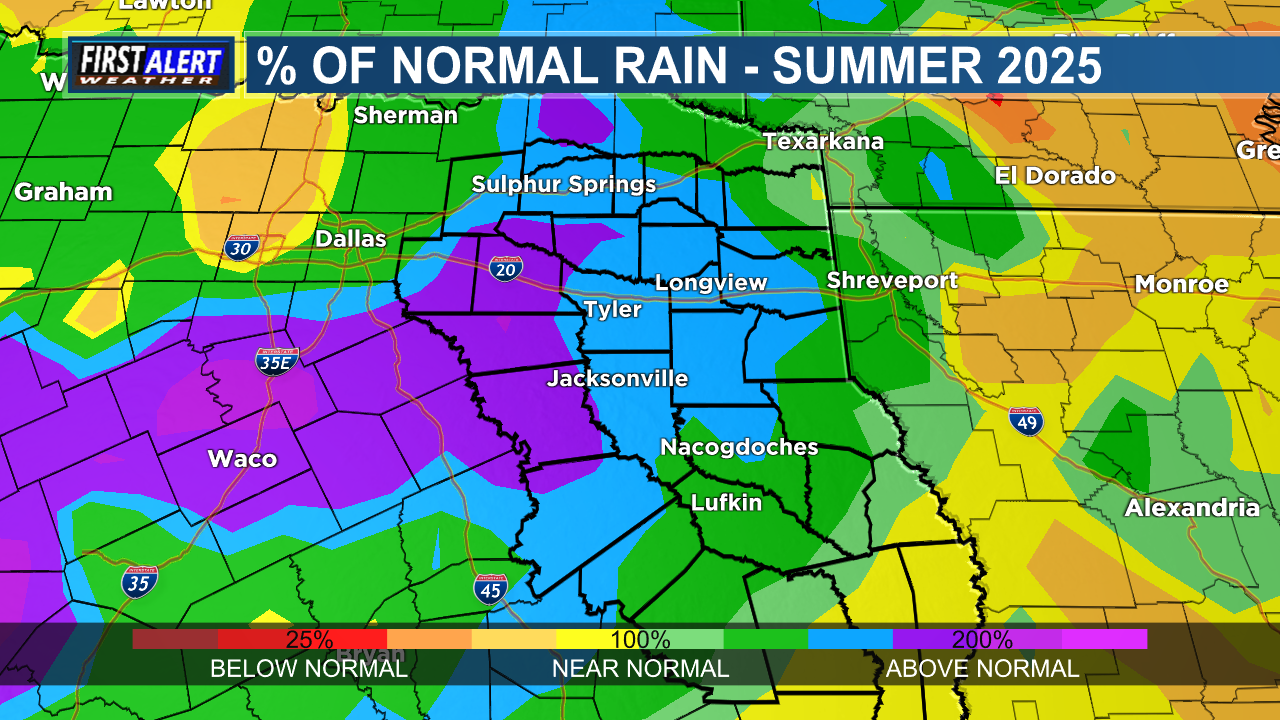
Decoding Summer in Northeastern Texas: More Than Just a Calendar Season
The concept of “summer” can be perceived in various ways, from the rigid definitions of meteorology and astronomy to the more subjective “feels like” experience. In Northeastern Texas, all these interpretations play a significant role in understanding the region’s warmest period, which often extends far beyond the traditional three-month window. This extended warmth dictates everything from local culture and outdoor activities to the preferred types of accommodation and travel itineraries.
Meteorological vs. Astronomical Summer: A Texas Perspective
Traditionally, astronomical summer is defined by the Earth’s position relative to the sun, beginning with the summer solstice around June 20th or 21st and concluding with the autumnal equinox around September 22nd or 23rd. This gives us approximately 93 days of summer. However, for practical purposes, especially concerning climate data and seasonal forecasting, meteorologists use a different classification. Meteorological summer typically encompasses the months of June, July, and August, representing the three warmest calendar months in the Northern Hemisphere. This neat 92-day period (or 93 in a leap year) provides a consistent basis for comparing seasons year-over-year.
In Northeastern Texas, while the meteorological definition provides a baseline, the felt summer often precedes and extends beyond these months. This region experiences a humid subtropical climate, characterized by hot, humid summers and generally mild winters. As a result, warm, summer-like conditions can frequently commence as early as late May and linger well into September, sometimes even touching the first few weeks of October before a noticeable crispness enters the air.
The “Feels Like” Summer: Heat, Humidity, and Sunshine
The true essence of summer in Northeastern Texas is best captured by the “feels like” experience. This encompasses not just high temperatures but also the pervasive humidity that characterizes the region. From June through August, average daytime temperatures typically range from the high 80s to mid-90s Fahrenheit (around 30-35°C), often exceeding 100°F (38°C) during heatwaves. Nighttime lows usually remain in the comfortable 70s F (low 20s C), offering little respite from the warmth.
What truly defines the Northeastern Texas summer, however, is the humidity. Originating from the Gulf of Mexico, this moisture elevates the heat index significantly, making 95°F feel closer to 105°F (40°C). This combination of heat and humidity means that summer activities need careful planning and consideration. Cities like Tyler, Longview, and Texarkana, situated further east, often experience slightly higher humidity levels compared to the drier western reaches of the DFW metroplex, though the difference is often marginal when the heat is peaking.

Therefore, while the meteorological summer officially lasts for roughly 92 days, the period where residents and visitors experience truly summer-like conditions—characterized by persistent heat and high humidity requiring air conditioning, access to water, and strategic planning—can easily span 120 to 150 days, from late May to late September or even early October. This extended period means that travel plans, accommodation choices, and daily routines are profoundly influenced by the season for nearly half the year.
Embracing the Extended Warmth: Summer Activities and Attractions in Northeastern Texas
With an extended summer dominating a significant portion of the year, Northeastern Texas has perfected the art of seasonal living and tourism. The region offers a plethora of activities and attractions designed to help visitors and locals alike enjoy the warmth, whether by cooling off, seeking indoor entertainment, or strategically exploring nature.
Water-Centric Escapes: Lakes, Rivers, and Water Parks
Given the pervasive heat, aquatic adventures are paramount during a Northeastern Texas summer. The region is dotted with numerous lakes, offering a refreshing reprieve and a wide range of recreational opportunities.
- Lake Texoma: Straddling the Texas-Oklahoma border, Lake Texoma is one of the largest reservoirs in the United States and a prime destination for fishing, boating, sailing, and swimming. Its extensive shoreline is home to numerous marinas, campgrounds, and resorts, making it a popular weekend getaway.
- Lake Fork: Famous as a premier bass fishing lake, Lake Fork attracts anglers from around the globe. While primarily known for fishing, its serene waters also offer opportunities for kayaking and enjoying the tranquil East Texas scenery.
- Lake Tawakoni: Located further south in Northeastern Texas, Lake Tawakoni State Park provides excellent facilities for camping, swimming, and nature observation, including the famous “spider web” phenomenon that sometimes appears in the fall.
- Water Parks: For guaranteed thrills and splashes, the region boasts several impressive water parks. Hurricane Harbor Arlington, adjacent to Six Flags Over Texas, offers an array of slides, wave pools, and lazy rivers perfect for a family day out. Smaller, local water parks and community pools also provide essential cooling-off spots in cities like Tyler and Longview.
Indoor Attractions and Cultural Delights
When the heat is at its peak, Northeastern Texas offers a wealth of indoor attractions that showcase its rich cultural tapestry and provide engaging experiences for all ages.
- Museums and Arts: The Dallas Arts District is a cultural powerhouse, housing world-class institutions like the Dallas Museum of Art, the Nasher Sculpture Center, and the Crow Museum of Asian Art. The Perot Museum of Nature and Science in Dallas provides interactive exhibits perfect for families.
- Shopping and Entertainment: For retail therapy and air-conditioned comfort, destinations like Galleria Dallas offer high-end shopping and dining. Movie theaters, indoor trampoline parks, and various entertainment venues are also popular choices during the hottest hours.
- Historic Sites: While some historic sites might involve outdoor elements, many offer indoor tours or air-conditioned visitor centers, allowing guests to delve into the region’s past comfortably. Examples include the Sixth Floor Museum at Dealey Plaza in Dallas or the numerous historic homes found in Tyler and Jefferson.
Exploring Nature (with Precautions)
Even with the heat, the natural beauty of Northeastern Texas is accessible, provided visitors take necessary precautions. State parks and natural areas remain popular for early morning or late evening excursions.
- Dinosaur Valley State Park: While a bit southwest of the immediate Northeastern Texas core, it’s a popular day trip. Visitors can wade in the Paluxy River to see real dinosaur footprints, an excellent way to cool off while exploring.
- Arboretums and Gardens: Many botanical gardens, such as the Dallas Arboretum and Botanical Garden, feature shaded pathways, misting stations, and indoor conservatory exhibits, making them enjoyable even on warm days. Early morning visits are highly recommended.
- Trails and Hiking: For avid hikers, trails are best explored at sunrise or just before sunset. Many regional parks offer paved or well-maintained trails suitable for walking or cycling, allowing for quick, refreshing outings before the midday sun becomes too intense.
Navigating Northeastern Texas Summers: Accommodation and Lifestyle Tips
Making the most of the extended Northeastern Texas summer requires thoughtful planning, particularly regarding accommodation and adopting a strategic approach to daily activities. From choosing the right hotel to embracing local customs, these tips ensure a comfortable and enjoyable visit.
Choosing the Right Stay: Resorts, Hotels, and Amenities
When planning summer travel to Northeastern Texas, accommodation choices are paramount. The availability of cooling amenities isn’t just a luxury; it’s a necessity.
- Resorts with Extravagant Pools: Many resorts in the region are designed with summer in mind. The Gaylord Texan Resort & Convention Center in Grapevine, for example, boasts an impressive outdoor water park, Paradise Springs, complete with a lazy river and multiple slides, making it a destination in itself. Similarly, the Omni Dallas Hotel offers a stunning infinity pool with city views, perfect for evening relaxation.
- Family-Friendly Options: For families, hotels that offer children’s activities, indoor play areas, and kid-friendly dining are highly sought after. The Great Wolf Lodge in Grapevine, with its massive indoor water park, is an ideal choice, guaranteeing fun regardless of the outdoor temperature.
- Boutique Hotels and Apartments: For those seeking a more intimate experience, boutique hotels often offer unique charm combined with essential modern comforts. Renting an apartment or a villa through services like Airbnb can provide more space, a private pool, and kitchen facilities, which can be invaluable for longer stays or for families.
- Essential Amenities: Regardless of the type of accommodation, prioritize places with robust air conditioning, shaded outdoor spaces, and ideally, a pool. Many hotels offer complimentary ice and water stations, which are incredibly useful during the summer months.
Lifestyle Adjustments for Summer Travel
Adopting a “slow and strategic” approach to summer days in Northeastern Texas is key to a comfortable visit.
- Hydration is Non-Negotiable: Drink plenty of water throughout the day, even if you don’t feel thirsty. Carry a reusable water bottle and refill it frequently.
- Sun Protection: Sunscreen (SPF 30+), wide-brimmed hats, and UV-protective clothing are essential to prevent sunburn and heat-related illnesses.
- Strategic Scheduling: Plan outdoor activities for early mornings (before 10 AM) or late afternoons/evenings (after 5 PM) when temperatures are milder. Reserve midday for indoor attractions, long lunches, or a leisurely swim.
- Embrace the Shade: When outdoors, always seek shade. Many parks and attractions in the region are well-equipped with shaded rest areas.
- Local Cuisine and Refreshments: Indulge in local culinary delights that offer a refreshing break from the heat. Sweet tea, lemonade, and ice cream are quintessential Texas treats. BBQ joints often have cool, inviting interiors, and fresh, seasonal produce makes for light, delicious meals.
Budget-Friendly vs. Luxury Experiences
Northeastern Texas caters to all budgets, even during peak summer.
- Budget Travel: Consider staying in motels or budget-friendly hotels that still offer essential amenities like air conditioning and a pool. Utilize free attractions like public parks (during cooler hours), free museum days, and picnicking by the lakes. Traveling during the shoulder seasons (late May or early September) can also yield better deals on flights and accommodation while still experiencing significant warmth.
- Luxury Travel: For those seeking opulent experiences, Dallas offers a range of five-star hotels, luxury spas, and fine dining establishments. Private tours, exclusive shopping experiences, and lavish resort stays with all-inclusive amenities provide a pampered escape from the summer heat. Many high-end hotels also offer concierge services to arrange private transportation to minimize outdoor exposure.
Planning Your Perfect Summer Getaway to Northeastern Texas
With its extended period of warmth, Northeastern Texas offers a unique summer travel experience. Careful planning ensures that visitors can fully embrace the region’s charm without being overwhelmed by the heat.
When to Visit: Maximizing Comfort and Enjoyment
While the “feels like” summer in Northeastern Texas can last for up to five months, the optimal time to visit depends on your heat tolerance and activity preferences.
- Peak Summer (July-August): Expect the hottest temperatures and highest humidity. This is ideal for water-centric vacations, indoor museum hopping, and enjoying the vibrant nightlife of Dallas and Fort Worth. Accommodation prices might be higher due to school holidays.
- Shoulder Seasons (Late May-June & September-Early October): These periods often offer the best balance. Temperatures are warm and distinctly summer-like, but usually less intense than the peak months. Humidity might be slightly lower, and you’ll still have ample opportunities for outdoor activities and water fun. Moreover, these months might present better deals on flights and hotels compared to the absolute peak. Late spring brings blooming wildflowers, while early fall offers comfortable evenings perfect for outdoor dining.
Essential Packing List for a Northeastern Texas Summer
Packing smart is crucial for a comfortable summer trip to Northeastern Texas.
- Lightweight, Breathable Clothing: Opt for fabrics like cotton, linen, and moisture-wicking synthetics. Light colors reflect sunlight better.
- Swimwear: Essential for lakes, pools, and water parks.
- Sun Protection: High-SPF sunscreen, a wide-brimmed hat, sunglasses, and possibly a UV-protective rash guard for extended water activities.
- Comfortable Walking Shoes: For exploring indoor attractions and cooler evening strolls.
- Reusable Water Bottle: To stay hydrated throughout the day.
- Insect Repellent: Particularly if you plan on spending evenings outdoors near lakes or wooded areas.
- Light Jacket or Sweater: For heavily air-conditioned indoor venues or cooler evenings in the shoulder seasons.
Events and Festivals: Celebrating the Season
Summer in Northeastern Texas is also a time for community celebrations, outdoor concerts, and seasonal festivals. While specific events vary annually, you can expect:
- Fourth of July Celebrations: Grand fireworks displays, parades, and community gatherings are common across the region, from large events in Dallas to smaller town festivities.
- Outdoor Concerts and Movies: Many parks and entertainment venues host free or ticketed outdoor concerts and movie nights as the sun sets, providing a pleasant way to enjoy the evening air.
- Farmers Markets: Though often running year-round, summer brings an abundance of fresh, local produce to farmers markets, allowing visitors to taste the flavors of the region.
In conclusion, the summer experience in Northeastern Texas is undeniably extended, stretching beyond the traditional calendar months for a significant portion of the year. With a meteorological summer lasting 92-93 days and a “feels like” summer often reaching 120-150 days or more, visitors have ample opportunity to soak up the sun. By understanding this unique climate, planning activities strategically around the hottest parts of the day, and choosing accommodations that offer respite from the warmth, travelers can discover the vibrant culture, natural beauty, and exciting attractions that make Northeastern Texas a compelling summer destination. Embrace the warmth, stay hydrated, and prepare for a memorable Texas adventure.
LifeOutOfTheBox is a participant in the Amazon Services LLC Associates Program, an affiliate advertising program designed to provide a means for sites to earn advertising fees by advertising and linking to Amazon.com. Amazon, the Amazon logo, AmazonSupply, and the AmazonSupply logo are trademarks of Amazon.com, Inc. or its affiliates. As an Amazon Associate we earn affiliate commissions from qualifying purchases.