
Colorado, a state synonymous with majestic peaks, thrilling ski slopes, and expansive natural beauty, also boasts an abundance of sunshine. This “Centennial State” is renowned for its clear skies and high altitude, factors that contribute to its famously sunny disposition. Understanding the number of sunny days can significantly inform your travel plans, whether you’re seeking outdoor adventures, planning a wedding, or simply looking to soak in the rays.
The Sunshine Factor: Understanding Colorado’s Climate
Colorado’s climate is a complex tapestry woven from its varied topography. Its position in the Mountain West, coupled with its significant elevation, plays a crucial role in its weather patterns, particularly its sunshine quotient. The state experiences a semi-arid to arid climate in the plains and foothills, transitioning to alpine climates at higher elevations. This diversity means that sunshine can be experienced differently across its regions, but the overall trend is overwhelmingly positive.
Altitude and Its Impact on Sunshine
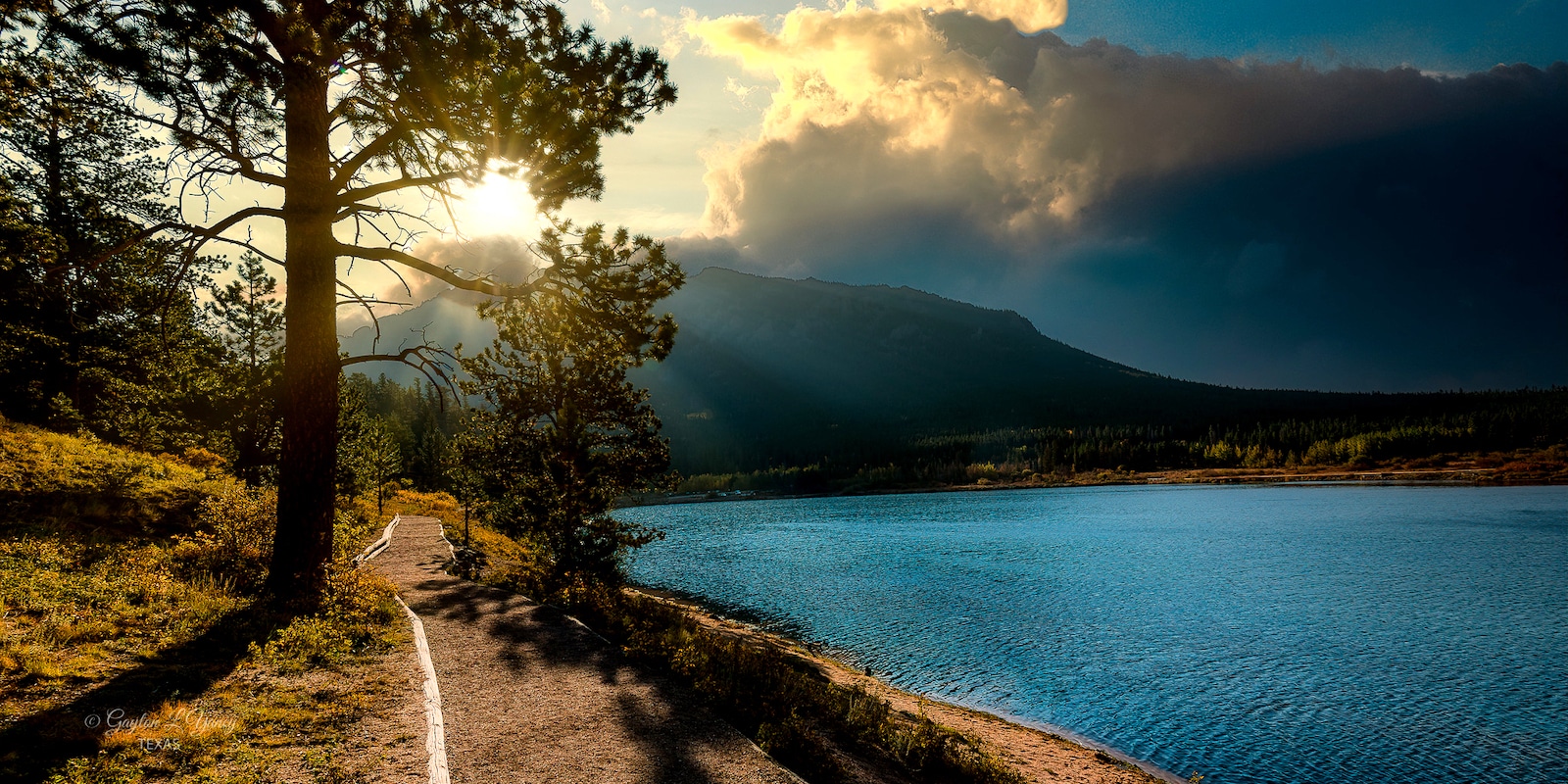
One of the primary drivers of Colorado’s sunny reputation is its high altitude. The average elevation of the state is around 6,800 feet above sea level, making it the highest state in the United States. At higher elevations, the atmosphere is thinner, meaning there is less scattering of sunlight. This results in more direct and intense solar radiation reaching the ground, contributing to a perception of increased brightness and fewer cloudy days. Even when clouds are present, the sun often finds a way to peek through, especially in mountain environments.
Geographical Variations in Sunny Days
While the state as a whole enjoys ample sunshine, there are regional differences.
Eastern Plains: The Sun-Kissed Prairie
The eastern plains of Colorado, stretching towards the Great Plains, are characterized by their flat topography and greater exposure to weather systems originating from the west. Despite this, the plains still receive a remarkable amount of sunshine throughout the year. Cities like Denver and Colorado Springs are located within or adjacent to these plains and consistently rank high in terms of annual sunny days. The lack of significant topographical obstructions means that the sun’s path is largely unobstructed for much of the day.
Mountain Regions: Peaks Bathed in Light
The majestic Rocky Mountains, a defining feature of Colorado, offer a unique sunshine experience. While mountain weather can be capricious, with rapid changes and the potential for afternoon thunderstorms, the peaks themselves are often bathed in brilliant sunlight, especially in the mornings. Ski resorts like Aspen, Vail, and Breckenridge are situated at high altitudes, and their visitors often report experiencing crisp, sunny days, even amidst winter snow. The clear, dry air at these elevations further enhances the perception of abundant light. However, it’s worth noting that winter months can see increased cloud cover and snowfall, particularly in the higher mountain passes.
Western Slope: A Different Kind of Sunny
The Western Slope, encompassing areas like Grand Junction, tends to be drier and experiences more distinct seasons. This region often enjoys a substantial number of sunny days, influenced by its lower elevation compared to the high Rockies and its proximity to the desert Southwest.
Quantifying the Sunshine: Annual Averages
When we talk about “days of sun,” it’s helpful to look at average figures. While exact numbers can vary based on the specific weather station and the definition of a “sunny day” (often defined as a day with less than 30% cloud cover), Colorado consistently ranks among the sunniest states in the U.S.
-
Denver: The Mile High City, Denver, is often cited as one of the sunniest major cities in the United States. On average, Denver experiences around 300 days of sunshine per year. This figure can fluctuate slightly from year to year, but the trend remains remarkably high. This means that for most of the year, you can expect clear skies and ample opportunities for outdoor activities.
-
Colorado Springs: Located south of Denver, Colorado Springs also boasts an impressive number of sunny days, often exceeding 300 annually. Its proximity to Pikes Peak adds to its scenic allure and its sunny disposition.
-
Mountain Towns: While precise averages for every mountain town are harder to pinpoint, many residents and visitors of towns like Aspen, Steamboat Springs, and Telluride will attest to the prevalence of sunny days, particularly during the spring and fall. Winter can be a different story, with snowstorms being a hallmark of the season, but even then, sunny periods often follow the snow, creating postcard-perfect vistas.
The Role of Winter Sunshine

Even during the winter months, Colorado can surprise visitors with its sunshine. While snow is a major draw for skiers and snowboarders, clear, crisp winter days are not uncommon. These days often feature bright sunlight reflecting off the snow-covered landscape, creating a dazzling and invigorating experience. Ski resorts actively promote these sunny winter days as part of their appeal, offering opportunities for both winter sports and enjoying the sunshine.
Seasonal Sunshine Patterns
Understanding the seasonal distribution of sunshine can further refine your travel planning.
Spring: A Transition of Light
Spring in Colorado is a transitional season. Early spring can still see significant snowfall, particularly in the mountains, but as the season progresses, the days lengthen, and the sunshine becomes more prominent. This is a beautiful time to visit, as the snow begins to melt, revealing the landscape, and wildflowers start to bloom in lower elevations. The combination of sunshine and emerging life is a welcome sight after the winter.
Summer: Extended Sunny Days
Summer in Colorado is characterized by long, sunny days. While afternoon thunderstorms are common, especially in the mountains, they tend to be short-lived and are often followed by clear skies and sunshine. This is the peak season for hiking, camping, and exploring the state’s many natural attractions, with the abundant sunlight providing ideal conditions for these activities.
Autumn: Crisp and Clear
Autumn is often considered one of the most beautiful times to visit Colorado, and the sunshine plays a significant role. The fall colors, illuminated by the crisp, clear sunlight, are breathtaking. The days are still relatively long, and the air is dry and invigorating, making it perfect for scenic drives, hiking, and enjoying the golden hues of the changing aspen leaves.
Winter: The Sunny Season for Skiers
While winter is synonymous with snow, it doesn’t mean a lack of sunshine. Many winter days in Colorado are bright and sunny, offering excellent conditions for skiing and snowboarding. The combination of fresh powder and brilliant sunshine creates an unparalleled winter sports experience.
Maximizing Your Sunny Days in Colorado
Knowing the approximate number of sunny days can help you plan the perfect trip to Colorado.
Planning Your Itinerary
If your primary goal is to experience maximum sunshine, consider visiting during the spring, summer, or fall. These seasons generally offer the most consistent and abundant sunlight. Even if you’re a winter enthusiast, remember that winter in Colorado still includes many glorious sunny days, perfect for enjoying the snow-covered landscapes.
Packing for the Sun
Regardless of the season, the high altitude and strong sun in Colorado mean that sun protection is crucial. Always pack sunscreen, a wide-brimmed hat, and sunglasses. Even on cooler days, the sun’s rays can be intense. Lip balm with SPF is also highly recommended.
Embracing the Outdoors
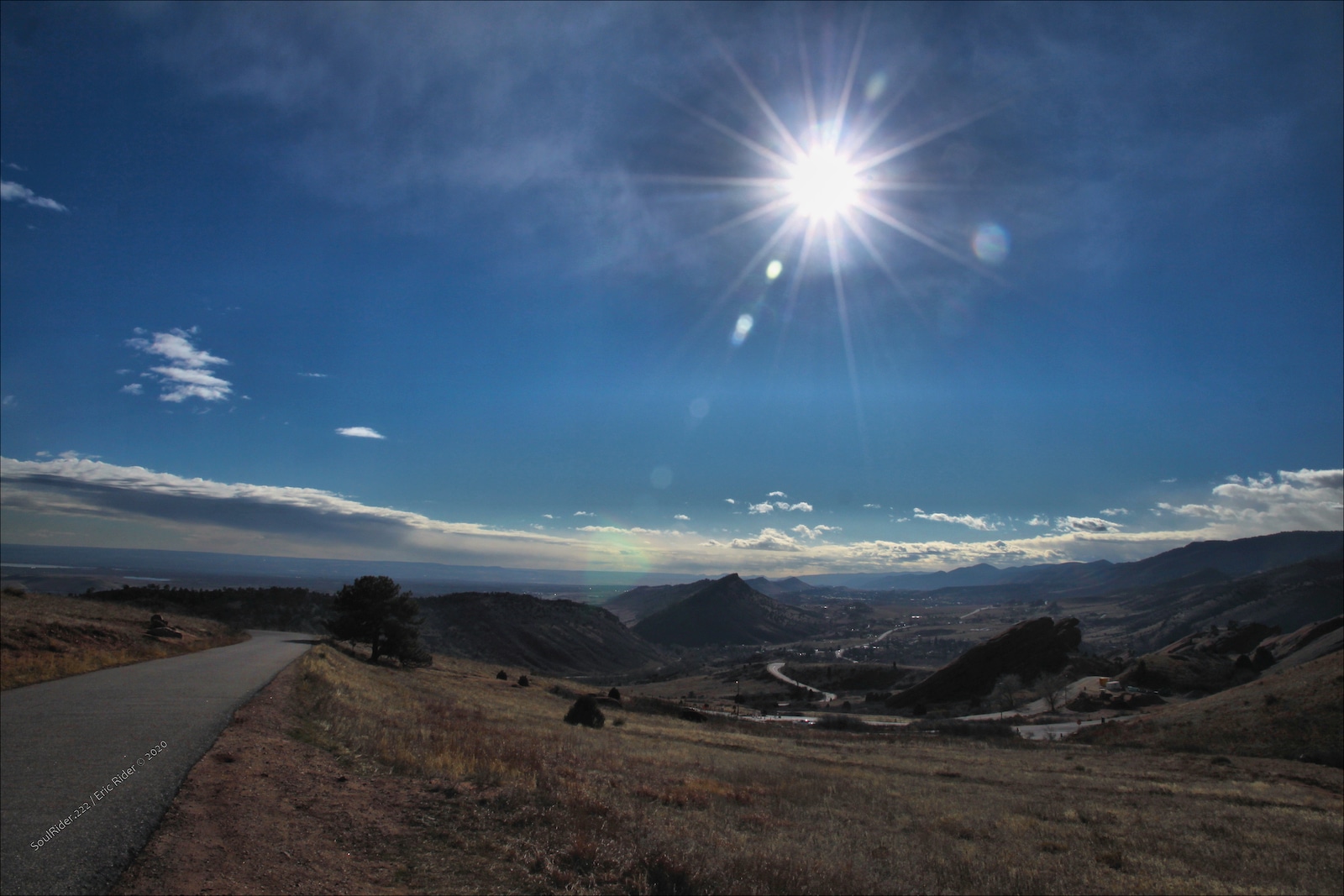
With an average of 300 days of sunshine per year in many popular areas, Colorado is a paradise for outdoor enthusiasts. From the urban trails around Denver to the rugged wilderness of the Rocky Mountain National Park, there are endless opportunities to enjoy the great outdoors under the sun. Whether you’re planning a visit to a charming mountain town like Estes Park or exploring the artistic community of Santa Fe, New Mexico (a short drive south), the consistent sunshine will likely enhance your experience.
In conclusion, the question “How Many Days Of Sun In Colorado?” yields a resounding answer: a lot. This inherent characteristic of the state’s climate, driven by altitude and geography, makes it a consistently appealing destination for those seeking light, warmth, and endless opportunities for outdoor adventure and enjoyment.
LifeOutOfTheBox is a participant in the Amazon Services LLC Associates Program, an affiliate advertising program designed to provide a means for sites to earn advertising fees by advertising and linking to Amazon.com. Amazon, the Amazon logo, AmazonSupply, and the AmazonSupply logo are trademarks of Amazon.com, Inc. or its affiliates. As an Amazon Associate we earn affiliate commissions from qualifying purchases.