
When planning a trip to the concrete jungle, the most frequent question on a traveler’s mind is not just what to pack, but how the local climate will dictate the rhythm of their visit. Understanding the temperature in New York City is essential for anyone looking to navigate the bustling streets of Manhattan or the artistic corridors of Brooklyn. The city operates on a distinct seasonal pulse, where the “degrees” fluctuate wildly from the biting chill of a Hudson River breeze in January to the sweltering heat radiating off the pavement in August.
Decoding the Four Seasons of the Big Apple
The meteorology of New York is a tale of extremes. Because the city is situated in a temperate zone, it experiences a classic four-season cycle, each offering a vastly different experience for the tourist.
The Bittersweet Chill of Winter
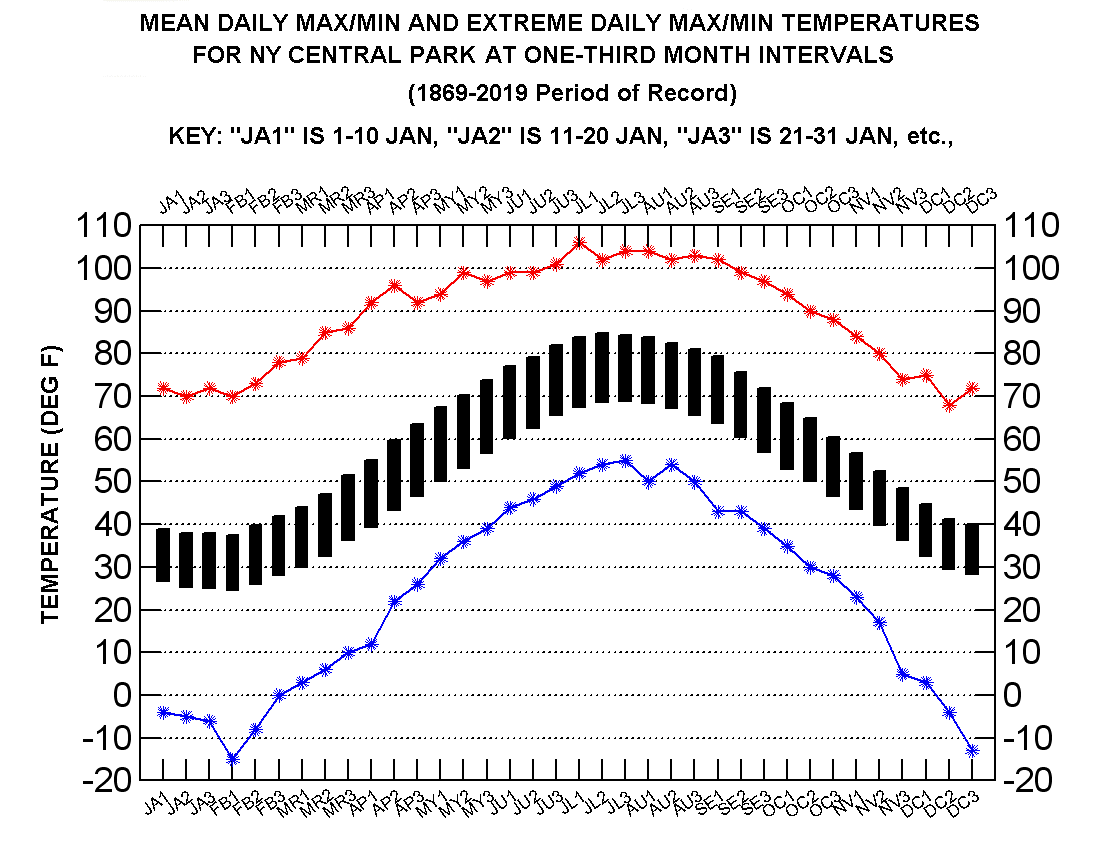
From December through February, the mercury often dips below freezing. Visitors flocking to Rockefeller Center to see the tree or skating in Central Park must be prepared for temperatures ranging from 25°F to 38°F (-4°C to 3°C). The wind chill, particularly near the East River, can make the air feel significantly colder. During these months, the city transforms into a winter wonderland, but it requires serious thermal layering.
The Resplendent Transition of Spring
By late April and May, the city begins to thaw. This is arguably the most pleasant time to visit, with temperatures comfortably settling between 55°F and 70°F (13°C to 21°C). The blooming cherry blossoms in the Brooklyn Botanic Garden are the perfect backdrop for mild days. The air is crisp, and the humidity remains low, making it the ideal climate for walking the High Line without exhaustion.
The Sweltering Energy of Summer
June through August brings heat and, occasionally, oppressive humidity. Temperatures frequently climb above 85°F (29°C), with heat waves pushing the thermometer well into the 90s. While locals retreat to the beaches of The Rockaways or Coney Island, the urban core remains high-octane. It is a time for rooftop bars and evening strolls, as the midday sun can be intense.
The Crisp Clarity of Autumn
Autumn in the city is legendary. September and October offer a reprieve, with cool mornings and warm, sunny afternoons. As the foliage turns vibrant shades of orange and red in Prospect Park, the temperatures average between 50°F and 65°F (10°C to 18°C). It is the perfect weather for exploring the museums like the Metropolitan Museum of Art without the stifling heat or biting frost.
Factors Influencing Localized Microclimates
It is a common mistake for tourists to check the general forecast for the city and assume it applies uniformly to every neighborhood. The temperature in New York City is subject to “urban heat island” effects and geography-based variations.
The Canyon Effect in Midtown
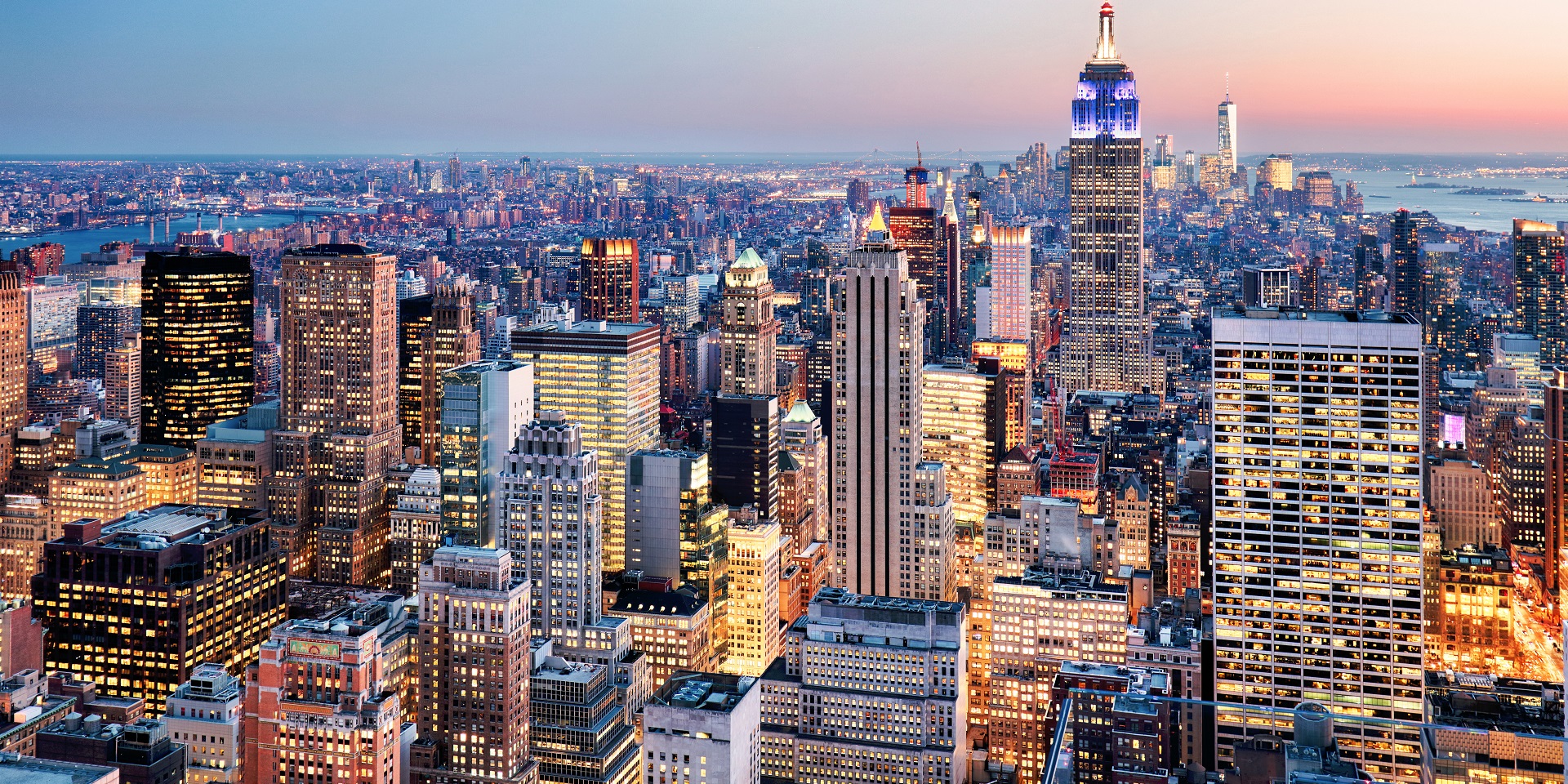
The skyscrapers of Midtown Manhattan trap heat and funnel wind. Even if the official weather report suggests a balmy 75°F (24°C), the concrete canyon can make the streets feel five degrees warmer in the summer and significantly windier in the winter. When navigating the blocks around Grand Central Terminal, expect the local environment to feel more amplified than it might in a residential, tree-lined neighborhood.
The Coastal Influence
Areas bordering the waterfront, such as Battery Park or the DUMBO section of Brooklyn, benefit from the tempering effect of the Atlantic Ocean. On a humid day, these areas are often a few degrees cooler than the interior of the city, providing a necessary relief for pedestrians.
Planning Your Itinerary Based on the Thermometer
Effective travel planning requires matching your activities to the expected degree levels. New York offers a “plan B” for every weather contingency.
Rainy and Cold Day Strategies
If the temperature drops unexpectedly or precipitation sets in, New York has an unparalleled indoor infrastructure. Cold, rainy days are best spent exploring the vast halls of the American Museum of Natural History or ducking into the New York Public Library. The subway system also acts as an subterranean network, allowing you to traverse from Lower Manhattan to Uptown while staying sheltered from the elements.
Hot and Humid Day Strategies
When the heat reaches triple digits in terms of the “feels like” index, prioritize indoor venues with heavy climate control. Iconic department stores like Macy’s Herald Square or the galleries in Chelsea are excellent for escaping the midday sun. Furthermore, scheduling your walking tours for early mornings or after sunset ensures you stay comfortable while witnessing the grandeur of the Empire State Building illuminated against the night sky.

Essential Gear for New York Weather
Regardless of the season, the savvy traveler is always prepared for the shift in degrees. Even in the height of summer, the air conditioning inside major landmarks can be aggressive, making a light jacket a permanent fixture in your bag.
- Footwear: No matter how many degrees it is outside, you will be walking more than you expect. Wear comfortable, broken-in shoes that can handle both the heat of the summer pavement and the occasional puddle.
- The Layering System: During the transition months of April, May, October, and November, wear thin layers that can be shed as the sun reaches its peak and added back on when the shadows grow long behind the Flatiron Building.
- Sun Protection: Do not underestimate the strength of the sun in New York City. Even on cloudy days, UV exposure while walking through Times Square can lead to sunburn. Always carry sunscreen and a hat during the warmer months.
Ultimately, the temperature in New York City is just one part of the narrative. Whether you are caught in a summer shower or brushing snow off your coat near the Statue of Liberty, the climate is an intrinsic element of the city’s character. By keeping an eye on the forecast and understanding how the city reacts to different thermal conditions, you can ensure that your visit is defined by discovery rather than discomfort. New York is a city that thrives in every degree of weather, and with the right perspective, you will find that the climate only adds to the magic of your urban exploration.
LifeOutOfTheBox is a participant in the Amazon Services LLC Associates Program, an affiliate advertising program designed to provide a means for sites to earn advertising fees by advertising and linking to Amazon.com. Amazon, the Amazon logo, AmazonSupply, and the AmazonSupply logo are trademarks of Amazon.com, Inc. or its affiliates. As an Amazon Associate we earn affiliate commissions from qualifying purchases.