
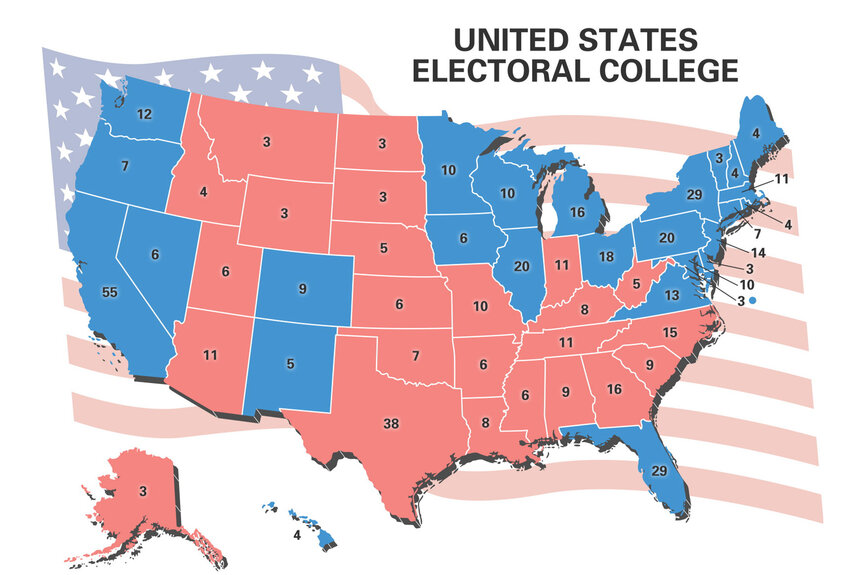
Alaska, the largest state in the United States by area, is renowned for its breathtaking wilderness, majestic glaciers, and vibrant indigenous cultures. It is a dream destination for travelers seeking adventure, natural beauty, and a glimpse into a unique way of life. Yet, when it comes to the intricate mechanisms of American democracy, many travelers and citizens alike often wonder about its political representation. Specifically, how many Electoral College votes does Alaska command in presidential elections? The answer is a modest three. While this number might seem small given its immense geographical footprint, it represents a fundamental aspect of the U.S. Constitution and the balance of power between states. In this article, we’ll delve into the significance of Alaska’s electoral voice, how it influences the broader political landscape, and, more importantly for the intrepid explorer, how this vast and sparsely populated state offers unparalleled travel experiences that reflect its unique position in the nation.

Alaska’s Electoral Voice: More Than Just a Number
Understanding Alaska’s electoral vote count requires a brief look at the Electoral College system itself. Established by the Founding Fathers, the Electoral College determines the presidency of the United States. Each state is allocated a number of electors equal to its total number of representatives in Congress (which is based on population) plus its two senators. This system ensures that even less populated states retain a voice in national elections, preventing a few highly populated urban centers from solely dictating the outcome.
Understanding the Electoral College System
For Alaska, its three Electoral College votes are derived from its two senators—a right afforded to all states regardless of size or population—and one representative in the House of Representatives. The allocation of one representative underscores Alaska’s relatively small population compared to its landmass. With roughly 730,000 residents, it is one of the least densely populated states in the nation. This unique demographic profile, combined with its immense natural resources and strategic geopolitical location, means that Alaska’s voice, while numerically small in the electoral count, carries significant weight in national discussions, particularly concerning environmental policy, resource management, and defense.
The minimum of three electoral votes ensures that every state, no matter how remote or sparsely populated, maintains a fundamental level of representation in the presidential election. For Alaska, these three votes represent the interests of a diverse populace spread across an area larger than Texas, California, and Montana combined. This immense scale means that the challenges and opportunities facing Alaskans are often distinct from those in the Lower 48 states, making their representation vital. From the unique needs of Arctic communities to the complexities of managing vast natural parks and wildlife, the state’s electoral delegates advocate for issues that reflect its singular character and contribution to the American tapestry.
Discovering the Alaskan Lifestyle: A Journey Beyond Politics
While the number of electoral votes might be a topic for political analysis, the essence of Alaska lies in its unparalleled natural beauty and the distinctive lifestyle it fosters. For travelers, Alaska offers an escape from the ordinary, an invitation to explore untamed landscapes, witness incredible wildlife, and immerse oneself in cultures shaped by centuries of living in harmony with nature. This vastness and the intrepid spirit of its people are what truly define the “Alaskan lifestyle” – a lifestyle that attracts millions of visitors annually, generating significant tourism revenue and showcasing the state’s unique character to the world.
Iconic Destinations and Natural Wonders
Alaska is a land of superlatives, boasting some of the most spectacular natural wonders on Earth. Foremost among these is Denali National Park and Preserve, home to Mount Denali, North America’s tallest peak. This park is a sanctuary for grizzly bears, caribou, moose, and wolves, offering unparalleled opportunities for wildlife viewing and backcountry adventures. Visitors can explore vast tundras, pristine forests, and glaciers, truly disconnecting from the modern world.
Further south, the coastal communities offer a different kind of magic. Anchorage, the state’s largest city, serves as a gateway to many adventures, balancing urban amenities with immediate access to wilderness. From Anchorage, travelers can embark on scenic drives down the Seward Highway to coastal towns like Seward and Girdwood, or explore the nearby Chugach Mountains. The state capital, Juneau, is unique as it is only accessible by air or sea, nestled between mountains and the waters of the Gastineau Channel. Here, the mighty Mendenhall Glacier offers a stunning visual spectacle, while whale watching tours promise encounters with humpbacks and orcas.
The southeastern panhandle is a labyrinth of islands and fjords, epitomized by the breathtaking Glacier Bay National Park and Preserve, a UNESCO World Heritage Site. Here, massive tidewater glaciers calve icebergs into the bay, a truly awe-inspiring display of nature’s power. Similarly, Kenai Fjords National Park, near Seward, offers boat tours that navigate icy waters to witness puffins, sea otters, and seals amidst a backdrop of towering cliffs and active glaciers. Even Fairbanks in the interior, while less frequented by summer cruise ships, is a prime location for witnessing the mesmerizing Northern Lights during the darker winter months, attracting aurora chasers from around the globe.
Embracing Adventure and Local Culture
Alaska is synonymous with adventure. From world-class fishing for giant salmon and halibut in the Kenai River to exhilarating dog sledding experiences on glaciers or through snowy trails, the state caters to thrill-seekers of all kinds. Hiking trails abound, from leisurely strolls through coastal rainforests to challenging multi-day treks in rugged mountain ranges. Kayaking and rafting offer intimate encounters with the waterways, revealing hidden coves and pristine wilderness areas unreachable by larger vessels.

Beyond the adrenaline, Alaska’s rich cultural heritage provides profound insights into human resilience and connection to the land. The state is home to numerous Alaska Native groups, each with distinct languages, traditions, and art forms. Visitors can explore cultural centers, witness traditional dances, and learn about the ancestral ways of life that have shaped this land for thousands of years. Historical towns like Skagway, a relic of the Klondike Gold Rush era, transport visitors back to a time of prospectors and frontier dreams, complete with historic saloons and train rides. Even further north, the remote city of Nome offers a glimpse into Arctic life and its deep connection to the Iditarod Trail Sled Dog Race. The local cuisine, heavily reliant on the bounty of the land and sea, offers delectable experiences, from fresh salmon and king crab to wild berries and reindeer sausage, providing a taste of the authentic Alaskan lifestyle.
Planning Your Alaskan Escape: Accommodation and Travel Tips
Embarking on an Alaskan adventure requires thoughtful planning, especially concerning accommodation and logistics. Given the state’s vastness and diverse offerings, travelers have a wide array of choices, from luxurious resorts to cozy wilderness lodges, ensuring an experience tailored to every preference and budget.
Where to Stay: From Wilderness Lodges to Urban Hotels
Alaska’s accommodation options are as varied as its landscapes. In major cities like Anchorage and Juneau, you’ll find a selection of modern hotels, including well-known brands and charming boutique establishments. These offer comfortable bases for exploring urban attractions and serve as convenient springboards for day trips into the surrounding wilderness. For those seeking a blend of luxury and natural immersion, resorts like Alyeska Resort in Girdwood provide upscale amenities, fine dining, and direct access to skiing, hiking, and scenic tram rides.
Deep within the wilderness, a truly unique experience awaits at the numerous lodges scattered across the state. From rustic cabins in Denali to sophisticated, all-inclusive properties accessible only by floatplane, these lodges offer an unparalleled opportunity to connect with nature. Examples like the Talkeetna Alaskan Lodge offer stunning views of Mount Denali and a gateway to bush plane tours and river adventures. Many wilderness lodges specialize in specific activities such as fishing, bear viewing, or photography, providing expert guides and tailored itineraries.
For those exploring the state via cruise ship, the vessel itself often serves as floating accommodation, offering amenities ranging from casual to luxurious, while providing seamless access to coastal towns and glacier viewing. Additionally, vacation rentals, bed and breakfasts, and even RV parks are popular options, especially for families or those planning longer stays, offering flexibility and a home-away-from-home feel. When booking, consider the time of year, your desired activities, and whether you prefer an all-inclusive experience or the freedom to explore independently. Popular accommodations, especially wilderness lodges, book up months in advance, so early reservations are highly recommended.
Essential Travel Considerations
Planning an Alaskan trip involves several key considerations to ensure a smooth and memorable journey. The “best” time to visit largely depends on your interests. Summer (June to August) is peak season, offering long daylight hours, warmer temperatures, and optimal conditions for wildlife viewing, hiking, fishing, and cruises. This is also when all major attractions and services are fully operational. For those hoping to witness the Northern Lights, late August through April provides the best chances, with Fairbanks being a prime viewing location. Winter sports enthusiasts will find abundant opportunities for skiing, snowboarding, and dog mushing during the colder months.
Transportation within Alaska varies significantly. Major cities are connected by flights, and regional airlines are essential for reaching more remote areas. The iconic Alaska Railroad offers incredibly scenic routes between Seward, Anchorage, Denali National Park, and Fairbanks, providing a relaxing way to soak in the landscapes. Rental cars are practical for exploring specific regions, though many roads are seasonal, and some popular destinations are not road-accessible. Many visitors opt for cruise tours, which cover a significant portion of the coastal attractions, providing a comfortable and comprehensive way to experience the Southeast and Gulf of Alaska regions.
Packing appropriately is crucial. Layered clothing is essential, as weather can change rapidly. Waterproof and windproof outerwear, sturdy hiking boots, and insect repellent are must-haves, especially during the summer. For winter travel, extreme cold-weather gear is necessary. Finally, budgeting for an Alaskan trip should account for higher costs compared to other U.S. destinations, particularly for tours, flights to remote areas, and quality accommodation. However, diverse options exist to suit various budgets, from luxurious guided adventures to more independent, budget-conscious explorations involving camping or hostel stays. Careful planning and early booking can help manage expenses and ensure a fulfilling experience in this extraordinary state.
The Impact of Tourism: Shaping Alaska’s Future
While Alaska’s three Electoral College votes represent its formal voice in national politics, the immense appeal of its tourism industry gives the state a different, yet equally powerful, form of global representation. Tourism is one of Alaska’s largest private-sector industries, annually welcoming millions of visitors who come to witness its unparalleled natural beauty and experience its unique lifestyle. This influx of travelers has a profound impact, shaping the state’s economy, influencing policy, and fostering a global appreciation for its pristine environment and diverse cultures.
The economic contribution of tourism is substantial. It supports tens of thousands of jobs, from tour guides and hotel staff to restaurateurs and artists, sustaining communities across the state, many of which are otherwise remote. The revenue generated through visitor spending helps fund essential services, infrastructure improvements, and conservation efforts, directly contributing to the well-being of Alaskan residents. This economic strength, derived from showcasing the state’s natural and cultural treasures, bolsters Alaska’s ability to advocate for its unique needs and interests on a national and international stage.
Furthermore, tourism plays a vital role in environmental stewardship. The desire of visitors to experience untouched wilderness and observe wildlife creates a powerful incentive for conservation. Tourism dollars often contribute to the funding of national parks, wildlife refuges, and other protected areas, helping to preserve the very landscapes that draw people to Alaska. This symbiotic relationship ensures that the state’s natural heritage, from the glaciers of Glacier Bay to the wildlife of Denali, remains intact for future generations of both Alaskans and global travelers.
In essence, while Alaska’s electoral votes provide a fundamental political voice, its tourism industry amplifies this voice by sharing the Alaskan story with the world. Every visitor who marvels at a calving glacier, spots a grizzly bear in its natural habitat, or connects with Alaska Native traditions becomes an ambassador for the state, spreading awareness and appreciation for its distinctive character. This global engagement ensures that Alaska’s immense landscapes and unique way of life continue to resonate far beyond its borders, proving that influence can be measured in more ways than just electoral numbers.
LifeOutOfTheBox is a participant in the Amazon Services LLC Associates Program, an affiliate advertising program designed to provide a means for sites to earn advertising fees by advertising and linking to Amazon.com. Amazon, the Amazon logo, AmazonSupply, and the AmazonSupply logo are trademarks of Amazon.com, Inc. or its affiliates. As an Amazon Associate we earn affiliate commissions from qualifying purchases.