
When considering the United States electoral map, states like California, Texas, and Florida often dominate discussions with their substantial numbers of electoral votes. However, every state, regardless of its population or geographical size, plays a crucial role in the presidential election process. This is especially true for Alaska, the nation’s largest state by area. Despite its immense landscape and strategic importance, Alaska is often perceived as a lesser player in the political arena. Yet, its unique position, both geographically and culturally, offers a fascinating blend of civic duty and unparalleled travel opportunities.
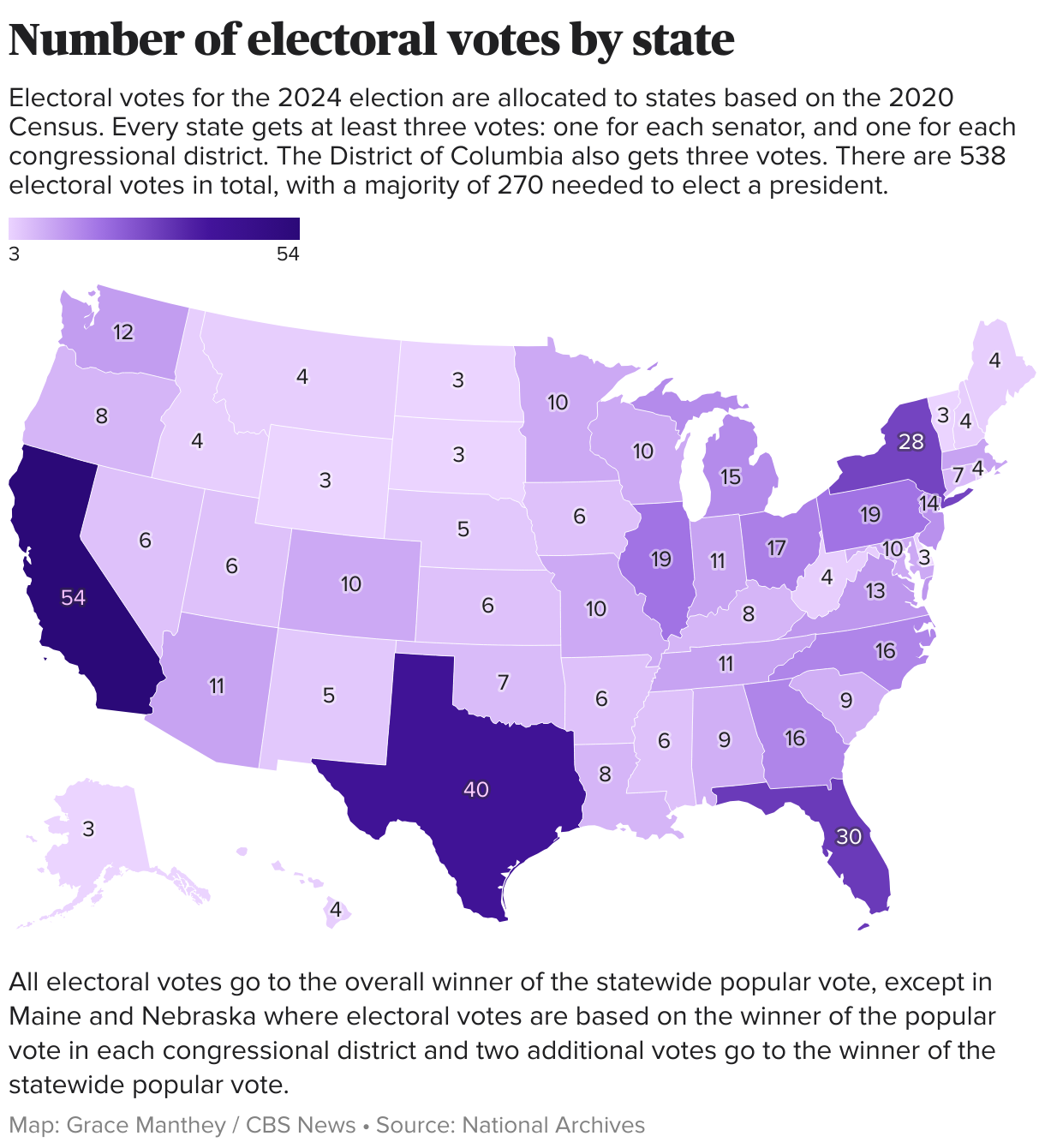
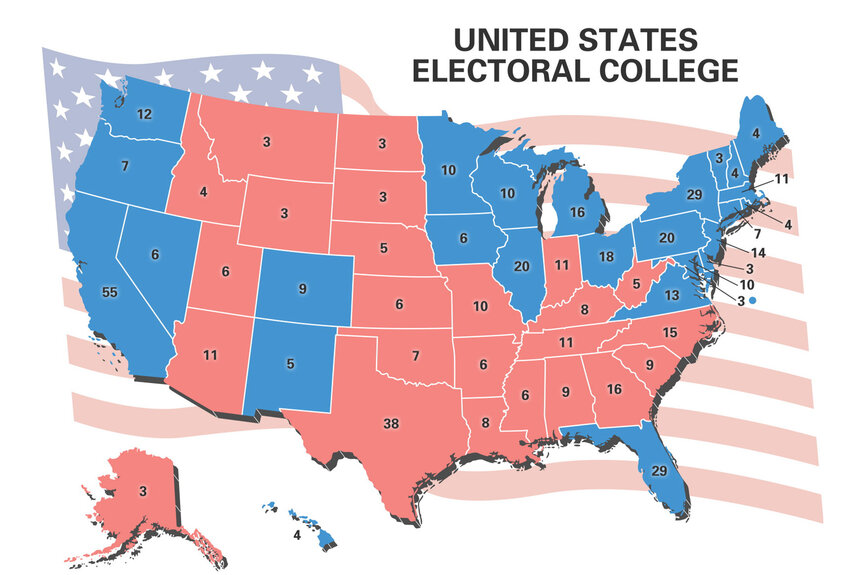
So, how many electoral votes does Alaska possess? The answer is three. This number, allocated based on the state’s representation in Congress (two senators plus one representative in the House, as per the 2020 census), might seem modest compared to the powerhouses of the lower 48. However, Alaska’s electoral votes are an essential component of the 538 total electoral votes that determine the presidency. While its direct impact on a national election outcome might be less pronounced than that of a swing state with more votes, Alaska’s political identity and the distinct lifestyle of its residents are deeply interwoven with its status as the Last Frontier. Beyond the ballot box, Alaska offers a world of adventure, stunning natural beauty, and rich cultural experiences that draw travelers from across the globe, making it a compelling destination for those seeking to explore the untamed wilderness and immerse themselves in a truly unique American landscape.
The Political Landscape of the Last Frontier: Electoral Significance and Demographics
Alaska’s three electoral votes are a direct reflection of its population, which, while growing, remains one of the smallest among U.S. states. This allocation system, designed to balance population representation with state sovereignty, ensures that even the least populated states have a voice in choosing the nation’s leader. For Alaska, this means that each vote cast by an Alaskan citizen arguably carries more weight in terms of proportional representation in the Electoral College than a vote cast in a more populous state.
Alaska’s Electoral Significance
The electoral system in the United States awards electoral votes to each state based on its total number of representatives in Congress – two senators plus the number of representatives in the House, which is determined by population. With a population of just over 733,000 residents as of recent estimates, Alaska is entitled to one representative in the House of Representatives, in addition to its two senators. This sums up to the three electoral votes.
Historically, Alaska has consistently voted Republican in presidential elections since its statehood in 1959, with only one exception in 1964. This trend has established Alaska as a reliably red state, meaning its three electoral votes are generally anticipated to go to the Republican candidate. While this might lead some to believe that its electoral significance is minimal, the consistent nature of its political leanings often allows candidates to focus their resources on more competitive states. Yet, for Alaskans, their votes represent not just a political choice but a statement about their values: self-reliance, respect for the land, and a unique approach to governance that often prioritizes local control and resource development. This political identity is deeply intertwined with the ” Last Frontier” ethos, a spirit of rugged individualism and connection to nature that defines much of the Alaskan lifestyle.

Demographics and Distances
The vastness of Alaska is hard to overstate. Spanning over 663,000 square miles, it is more than twice the size of Texas and contains more coastline than all other U.S. states combined. Yet, its population density is among the lowest in the world, with most residents concentrated in a few key urban centers. The largest city, Anchorage, is home to roughly 40% of the state’s population. Other significant population centers include Fairbanks, located in the interior, and Juneau, the state capital, which is uniquely accessible only by air or sea.
These immense distances and sparse population distribution present unique challenges for both political campaigning and travel logistics. For political candidates, reaching voters across such a vast and often inaccessible terrain requires significant effort and innovative strategies. Similarly, for travelers, navigating Alaska requires careful planning, often involving flights, ferries, and extensive road trips. However, it is precisely these challenges that contribute to Alaska’s allure. The remoteness offers unparalleled opportunities for wilderness exploration and a chance to experience places untouched by mass tourism. The demographic makeup, a diverse blend of indigenous communities and people drawn to the unique Alaskan lifestyle, also adds to the rich tapestry of culture that visitors can explore. Understanding these distances and demographics provides a crucial context for appreciating both Alaska’s political dynamics and its immense potential as a travel destination.
Beyond the Ballot Box: Alaska’s Unrivaled Travel Experiences
While Alaska’s electoral votes are fixed, its capacity to captivate and inspire travelers is limitless. The state is a global magnet for adventurers, nature enthusiasts, and those seeking an escape into the wild. It’s a land of superlatives: home to the highest peak in North America, some of the largest glaciers, and an abundance of wildlife that thrives in its pristine ecosystems. For many, a trip to Alaska is a once-in-a-lifetime journey, an opportunity to connect with nature on an epic scale and witness breathtaking phenomena that exist nowhere else on Earth.
Majestic Landscapes and Natural Wonders
Alaska’s landscapes are truly legendary, offering a diverse array of natural wonders that form the backbone of its tourism appeal. The crown jewel is arguably Denali National Park and Preserve, encompassing Mount Denali (formerly Mount McKinley), the highest peak in North America. Here, visitors can explore vast wilderness areas, marvel at the towering mountains of the Alaska Range, and spot grizzly bears, caribou, moose, and wolves in their natural habitat. Guided bus tours offer deep dives into the park’s interior, while flightseeing tours provide unparalleled aerial views of the massif.
Another iconic destination is Kenai Fjords National Park, where a dramatic landscape of tidewater glaciers and rugged coastlines meets the Pacific Ocean. Boat tours from Seward allow travelers to witness massive glaciers calving into the sea, observe marine wildlife like humpback whales, orcas, puffins, and sea otters, and explore remote coves. The Inside Passage, a network of coastal waterways stretching from Washington State through British Columbia to Southeast Alaska, is a popular route for cruise ships, offering stunning views of lush temperate rainforests, glaciers, and charming port towns such as Ketchikan, Sitka, and Juneau. Beyond these major attractions, Alaska boasts countless other natural landmarks, from the expansive tundra of the Arctic Circle to the volcanoes of the Aleutian Islands and the serene beauty of Glacier Bay National Park. Each region offers a distinct experience, promising a truly unforgettable journey through some of the planet’s most pristine and powerful environments.
Adventure and Exploration
Alaska is synonymous with adventure. For the active traveler, the opportunities are boundless. Hiking trails range from easy strolls through temperate rainforests to challenging multi-day treks in alpine wilderness. Kayaking and rafting are popular ways to explore the state’s intricate network of rivers and coastal waters, offering close-up encounters with wildlife and glaciers. Fishing enthusiasts flock to Alaska’s abundant salmon rivers and halibut-rich seas, with world-class lodges providing guided excursions.
Winter brings its own set of adventures. Dog sledding, an iconic Alaskan activity, allows visitors to experience the thrill of mushing through snow-covered landscapes, often with professional mushers who compete in races like the Iditarod Trail Sled Dog Race. Skiing, snowboarding, and snowmobiling are also popular. Perhaps the most ethereal winter experience is witnessing the Northern Lights (Aurora Borealis), a celestial ballet of vibrant colors dancing across the night sky. Fairbanks, located near the Arctic Circle, is one of the best places in the world to observe this phenomenon. Wildlife viewing, whether from a safe distance on a guided tour or through specialized photography trips, is a highlight year-round. Bear viewing at places like Katmai National Park and Preserve, where brown bears gather to feast on salmon, offers incredible photographic opportunities and a profound connection to the wild heart of Alaska. These diverse activities cater to all levels of adventure, promising an exhilarating and memorable exploration of the Last Frontier.
Planning Your Alaskan Journey: Accommodation and Lifestyle
Embarking on an Alaskan adventure requires careful planning, especially when it comes to accommodation and understanding the local lifestyle. Given the state’s vastness and the unique nature of its tourism, options range from luxurious wilderness lodges to cozy bed and breakfasts, catering to every budget and travel preference. The lifestyle experienced by Alaskans is one of resilience and a deep connection to their environment, which visitors can glimpse through local culture, cuisine, and activities.
Hotels, Resorts, and Unique Stays
Alaska’s accommodation landscape is as varied as its terrain. In major cities like Anchorage and Fairbanks, travelers will find a range of familiar hotel chains alongside boutique establishments. In Anchorage, for instance, the Hotel Captain Cook offers luxury and panoramic views of the Cook Inlet and the Chugach Mountains, while The Lakefront Anchorage provides direct access to Lake Hood, the world’s busiest floatplane base.
For those venturing into the wilderness, specialty accommodations are the norm. Alyeska Resort in Girdwood offers a world-class ski and snowboard experience in winter and a base for hiking and glacier viewing in summer, complete with spa facilities and fine dining. Near Denali National Park, lodges such as the Grande Denali Lodge provide comfortable stays with stunning views of the Alaska Range. For a truly unique experience, consider wilderness lodges accessible by bush plane, offering an immersive stay in remote settings, or even glamping options like Borealis Basecamp near Fairbanks, where dome-shaped accommodations provide unobstructed views of the Northern Lights. Chena Hot Springs Resort, also near Fairbanks, combines geothermal hot springs with an ice museum and excellent aurora viewing opportunities. Many smaller towns, like Homer or Seward, offer charming bed and breakfasts, cabins, and local hotels that provide a more intimate connection to the community. Long-term stay options might include apartment rentals in larger cities, suitable for those planning extended explorations or workcations. Booking in advance is highly recommended, especially during the peak summer season, to secure preferred accommodations and ensure a seamless travel experience.
Experiencing Alaskan Culture and Cuisine
Alaska’s culture is a rich tapestry woven from the traditions of its diverse Alaska Native peoples, the legacy of the Klondike Gold Rush prospectors, and the spirit of hardy pioneers. Visitors can delve into this heritage at places like the Alaska Native Heritage Center in Anchorage, which showcases the art, stories, and traditions of Alaska’s eleven major cultural groups. Museums like the Anchorage Museum and the Museum of Alaska Transportation and Industry in Wasilla offer insights into the state’s history, from its early indigenous roots to its development as a modern U.S. state.
Cuisine in Alaska is heavily influenced by its natural bounty, particularly its seafood. Freshly caught King Salmon, Halibut, and Crab are staples, often served in innovative ways. Beyond seafood, local specialties include reindeer sausage, caribou, and berries unique to the region. Dining experiences range from casual seafood shacks in fishing towns like Valdez and Kodiak to upscale restaurants in Anchorage that offer gourmet takes on Alaskan ingredients. Craft breweries, such as Alaskan Brewing Co. in Juneau, have also gained popularity, offering unique local brews.
When considering lifestyle for travelers, Alaska caters to a broad spectrum. Luxury travel often involves high-end wilderness lodges, private flightseeing tours, and exclusive wildlife excursions. Budget travelers can find value in camping, hostels, and self-guided tours, taking advantage of the state’s extensive public lands. Family trips are well-served by wildlife parks, educational centers, and cruises, which offer convenience and a wide array of activities for all ages. Business stays might focus on cities like Anchorage or Fairbanks, where conference facilities and urban amenities are available. Regardless of travel style, engaging with local festivals, art markets, and community events provides an authentic glimpse into the vibrant and resilient Alaskan way of life.
The Impact of Tourism on Alaska’s Future
The tourism industry is a vital component of Alaska’s economy, significantly contributing to job creation, infrastructure development, and the preservation of its natural and cultural heritage. While industries like oil and gas have historically dominated the state’s economic landscape, tourism has grown to become a robust and increasingly important sector, especially in areas where resource extraction is not feasible or desired. Every visitor who comes to Alaska contributes to this economic engine, supporting local businesses, tour operators, hotels, restaurants, and artists.
The influx of tourism revenue helps fund the maintenance of national parks and public lands, supports conservation efforts for its unique wildlife, and provides resources for communities to maintain their distinctive cultural identities. Major cruise lines, such as Holland America Line and Princess Cruises, bring hundreds of thousands of visitors to the coastal towns annually, boosting local economies in places like Juneau, Ketchikan, and Skagway. Independent travelers and adventure seekers venturing into the interior similarly support businesses in Anchorage, Fairbanks, and smaller gateway communities like Talkeetna.
This economic contribution, in turn, has indirect impacts on Alaska’s political future. A thriving tourism industry can lead to calls for better infrastructure, improved public services, and enhanced environmental protections, all of which are subjects of political discourse and legislative action within the state. The voices of those involved in the tourism sector, from small business owners to large tour operators, become influential in advocating for policies that support sustainable growth and conservation. Thus, the dollars spent by travelers exploring Alaska’s majestic landscapes and engaging with its rich culture ultimately circle back, contributing not only to the state’s present prosperity but also to shaping its trajectory as a politically and economically vibrant member of the United States. The careful balance between preserving Alaska’s pristine wilderness and fostering economic development through tourism remains a central theme for its residents and policymakers alike.
In conclusion, while Alaska holds just three electoral votes, its significance extends far beyond this modest number. It is a state of unparalleled natural beauty, rich cultural heritage, and a frontier spirit that continues to captivate the imagination. Whether considering its role in the U.S. political landscape or planning an unforgettable journey through its magnificent wilderness, Alaska offers a profound and memorable experience, solidifying its place as a truly unique jewel in the American fabric.
LifeOutOfTheBox is a participant in the Amazon Services LLC Associates Program, an affiliate advertising program designed to provide a means for sites to earn advertising fees by advertising and linking to Amazon.com. Amazon, the Amazon logo, AmazonSupply, and the AmazonSupply logo are trademarks of Amazon.com, Inc. or its affiliates. As an Amazon Associate we earn affiliate commissions from qualifying purchases.