
The question of how many Electoral Votes are in Texas is more than just a political inquiry; it touches upon the state’s significant demographic weight and its undeniable influence in United States presidential elections. While the number can fluctuate slightly after each decennial census, Texas consistently holds a substantial bloc of these crucial votes. Understanding Texas‘s Electoral Vote count is essential for anyone trying to grasp the dynamics of American politics and the path to the White House.
The allocation of Electoral Votes is directly tied to a state’s representation in Congress. This representation, in turn, is based on population. Each state is granted a number of electors equal to the sum of its senators (always two) and its representatives in the House of Representatives. The number of representatives in the House is reapportioned among the states every ten years following the census, based on population changes. This means that states experiencing significant population growth, like Texas, tend to gain more representatives and, consequently, more Electoral Votes over time.
The Decennial Census: The Foundation of Electoral Vote Allocation
The bedrock of Electoral College allocation lies in the United States Census, a constitutional mandate conducted every ten years. This comprehensive count of the nation’s population is the primary driver behind the reapportionment of seats in the House of Representatives. As the population shifts across the country, so too does the balance of power in Congress, and by extension, in the Electoral College.
The Reapportionment Process Explained
Following each census, the Census Bureau determines the total number of representatives in the House (currently fixed at 435) and then distributes these seats among the states. The method used is called “equal proportions,” a mathematical formula designed to minimize the differences in the number of people per representative across states. States that grow faster than the national average are likely to gain seats, while those with slower growth or population decline may lose seats.
For Texas, a state that has experienced remarkable population growth over the past several decades, this reapportionment process has been particularly beneficial. Its burgeoning population has consistently translated into an increase in its representation in the House of Representatives. This demographic expansion is a key factor in Texas‘s growing Electoral Vote count, making it an increasingly vital state in presidential election calculations.
The process involves several steps: First, the total population of the United States is divided by the fixed number of House seats (435) to determine the “ideal” number of people per representative. Then, each state’s population is compared to this ideal to calculate how many representatives it should receive. The mathematics involved ensures that no state is left with fewer than one representative.
Following the calculation of the number of House representatives for each state, adding the two senators per state provides the total number of Electoral Votes. This figure is then used in the presidential election every four years. The state with the largest number of Electoral Votes is often seen as a crucial battleground, and Texas, with its substantial and growing number, certainly fits this description.
Impact of Population Growth on Texas’s Electoral Votes
Texas‘s story is a prime example of how population dynamics directly influence political power. The state’s robust economic growth, diverse job opportunities, and attractive lifestyle have drawn millions of new residents. This influx of people has not only transformed the demographics of cities like Houston, Dallas, Austin, and San Antonio, but it has also had a profound effect on its political standing.
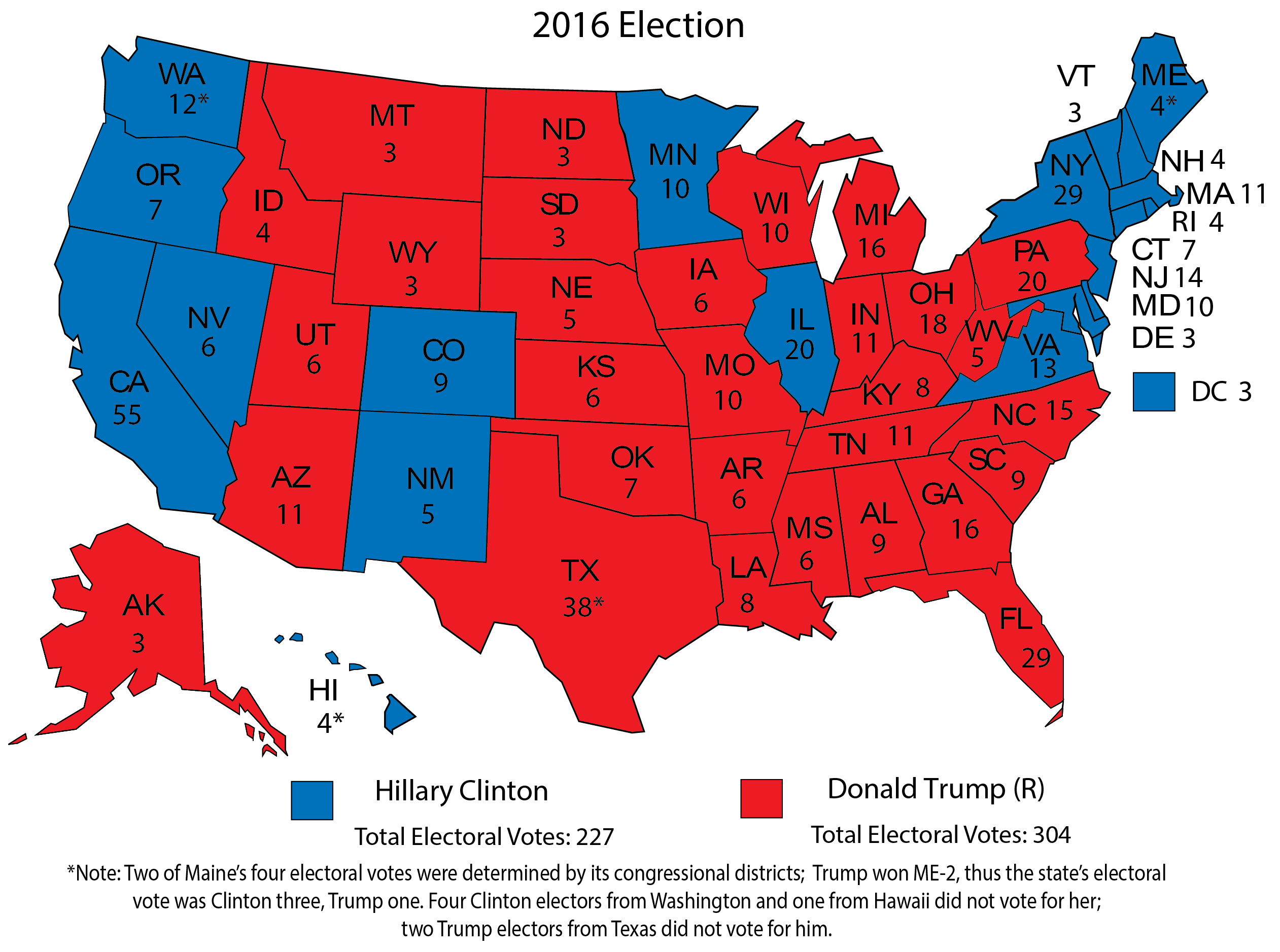
After the 2000 Census, Texas gained two representatives in the House, bringing its total to 32. This increased its Electoral Vote count to 34. A decade later, following the 2010 Census, Texas once again saw significant population growth, leading to a gain of four representatives. This brought its House delegation to 36 members, and thus its Electoral Vote count to 38 (36 representatives + 2 senators).
The most recent reapportionment, following the 2020 Census, saw Texas gain one more representative, bringing its total to 38. This means that Texas currently holds 40 Electoral Votes (38 representatives + 2 senators). This consistent increase underscores Texas‘s rising prominence in the American political landscape. The ability of Texas to consistently gain Electoral Votes makes it a state that presidential campaigns cannot afford to ignore, regardless of their party affiliation.
Understanding the Electoral College and Texas’s Role
The Electoral College is the system by which the United States elects its president and vice president. It’s a unique and often debated aspect of the American political system. When citizens cast their ballots in a presidential election, they are technically voting for a slate of electors pledged to a particular candidate. These electors then formally cast the votes that determine the winner.
How Electoral Votes Translate to Presidential Wins
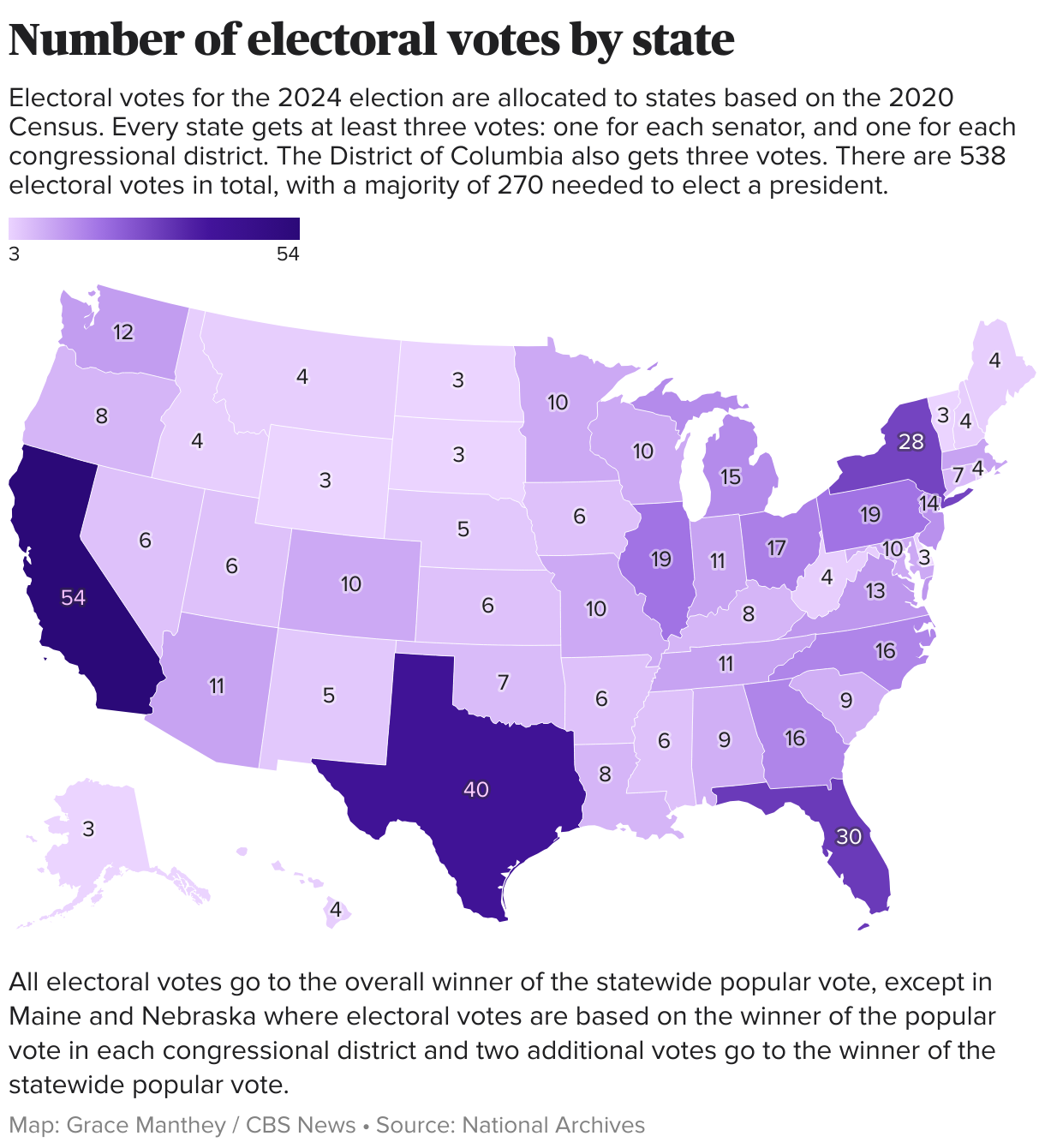
Each state is allocated a number of Electoral Votes equal to its total number of representatives in Congress (representatives in the House plus the two senators). The District of Columbia also receives three Electoral Votes, even though it has no voting representation in Congress. A candidate needs to secure a majority of the total Electoral Votes – currently 270 out of 538 – to win the presidency.
Most states employ a “winner-take-all” system, meaning the candidate who wins the popular vote in that state receives all of its Electoral Votes. This is a critical aspect of why Texas‘s large number of Electoral Votes makes it such a coveted prize. Even if a candidate wins by a narrow margin in Texas, they secure all 40 of its Electoral Votes.
Texas as a Swing State: A Shifting Political Landscape
Historically, Texas has been considered a reliably Republican state. Its large conservative population and strong emphasis on traditional values have led to consistent victories for the Republican Party in presidential elections for decades. However, the state’s rapidly changing demographics, driven by significant growth in its urban centers and a growing Hispanic population, have led to increasing speculation about its potential to become a competitive “swing state” in future elections.
The sheer number of Electoral Votes at stake in Texas makes any shift in its political alignment potentially game-changing for the outcome of a presidential election. Campaigns from both parties now dedicate considerable resources to Texas, understanding that winning the state, or even making it highly competitive, can significantly boost their chances of reaching the 270-vote threshold. This increased attention benefits Texas not only politically but also economically, as campaign visits and events can spur local tourism and business.
The notion of Texas as a purple state, rather than a solid red one, is a topic of intense discussion and analysis. While the Republican Party has historically dominated statewide elections, recent close contests in some congressional districts and increased voter registration among younger and more diverse populations suggest a potential for a more balanced political future. This evolving landscape adds another layer of intrigue to Texas‘s role in national elections.
Factors Influencing Texas’s Electoral Vote Count Beyond the Census
While the census and reapportionment are the primary mechanisms for determining Texas‘s Electoral Vote count, several other factors can indirectly influence this number or, more accurately, its significance and the strategic importance placed upon it by campaigns. These include the state’s overall population growth rate, internal migration patterns, and the engagement of its diverse electorate.
Demographic Shifts and Their Political Implications
Texas is a state in constant flux, characterized by rapid population growth and increasing diversity. The influx of residents from other states, particularly those from more liberal regions, has contributed to a diversification of political viewpoints, especially in the major metropolitan areas. Cities like Austin, Houston, and Dallas are becoming more politically varied, with significant Democratic voter bases emerging and growing.
The growing Hispanic population is another crucial demographic trend. Texas has a large and influential Hispanic electorate, and their voting patterns are a key focus for both political parties. As this demographic continues to grow and participate in the electoral process, it has the potential to reshape the state’s political leanings and, consequently, its impact on the Electoral College.
The Role of Urban Centers and Rural Areas
The political landscape within Texas is often characterized by a stark contrast between its booming urban centers and its more traditional, rural areas. The major cities tend to lean more Democratic, driven by younger populations, greater diversity, and a higher concentration of industries like technology and education. Conversely, many of the rural areas remain staunchly Republican, reflecting a more conservative demographic and traditional values.
This internal divide means that presidential campaigns must strategize carefully to appeal to voters across different regions of the state. A candidate might focus on mobilizing voters in Harris County (home to Houston) and Dallas County, while also working to maintain support in the more conservative Panhandle or East Texas. The ability to bridge this urban-rural divide is crucial for success.

Economic Drivers and Lifestyle Choices
Texas‘s strong economy, driven by industries such as oil and gas, technology, and agriculture, is a significant magnet for new residents. This economic vitality is a primary reason for the state’s rapid population growth, which in turn directly impacts its Electoral College representation. People move to Texas seeking opportunity, and this constant flow of new citizens contributes to the state’s evolving political identity.
Furthermore, the lifestyle offerings in Texas contribute to its appeal. From the vibrant cultural scene in Austin to the historical significance of San Antonio and the cosmopolitan energy of Houston, the state offers a diverse range of experiences. These lifestyle attractions, coupled with economic opportunities, draw a broad spectrum of individuals, further diversifying the electorate and influencing the political discourse. The allure of experiencing the rich culture, sampling the renowned cuisine, and exploring the vast landscapes of Texas draws millions of tourists annually, contributing to the state’s vibrancy and the constant influx of new residents who eventually participate in its political processes. This dynamic interplay between tourism, lifestyle, and economic migration solidifies Texas‘s position as a state with a growing voice in national elections.
In conclusion, the question of “How Many Electoral Votes Are In Texas?” is a gateway to understanding the state’s dynamic political power. With 40 Electoral Votes following the 2020 Census, Texas is a formidable force in United States presidential elections. Its growing population, driven by economic opportunity and diverse lifestyle attractions, ensures that its political landscape will continue to be a focal point for campaigns and a critical determinant of presidential outcomes for years to come. The ongoing shifts within Texas‘s demographics and political leanings make it one of the most compelling states to watch in every election cycle.
LifeOutOfTheBox is a participant in the Amazon Services LLC Associates Program, an affiliate advertising program designed to provide a means for sites to earn advertising fees by advertising and linking to Amazon.com. Amazon, the Amazon logo, AmazonSupply, and the AmazonSupply logo are trademarks of Amazon.com, Inc. or its affiliates. As an Amazon Associate we earn affiliate commissions from qualifying purchases.