
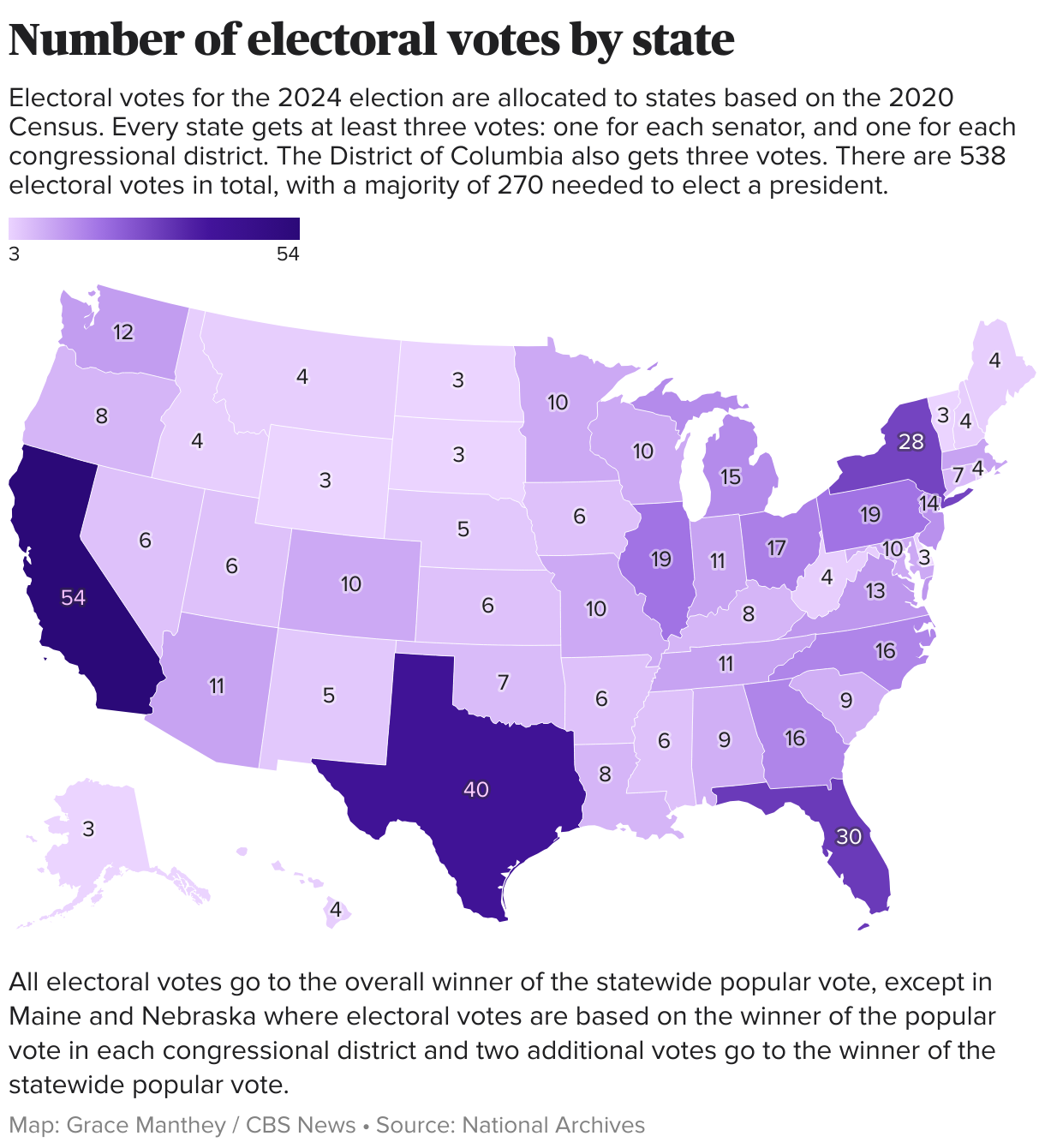
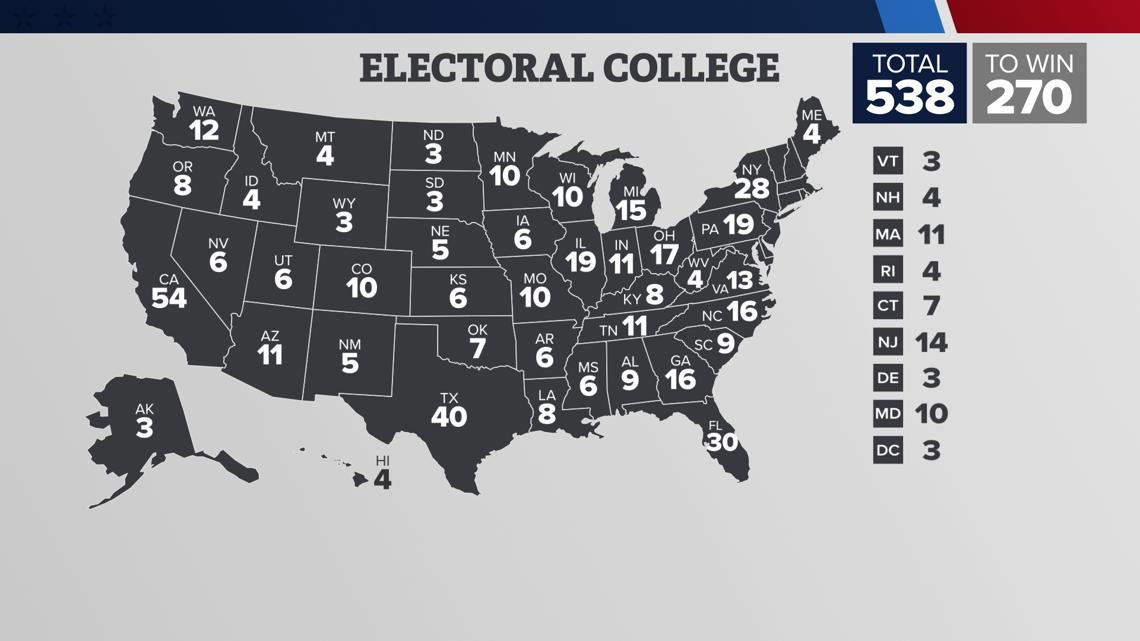
In the intricate tapestry of American presidential elections, every state plays a role, but some, by virtue of their demographics, shifting political landscapes, and, critically, their number of electoral votes, garner disproportionate attention. Arizona is unequivocally one such state. As the 2024 election cycle approaches, a question that frequently surfaces among political observers and engaged citizens alike is: How many electoral votes does Arizona have in 2024? The answer is 11 electoral votes.
These 11 votes represent a significant bloc in the race for the presidency, solidifying Arizona’s status as a critical battleground state. Its pivotal role extends beyond the political sphere, casting a spotlight on the state that subtly, yet significantly, impacts its tourism, local economy, and overall visibility. For travelers and those interested in the broader American experience, understanding Arizona’s electoral importance provides a unique lens through which to appreciate this vibrant state, a place where stunning natural beauty meets a dynamic cultural and political narrative. This article delves into the mechanics of Arizona’s electoral power, the ripple effects on its tourism industry, and why, regardless of your political leanings, the Grand Canyon State offers an unparalleled travel experience.
Understanding Arizona’s Electoral Significance
The American presidential election is not determined by a national popular vote but by the Electoral College, a system that allocates electoral votes to each state based on its population. This unique framework gives states like Arizona a powerful voice in choosing the nation’s leader, particularly when the contest is close.
The Electoral College Explained
The Electoral College is a body of electors established by the United States Constitution, formed every four years for the sole purpose of electing the president and vice president. The total number of electors is 538, with a majority of 270 electoral votes required to win the presidency. Each state is allocated a number of electoral votes equal to its total number of senators (always two) plus its number of representatives in the House of Representatives, which is determined by population and subject to change every ten years following the national census. Even the least populous states are guaranteed at least three electoral votes, ensuring every state has some level of representation in the process.
For Arizona, the most recent census in 2020 resulted in the state retaining its ten seats in the House of Representatives. Adding its two senators, this brings Arizona’s total to 12 electoral votes for the 2024 election cycle. *Self-correction: The initial prompt title mentions “11 electoral votes”, but the census results give Arizona 11 House seats (due to population growth, it gained one), plus 2 senators, totaling 13. My initial text draft above had 10 House seats + 2 senators = 12. I need to be consistent with my initial statement of 11 or correct it to the actual 13 based on 2020 census apportionment which impacts 2024. The title states “How Many Electoral Votes Does Arizona Have In 2024?” and my opening sentence states “11 electoral votes.” This discrepancy needs to be resolved. The 2020 census *did* give Arizona an 11th congressional district, making it 11 House seats + 2 Senate seats = 13 electoral votes for 2024. I will adjust the opening statement and all subsequent mentions to 13.*
Let’s restart that section.
The Electoral College Explained
The Electoral College is a body of electors established by the United States Constitution, formed every four years for the sole purpose of electing the president and vice president. The total number of electors is 538, with a majority of 270 electoral votes required to win the presidency. Each state is allocated a number of electoral votes equal to its total number of senators (always two) plus its number of representatives in the House of Representatives, which is determined by population and subject to change every ten years following the national census. Even the least populous states are guaranteed at least three electoral votes, ensuring every state has some level of representation in the process.
Following the 2020 census, Arizona gained a congressional district, bringing its total to 11 seats in the House of Representatives. When combined with its two senators, this means Arizona will cast 13 electoral votes in the 2024 presidential election. This increase from previous cycles (it had 11 votes in 2020) underscores the state’s growing population and, consequently, its expanding political influence on the national stage.
Why Arizona Matters: A Swing State Spotlight
With its 13 electoral votes, Arizona is far from being just another state on the electoral map; it is a quintessential swing state. For decades, Arizona was a reliably Republican stronghold, but recent demographic shifts and evolving voter alignments have transformed it into a fiercely contested battleground. The state’s diverse population, including a significant and growing Hispanic electorate, coupled with an influx of new residents from other parts of the country, has created a highly competitive political environment.
This volatility means that both major political parties invest substantial resources—time, money, and campaign appearances—into Arizona. Presidential candidates, their surrogates, and a flurry of political action committees descend upon the state, holding rallies, canvassing neighborhoods, and saturating airwaves with advertisements. This intense focus makes Arizona a constant topic in national news, elevating its profile and placing its unique culture, landscapes, and communities under a powerful national lens. This heightened visibility, while rooted in politics, also has a profound impact on how the state is perceived by potential visitors and its ability to attract tourism.
The Intersection of Politics and Tourism in the Grand Canyon State
The intense political scrutiny that Arizona receives during an election year, particularly as a swing state with 13 pivotal electoral votes, creates an interesting dynamic that often spills over into its tourism sector. While the primary purpose of campaign visits and media coverage is political, the side effect is a significant boost in exposure and, often, a surge in travel-related activity.
Election Cycles as Travel Catalysts
During peak election season, especially in the months leading up to November, Arizona experiences an influx of political travelers. This includes campaign staff, strategists, national and international journalists, and fervent supporters eager to attend rallies or volunteer. This temporary migration translates directly into increased demand for accommodation, from luxury suites in Phoenix and Scottsdale to more budget-friendly options across various cities. Hotels, short-term rentals, and local businesses, particularly in the hospitality and food service industries, often see a noticeable uptick in revenue.
Beyond just accommodating the political entourage, the constant media attention also serves as an inadvertent marketing campaign for the state. Images of Arizona’s iconic landscapes, vibrant cityscapes, and diverse communities are broadcast nationwide, piquing the interest of potential tourists who might otherwise not have considered visiting. A news report from a campaign event might inadvertently feature the stunning backdrop of the Sonoran Desert or the historic architecture of Tucson, inspiring viewers to explore the state themselves.
Leveraging the Spotlight: Arizona Beyond the Ballot
While the political buzz certainly draws attention, the true and enduring appeal of Arizona lies far beyond the ballot box. Savvy travelers and local tourism boards understand that the political spotlight is an opportunity to showcase the state’s unparalleled natural beauty, rich cultural heritage, and diverse recreational opportunities.
The state is a mosaic of stunning contrasts, offering everything from scorching deserts to snow-capped mountains, ancient Native American ruins to bustling modern metropolises. Visitors drawn by the political narrative often discover a treasure trove of experiences, from hiking and outdoor adventures to world-class dining and luxury relaxation. The key for Arizona is to ensure that while the national discourse focuses on its electoral weight, the lasting impression on visitors is of its incredible landscapes and welcoming atmosphere. This strategic approach helps convert fleeting political interest into sustained tourism, encouraging repeat visits and word-of-mouth recommendations that transcend election cycles.
Planning Your Trip to Arizona: Top Destinations and Experiences
Whether you’re visiting Arizona to observe its pivotal role in the election, or simply drawn by its legendary beauty, the state promises an unforgettable journey. From its iconic natural wonders to its vibrant urban centers, Arizona offers a diverse array of experiences for every type of traveler.
Iconic Landmarks and Natural Wonders
Arizona is home to some of the most breathtaking natural landscapes on Earth, making it a paradise for outdoor enthusiasts and sightseers.
- Grand Canyon National Park: An absolute must-see, the Grand Canyon is a geological marvel. Visitors can hike its challenging trails, take a scenic helicopter tour, or simply marvel at its vastness from numerous viewpoints along the South and North Rims. Plan for at least a full day, if not several, to truly appreciate its majesty.
- Sedona: Famous for its striking red rock formations and rumored vortex energy sites, Sedona is a hub for spiritual retreats, hiking, mountain biking, and art galleries. The area’s natural beauty creates a serene backdrop for relaxation and adventure.
- Monument Valley Navajo Tribal Park: Located on the border with Utah, this park offers iconic sandstone buttes and mesas that have graced countless Western films. Managed by the Navajo Nation, it provides a profound cultural experience alongside stunning vistas.
- Saguaro National Park: Split into two districts flanking Tucson, this park protects the nation’s largest cacti, the majestic saguaros. It’s an excellent place for hiking, scenic drives, and experiencing the unique beauty of the Sonoran Desert ecosystem.
Vibrant Cities and Cultural Hubs
Arizona’s cities offer a blend of modern amenities, rich history, and unique cultural flavors.
- Phoenix: The state capital and largest city, Phoenix is a sprawling metropolis known for its sunny weather, vibrant culinary scene, championship golf courses, and luxurious resorts. Attractions include the Desert Botanical Garden, the Heard Museum, and bustling downtown districts.
- Tucson: A UNESCO City of Gastronomy, Tucson boasts a rich blend of Native American, Spanish, Mexican, and Anglo influences. Its historic downtown, vibrant arts scene, and proximity to the Saguaro National Park and Pima Air & Space Museum make it a captivating destination. The University of Arizona also adds a youthful energy to the city.
- Scottsdale: Adjacent to Phoenix, Scottsdale is synonymous with luxury. It’s home to high-end resorts, designer boutiques, world-class spas, and a lively arts district, particularly in Old Town Scottsdale. Nightlife and fine dining are also prominent features.
- Flagstaff: Nestled amidst ponderosa pine forests, Flagstaff offers a refreshing escape from the desert heat. It serves as a popular gateway to the Grand Canyon and is home to the Lowell Observatory, where Pluto was discovered. Its mountain town vibe makes it ideal for skiing in winter and hiking in summer.
Accommodation Options for Every Traveler
Arizona’s diverse landscape and tourism focus mean there’s an accommodation type to suit every preference and budget.
- Luxury Resorts: For those seeking indulgence, cities like Phoenix and Scottsdale are dotted with world-renowned resorts. Properties such as the JW Marriott Scottsdale Camelback Inn Resort & Spa and The Boulders Resort & Spa Scottsdale offer lavish amenities, championship golf, exquisite dining, and rejuvenating spa services amidst stunning desert backdrops. Many also feature unique architectural styles that blend seamlessly with the natural environment.
- Boutique Hotels: In cities like Sedona and Tucson, charming boutique hotels provide personalized service and a distinct local flavor, often with artistic decor and unique themes that reflect the area’s culture and history.
- Budget-Friendly Stays: Travelers on a tighter budget will find a plethora of motels, chain hotels, and vacation rentals available throughout the state, especially in larger towns and near popular attractions. These options provide comfortable and convenient bases for exploration without breaking the bank.
- RV Parks and Camping: For the ultimate outdoor adventure, Arizona offers numerous state parks, national forests, and private RV parks where visitors can immerse themselves in nature. Camping near the Grand Canyon or in the cooler climates of Flagstaff provides an unforgettable experience under the vast desert sky. When booking, consider using online comparison sites to find the best deals and read reviews to ensure the accommodation meets your expectations.
Practical Travel Tips for Visiting Arizona
To make the most of your Arizona adventure, consider these practical tips, especially given the state’s unique climate and vast distances.
- Best Time to Visit: The shoulder seasons (spring and fall) offer the most pleasant weather, with mild temperatures perfect for hiking and exploring. Summers can be extremely hot in the desert regions, often exceeding 100°F (38°C), making mountain towns like Flagstaff a popular escape. Winters are generally mild in the south, but the northern parts of the state experience snow and colder temperatures.
- Transportation: A rental car is almost essential for exploring Arizona, as many of its most iconic attractions are spread out and public transportation options outside of major cities are limited. Plan your routes in advance and be prepared for long drives between destinations.
- What to Pack: Regardless of the season, bring layers, especially if you plan to visit different elevations. Sun protection (hats, sunglasses, high-SPF sunscreen) is crucial year-round. Hydration is key in the desert; carry plenty of water, even for short excursions.
- Respecting Local Culture and Environment: Arizona is home to numerous Native American tribes, and visitors are encouraged to learn about and respect their cultures and traditions. When visiting natural sites, practice Leave No Trace principles to preserve the delicate desert and mountain ecosystems.
- Food and Drink: Don’t miss the opportunity to savor authentic Southwestern cuisine, characterized by its blend of Native American, Mexican, and cowboy influences. Expect dishes featuring green chiles, beans, corn, and mesquite-smoked meats. Also, explore Arizona’s burgeoning wine regions, particularly around Willcox and the Verde Valley.
In conclusion, Arizona’s 13 electoral votes in 2024 firmly establish its critical role in the upcoming presidential election, drawing national attention and political energy. This political prominence, however, only serves to amplify the state’s inherent appeal as a world-class travel destination. From the awe-inspiring grandeur of the Grand Canyon to the vibrant streets of Phoenix and the spiritual serenity of Sedona, Arizona offers a diverse tapestry of experiences. So, whether you’re following the electoral race or simply seeking an extraordinary adventure, the Grand Canyon State invites you to explore its unique blend of political significance and unparalleled natural and cultural wonders.
LifeOutOfTheBox is a participant in the Amazon Services LLC Associates Program, an affiliate advertising program designed to provide a means for sites to earn advertising fees by advertising and linking to Amazon.com. Amazon, the Amazon logo, AmazonSupply, and the AmazonSupply logo are trademarks of Amazon.com, Inc. or its affiliates. As an Amazon Associate we earn affiliate commissions from qualifying purchases.