
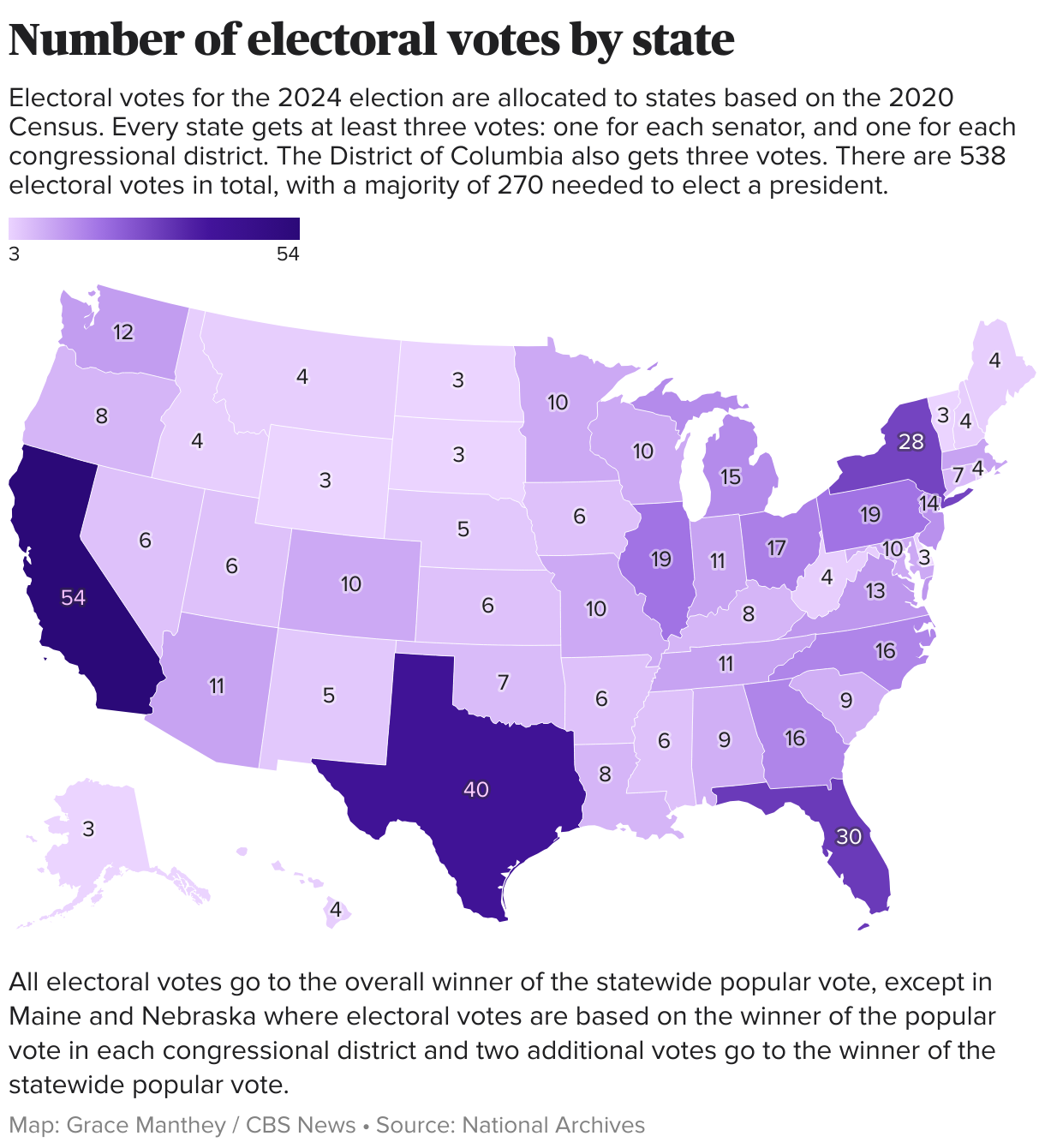
Colorado, often celebrated for its majestic Rocky Mountains, vibrant cities, and unparalleled outdoor adventures, plays a significant role in the political landscape of the United States. Beyond its allure as a premier travel destination, the Centennial State holds a specific number of electoral votes that contribute to the presidential election process. Currently, Colorado has 10 electoral votes. This allocation is a direct reflection of its population, which has seen substantial growth over the past few decades, elevating its influence in national elections. The number of electoral votes a state possesses is a crucial aspect of American democracy, determining the weight of its citizenry’s voice in choosing the nation’s leader. While many might initially associate Colorado with its ski resorts, craft breweries, and breathtaking national parks, understanding its electoral standing provides a deeper appreciation for its multifaceted identity. This article delves into the mechanics behind Colorado’s electoral count, its historical shifts, and how this dynamic state continues to evolve both politically and as a magnet for tourism and lifestyle opportunities.
The Electoral College System and Colorado’s Influence
The presidential election in the United States is not decided by a national popular vote alone but through the Electoral College, a system established by the country’s founding fathers. Under this system, each state is allocated a number of electoral votes based on its total congressional delegation – the sum of its two senators (which all states have, regardless of population) and its number of representatives in the House of Representatives (which is determined by population). The District of Columbia, though not a state, is granted three electoral votes. To win the presidency, a candidate must secure an absolute majority of the 538 total electoral votes, which currently stands at 270.
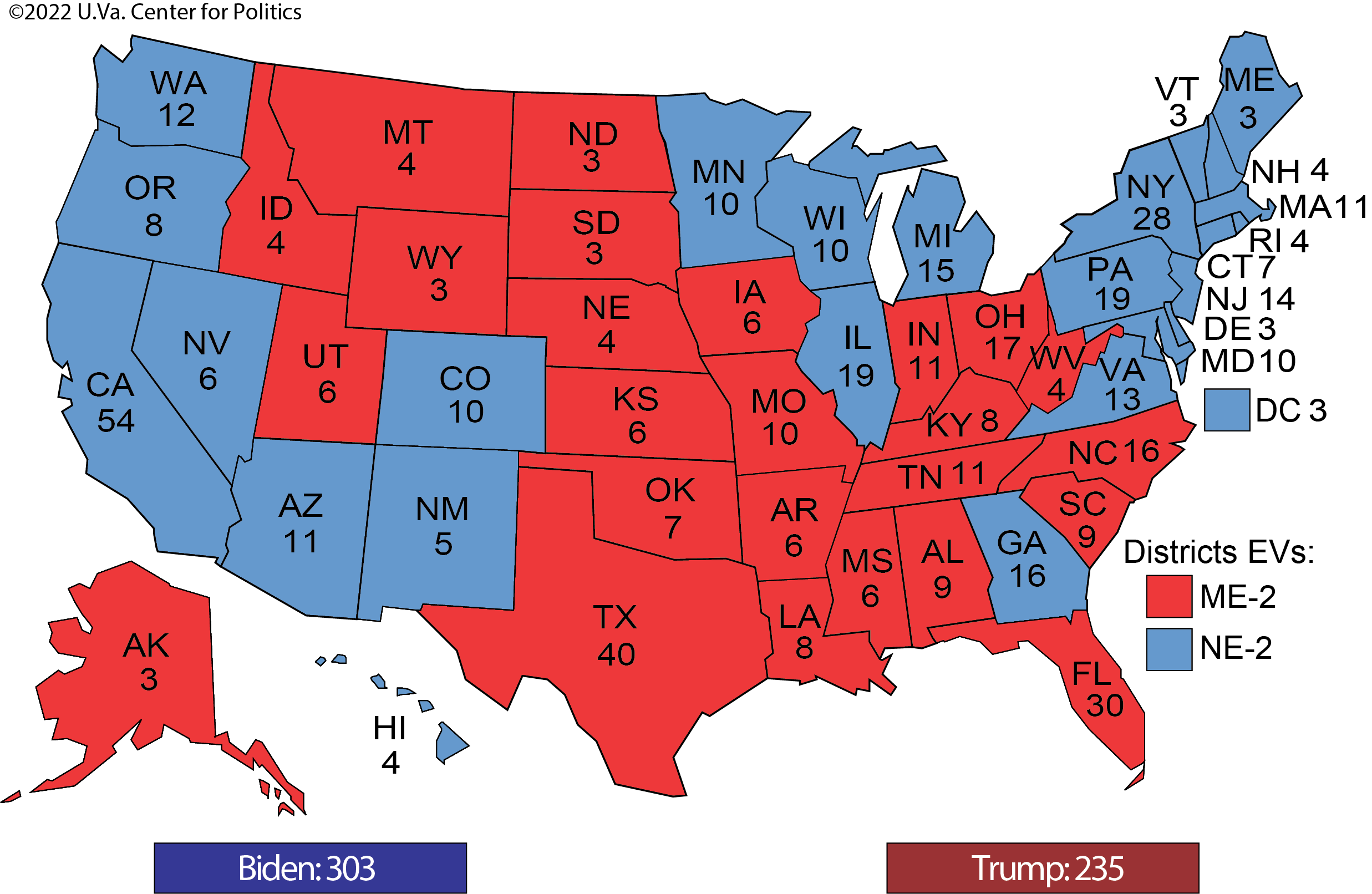
Colorado’s 10 electoral votes are a testament to its growing population and economic vitality. For decades, the state was considered a reliably “red” (Republican) state, but shifts in demographics, particularly the influx of younger, diverse populations, have transformed it into a pivotal swing state. This transition means that presidential candidates and their campaigns invest significant time, resources, and attention into Colorado, hosting rallies, running advertisements, and engaging with voters to sway public opinion. The state’s political landscape is now characterized by fierce competition, making every single one of its 10 electoral votes hotly contested and immensely valuable in a close election. Its status as a battleground state also impacts policy discussions, as candidates often tailor their platforms to address issues relevant to Colorado residents, ranging from environmental conservation and energy policy to healthcare and economic development.
Population Dynamics and Electoral Reapportionment
The number of electoral votes each state holds is not static; it is subject to change every ten years following the decennial census, as mandated by the U.S. Constitution. The process, known as reapportionment, reallocates seats in the House of Representatives among the states to reflect population shifts. States that experience significant population growth may gain electoral votes, while those with slower growth or population decline may lose them. Colorado has been a prime example of a state on an upward trajectory.
In the 2020 census, Colorado demonstrated robust population expansion, adding a new congressional district and, consequently, an additional electoral vote. Prior to 2020, Colorado held 9 electoral votes. The increase to 10 electoral votes, effective for the 2024 presidential election, underscores the state’s burgeoning status as a desirable place to live and work. This growth is driven by various factors, including job opportunities in technology, aerospace, and renewable energy sectors, alongside the allure of its outdoor lifestyle and scenic beauty. The new electoral vote not only amplifies Colorado’s voice in presidential elections but also gives it an extra representative in Congress, enabling more specific advocacy for the state’s interests at the federal level. This continuous demographic evolution ensures that Colorado will remain a focal point for political strategists and a dynamic player in national politics for the foreseeable future.
Colorado’s Electoral History and Evolving Political Identity
Colorado’s political leanings have undergone a significant transformation over the past few decades, reflecting broader demographic and cultural shifts within the United States. Historically, from its statehood in 1876 through much of the 20th century, Colorado was predominantly Republican. This was largely influenced by its agrarian roots, the prevalence of conservative values in rural areas, and a focus on resource industries like mining and ranching. However, beginning in the late 20th and early 21st centuries, a dramatic shift began to occur, turning the state from a reliably red stronghold into a purple battleground, and more recently, leaning decidedly blue (Democratic) in presidential elections.
This evolution can be attributed to several intertwined factors. One of the most prominent is the rapid urbanization of the state, particularly the growth of the Denver metropolitan area and the Front Range corridor. Cities like Denver, Boulder, and Fort Collins have attracted a highly educated and diverse workforce, many of whom migrate from other parts of the country, bringing with them more liberal political viewpoints. The expansion of technology sectors, higher education institutions, and a burgeoning creative economy have contributed to a more cosmopolitan and progressive culture, particularly among younger voters. Simultaneously, issues such as environmental protection, social justice, and marijuana legalization have resonated strongly with a significant portion of the electorate, further solidifying the state’s move towards the Democratic Party.
Key Urban Centers and Their Impact on the Vote
The political landscape of Colorado is heavily influenced by its population distribution, with the majority of voters concentrated along the Front Range. This corridor, stretching from Fort Collins in the north through Denver and Colorado Springs to Pueblo in the south, acts as the primary driver of electoral outcomes.
- Denver Metropolitan Area: As the state capital and largest city, Denver is a strong Democratic bastion. Its diverse population, vibrant arts scene, and progressive policies set the tone for much of the state’s political direction. The city and its surrounding suburbs, including areas like Aurora and Lakewood, consistently deliver significant Democratic majorities, often offsetting more conservative votes from rural areas. Denver is not only a political hub but also a major economic engine, attracting a wide array of businesses and fostering a dynamic urban lifestyle. For visitors, Denver offers a plethora of hotels, from boutique options to luxury resorts, catering to every travel preference.
- Boulder County: Home to the University of Colorado Boulder, Boulder is renowned for its progressive politics, environmental activism, and health-conscious lifestyle. It consistently registers some of the highest Democratic vote percentages in the state. Boulder’s commitment to sustainability and outdoor living attracts a specific demographic, further solidifying its political identity. Its scenic location at the foothills of the Rocky Mountains also makes it a popular destination for tourism, with numerous charming accommodations and health-focused dining experiences.
- Colorado Springs: In contrast to Denver and Boulder, Colorado Springs has historically been a conservative stronghold, often referred to as a “military city” due to the presence of United States Air Force Academy, Fort Carson, and other defense installations. While still leaning Republican, the city has experienced its own demographic shifts and some moderate growth, leading to a more nuanced political landscape. Its numerous landmarks, such as the Garden of the Gods, make it a significant tourist attraction.
- Rural Colorado: The vast rural areas of Colorado, particularly on the Eastern Plains and the Western Slope, generally remain conservative. These areas often prioritize issues related to agriculture, resource management, and traditional values. While their population density is lower, their collective voice is still a vital component of the state’s overall political balance. Many rural towns offer unique accommodation options, from cozy bed and breakfasts to rustic cabins, providing a different kind of lifestyle experience.
The interplay between these diverse regions, each with its unique demographic and political characteristics, makes Colorado’s electoral outcomes consistently compelling and often unpredictable. The state’s 10 electoral votes are therefore not just a number, but a representation of this intricate dance between urban progressive growth and enduring rural conservatism.
Beyond the Ballot Box: Exploring the Centennial State’s Allure
While Colorado’s 10 electoral votes are significant in the context of national politics, the state offers so much more beyond its political influence. Colorado is a world-renowned destination for travel, tourism, and lifestyle, celebrated for its diverse landscapes, vibrant culture, and endless opportunities for adventure. It consistently ranks high on lists for quality of life, outdoor recreation, and overall desirability, making it a dream destination for travelers and a beloved home for residents.
A Hub for Travel and Adventure
Colorado’s natural beauty is unparalleled, drawing millions of visitors each year seeking adventure and relaxation. The state is a paradise for outdoor enthusiasts, offering everything from world-class skiing and snowboarding in winter to hiking, mountain biking, climbing, and white-water rafting in warmer months. Destinations like Aspen, Vail, Breckenridge, and Steamboat Springs are iconic for their ski resorts, providing luxurious hotels, charming lodges, and an array of accommodation options suited for every budget and preference, from high-end suites to family-friendly apartments. These towns are not just for winter sports; they transform into vibrant hubs for hiking, music festivals, and scenic gondola rides during the summer, offering year-round experiences.
The state’s tourism industry thrives on its commitment to showcasing its natural wonders. Guided tours are available for almost every activity, whether it’s fly-fishing on the Arkansas River, exploring ancient cliff dwellings, or embarking on a scenic drive along one of its many byways. Food tourism is also burgeoning, with local culture emphasizing farm-to-table dining, craft breweries, and innovative culinary experiences found in cities like Denver and Boulder. For those seeking a blend of urban sophistication and outdoor access, Denver acts as a perfect gateway, offering a wide selection of hotels, fine dining, cultural attractions, and easy access to the mountains.
Iconic Landmarks and Natural Wonders
Colorado is home to an impressive collection of natural and man-made landmarks that captivate visitors from across North America and beyond. These sites are not just tourist attractions; they are integral to the state’s identity and provide profound experiences.
- Rocky Mountain National Park: One of the most famous national parks in the United States, it features stunning alpine landscapes, abundant wildlife, and over 300 miles of hiking trails. Trail Ridge Road, the highest continuous paved road in North America, offers breathtaking panoramic views. Visitors can find various accommodation types in nearby towns like Estes Park, from rustic cabins to full-service resorts.
- Mesa Verde National Park: A UNESCO World Heritage Site, this park preserves the ancestral Puebloan cliff dwellings, offering a glimpse into an ancient civilization. Its historical significance is immense, making it a unique cultural landmark.
- Great Sand Dunes National Park and Preserve: Home to the tallest dunes in North America, this park provides a surreal desert landscape nestled against the backdrop of the Sangre de Cristo Mountains. Sandboarding and sand sledding are popular activities, offering an unforgettable adventure.
- Garden of the Gods: Located near Colorado Springs, this registered National Natural Landmark is famous for its towering red rock formations that seem to defy gravity. It’s a popular spot for hiking, rock climbing, and photography.
- Red Rocks Amphitheatre: An iconic outdoor music venue carved into massive red rock formations near Morrison, it’s not just a concert hall but a geological marvel and a landmark in its own right. Its unique acoustics and stunning setting make it a bucket-list destination for music lovers.
These landmarks, among many others, contribute significantly to Colorado’s tourism appeal, offering experiences that range from serene natural beauty to deep historical dives, solidifying its place as a premier travel destination.

Lifestyle and Accommodation Opportunities
Colorado’s lifestyle is often characterized by its emphasis on health, wellness, and outdoor living. This “active lifestyle” ethos permeates various aspects of daily life, from its culinary scene focused on fresh, local ingredients to its widespread availability of fitness centers and outdoor recreational facilities. Whether one prefers luxury travel or budget travel, family trips or business stays, Colorado offers accommodation and experiences to match.
For those considering a long-term stay or even relocation, the state provides a diverse housing market, from urban apartments in Denver’s vibrant neighborhoods to secluded mountain cabins and sprawling ranches. The growing population, which also influences its electoral votes, is partly fueled by individuals seeking this high quality of life. Hotels across the state, from upscale resorts in Aspen and Vail to boutique hotels in Boulder and budget-friendly options in smaller towns, reflect this diversity. Many accommodations emphasize amenities that cater to the outdoor lifestyle, such as ski-in/ski-out access, bike storage, and spa services for post-adventure relaxation. Booking platforms offer extensive reviews and comparison tools to help travelers find the perfect fit, whether they’re looking for a romantic retreat, a family-friendly resort with a pool, or a quiet villa for a long-term escape.
In essence, Colorado presents a compelling blend of political significance and lifestyle appeal. Its 10 electoral votes are a testament to its dynamic population growth and evolving political identity, making it a state to watch during election cycles. Simultaneously, its breathtaking landscapes, vibrant cities, and commitment to an active, healthy lifestyle ensure its enduring status as a top-tier destination for travel, tourism, and a sought-after place to call home.
LifeOutOfTheBox is a participant in the Amazon Services LLC Associates Program, an affiliate advertising program designed to provide a means for sites to earn advertising fees by advertising and linking to Amazon.com. Amazon, the Amazon logo, AmazonSupply, and the AmazonSupply logo are trademarks of Amazon.com, Inc. or its affiliates. As an Amazon Associate we earn affiliate commissions from qualifying purchases.