
Nestled in the heart of the Pacific Ocean, Hawaii stands as a beacon of natural beauty, cultural richness, and political significance within the United States. While its sun-kissed beaches and volcanic landscapes often capture the imagination of travelers worldwide, the state also plays a crucial role in the American democratic process. A common question, particularly during election cycles, revolves around its political weight: How many electoral votes does Hawaii have?
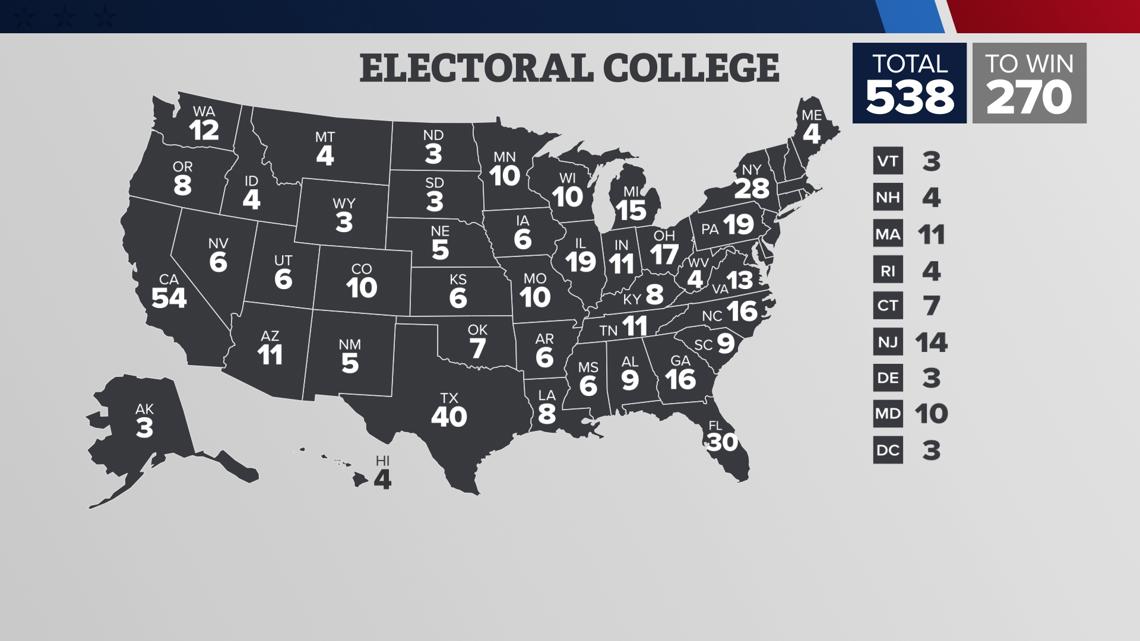
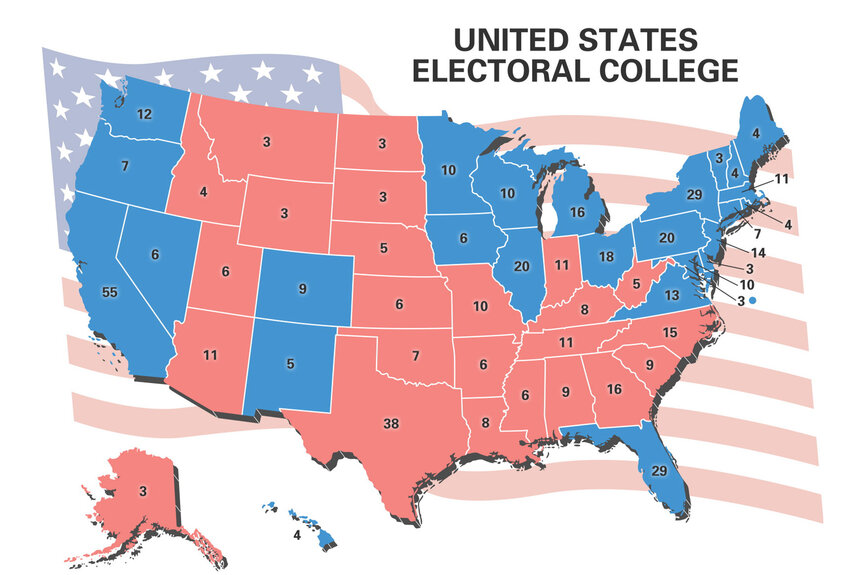
The answer is four electoral votes. This seemingly modest number belies a complex history and a vibrant contemporary identity that transcends mere political arithmetic. Hawaii’s four electoral votes are comprised of two votes representing its two senators (as every U.S. state receives two regardless of population) and two votes corresponding to its two congressional districts based on its population as determined by the U.S. Census. While this number places Hawaii among states with fewer electoral votes, its unique position and cultural influence often resonate far beyond its numerical representation. Understanding this political facet adds another layer of appreciation for what makes the Aloha State truly extraordinary, inviting visitors to delve deeper into its history, explore its diverse attractions, and immerse themselves in its distinctive lifestyle.

The Electoral College and Hawaii’s Representation
The Electoral College is the mechanism by which the President and Vice President of the United States are indirectly elected. Each state is allocated a number of electoral votes equal to its total number of senators (always two) plus its number of representatives in the House of Representatives (which is based on population). With two senators and two representatives, Hawaii totals four electoral votes. This system ensures that even less populous states retain a voice in presidential elections, preventing a scenario where a few highly populated states could solely decide the outcome. For Hawaii, these four votes represent the collective voice of its diverse population, from the bustling streets of Honolulu to the tranquil shores of Kauai.
While four electoral votes might not swing an election on their own, they are consistently sought after by presidential candidates who understand the importance of securing every possible vote. Campaigns frequently make stops in Hawaii, engaging with local communities, addressing specific issues relevant to island life, and appreciating the state’s unique perspective on national and international affairs. This interaction highlights that political representation is not solely about raw numbers, but also about the diverse narratives and experiences that each state brings to the national dialogue.
Historical Context: From Monarchy to Statehood
Hawaii’s journey to becoming the 50th state is unlike any other in the United States. Once an independent kingdom with a rich royal history, it was later overthrown by American and European businessmen in 1893, leading to its annexation as a U.S. territory in 1898. The path to statehood was long and complex, marked by debates over its strategic importance, its multi-ethnic population, and the rights of its indigenous people. However, after decades as a territory, Hawaii finally achieved statehood on August 21, 1959.
This transition was a pivotal moment, granting Hawaii full political representation, including its senators and representatives, and thus its electoral votes. The memory of its distinct past remains a vital part of its identity, influencing its political discourse, cultural preservation efforts, and even its approach to tourism. Visitors to Hawaii can explore significant historical landmarks that tell this compelling story. Sites such as the Iolani Palace in Honolulu, the only official residence of royalty in the United States, offer a glimpse into the opulent life of the Hawaiian monarchy and the dramatic events that led to its end. The somber yet profoundly moving Pearl Harbor National Memorial also serves as a poignant reminder of Hawaii’s strategic role in global conflicts and its deep connection to the United States’ modern history, further solidifying its place in the national consciousness. Understanding this historical trajectory enriches any visit, allowing for a deeper appreciation of the political and cultural tapestry that defines contemporary Hawaii.
Population Dynamics and Electoral Impact
The allocation of electoral votes is directly tied to a state’s population. With approximately 1.4 million residents, Hawaii maintains a population size that justifies its two representatives in the House. The state’s population is predominantly concentrated on the island of Oahu, home to roughly 70% of Hawaii’s residents and its capital city, Honolulu. The remaining population is distributed across the other major islands, including Maui, the Big Island (Hawaii Island), and Kauai.
The unique demographic makeup of Hawaii is a vibrant mosaic of cultures, largely influenced by a history of immigration from Asia, the Pacific Islands, and the continental United States. This diversity is reflected in its political landscape and the issues that resonate most with its electorate. Concerns such as environmental protection, sustainable tourism, indigenous rights, and the cost of living are often at the forefront of local political discussions, directly influencing the platforms of candidates seeking to represent the state at both federal and local levels. The steady influx of visitors and new residents, driven by Hawaii’s allure as a vacation destination and place to live, continually shapes its demographic profile, which in turn can subtly influence future redistricting efforts and the state’s electoral weight. Therefore, the dynamics of tourism and lifestyle choices play a long-term role in Hawaii’s political trajectory.
Beyond the Ballot Box: Hawaii’s Allure as a Destination
While its four electoral votes confirm Hawaii’s standing in the national political arena, it is arguably its unparalleled natural beauty and vibrant culture that truly captivate the world. For many, Hawaii is synonymous with paradise, a dream destination offering a kaleidoscopic array of experiences, from thrilling adventures to serene relaxation. The state’s economy is heavily reliant on tourism, which creates a symbiotic relationship between its political decisions and its global appeal. Policies around environmental conservation, infrastructure development, and cultural preservation directly impact the visitor experience and, by extension, the state’s economic health.
The allure of Hawaii is multifaceted, drawing millions of visitors each year seeking an escape to its pristine beaches, lush rainforests, and active volcanoes. Each island offers a distinct personality and a unique set of attractions, ensuring that there is an adventure for every type of traveler. From the iconic surf breaks of Oahu to the dramatic cliffs of Kauai, and the volcanic wonders of the Big Island, Hawaii is a destination that consistently exceeds expectations.
Iconic Islands and Unforgettable Experiences
Each of Hawaii’s main islands presents its own unique tapestry of landscapes and experiences, inviting exploration and discovery.
- Oahu: The Gathering Place
Home to the capital city of Honolulu and the world-famous Waikiki Beach, Oahu is a bustling hub where urban sophistication meets natural splendor. Visitors can hike to the summit of Diamond Head for panoramic views, learn to surf on legendary North Shore waves, or delve into history at Pearl Harbor. The island seamlessly blends vibrant nightlife, diverse culinary scenes, and cultural landmarks with stunning natural backdrops.
-
Maui: The Valley Isle
Renowned for its luxurious resorts, picturesque beaches, and the scenic Road to Hana, Maui offers a blend of adventure and relaxation. Witnessing the sunrise from the dormant Haleakala volcano is a transformative experience, while snorkeling in the vibrant reefs of Molokini Crater reveals an underwater paradise. Its charming towns like Lahaina boast rich whaling history and contemporary art galleries. -
Kauai: The Garden Isle
Characterized by its dramatic, emerald-green landscapes and rugged coastline, Kauai is a haven for nature lovers and outdoor adventurers. The breathtaking Na Pali Coast, accessible by boat or helicopter, is an iconic sight, while the vast Waimea Canyon, often dubbed the “Grand Canyon of the Pacific,” offers spectacular hiking trails. Princeville on the north shore offers stunning vistas and world-class golf. -
Hawaii Island: The Big Island
True to its name, the Big Island is geographically diverse, encompassing everything from active volcanoes to snow-capped peaks. Hawaii Volcanoes National Park is home to Kilauea, one of the world’s most active volcanoes, where visitors can witness the raw power of creation. The island also features black sand beaches, lush coffee plantations in Kona, and the stargazing opportunities atop Mauna Kea. The towns of Hilo and Kona offer distinct vibes, one verdant and rainy, the other sunny and dry.
World-Class Accommodations and Culinary Delights
Hawaii’s status as a premier tourist destination is further cemented by its exceptional range of accommodations and a culinary scene that tantalizes the taste buds. From ultra-luxury resorts to charming boutique hotels and cozy vacation rentals, the islands cater to every preference and budget.
-
Luxury Resorts: Iconic names like the Four Seasons Resort Maui at Wailea, the Grand Hyatt Kauai Resort & Spa, and Aulani, A Disney Resort & Spa offer unparalleled amenities, including championship golf courses, sprawling pools, and world-class spas. These establishments provide not just a place to stay, but an immersive experience in Hawaiian hospitality.
-
Boutique Hotels and Vacation Rentals: For those seeking a more intimate or localized experience, boutique hotels and private vacation rentals provide a unique charm. These options often offer a closer connection to local communities and a taste of authentic island living. Websites facilitate easy booking, comparison, and reviews, helping travelers find their perfect temporary home, whether for a short getaway or a long-term stay.
-
Culinary Journey: Hawaiian cuisine is a delicious fusion of Polynesian, Asian, and American influences, heavily emphasizing fresh, local ingredients. Visitors can indulge in everything from traditional luau feasts, featuring kalua pig and poi, to modern farm-to-table dining experiences showcasing freshly caught seafood and tropical fruits. Popular dishes like poke bowls, shaved ice, and local plate lunches are culinary staples that reflect the islands’ diverse heritage. Many resorts and hotels boast award-winning restaurants that elevate these local flavors to gourmet levels, making dining a highlight of any trip. The thriving food truck scene, particularly on Oahu and Maui, also offers accessible and authentic culinary adventures.
The Hawaiian Lifestyle: A Blend of Tradition and Modernity
Beyond the breathtaking scenery and the electoral process, the heart of Hawaii lies in its distinctive lifestyle and the deeply ingrained “Aloha Spirit.” This philosophy, embodying love, peace, compassion, and mutual respect, permeates every aspect of life on the islands, influencing everything from daily interactions to the state’s political and environmental policies. It’s a lifestyle that prioritizes connection to nature, community, and cultural heritage, even as it embraces the conveniences of modern living.
The Hawaiian lifestyle is characterized by a slower pace, an emphasis on outdoor activities, and a profound respect for the aina (land) and kai (ocean). Whether it’s morning surfing sessions, sunset beach strolls, or community gatherings, life in Hawaii is lived in harmony with its natural surroundings. This cultural backdrop also shapes how Hawaii approaches its economic development and its role in the larger global community, often advocating for sustainable practices and environmental protection.
Sustainable Tourism and Preserving Paradise
As a major tourism destination, Hawaii faces the ongoing challenge of balancing economic growth with environmental preservation and cultural integrity. The concept of sustainable tourism is not just a buzzword here; it is a critical directive. The state actively promotes responsible travel, encouraging visitors to respect natural resources, support local businesses, and engage with the culture in meaningful ways. Initiatives like “Malama Aina” (care for the land) and various conservation programs are integral to maintaining the islands’ pristine condition for future generations.
Many hotels and resorts, including major brands like Marriott and Hilton, have adopted sustainable practices, from reducing plastic waste and conserving water to sourcing local produce and supporting renewable energy. Travelers are encouraged to participate by choosing eco-friendly accommodations, adhering to trail guidelines, and learning about local customs. This commitment to sustainability ensures that [Hawaii](https://lifeoutofthebox.com/hawaii] remains a vibrant and healthy ecosystem, essential for both its residents and the millions of tourists who seek its beauty.
Economic Drivers and Future Outlook
Tourism is undeniably the largest economic driver in Hawaii, directly and indirectly supporting a vast array of businesses, from hotels and airlines to local shops and restaurants. This industry generates billions of dollars annually and creates tens of thousands of jobs, making the health of the tourism sector intrinsically linked to the overall well-being of the state. The decisions made by Hawaii’s elected officials, those who represent its four electoral votes, often have a profound impact on this vital industry.
However, Hawaii is also actively working to diversify its economy, with growing sectors in renewable energy, technology, and sustainable agriculture. These emerging industries aim to create more resilient and diversified economic opportunities, reducing the state’s reliance on a single sector. This forward-looking approach reflects Hawaii’s commitment to long-term prosperity and its unique position as a hub for innovation in the Pacific. As it navigates these economic shifts, the state’s identity, characterized by its blend of tradition and progress, continues to evolve, promising an exciting future for both its residents and its many admirers around the globe.
In conclusion, Hawaii’s four electoral votes are a testament to its status as a fully enfranchised state within the United States electoral system. Yet, to truly understand Hawaii is to look beyond this number and appreciate its rich history, its breathtaking natural beauty, its vibrant culture, and its deep-seated commitment to preserving its unique way of life. Whether you’re interested in its political dynamics or simply planning your next unforgettable getaway, Hawaii offers a depth of experience that is as profound as its landscapes are stunning.
LifeOutOfTheBox is a participant in the Amazon Services LLC Associates Program, an affiliate advertising program designed to provide a means for sites to earn advertising fees by advertising and linking to Amazon.com. Amazon, the Amazon logo, AmazonSupply, and the AmazonSupply logo are trademarks of Amazon.com, Inc. or its affiliates. As an Amazon Associate we earn affiliate commissions from qualifying purchases.