
Arizona, a state synonymous with the vastness of the Sonoran Desert, the iconic Grand Canyon, and a vibrant Southwestern culture, plays a significant role in the American political landscape. Understanding its contribution to the United States presidential elections, specifically through its Electoral College votes, is crucial for any observer of national politics. While the state is renowned for its stunning natural beauty and growing population, its influence in the Electoral College is a dynamic factor that can shift the balance of power in presidential contests. This article delves into the current number of electoral votes allocated to Arizona, the historical context of this allocation, and the factors that determine it, offering a comprehensive overview for those interested in American politics and its geographical underpinnings.
The Current Electoral Vote Count for Arizona
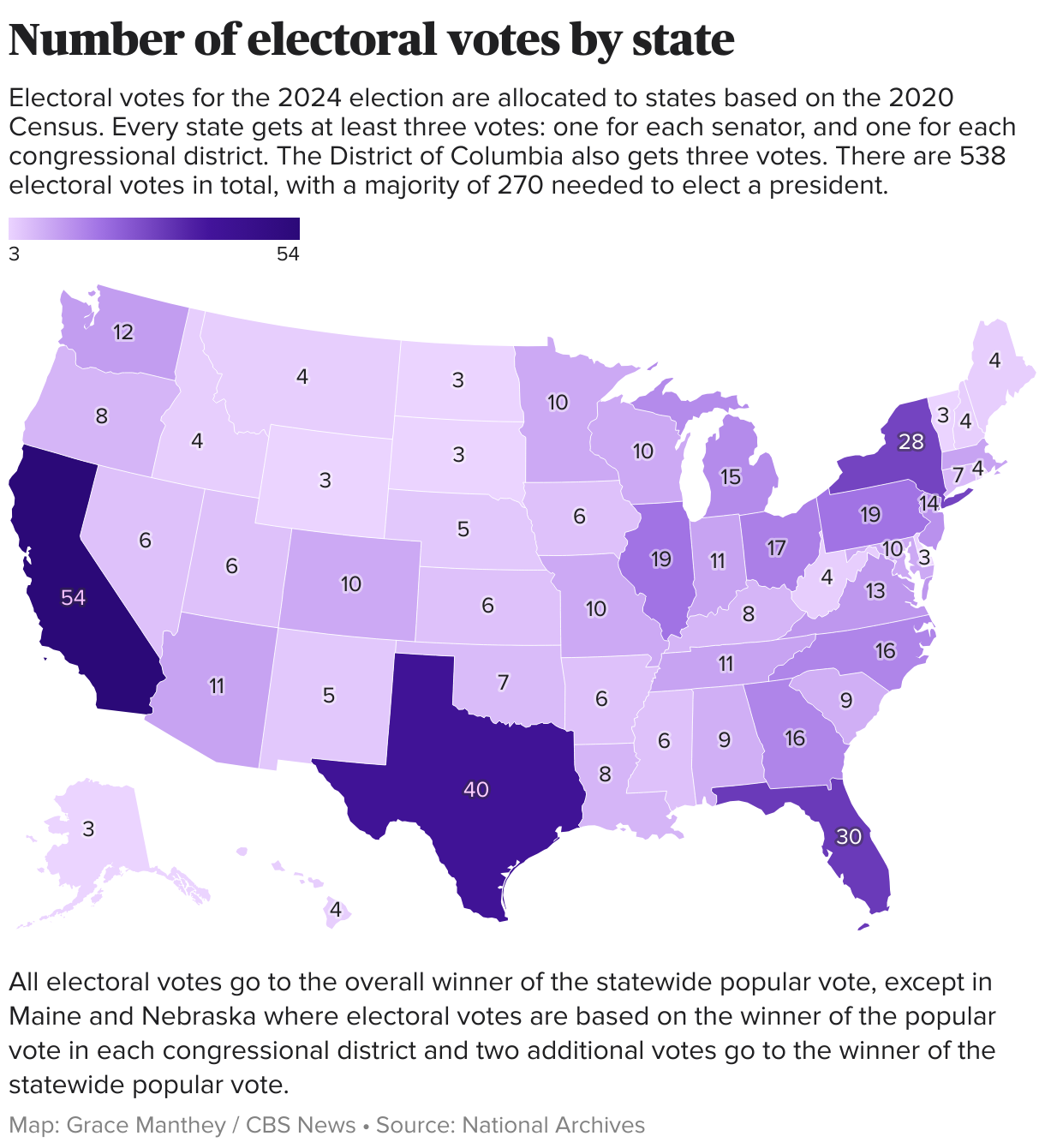
As of the most recent apportionment following the 2020 Census, Arizona is allocated 11 Electoral College votes. This number reflects the state’s population relative to other states in the union. The Electoral College is a unique feature of the United States presidential election system, where citizens do not directly elect the president. Instead, they vote for a slate of electors who are pledged to a particular candidate. Each state is assigned a number of electors equal to the sum of its representation in the Senate (two senators for every state) and its representation in the House of Representatives (which is based on population).
Apportionment: The Basis of Electoral Votes
The total number of electors for each state is determined by its congressional delegation. The U.S. Constitution mandates that every state receives at least three electoral votes, corresponding to its two senators and at least one representative. For Arizona, this means two electoral votes from its Senate representation, plus an additional nine votes derived from its population as represented in the House of Representatives. This allocation is reviewed every ten years after the decennial census. Population shifts are the primary driver of changes in the number of representatives, and consequently, electoral votes, for each state. States that experience significant population growth may gain electoral votes, while those with declining populations may lose them, affecting their influence in presidential elections.
Historical Trends and Arizona’s Growing Influence
Arizona’s electoral vote count has evolved over time, mirroring its demographic changes. Initially, following its admission to the union in 1912, Arizona had a smaller number of electoral votes. However, its rapid population growth, particularly in the latter half of the 20th century and into the 21st century, driven by migration and economic development, has led to an increase in its representation. For instance, in the early 2000s, Arizona had 10 electoral votes, and the 2020 Census saw it gain one additional vote, bringing its total to 11. This growth trajectory suggests that Arizona is becoming an increasingly significant player in presidential elections, a trend that political strategists closely monitor.
Factors Influencing Electoral Vote Allocation
The number of electoral votes a state receives is not static and is subject to the fundamental principles of representation in the United States government. Several key factors contribute to the apportionment process.
The Decennial Census
The bedrock of electoral vote allocation is the U.S. Census, conducted every ten years. This nationwide count of every resident is mandated by the Constitution to determine the population of each state. The data from the census is then used by Congress to reapportion the seats in the House of Representatives among the states. Once the number of representatives for each state is determined, the electoral vote count for that state is finalized by adding its two senatorial seats. This process ensures that representation in the Electoral College broadly aligns with the population distribution across the country, though the fixed number of senators for each state introduces a population-based weighting that benefits less populous states.
Population Growth and Migration Patterns
Arizona’s journey to its current electoral vote count is a testament to significant population growth. Factors such as a favorable climate, lower cost of living compared to some other states, and economic opportunities have attracted a steady influx of residents to cities like Phoenix, Tucson, and Scottsdale. This continuous migration directly impacts the state’s population figures, leading to increased representation in the House of Representatives over the decades. Consequently, its electoral vote total has risen, making it a more coveted state in presidential campaigns. Understanding these demographic shifts is essential for grasping the evolving political influence of states like Arizona.
The Role of Statehood
The number of electoral votes is intrinsically linked to a territory’s status as a state. Only states are entitled to representation in Congress and, therefore, to electoral votes. Territories, such as Puerto Rico or Guam, while populated by U.S. citizens, do not have voting representation in Congress and therefore do not participate in the Electoral College. Arizona achieved statehood in 1912, thereby gaining its allotment of electoral votes, which has been adjusted based on population trends ever since.
Arizona’s Significance in Presidential Elections
The 11 electoral votes from Arizona are not merely a number; they represent a significant bloc of votes that can influence the outcome of a presidential election. In closely contested races, a shift of even a few electoral votes can be decisive.
Swing State Dynamics
Arizona has increasingly been recognized as a crucial “swing state” in recent presidential elections. This designation means that the state’s electoral votes are not reliably cast for one particular political party. Instead, its voters have demonstrated a propensity to switch their allegiance between the Democratic and Republican parties, making it a target for extensive campaigning by both sides. Presidential candidates and their campaign teams invest considerable resources – time, money, and attention – in Arizona to win over its voters. The state’s growing diversity, suburban growth, and the political leanings of its electorate contribute to its swing state status.
The Impact of Demographics on Voting Patterns
The evolving demographics of Arizona play a pivotal role in its electoral landscape. The state has seen significant growth in its Hispanic and Latino populations, as well as an influx of retirees and younger professionals. These demographic shifts can influence voting patterns and party affiliations. Understanding these complex demographic trends is key to comprehending why Arizona has become a battleground state. For instance, the growing suburban communities around Phoenix have shown shifts in their political preferences in recent elections, impacting the overall statewide results.

Historical Election Outcomes
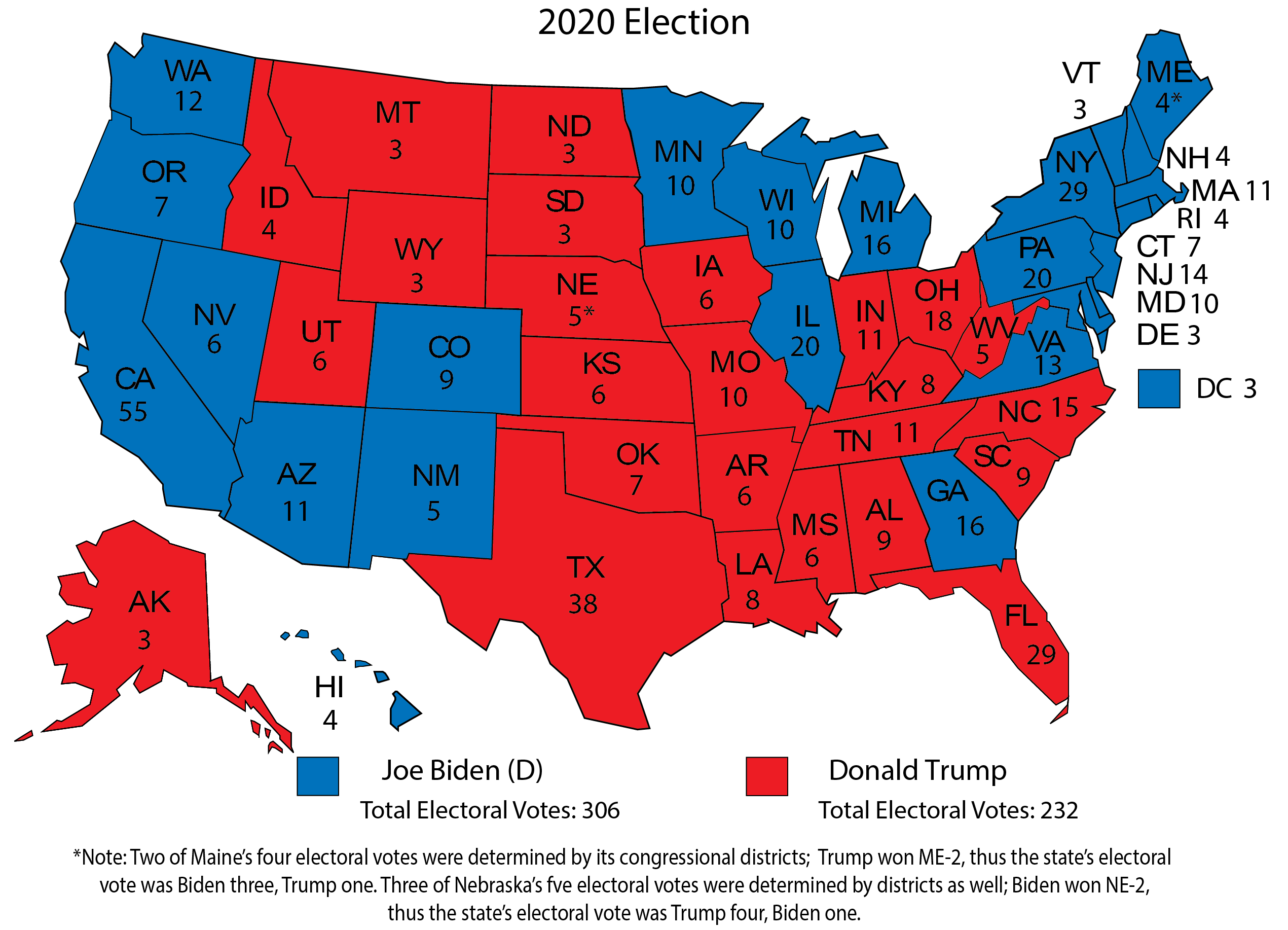
Examining past presidential election results in Arizona highlights its electoral volatility. For decades, the state reliably voted Republican. However, in the 2020 presidential election, Arizona voted Democratic, marking a significant shift and a testament to its changing political dynamics. This outcome underscored its importance as a battleground, with both parties vying intensely for its support. The tight margins in these elections demonstrate how individual votes and demographic shifts can translate into significant electoral gains or losses for presidential hopefuls. The state’s 11 electoral votes are therefore highly sought after by candidates aiming to reach the 270 electoral votes needed to win the presidency.
LifeOutOfTheBox is a participant in the Amazon Services LLC Associates Program, an affiliate advertising program designed to provide a means for sites to earn advertising fees by advertising and linking to Amazon.com. Amazon, the Amazon logo, AmazonSupply, and the AmazonSupply logo are trademarks of Amazon.com, Inc. or its affiliates. As an Amazon Associate we earn affiliate commissions from qualifying purchases.