
When travelers plan a trip to Maine, they often immerse themselves in the rugged beauty of the Atlantic Ocean coastline or the deep, serene wilderness of Acadia National Park. While the state is widely recognized for its iconic lighthouses, delectable Maine Lobster, and the charming streets of Portland, it also holds a unique distinction in the American political landscape. Understanding how the state allocates its electoral votes is as much a part of appreciating its civic culture as exploring the historic docks of Bar Harbor or the quiet forests near Bangor.
The Electoral Math of the Pine Tree State
Maine possesses a total of four electoral votes in the United States presidential election. However, the mechanism by which these votes are cast differs significantly from the “winner-take-all” system employed by most other states in the union. For a visitor wandering the picturesque town of Kennebunkport or the maritime heritage sites in Boothbay Harbor, this nuance reflects the independent spirit that defines the region.
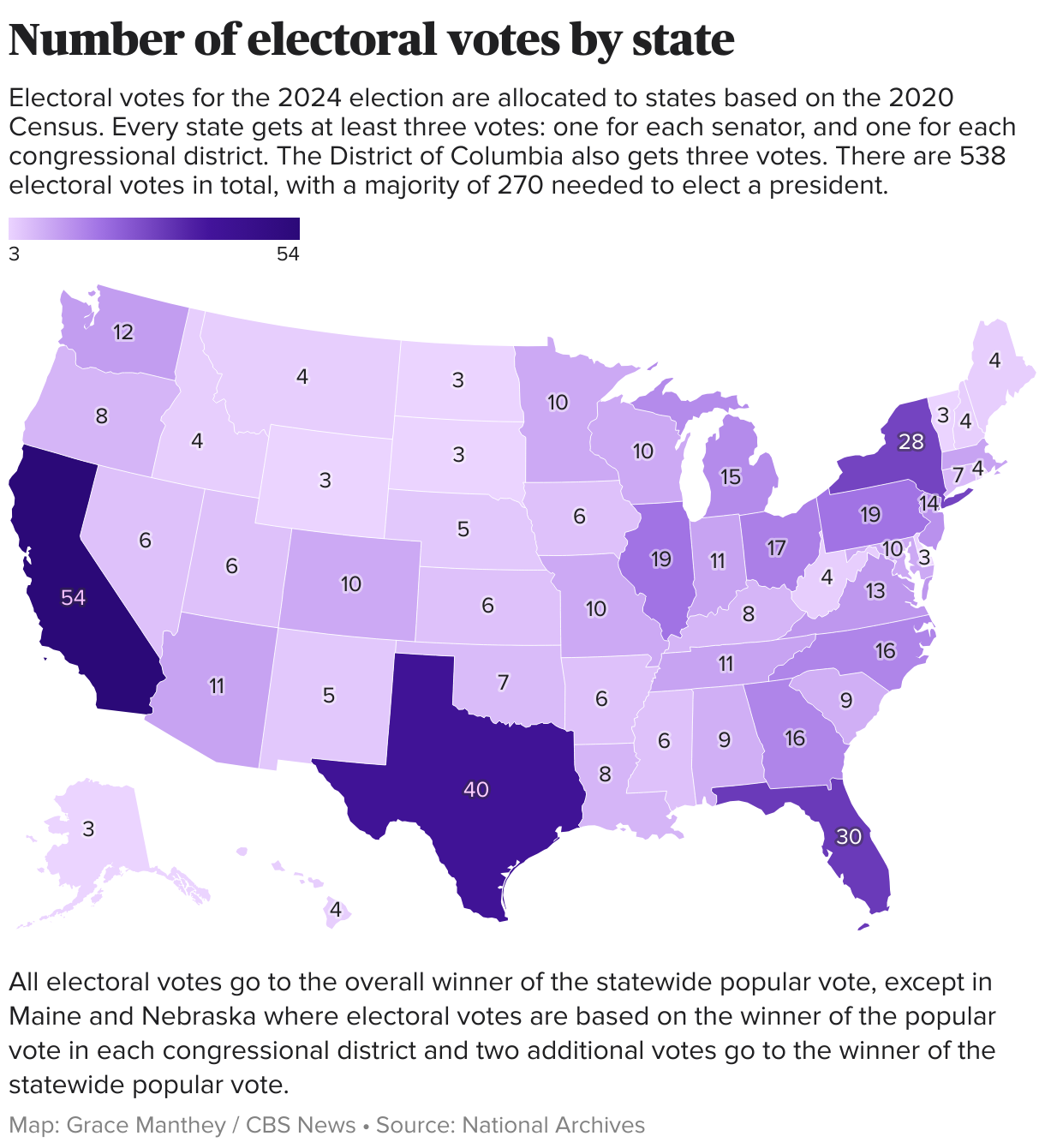
Unlike states where the popular vote winner sweeps all available electoral slots, Maine utilizes the Congressional District Method. This system is shared only with Nebraska, making it a fascinating outlier for those interested in the unique structural geography of American governance.
The Two-Tiered Allocation Process
The four electoral votes are divided into two distinct components:
- Statewide Votes: Two electoral votes are awarded to the candidate who wins the majority of the popular vote across the entire state.
- District Votes: One electoral vote is awarded to the candidate who wins the popular vote within each of the state’s two United States House of Representatives districts.
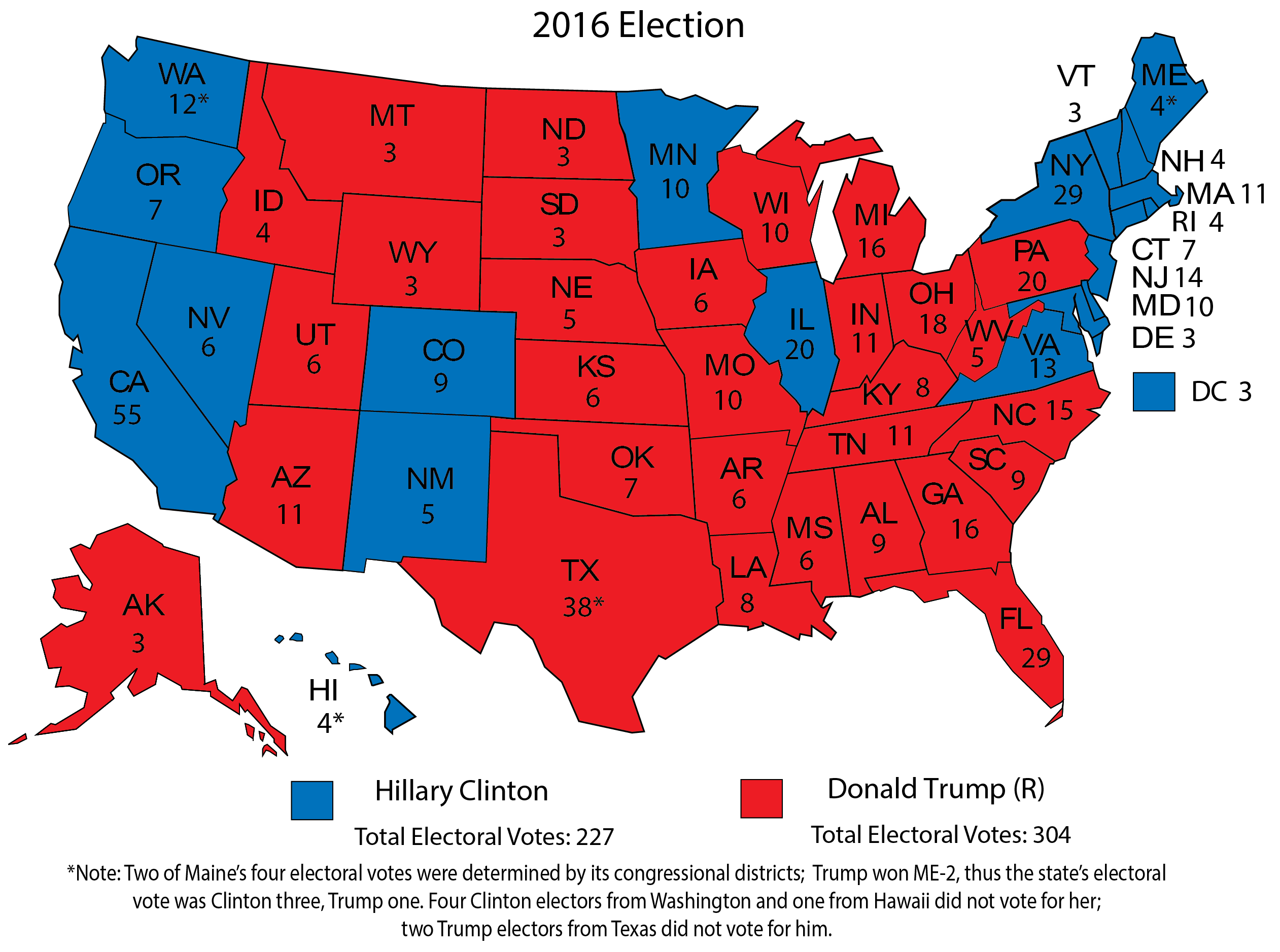
This split means that it is theoretically possible for a candidate to win three of the state’s four votes while their opponent secures the fourth, a rarity in the national electoral college map. For those traveling through the interior regions near Augusta, it is easy to see how the distinct demographics of the northern districts compared to the southern coastal areas might influence such a split outcome.
The Congressional Districts of Maine

The state is divided into two primary congressional districts, each reflecting a different flavor of New England life. The First District covers the southern and coastal portions of the state, including Portland and much of the scenic mid-coast. This area is often characterized by bustling tourism, academic hubs, and significant population density compared to the rest of the state.
The Second District encompasses the vast majority of the land area, including the northern forests, the western mountains, and cities like Lewiston. This district is more rural, defined by its forestry and manufacturing roots, and stretches toward the Canadian Border. Because the electoral votes are tied to these specific geographical regions, the political heartbeat of the state is as varied as its topography. Whether you are dining at a harbor-side restaurant in Camden or hiking the trails of Mount Katahdin, you are traversing a landscape where local identity is deeply tied to both community and civic participation.
Why the Split System Matters
The decision to split electoral votes is rooted in the desire for better representation. By allowing each district a voice, the state ensures that the needs of the rural north are not entirely drowned out by the higher-density population centers of the south. This mirrors the way the state manages its tourism and land-use policies; there is a delicate balance between the commercial hubs of Kittery and the preservationist ideals found in places like Baxter State Park.
Impact on National Campaigns
While Maine has a relatively small number of total electoral votes, the ability to split them makes the state a recurring interest for presidential campaigns. In years where elections are incredibly close, the prospect of capturing a single electoral vote from the Second District can become a strategic priority. This political intensity is often felt even by travelers, who may see campaign activity while visiting the historic sites of Brunswick or the maritime museums of Bath.
For the casual observer, this system is a reminder that the character of a state is not a monolith. The same independence that draws people to the rugged Pemaquid Point Lighthouse or the quiet shores of Moosehead Lake is the same independence that led the state to adopt a more nuanced approach to its democratic duties.
Navigating the Political Geography
When you visit Maine, you are not just visiting a collection of tourist spots; you are visiting a state that carefully crafts its own path, whether in its conservation efforts or its electoral processes. From the vibrant arts scene in Rockland to the historic charm of York, the state offers a depth of culture that extends beyond the surface.
Understanding that Maine contributes four electoral votes—and that these votes can be split—provides a more complete picture of the state’s civic identity. It highlights a commitment to local representation that resonates with the way the state promotes its diverse regions, from the culinary delights of Ogunquit to the breathtaking vistas of the White Mountains range that brushes the western border.
In essence, whether one is analyzing the ballot box or the map of the Appalachian Trail that runs through the state’s heart, it is clear that Maine values its individuality. The state’s electoral process is a testament to the fact that even within a vast federal system, local geography and local voices matter. As you explore the coastline of Casco Bay or walk the streets of Freeport, you are part of a broader story of a state that continues to think for itself, one electoral vote at a time.
LifeOutOfTheBox is a participant in the Amazon Services LLC Associates Program, an affiliate advertising program designed to provide a means for sites to earn advertising fees by advertising and linking to Amazon.com. Amazon, the Amazon logo, AmazonSupply, and the AmazonSupply logo are trademarks of Amazon.com, Inc. or its affiliates. As an Amazon Associate we earn affiliate commissions from qualifying purchases.