
When wandering the bustling streets of New York City, it is impossible to ignore the architectural and cultural footprint of the Fire Department of the City of New York. These stations are not merely utilitarian structures; they are anchors of local history and essential landmarks that define the character of neighborhoods from Brooklyn to The Bronx. For the curious traveler or history buff, these houses represent the heartbeat of urban safety and community resilience.
The Magnitude of the FDNY Infrastructure
To answer the question of quantity, one must look at the sheer scale of the department. The FDNY operates a vast network of facilities that ensure rapid response times across all five boroughs. Currently, the department manages over 200 engine companies and more than 140 ladder companies. This translates into a total of approximately 218 fire stations dispersed throughout the city.

Distribution Across the Boroughs
The distribution of these houses is calculated based on population density, risk assessment, and geographic challenges. Manhattan, with its vertical density and historic narrow streets, requires a high concentration of stations. Similarly, Queens and Staten Island present different logistical requirements, necessitating a strategic spread of units to cover their expansive residential territories.
Why the Number Matters for Urban Exploration
For those visiting landmarks like the Empire State Building or the 9/11 Memorial & Museum, noticing the fire stations nearby provides a deeper appreciation for the infrastructure that protects these global icons. Each station house is often a century-old architectural marvel, blending in with the historic brownstones or modern glass facades of the city.
Architectural Heritage and Community Landmarks
Many fire stations in New York City are historic structures that predate the modern skyscrapers surrounding them. These buildings often serve as visual touchstones, offering a glimpse into the late 19th and early 20th-century aesthetic of the city.
The Aesthetic of the Engine House
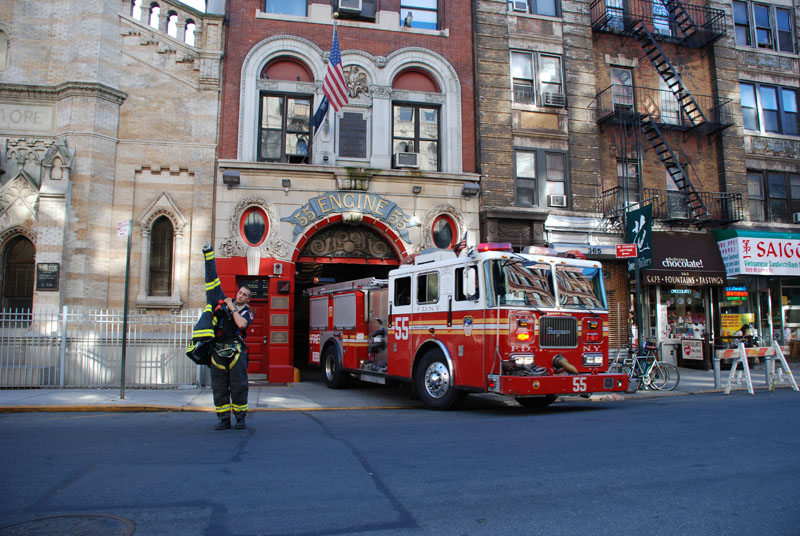
Many of these stations feature intricate brickwork, grand arched bays that once housed horse-drawn steam pumpers, and ornate stone cornices. Architecture enthusiasts visiting areas like Greenwich Village or Upper West Side can often spot these distinctive buildings by their prominent red doors and the brass sliding poles that still reside within. These stations are more than workplaces; they are deeply ingrained in the fabric of their respective neighborhoods, often serving as community hubs where local residents gather during block parties or public safety demonstrations.
Preserving History in a Modern City
The transition from horse-drawn carriages to high-tech, diesel-powered pumpers has required significant renovations, yet the City of New York has made efforts to preserve the exterior integrity of many older stations. When walking past an old engine company in Harlem, one can still see the markings of a bygone era, serving as a reminder of the city’s continuous evolution.
The Role of Fire Houses in Tourism and Culture
For the visitor, a fire station is not just a government building—it is a symbol of the neighborhood’s identity. The culture surrounding the FDNY is a significant aspect of the American experience, often depicted in films, literature, and art centered on the city.
Fire Houses as Cultural Icons
Some fire stations have gained fame beyond their functional duties. The most notable example is likely Hook & Ladder Company 8 in Tribeca, which became a pop-culture icon as the headquarters for the film “Ghostbusters.” Fans from around the globe often make a pilgrimage to this specific location to capture a photograph, highlighting how the infrastructure of the city becomes an essential part of the tourist trail.
Safety and Accessibility for Tourists
While these stations are active operational bases and not museums, the firefighters of the FDNY are frequently seen as approachable symbols of the city’s strength. During public events, such as the Macy’s Thanksgiving Day Parade or various community street fairs, the presence of these units adds to the festive atmosphere. Travelers are reminded that the safety of the millions who visit Times Square or Central Park is underpinned by the constant vigilance of the men and women working in these 218 stations.
Planning Your Path Through the City
If you are planning an itinerary to explore the diverse neighborhoods of New York City, keeping an eye out for these landmarks provides a unique perspective on the city’s layout.
Self-Guided Tours of Historic Firehouses
An informal walking tour of the firehouses of Lower Manhattan can reveal much about the historical development of the city’s fire-fighting tactics. As you move toward Financial District, you see the shift in station design, reflecting the transition from wooden structures to high-density stone and steel buildings designed to protect the world’s most valuable real estate.

Final Thoughts on the FDNY Presence
Whether you are staying at a luxury hotel near Rockefeller Center or exploring the culinary delights of Little Italy, the presence of the fire department is a constant. The 218 stations spread across the city act as an invisible net, allowing the metropolis to function safely despite its chaotic energy. By acknowledging the importance of these sites, travelers gain a better understanding of what makes New York City not just a tourist destination, but a functional, living city that prioritizes the welfare of its residents and guests alike.
The next time you hear the sirens cutting through the noise of Fifth Avenue, take a moment to look for the nearest station. It is a vital link to the history and the ongoing service that allows the city to remain the vibrant, bustling United States hub it is today.
LifeOutOfTheBox is a participant in the Amazon Services LLC Associates Program, an affiliate advertising program designed to provide a means for sites to earn advertising fees by advertising and linking to Amazon.com. Amazon, the Amazon logo, AmazonSupply, and the AmazonSupply logo are trademarks of Amazon.com, Inc. or its affiliates. As an Amazon Associate we earn affiliate commissions from qualifying purchases.