
The question “How Many Fires Are Burning In California?” frequently surfaces, especially during the warmer months, signaling a profound concern for the safety, environment, and economy of the Golden State. For travelers, potential visitors, and residents alike, understanding the reality behind the headlines is crucial. California, renowned for its diverse landscapes, vibrant cities, and iconic landmarks, draws millions seeking everything from the sun-kissed beaches of San Diego to the majestic redwoods of the north, the glitz of Hollywood, and the serene beauty of Yosemite National Park. However, the seasonal threat of wildfires can cast a shadow over travel plans and the perception of this magnificent destination.
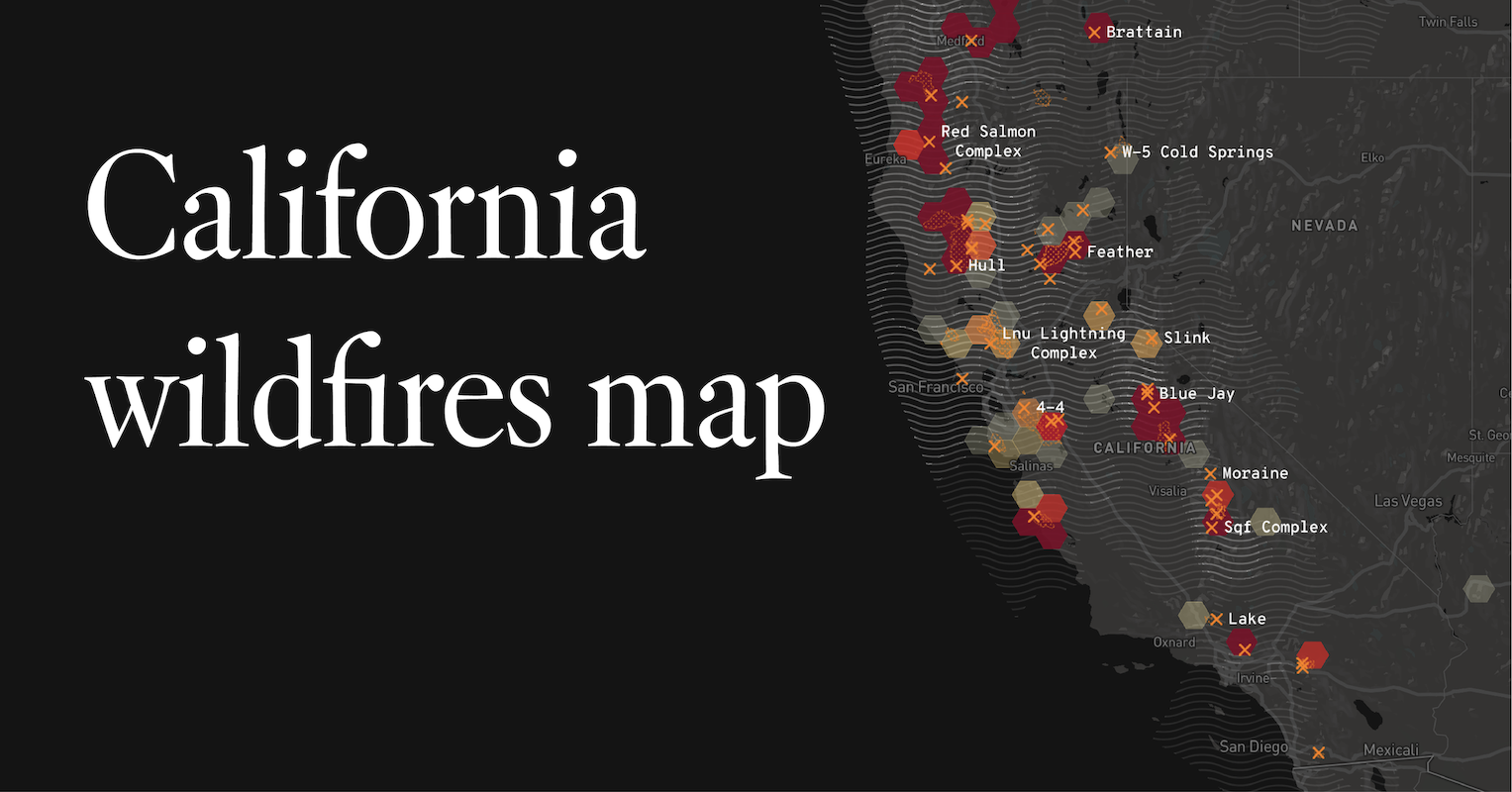
This article aims to provide a comprehensive overview of how wildfires impact travel and tourism in California, offering insights into navigating the fire season safely and responsibly. We’ll explore the dynamic nature of these events, where to find reliable information, how to plan your trip effectively, and how to continue enjoying the state’s incredible offerings while being mindful of current conditions. Far from presenting a bleak picture, our goal is to empower travelers with knowledge, demonstrating that with informed choices, the wonders of California remain accessible and enchanting, even in challenging times.
Understanding California’s Fire Landscape and Its Impact on Travel
California’s unique geography, climate, and ecology make it particularly susceptible to wildfires. A Mediterranean climate with hot, dry summers and strong winds, coupled with vast expanses of wildland-urban interface, creates conditions ripe for fire activity. While the image of a state perpetually ablaze might loom in public consciousness, the reality is far more nuanced.
The Annual Challenge: A Seasonal Reality
Wildfires are an inherent part of California’s ecosystem, with many native plant species evolving with fire. However, a combination of climate change, historic fire suppression practices, and increasing human development in fire-prone areas has intensified their frequency and severity. The “fire season” typically spans from late spring through autumn, peaking in late summer and early fall. During this period, the state’s fire agencies, most notably CAL FIRE and the U.S. Forest Service, are on high alert, monitoring conditions and responding to incidents across millions of acres of wildland.
For travelers, this means a heightened awareness is necessary during these months. It doesn’t, however, mean that all travel plans to California should be cancelled. Instead, it underscores the importance of being informed and flexible. The scale of the state is immense; a fire burning in a remote national forest might be hundreds of miles from a major city like Los Angeles or San Francisco, having no direct impact on urban attractions or coastal resorts.
Beyond the Headlines: The Localized Nature of Fires
News cycles often focus on large, dramatic wildfires, but it’s crucial to remember that California is a vast state, covering over 163,000 square miles. Even during peak fire season, the vast majority of California remains unaffected by direct fire activity. A fire in one region, for example, the Shasta-Trinity National Forest in northern California, will have no bearing on a trip to Disneyland in Anaheim or a wine-tasting tour in Napa Valley (unless, of course, a fire is specifically impacting those areas).
The primary impacts for travelers, even at a distance, can include changes in air quality due to smoke plumes and potential road closures or advisories in specific areas. These are localized concerns that require specific research rather than a blanket assumption about the entire state. Many popular travel destinations, from the desert oasis of Palm Springs to the charming coastal towns of Monterey and Santa Barbara, often remain completely open and unaffected.
Key Authorities and Information Sources
Reliable information is your most valuable asset when traveling during fire season. Official sources provide real-time updates on active fires, containment levels, evacuation orders, road closures, and air quality.
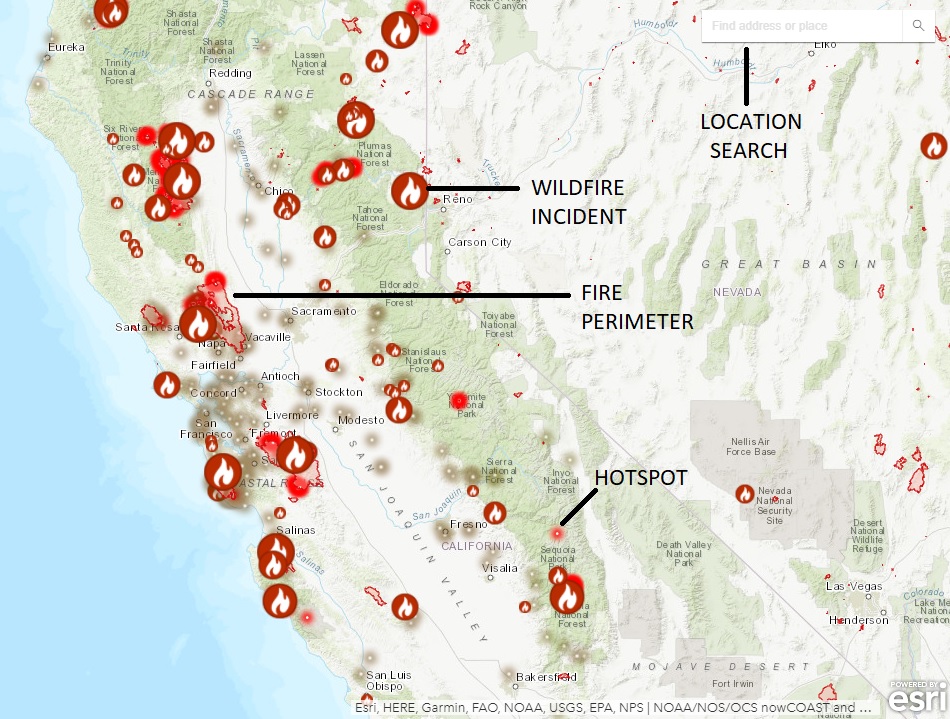
- CAL FIRE: The official source for incident information on state-managed lands. Their website provides an interactive map of current incidents.
- National Park Service (NPS): For fires within national parks like Yosemite, Sequoia, Kings Canyon, Joshua Tree, or Death Valley, check the individual park websites for specific alerts and closures.
- U.S. Forest Service: Provides information for fires on national forests.
- Local County and City Emergency Services: Websites for specific counties (e.g., Los Angeles County Sheriff’s Department, Sonoma County Emergency Operations) often have the most granular information for local residents and visitors.
- AirNow.gov: An excellent resource for checking real-time air quality by zip code, which is crucial for outdoor activities.
- Caltrans QuickMap: For road conditions and closures, including state highways.
By cross-referencing these sources, travelers can gain an accurate picture of specific conditions in their intended destination.
Navigating Travel During California’s Fire Season
Planning a trip to California during fire season doesn’t have to be daunting. With proper preparation and a degree of flexibility, you can still experience the state’s beauty safely. The key is proactive research and understanding how potential fire activity might influence your choices regarding accommodation, attractions, and overall itinerary.
Pre-Trip Planning and Research: Your First Line of Defense
Before booking flights or making non-refundable hotel reservations, it’s wise to consider the general fire risk for your chosen travel period and region. While impossible to predict specific incidents, historical data can offer some guidance on peak risk areas.
- Monitor Conditions: In the weeks leading up to your trip, regularly check the official fire and air quality websites mentioned above. Look for trends and any specific advisories for your target areas.
- Flexibility is Key: If your trip involves wildland areas, national parks, or very rural destinations, build in some flexibility. Consider booking accommodations and activities that offer free cancellation or rescheduling options.
- Travel Insurance: Investing in comprehensive travel insurance that covers unforeseen events, including natural disasters, can provide peace of mind and protect your financial investment if your trip needs to be altered or canceled. Carefully review policy details to understand what is covered.
Accommodation Considerations: Hotels, Resorts, and Alternative Stays
The fire season can impact various types of accommodation, from luxury resorts to rustic campgrounds.
- Direct Impact: If an area is under evacuation orders or directly threatened by fire, hotels, motels, apartments, and villas in that zone will be closed. Always confirm directly with your accommodation provider closer to your arrival date.
- Smoke and Air Quality: Even if an area isn’t directly threatened by fire, smoke from distant blazes can affect air quality, making outdoor activities uncomfortable or unhealthy, especially for sensitive individuals. Many modern hotels have good air filtration systems, but open-air resorts or camping might be less desirable options during smoky periods. When booking, inquire about indoor amenities and air quality measures.
- Relocation and Assistance: During major fires, some hotels in unaffected areas may offer discounted rates for evacuees, which can sometimes limit availability for regular tourists. However, this is usually a localized phenomenon.
Alternative Destinations: Embracing California’s Diversity

If your initial plans are impacted by fires or smoke, California’s vastness offers numerous alternatives.
- Coastal Retreats: The immediate coast often benefits from marine layers that keep temperatures cooler and air cleaner. Consider San Francisco with its iconic Golden Gate Bridge and Alcatraz Island, the artistic charm of Carmel-by-the-Sea, the vibrant energy of Santa Monica, or the surf culture of Huntington Beach.
- Urban Adventures: Major cities like Los Angeles, San Diego, Sacramento, and San Jose offer a wealth of indoor attractions: world-class museums, theaters, shopping districts, diverse culinary scenes, and vibrant nightlife.
- Desert Escapes: Areas like Palm Springs and the surrounding Coachella Valley often have very different weather patterns and are less prone to large-scale wildfires, offering a unique escape.
- Northern California Wine Country: While regions like Napa Valley and Sonoma County have experienced fires in the past, they also demonstrate incredible resilience and quick recovery. Check local conditions; often, wineries are open for business, and the scenic beauty remains intact.
Protecting California’s Natural and Cultural Treasures
The concern over wildfires extends beyond immediate travel disruption; it encompasses the long-term protection of California’s invaluable natural resources, cultural sites, and the communities that depend on them. Responsible tourism plays a vital role in both prevention and recovery.
Impact on Landmarks and National Parks
California is home to nine National Parks, numerous state parks, and countless other natural landmarks. These pristine areas are often at the forefront of wildfire activity.
- Closure and Damage: Parks like Yosemite, Sequoia, Kings Canyon, and Big Sur have, at various times, faced closures due to active fires or smoke. While some areas might sustain damage, the vast majority of these parks remain incredibly resilient. The National Park Service works diligently to assess damage, clear hazards, and reopen areas as soon as safely possible.
- Ecosystem Recovery: Post-fire, ecosystems begin a natural regeneration process. For some, like the giant sequoias which depend on fire for seed release, it’s a critical part of their life cycle. Visiting a post-fire landscape can offer a unique perspective on nature’s resilience, provided it’s safe to do so.
- Cultural Sites: Indigenous cultural sites and historical structures within fire-prone areas are also at risk. Fire agencies often prioritize protecting these invaluable landmarks.
Always check the official park websites for the most current information regarding closures, fire restrictions (like campfire bans), and air quality before planning a visit.
Supporting Local Communities: The Backbone of Tourism
When wildfires strike, local economies, particularly those reliant on tourism, can suffer immensely. Even if a business is not directly destroyed, reduced visitor numbers due to public perception can be devastating.
- Shop Local: When you do visit an unaffected or recovering area, make an effort to support local businesses. Dine at local restaurants, buy from independent shops, and utilize local guides and tour operators. This helps infuse much-needed capital directly into the community.
- Stay in Unaffected Regions: By choosing to spend your travel dollars in regions that are open and safe, you contribute to the overall economic health of the state, ensuring that California’s tourism infrastructure remains strong.
- Volunteer or Donate (When Appropriate): For those looking to do more, consider reputable charities that support fire relief and recovery efforts. However, always prioritize local guidance on whether volunteers are truly needed, as unsolicited help can sometimes overwhelm resources.
Air Quality Concerns: A Health Consideration
One of the most widespread impacts of wildfires, even far from the fire front, is reduced air quality due to smoke. Smoke contains fine particulate matter that can be harmful, especially for children, the elderly, and individuals with respiratory conditions.
- Monitor AirNow.gov: This federal resource provides real-time Air Quality Index (AQI) readings, allowing you to make informed decisions about outdoor activities.
- Adjust Activities: On days with poor air quality, opt for indoor attractions like museums, art galleries, aquariums, or shopping malls.
- Health Precautions: If you must be outdoors during smoky conditions, consider wearing an N95 mask. Stay hydrated and be aware of symptoms like coughing, shortness of breath, or chest pain.
Responsible Tourism in Challenging Times: The Golden State’s Resilience
Traveling responsibly in California during fire season is a testament to mindful tourism. It demonstrates respect for the environment, support for communities, and a commitment to personal safety. The state’s ability to bounce back and continue offering unparalleled experiences is a testament to its enduring appeal and the spirit of its people.
Staying Informed and Flexible: Your Best Strategy
The dynamic nature of wildfires means conditions can change rapidly. What was open yesterday might be closed today, and vice versa.
- Continuous Monitoring: Keep checking official sources up to the moment of your trip and even during your stay. Many local news outlets and emergency services provide social media updates which can be very current.
- Communication with Providers: Maintain open communication with your hotel, tour operators, and rental car agencies. They often have the most up-to-date local information.
- Contingency Plans: Always have a “Plan B.” If your hike in Lake Tahoe is affected, what’s your alternative? Perhaps a scenic drive through a different, unaffected region or a visit to a local museum.
Sustainable Practices: Fire Prevention Tips for Visitors
Travelers can actively contribute to fire prevention efforts. The vast majority of wildfires are human-caused, meaning many are preventable.
- Campfire Safety: If camping, only build fires in designated fire rings and obey all fire restrictions. Never leave a campfire unattended, and always ensure it’s completely out before leaving.
- Vehicle Awareness: Ensure your vehicle is properly maintained, especially brakes and tires, as sparks from dragging chains or hot mufflers can ignite dry grasses. Avoid driving or parking in tall, dry grass.
- Smoking: Never discard cigarettes or other smoking materials outside of designated receptacles.
- Equipment Use: Be mindful of any power tools or equipment you might use in outdoor settings, as they can generate sparks.
- “Leave No Trace”: Adhering to “Leave No Trace” principles generally promotes responsible outdoor behavior that reduces fire risk.
The Resilience of the Golden State: A Continuous Welcome
Despite the annual challenge, California’s tourism sector and its natural wonders exhibit remarkable resilience. Communities rebuild, landscapes regenerate, and the spirit of hospitality endures. Many iconic attractions and vast regions of the state remain untouched and ready to welcome visitors year-round. From the cultural tapestry of San Francisco to the serene beauty of the Redwood National Park, the culinary delights of Wine Country, and the sun-drenched beaches of Southern California, there is always an adventure awaiting.
So, how many fires are burning in California? The number fluctuates daily, sometimes hourly. More importantly, what remains constant is the spirit of California and its readiness to share its unparalleled beauty with the world. With thoughtful planning, an informed perspective, and a commitment to responsible travel, your California adventure can be as magical and memorable as you’ve always envisioned, safely navigating the realities of its unique environment.
LifeOutOfTheBox is a participant in the Amazon Services LLC Associates Program, an affiliate advertising program designed to provide a means for sites to earn advertising fees by advertising and linking to Amazon.com. Amazon, the Amazon logo, AmazonSupply, and the AmazonSupply logo are trademarks of Amazon.com, Inc. or its affiliates. As an Amazon Associate we earn affiliate commissions from qualifying purchases.