
California, a land of unparalleled beauty and diverse landscapes, from the sun-drenched beaches of Southern California to the majestic peaks of the Sierra Nevada, consistently ranks among the top travel destinations in the United States. Millions flock here annually, drawn by iconic landmarks, world-class cuisine, vibrant cities like Los Angeles and San Francisco, and an endless array of experiences. However, the Golden State is also synonymous with wildfire season, a period that can significantly impact travel plans and local communities. The question, “How many fires are in California right now?” is a crucial one for any prospective visitor or resident. This comprehensive guide aims to shed light on the realities of wildfires from a traveler’s perspective, offering insights, resources, and advice for planning a safe and enjoyable trip amidst these environmental challenges.
Understanding the current fire situation in California is not merely about counting active blazes. It involves appreciating the broader context of the state’s geography, climate, and the proactive measures taken to manage these events. For those considering a journey, the impact extends beyond immediate danger zones, influencing air quality, road closures, and the accessibility of popular attractions and accommodations. Our goal is to empower you with the knowledge to make informed decisions, ensuring your California adventure remains memorable for all the right reasons.
Understanding California’s Wildfire Landscape for Travelers
The narrative of wildfires in California is complex, deeply rooted in the state’s unique ecological characteristics and a changing climate. For travelers, grasping this underlying context is essential, not to deter visits, but to foster informed and responsible tourism. It allows for a more nuanced approach to planning, moving beyond general anxieties to specific, actionable considerations.
The Seasonal Nature of Wildfires
Wildfire season in California typically runs from late spring through late autumn, peaking in late summer and early fall. This coincides with periods of extended drought, high temperatures, and strong, dry winds, such as the Santa Ana winds in the south and the Diablo winds in the north. While the timing can vary year to year based on rainfall and weather patterns, it’s a recurring phenomenon that shapes the landscape and impacts travel infrastructure. Unlike a sudden, isolated event, wildfires are an inherent part of the California ecosystem, even if their intensity and frequency have increased. Tourists planning trips during these months should be acutely aware that fire activity is a possibility and integrate this into their pre-trip research and flexible booking strategies. This seasonal predictability means that while the exact location of a fire cannot be known in advance, the potential for fires can be anticipated.
Key Factors Contributing to Wildfires
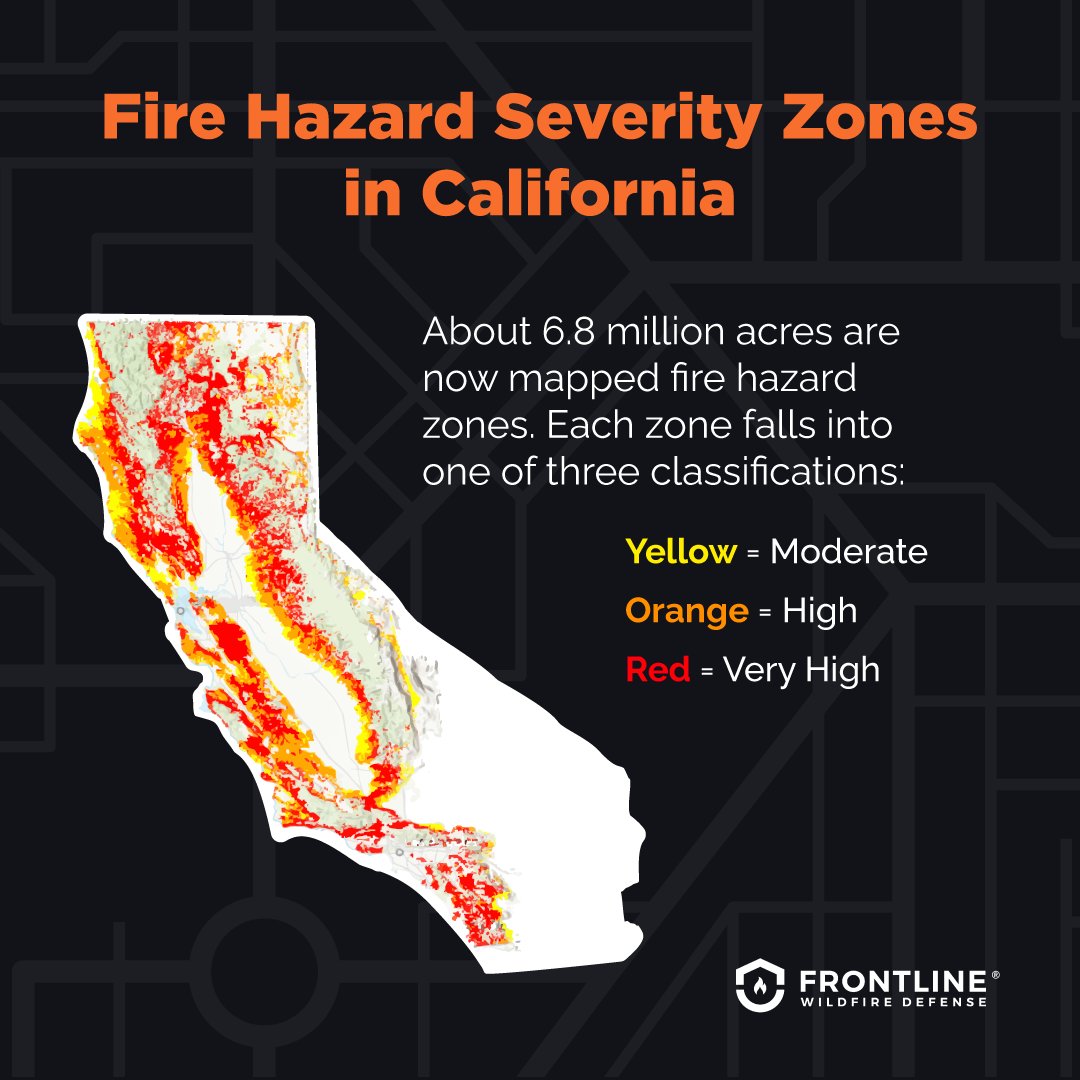
Several interconnected factors contribute to the prevalence and severity of wildfires across California. The state’s Mediterranean climate, characterized by hot, dry summers and mild, wet winters, creates ideal conditions for vegetation to dry out and become highly flammable. Decades of fire suppression, while initially aimed at protecting communities, have also led to an accumulation of dense, combustible fuel on the forest floor, making subsequent fires hotter and harder to control. Furthermore, urban development encroaching into wildland areas, known as the wildland-urban interface, puts more homes, businesses, and therefore, people, directly in harm’s way, leading to more evacuation orders and greater public safety concerns that inevitably impact travel and accommodation options.
Climate change, however, is arguably the most significant amplifying factor. Rising global temperatures contribute to more frequent and intense heatwaves, prolonged droughts, and earlier snowmelt, all of which desiccate vegetation faster and for longer periods. This creates an environment where a single spark, whether from lightning or human activity, can rapidly escalate into a major conflagration. Understanding these drivers helps travelers appreciate the scale of the challenge and why simply “avoiding fires” isn’t always straightforward. It also underscores the importance of supporting sustainable tourism practices that contribute to the long-term health of California’s natural environments.
Current Wildfire Status and Impact on Travel
For any traveler heading to California, having accurate, real-time information about wildfires is paramount. The immediate impact of a wildfire can be far-reaching, affecting everything from road accessibility to air quality, potentially transforming a dream vacation into a stressful ordeal if not properly prepared for.
How to Stay Informed: Official Sources and Real-Time Maps
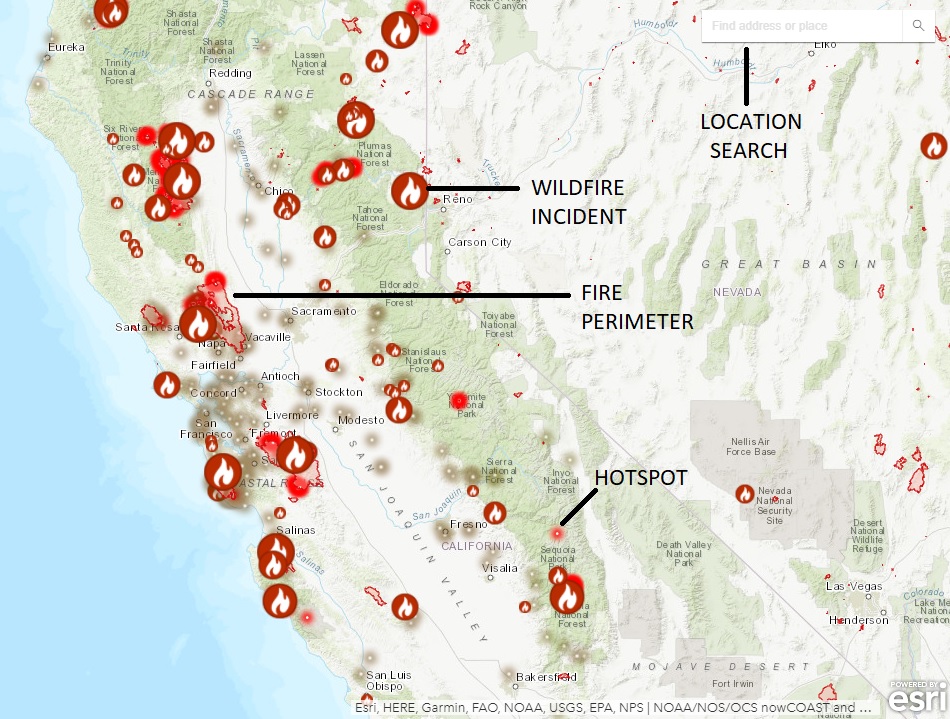
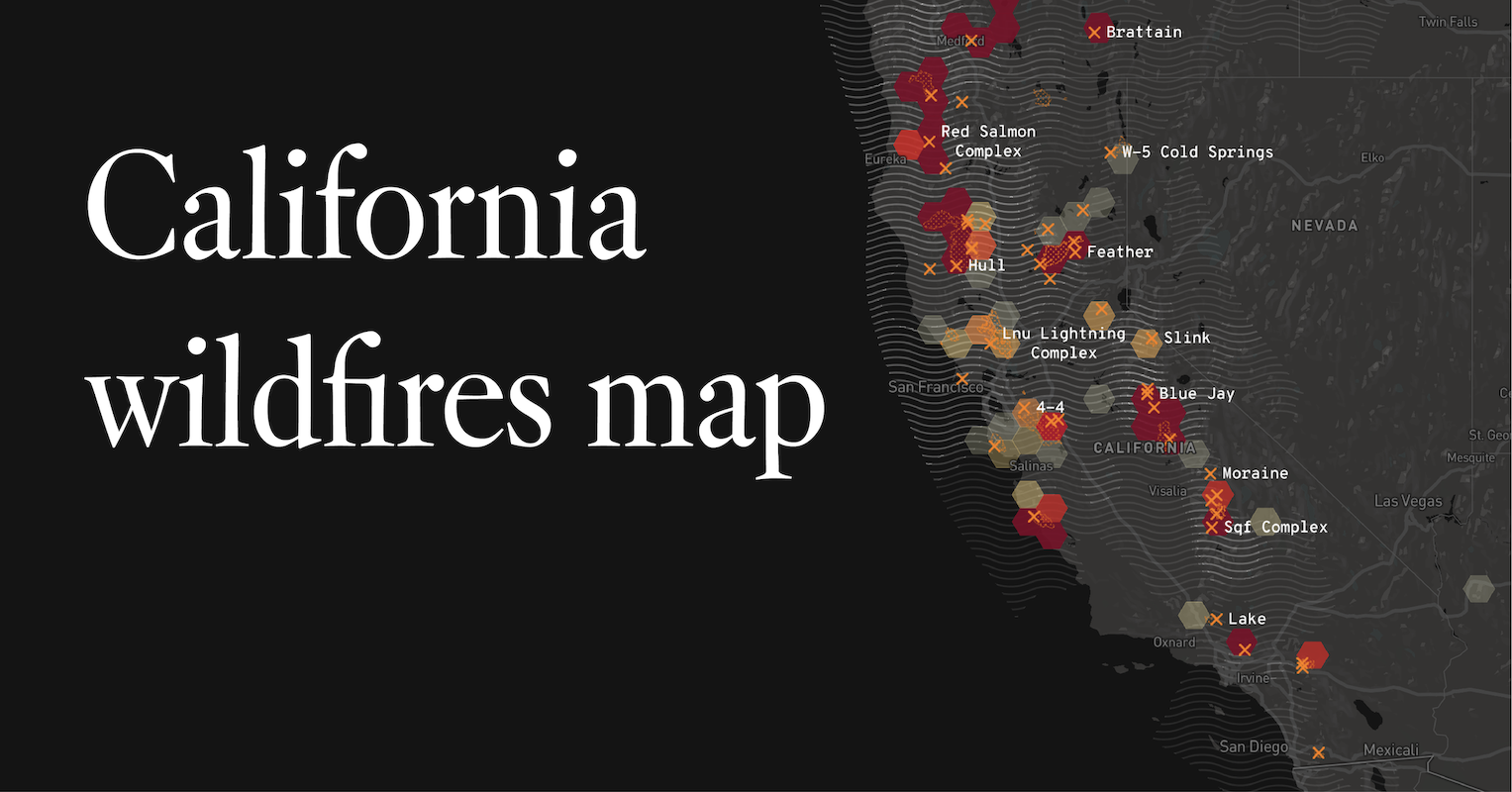
The most critical advice for travelers during wildfire season is to rely solely on official, up-to-date sources for information. Speculative news or social media rumors can be misleading and cause unnecessary alarm. In California, the primary authority for wildfire information is CalFire, the Department of Forestry and Fire Protection. Their website (www.fire.ca.gov) provides a comprehensive incident map, daily reports, and crucial safety information. Another invaluable resource is InciWeb (www.inciweb.nwcg.gov), an interagency incident information system that offers details on major wildfires across the United States, including containment percentages, acreage burned, and evacuation orders.
For road closures, the California Department of Transportation (Caltrans) website and their QuickMap application are essential. They provide real-time updates on highways and routes affected by fires or their aftermath. Additionally, many county sheriff’s departments and local emergency services publish alerts and evacuation orders specific to their jurisdictions. Before and during your trip, make it a routine to check these sources daily, especially if your travel plans involve areas known to be fire-prone or if you see smoke.
Identifying Affected Regions and Tourist Hotspots
Wildfires are not uniform across California; they often concentrate in specific regions. While one part of the state might be grappling with a major blaze, another, perhaps only a few hundred miles away, could be completely unaffected and perfectly safe for travel. Key tourist areas that have historically been impacted include parts of the Sierra Nevada (affecting access to Yosemite National Park or Lake Tahoe), segments of the North Coast (near destinations like the Redwood National Park), and the wine regions of Napa Valley and Sonoma. Areas like Big Sur along the Pacific Coast Highway have also seen fire activity, leading to closures.
However, major metropolitan areas such as Los Angeles, San Francisco, San Diego, Orange County, and popular desert destinations like Palm Springs or Joshua Tree National Park are often hundreds of miles from active fires. Even if fires are present in the state, your planned destination, including your hotel, resort, or vacation rental, might be completely clear. It’s crucial to consult specific incident maps and determine proximity. For example, a fire burning in a remote forest north of Sacramento is unlikely to impact your stay at the Disneyland Resort in Anaheim. Always confirm the specific location of a fire in relation to your itinerary, not just its presence within the state.
Air Quality Concerns and Health Precautions
Beyond direct fire danger, poor air quality due to smoke is a significant concern for travelers, particularly those with respiratory conditions or sensitivities. Smoke plumes can travel hundreds of miles from the source of a fire, leading to hazy skies and unhealthy air even in seemingly distant locations. For instance, smoke from fires in the Sierra Nevada could affect air quality in San Francisco or Sacramento.
Monitoring air quality is as important as tracking fire locations. Resources like AirNow.gov provide real-time Air Quality Index (AQI) readings, color-coded to indicate health risk levels. If the AQI indicates unhealthy air, it’s advisable to limit outdoor activities, keep windows closed, and use hotel air conditioning or air purifiers. N95 masks can offer some protection against particulate matter if outdoor exposure is unavoidable. Many hotels and accommodations, especially those in areas that might experience smoke, have enhanced their HVAC systems and cleaning protocols to ensure guest comfort. Prioritizing health and well-being should be a key aspect of your lifestyle choices when traveling during wildfire season.
Navigating Your California Travel Plans Amidst Wildfires
Planning a trip to California requires thoughtful consideration of the wildfire season, but it doesn’t mean your plans need to be derailed. With a proactive approach and a commitment to flexibility, you can still enjoy the Golden State’s myriad attractions and experiences. The key lies in strategic planning before departure and vigilant adaptation during your stay.
Before You Go: Research and Flexible Bookings
The period leading up to your departure is crucial for minimizing potential disruptions. Start by thoroughly researching your chosen destinations within California. Beyond just mapping out attractions and restaurants, delve into the historical wildfire patterns of those specific areas. While history doesn’t predict the future, it provides a general sense of vulnerability.
When booking flights, hotels, and tours, prioritize options that offer flexible cancellation or rebooking policies. Many airlines and accommodation providers, especially large chains like The Ritz-Carlton or Four Seasons, understand the unpredictable nature of natural events and may offer more lenient terms during peak fire season. Smaller, boutique hotels or vacation rentals might have stricter policies, so always read the fine print. Consider booking through platforms like Expedia or Booking.com that sometimes offer their own cancellation assurances. This approach allows you to adapt swiftly should a fire emerge near your intended destination, protecting your financial investment and reducing stress.
Moreover, if your itinerary includes national parks or remote natural areas, check their specific websites for fire advisories, trail closures, and any requirements for fire permits if you plan on camping or using campfires. It’s also wise to have alternative destinations or activities in mind. If Yosemite National Park is impacted, perhaps a trip to the Mendocino Coast or exploring the urban delights of San Francisco could serve as a fantastic backup plan.
During Your Trip: Safety First and Evacuation Preparedness
Once you’re in California, maintaining vigilance is paramount. Continuously monitor official news sources for any new fire incidents or changes in existing ones. Keep tabs on weather forecasts, particularly for high winds or red flag warnings issued by the National Weather Service.
Should a wildfire develop near your location, your safety is the absolute priority. Always follow the instructions of local authorities, including any evacuation orders. Familiarize yourself with your hotel’s emergency procedures and identify evacuation routes from your accommodation. If you’re renting a car, ensure you have a full tank of gas and understand local road networks beyond just your GPS app, which might not account for sudden closures. Pack an emergency “go-bag” with essentials like important documents, medications, a phone charger, and some non-perishable snacks, especially if you are staying in more remote areas. Many accommodations, from luxurious resorts in Santa Barbara to cozy cabins in the mountains, are well-versed in emergency protocols and will guide guests on necessary actions. Trust their expertise.
Understanding Travel Insurance and Cancellation Policies
Travel insurance is an often-overlooked but vital component of trip planning, particularly when visiting areas prone to natural events. While standard travel insurance policies may cover cancellations due to unforeseen circumstances, it’s crucial to understand the nuances concerning wildfires. Some basic policies might exclude natural disasters, or only cover them if an official travel advisory or mandatory evacuation order is issued for your specific destination.
Opt for a “Cancel for Any Reason” (CFAR) policy if you want the ultimate flexibility. While more expensive, CFAR policies typically allow you to cancel your trip and receive a significant percentage of your non-refundable costs back, regardless of the reason – including if you simply feel uncomfortable traveling due to nearby smoke or general wildfire concerns, even if your destination isn’t directly threatened. Read the policy document carefully and speak with an agent from providers like Allianz Travel Insurance or Travelers Insurance to ensure the coverage meets your specific needs and concerns regarding wildfires. Understanding these policies beforehand can save significant financial loss and provide peace of mind, allowing you to focus on the enjoyment of your California journey without undue stress about unforeseen circumstances.
Exploring Unaffected Regions and Sustainable Tourism
Even during active wildfire seasons, the vast majority of California’s sprawling and diverse landscape remains untouched by fires. Embracing this reality allows travelers to pivot their plans, discover new gems, and contribute to the state’s resilient tourism economy in a positive way.
Discovering Alternative Destinations
California is immense, offering an incredible array of attractions that are often far removed from wildfire activity. If your original plan to visit a particular national park or forested area is affected, consider shifting your focus to coastal cities, desert landscapes, or urban centers that are typically less prone to direct wildfire impacts.
For instance, if mountain areas are smoky, the vibrant cultural scene of San Francisco with its iconic landmarks like the Golden Gate Bridge, world-class museums, and diverse culinary experiences, remains a fantastic option. Similarly, the beaches and Hollywood glamour of Los Angeles, the family-friendly attractions in San Diego, or the serene beauty of the Mendocino Coast offer compelling alternatives. Desert destinations such as Palm Springs and Joshua Tree National Park often experience entirely different weather patterns and fire risks compared to the forests. Wine enthusiasts might consider regions like Gold Country for different vineyard experiences if Napa Valley is a concern.
Many coastal resorts, such as those lining the shores of Orange County or Santa Barbara, offer luxurious escapes where the primary concern is the ocean breeze, not smoke plumes. These areas provide a wealth of accommodation options, from opulent suites to charming boutique hotels, ensuring your lifestyle travel needs are met. By being open to adjusting your itinerary, you can still experience the magic of California while staying safe and supporting unaffected local economies.
Supporting Local Communities Post-Fire
While it’s important to avoid active fire zones, equally vital is recognizing the long-term impact of wildfires on communities and considering how tourism can aid in recovery. After a fire has been contained and an area deemed safe, local businesses, including hotels, restaurants, and tour operators, often face significant economic hardship due to decreased tourism.
Once official agencies announce that an area is open and safe for visitors, consider planning a trip to these regions. Your patronage, whether it’s booking a stay at a local hotel, dining at a family-owned restaurant, or purchasing goods from local artisans, directly contributes to their recovery and resilience. This form of responsible tourism helps inject much-needed revenue back into the local economy, supports livelihoods, and helps communities rebuild. It’s an example of how luxury travel, budget travel, or family trips can all be consciously aligned with community support. Before visiting, always double-check that the area is indeed ready for tourists to ensure you’re not inadvertently hindering recovery efforts or placing additional strain on local resources.
The Future of Tourism in California
The challenges posed by wildfires are prompting significant shifts in how California approaches both fire management and tourism. There’s a growing emphasis on sustainable tourism practices, wildfire preparedness in hospitality and infrastructure, and educating visitors about responsible enjoyment of natural spaces. Many resorts and hotels in fire-prone areas are investing in enhanced fire-resistant landscaping, community defense programs, and improved emergency communication systems.
For travelers, this means a future where informed and conscientious choices become increasingly important. Engaging with local cultures, respecting natural environments, and staying updated on local conditions will become standard aspects of any California itinerary. The state is not just a destination for attractions and experiences; it’s also a living ecosystem that demands respect and understanding from its visitors. By embracing these changes, travelers can continue to enjoy the unparalleled beauty of California for generations to come, fostering a relationship built on admiration and stewardship, rather than just consumption.
In conclusion, while the question “How many fires are in California right now?” is a valid and important concern, it doesn’t have to define your travel experience. With careful planning, reliance on official information, flexible bookings, and a willingness to adapt, your journey through California can be as rewarding and safe as ever. The Golden State remains open, vibrant, and ready to welcome explorers who appreciate its beauty and understand its natural rhythms.
LifeOutOfTheBox is a participant in the Amazon Services LLC Associates Program, an affiliate advertising program designed to provide a means for sites to earn advertising fees by advertising and linking to Amazon.com. Amazon, the Amazon logo, AmazonSupply, and the AmazonSupply logo are trademarks of Amazon.com, Inc. or its affiliates. As an Amazon Associate we earn affiliate commissions from qualifying purchases.