
California, often called the Golden State, is renowned worldwide for its stunning natural beauty, vibrant cities, and diverse landscapes. From the towering peaks of the Sierra Nevada to the sun-kissed beaches of the Pacific Ocean, and from the bustling urban centers of Los Angeles and San Francisco to the serene vineyards of Napa Valley, it offers an unparalleled array of experiences for every type of traveler. However, a significant aspect of California’s natural environment, particularly in recent decades, has been the increasing prevalence and intensity of wildfires. These natural phenomena, exacerbated by climate change, drought conditions, and historical forest management practices, have become a critical consideration for both residents and visitors alike.
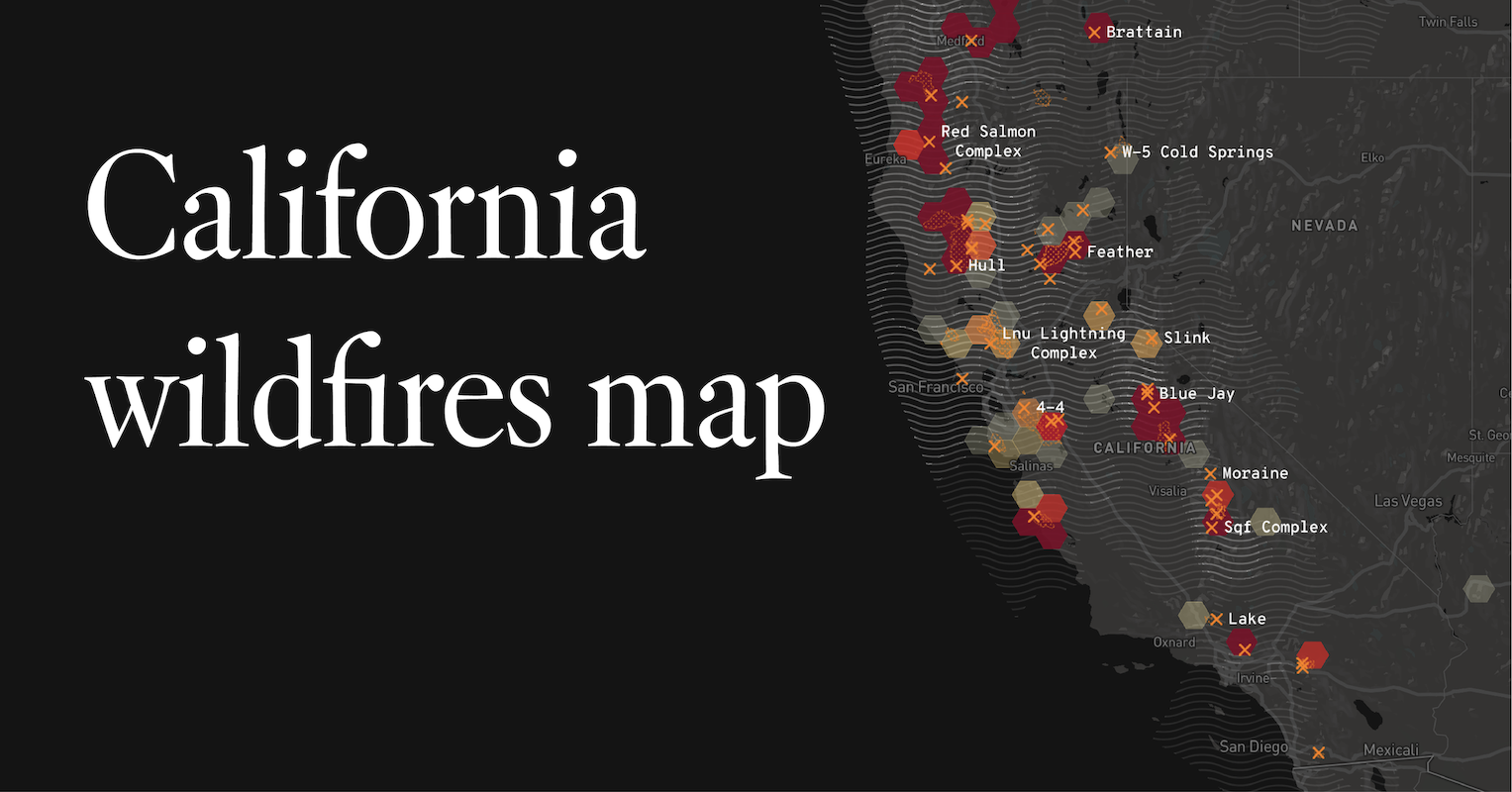
For those planning a trip, understanding the dynamics of wildfires in California is not about instilling fear, but rather about fostering informed decision-making and ensuring a safe, enjoyable, and responsible travel experience. This article delves into the realities of wildfires in the state, exploring their causes, impact on tourism, and offering practical advice for navigating travel and accommodation during what has increasingly become an extended fire season. We’ll explore how these events shape the landscape of travel, from itinerary planning to supporting local communities, all while highlighting the enduring resilience and beauty that continues to draw millions to this remarkable corner of the United States.
Understanding California’s Wildfire Landscape
The question “How many fires in California?” is complex, as the number fluctuates dramatically year by year, influenced by weather patterns, human activity, and the cumulative effects of climate change. While pinpointing an exact, static number is impossible, understanding the underlying factors gives travelers crucial context.
The Dynamics of Wildfires in the Golden State
California’s unique Mediterranean climate, characterized by hot, dry summers and mild, wet winters, creates ideal conditions for wildfires. The state’s diverse topography, ranging from chaparral-covered hillsides to dense coniferous forests, further contributes to varied fire behavior. Historically, wildfires have been a natural part of California’s ecosystem, playing a role in forest regeneration and maintaining biodiversity. However, factors such as a century of fire suppression, which led to an accumulation of dense undergrowth and dead vegetation, combined with increasingly severe drought conditions, have intensified these events.
The dry vegetation acts as fuel, and strong winds, such as the Santa Ana winds in Southern California and the Diablo winds in Northern California, can rapidly spread embers and fan flames over vast distances. A warming climate further extends the fire season, making it a year-round concern in some areas, rather than just a summer or fall phenomenon. The sheer scale and frequency of these modern fires have had devastating consequences, not just for natural habitats but also for communities and infrastructure. Incidents like the Mendocino Complex Fire in 2018, which was the largest in California’s history, or the deadly Camp Fire that same year, which decimated the town of Paradise, underscore the immense power and destructive potential of these events.
Key Regions Affected: From Forests to Foothills
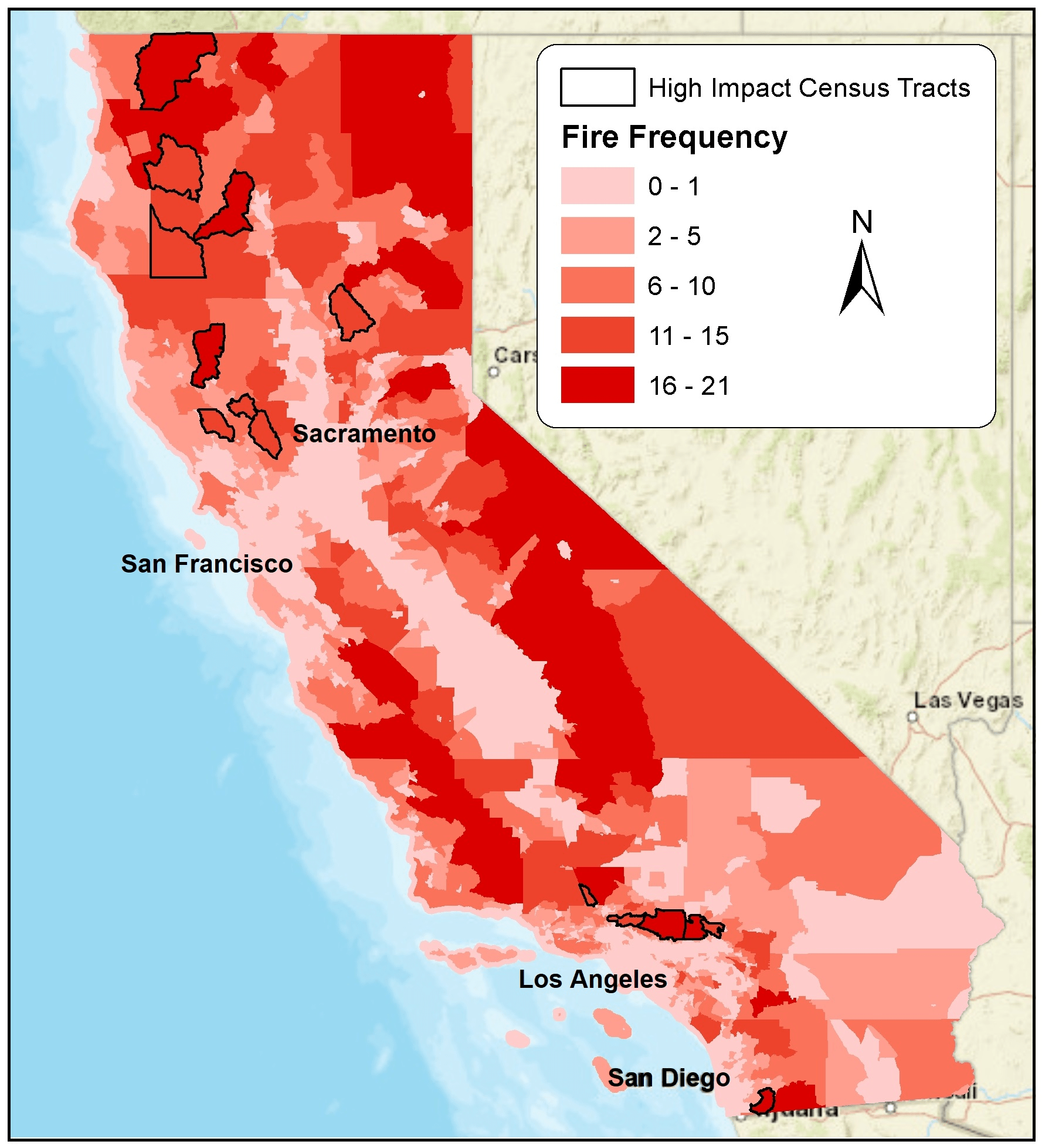
Wildfires can occur anywhere in California where there is dry vegetation and ignition sources. However, certain regions are more prone or experience more significant impacts due to their topography, vegetation, and proximity to human settlements.
- Forests and Mountainous Regions: Areas within and surrounding national parks like Yosemite National Park, Sequoia National Park, Kings Canyon National Park, and Redwood National Park, as well as national forests such as the Angeles National Forest and Cleveland National Forest, are particularly vulnerable. These areas, rich in biodiversity and popular for outdoor recreation, can see vast expanses of wilderness burned, leading to temporary closures, air quality issues, and long-term ecological changes.
- Wine Country: The renowned Napa Valley and Sonoma County regions, while famous for their vineyards and culinary experiences, have been repeatedly hit by devastating fires. Beyond the direct threat to properties, smoke taint can impact wine crops, and the general disruption affects the robust tourism industry that relies on a pristine environment and open access to wineries and restaurants.
- Wildland-Urban Interface (WUI): Many of California’s most picturesque communities are built where developed areas meet natural, undeveloped land. Cities and towns in the foothills, canyons, and coastal mountains near Los Angeles, San Diego, Santa Barbara, and the East Bay (including Oakland and Berkeley) are frequently at risk. Fires in these areas pose immediate threats to lives and homes, causing evacuations and significant damage, which in turn impacts local businesses, including hotels and attractions.
- Desert and Inland Regions: Even seemingly barren areas like those around Joshua Tree National Park, Palm Springs, or Death Valley National Park can experience fires, especially after unusual wet seasons that lead to abundant growth of highly flammable grasses, which then dry out.
Understanding these patterns helps travelers assess risks and plan accordingly, often by checking local conditions and forecasts, especially during the peak fire months of late summer and fall.
Navigating Travel and Tourism Amidst Wildfire Season
The presence of wildfires does not mean that travel to California is impossible or ill-advised, but it does necessitate a more thoughtful and adaptable approach. The state’s tourism industry is resilient, and many parts remain unaffected even during active fire incidents.
Planning Your California Adventure Safely
Safety should always be the top priority when traveling. For a California trip, particularly during potential fire season (roughly May to November, though it varies), this means being proactive and flexible.
- Monitor Conditions Closely: Before and during your trip, regularly check official sources for fire updates, air quality alerts, and road closures. Websites like Cal Fire (the California Department of Forestry and Fire Protection), the National Interagency Fire Center, and local county emergency services are invaluable. AirNow.gov provides real-time air quality data, which is crucial for planning outdoor activities.
- Be Flexible with Your Itinerary: Have backup plans. If a national park is closed or smoke makes hiking unbearable in one area, consider alternative destinations such as coastal cities like Santa Barbara or San Luis Obispo, which are often less affected by inland fires, or museums and indoor attractions in major metropolitan areas like San Francisco or Los Angeles.
- Consider Travel Insurance: Comprehensive travel insurance that covers disruptions due to natural disasters can be a wise investment. Read the policy carefully to understand what is covered in terms of cancellations, delays, or medical emergencies related to smoke exposure.
- Stay Informed about Evacuation Routes: If you are staying in a high-risk area, familiarize yourself with local evacuation plans and routes. While highly unlikely for most tourists, it’s a good practice, especially when venturing into remote areas.
Impact on Destinations and Attractions
Wildfires can significantly alter the experience of visiting specific destinations.
- National and State Parks: These are often the first to implement closures for visitor safety and to allow fire crews to work unimpeded. Even if not directly impacted by flames, smoke can severely degrade air quality and visibility, making hiking and scenic drives unpleasant or unhealthy. Always check park websites for the latest alerts before heading out to places like Yosemite National Park or Joshua Tree National Park.
- Coastal Drives and Scenic Routes: Iconic routes like the Pacific Coast Highway can be affected by fires in adjacent hillsides, leading to road closures, especially in areas like Big Sur or parts of Ventura County.
- Urban and Theme Park Attractions: Major urban centers and attractions like the Disneyland Resort or Universal Studios Hollywood are generally less susceptible to direct fire threats due to their built environment. However, they can experience degraded air quality from distant fires, which might affect outdoor activities or those sensitive to smoke.
- Wine Regions: While the direct threat to vineyards and wineries is devastating, the broader impact includes lost tourism revenue due to closures, reduced visitor numbers, and concerns over air quality. Many wineries in Napa Valley and Sonoma County have robust recovery plans and welcome visitors outside of immediate danger zones.

The Resilience of California’s Tourism Industry
Despite the challenges, California’s tourism sector demonstrates remarkable resilience. Communities and businesses often adapt quickly, focusing on unaffected areas and innovative ways to engage visitors. Hotels in Sacramento, for instance, may offer deals to those who had to evacuate fire zones, while coastal towns might see an influx of visitors seeking clearer air. Many establishments are proactive in sharing information about local conditions and offering flexible booking policies. Travelers can support this resilience by remaining informed, choosing destinations that are safe and open, and by patronizing local businesses once it is safe to do so.
Accommodation and Lifestyle Considerations for Visitors
When planning your stay in California, especially during periods of fire risk, it’s essential to consider how wildfires might impact your accommodation choices and daily lifestyle activities.
Choosing Safe and Sustainable Stays
Accommodation forms the backbone of any travel experience, and during fire season, its safety and flexibility become paramount.
- Research Location and Proximity: When booking hotels, resorts, apartments, or villas, pay attention to their location relative to known fire-prone areas. Properties nestled deep in wooded areas, while beautiful, might pose a higher risk or be subject to quicker evacuation orders. Urban hotels or those directly on the coast, for example in San Diego or Orange County, are generally less directly threatened by wildfires, though they can still experience smoke.
- Cancellation Policies: Opt for accommodations with flexible cancellation policies. This allows you to adjust your plans without significant financial loss if conditions change due to fires or smoke. Many hotels, especially during uncertain times, have adapted to offer more lenient terms.
- Health and Amenities: If you are sensitive to smoke or have respiratory conditions, inquire about a hotel’s air filtration systems. Some luxury resorts or newer accommodations might have advanced systems that help maintain indoor air quality. Check if amenities like outdoor pools or patios will be usable given potential smoke.
- Supporting Local Businesses: When areas recover from fires, choosing to stay in their local hotels or booking tours with local operators can be a vital way to contribute to their economic recovery. Always verify that an area is fully open and safe before planning such a trip.
Lifestyle Adjustments: Air Quality and Outdoor Activities
The lifestyle aspect of a California trip often revolves around its outdoor offerings, from hiking and beach-going to wine tasting and exploring national parks. Wildfires, even if distant, can significantly impact these activities due to smoke.
- Air Quality Impact: Smoke from wildfires contains fine particulate matter that can travel hundreds of miles, affecting air quality far from the actual fire. Even in cities like San Francisco or Los Angeles, hazy skies and the smell of smoke are not uncommon during peak fire season. For travelers, this means potentially limiting strenuous outdoor activities, especially for those with respiratory issues, children, or the elderly.
- Outdoor Activities: While a primary draw for many, activities like hiking in Muir Woods National Monument, camping in the Sierra Nevada, or beach days might need to be reconsidered if air quality is poor. Instead, pivot to indoor attractions like world-class museums, aquariums, art galleries, or culinary tours.
- Wine Tasting: In wine regions like Napa Valley and Sonoma County, while the wineries themselves are typically safe, the experience of enjoying outdoor patios and vineyard views can be hampered by smoke. Check with individual wineries regarding their current operations and any impact on their guest experience.
- Alternative Experiences: California offers such a breadth of experiences that there are always alternatives. Instead of a mountain hike, consider a cruise around Catalina Island or a stroll across the Golden Gate Bridge if air conditions are clear. Embrace city explorations, enjoy diverse cuisine, or indulge in wellness retreats.
Looking Ahead: Prevention, Preparedness, and Future Travel
The dialogue around “How many fires in California?” is not just about counting incidents, but also about understanding the ongoing efforts to manage and mitigate this complex issue. For travelers, this perspective offers reassurance and empowers them to be part of the solution.
Efforts to Mitigate Fire Risk
California is at the forefront of wildfire prevention and management strategies, involving a multi-faceted approach:
- Forest Management: Increased efforts in prescribed burns, mechanical thinning, and vegetation removal help reduce fuel loads in forests. Agencies like the US Forest Service, Bureau of Land Management, and Cal Fire are continuously working on these initiatives.
- Early Detection and Rapid Response: Advanced satellite technology, expanded camera networks, and sophisticated weather forecasting systems aid in early detection. This, combined with robust aerial and ground firefighting resources, allows for quicker response times, potentially containing smaller fires before they escalate.
- Community Preparedness: State and local governments are investing in hardening homes against fire, creating defensible space around properties, and educating residents on evacuation plans and emergency kits.
- Infrastructure Improvements: Utility companies are upgrading power lines and other infrastructure to reduce the risk of ignition, as power lines have been identified as a cause of some significant fires.
These ongoing efforts, while not eliminating fire risk entirely, aim to make California more resilient and safer for both residents and visitors in the long term.
Essential Resources for Travelers
Being a well-informed traveler is your best defense against unexpected disruptions. Before and during your California adventure, keep these resources handy:
- Official Fire Information:
- Cal Fire Incident Information: For the latest updates on active fires, their size, containment, and evacuation orders.
- National Interagency Fire Center (NIFC): Offers a broader view of fire activity across the United States.
- Air Quality Information:
- AirNow.gov: Provides real-time air quality index (AQI) data, essential for planning outdoor activities.
- Road Conditions:
- Caltrans QuickMap: For real-time information on road closures and traffic conditions.
- National Park Service (NPS) Alerts:
- Check individual park websites (e.g., Yosemite National Park or Joshua Tree National Park) for specific alerts, closures, and conditions before visiting.
- Local Tourism Boards:
- Many city and regional tourism offices (e.g., Visit California, Visit Los Angeles, San Francisco Travel) provide updated information relevant to visitors.
By utilizing these resources, travelers can make informed decisions, stay safe, and enjoy the myriad wonders that California continues to offer. The state’s captivating allure persists, even as it navigates the complexities of its natural environment, inviting visitors to experience its enduring beauty with awareness and respect.