
The skyline of Chicago, Illinois, is a testament to architectural ambition and innovation, a city where steel and glass reach for the heavens. Among its most iconic structures, one stands preeminent, a dark monolithic presence that has defined the city’s profile for decades: the Sears Tower, now officially known as the Willis Tower. For travelers exploring destinations that blend historical significance with breathtaking modern design, this colossal skyscraper is an undeniable highlight, offering not just a glimpse of engineering marvel but an entire experience from its dizzying heights.
The question of “how many floors” often arises when gazing up at such a formidable structure, a natural curiosity about the sheer scale of human achievement. The simple answer to this query is 110 floors. However, this number, while accurate, barely scratches the surface of the story behind one of the world’s most recognizable buildings. It represents not just a vertical stack of offices and an observation deck, but a landmark that has continuously reshaped perceptions of urban architecture, a symbol of Chicago’s enduring spirit and its pivotal role in global tourism and business.
For anyone planning a trip to the United States, particularly those interested in urban exploration, architectural wonders, and unparalleled city views, understanding the Willis Tower goes far beyond a simple floor count. It involves delving into its history, appreciating its groundbreaking design, and, most importantly, experiencing its vibrant energy, whether from its bustling ground-level plaza or its renowned Skydeck at the summit. This article will embark on a comprehensive journey through the floors and fascinating facets of Chicago’s legendary skyscraper.
An Icon Redefined: The Willis Tower’s Enduring Legacy
The story of the Willis Tower is one of ambition, innovation, and an unyielding quest for architectural excellence. Commissioned by Sears, Roebuck and Company, then the world’s largest retailer, the tower was conceived in the early 1970s to consolidate its thousands of employees into a single corporate headquarters. The desire for a structure that could accommodate such a massive workforce while also reflecting the company’s formidable presence led to a commission that would forever change the global architectural landscape.
From Sears Tower to Willis Tower: A Name Change and Enduring Fame
When it topped out in 1973 and was completed in 1974, the Sears Tower immediately claimed the title of the tallest building in the world, a distinction it held for nearly 25 years. This record-breaking height was a point of immense pride for Chicago and the United States as a whole. Its sheer scale and elegant, dark facade quickly embedded it into popular culture, making it an instant global landmark.
However, like many large corporate structures, its name eventually changed hands. In 2009, Willis Group Holdings, a global insurance broker, secured a naming rights agreement, officially renaming the building the Willis Tower. Despite the official change, for many long-time residents and visitors, the name “Sears Tower” continues to evoke a sense of nostalgic familiarity, underscoring its deep-rooted identity in the city’s history. Regardless of its name, its status as a must-visit attraction for any traveler remains unwavering. The change itself became a part of its story, highlighting the dynamic nature of urban landmarks in an ever-evolving global economy. Owned today by the Blackstone Group, the tower continues to be a vibrant center of commerce and tourism.
The Architectural Genius Behind the Heights
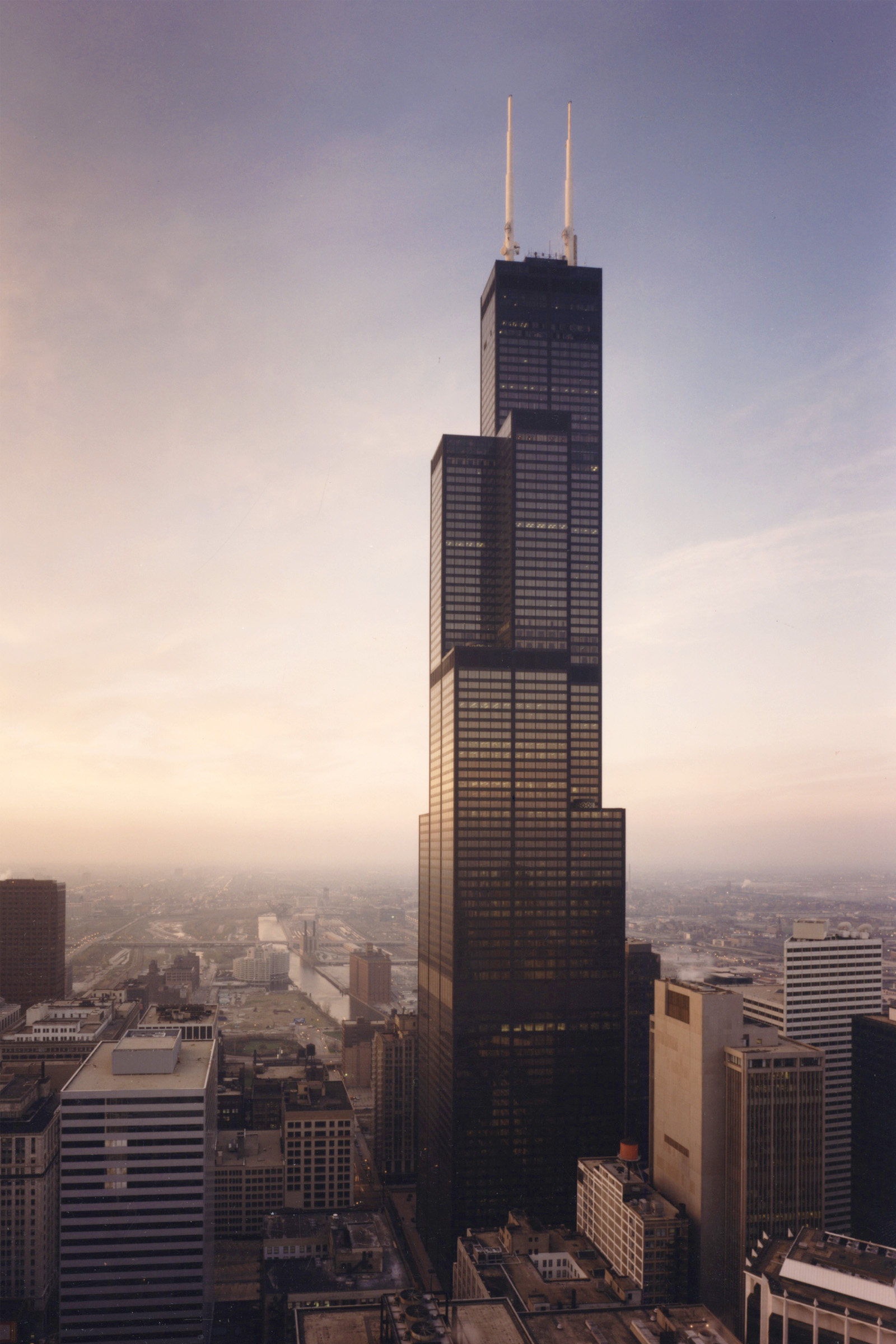
The brilliance of the Willis Tower’s design lies in its innovative structural system, conceived by the architectural firm Skidmore, Owings & Merrill. Specifically, the lead architect Bruce Graham and structural engineer Fazlur Rahman Khan pioneered the revolutionary “bundled tube design“. This concept involved nine square “tubes” bundled together, forming a square base. As the tower rises, some of these tubes terminate at different heights, creating the distinctive stepped-back appearance that is instantly recognizable.
This engineering feat was not merely aesthetic; it was incredibly efficient. By bundling the tubes, the building was able to resist lateral forces like wind far more effectively than traditional designs, allowing it to reach unprecedented heights without excessive swaying or material usage. This innovation set new precedents for skyscraper construction worldwide and is still studied and admired by architects and engineers today. For visitors interested in the history of architecture and engineering, the Willis Tower is a living textbook, showcasing how bold vision can overcome structural challenges to create enduring masterpieces. Its robust design ensures its longevity as a beacon for urban living and a prime example of human ingenuity.
Deciphering the Willis Tower’s Stature: A Floor-by-Floor Breakdown
Understanding the sheer scale of the Willis Tower requires more than just knowing its floor count; it demands an appreciation for the meticulous planning and diverse functions housed within its vertical expanse. The building stands at an impressive 1,450 feet (442 meters) from its base to the top of its roof, and including its twin antenna spires, it reaches an astounding 1,729 feet (527 meters). These figures position it as one of the tallest buildings in the United States and among the tallest in the world, a classification consistently monitored by the Council on Tall Buildings and Urban Habitat.
The Official Count and Its Contents
As mentioned, the Willis Tower officially boasts 110 floors. These floors are primarily dedicated to office space, hosting a multitude of businesses, corporations, and professional services that contribute to Chicago’s bustling economy. From technology firms to financial institutions, the tower is a vibrant vertical city where thousands work daily.
Beyond the extensive office space, the floor distribution also includes:
- Mechanical Floors: Strategically placed throughout the building, these floors house the essential machinery that keeps the skyscraper operational. This includes heating, ventilation, air conditioning (HVAC) systems, electrical distribution, and elevator mechanics. These are crucial for the comfort and safety of all occupants.
- Broadcast and Telecommunications Equipment: The upper reaches of the tower, particularly above the main office floors, are home to numerous broadcast antennas and telecommunications equipment, serving various radio and television stations across the Chicago metropolitan area. This function highlights the tower’s role as a critical piece of the region’s infrastructure.
- The Skydeck Chicago: Located on the 103rd floor, this is undoubtedly the most famous and frequented part of the tower for tourists. It offers breathtaking panoramic views of Chicago and its surrounding areas, extending up to 50 miles on a clear day, across four states. The Skydeck is an essential part of the visitor experience, a landmark in itself within the larger landmark.
Beyond the Numbers: The Vertical City
The 110 floors are more than just a numerical statistic; they represent a complex ecosystem. Each floor contributes to the tower’s function as a self-contained urban environment. The lower floors often feature retail spaces, dining options, and lobbies designed to accommodate the thousands who pass through daily. This integration of amenities caters not just to the tower’s occupants but also to the surrounding community and tourists.
The design of the bundled tubes means that the floor plates vary in size at different elevations, allowing for flexibility in office layouts and creating unique spaces within the building. This architectural choice enhances the building’s adaptability, enabling it to house a diverse range of tenants with differing space requirements. From the ground floor’s initial welcome to the expansive vistas from the 103rd floor, each level tells a part of the Willis Tower’s story, inviting visitors to ascend through its layers of history, commerce, and unparalleled views.
Experiencing the Heights: The Skydeck Chicago and The Ledge
For tourists and adventurers, the true allure of the Willis Tower lies in its ability to transport you above the bustling streets of Chicago and offer an unparalleled perspective of the urban landscape. The Skydeck Chicago on the 103rd floor is the city’s premier observation experience, drawing millions of visitors each year. It’s a quintessential Chicago attraction, blending panoramic views with an exhilarating interactive experience.
Unparalleled Views from The Ledge
While the general Skydeck offers stunning 360-degree views, the crown jewel of the experience is The Ledge. Introduced in 2007, The Ledge consists of four glass boxes that extend approximately 4.3 feet (1.3 meters) out from the building’s facade. Stepping into one of these transparent enclosures provides an utterly unique and thrilling sensation: you are suspended 1,353 feet (412 meters) above the ground, with nothing but clear glass between you and the street below.
This experience is not for the faint of heart, but for those brave enough, it offers an incomparable photo opportunity and an unforgettable memory. Looking straight down, the miniature cars and ant-sized pedestrians create a surreal sense of detachment from the city below. The Ledge transforms a simple observation deck visit into an immersive, adrenaline-pumping adventure, making it a bucket-list item for many travelers seeking unique attractions.
Planning Your Visit to Chicago’s Tallest Landmark
To make the most of your Skydeck Chicago experience, consider these travel tips:
- Best Time to Visit: Early mornings, late afternoons, and evenings are often recommended. Early mornings typically see fewer crowds, allowing for a more serene experience. Late afternoon visits offer the chance to see Chicago in daylight, witness a spectacular sunset, and then watch the city lights twinkle to life – a truly magical transition.
- Tickets: It’s highly advisable to purchase tickets online in advance, especially during peak tourist season or holidays, to save time and ensure entry. Various ticket options are available, sometimes including fast-pass access for those on a tight schedule.
- Accessibility: The Willis Tower and Skydeck are fully accessible, with elevators and ramps making it easy for all visitors to enjoy the experience.
- Photography: Don’t forget your camera! The views are incredible, and The Ledge provides some of the most dramatic photo opportunities you’ll ever encounter. Be prepared for potentially long queues for The Ledge during busy periods.
- Weather Considerations: While the Skydeck is an indoor attraction, clear weather is crucial for optimal visibility. Check the forecast before your visit to ensure you’ll have expansive views.
- Beyond the View: The Skydeck also features interactive exhibits that delve into the history of the tower and Chicago’s rich architectural heritage, offering educational context to the visual spectacle.
A visit to the Skydeck Chicago is more than just observing a city from above; it’s an immersive experience that deepens one’s appreciation for urban planning, architectural ambition, and the sheer vibrancy of Chicago.
The Willis Tower’s Place in Chicago’s Vibrant Urban Tapestry
The Willis Tower is not an isolated marvel; it is an integral thread in the rich tapestry of Chicago’s urban landscape. Its presence influences everything from the city’s skyline identity to the daily lives of its residents and the itineraries of countless tourists. It acts as both a commercial powerhouse and a significant cultural landmark, embodying the city’s dynamic spirit.
A Beacon in a City of Architectural Wonders
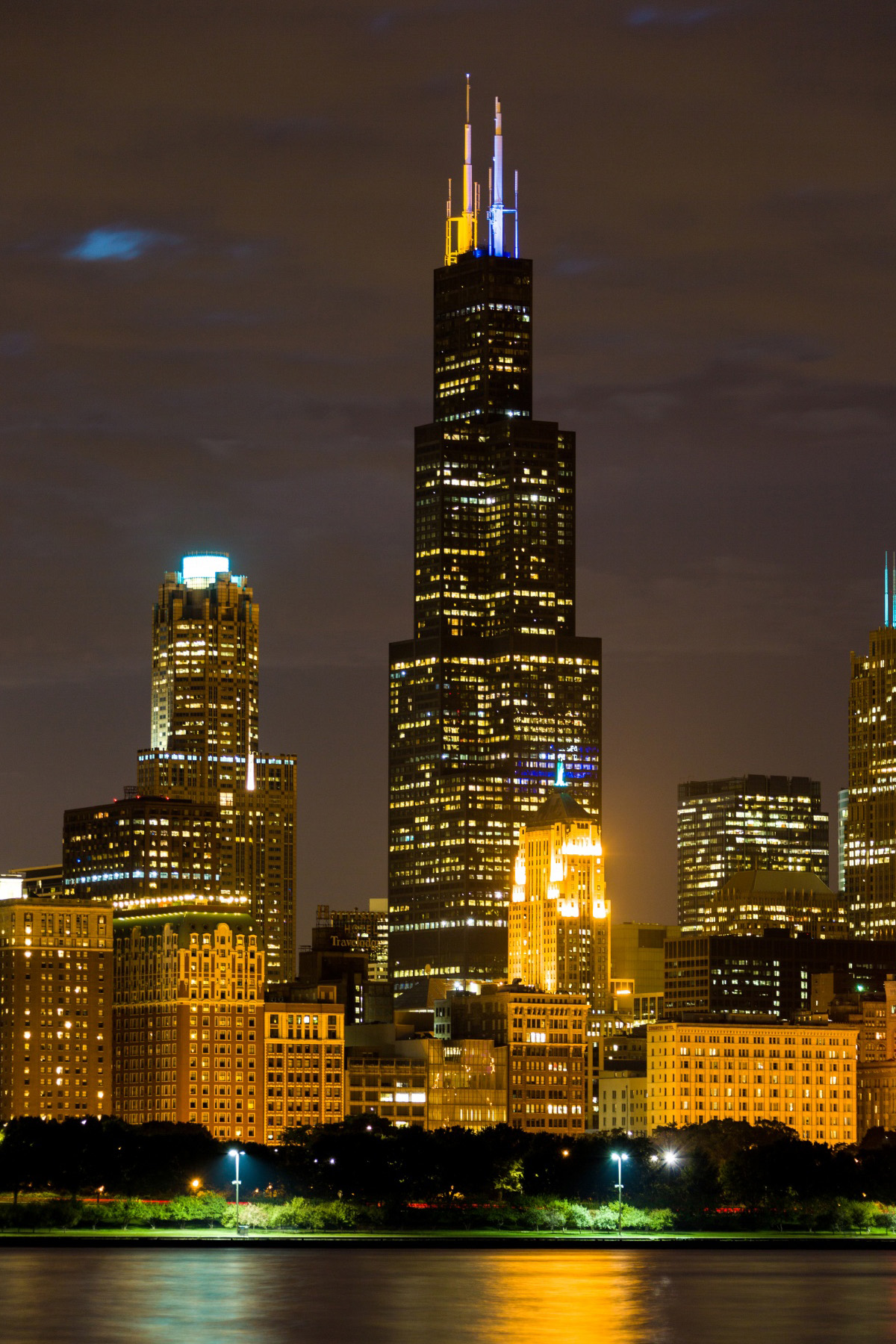
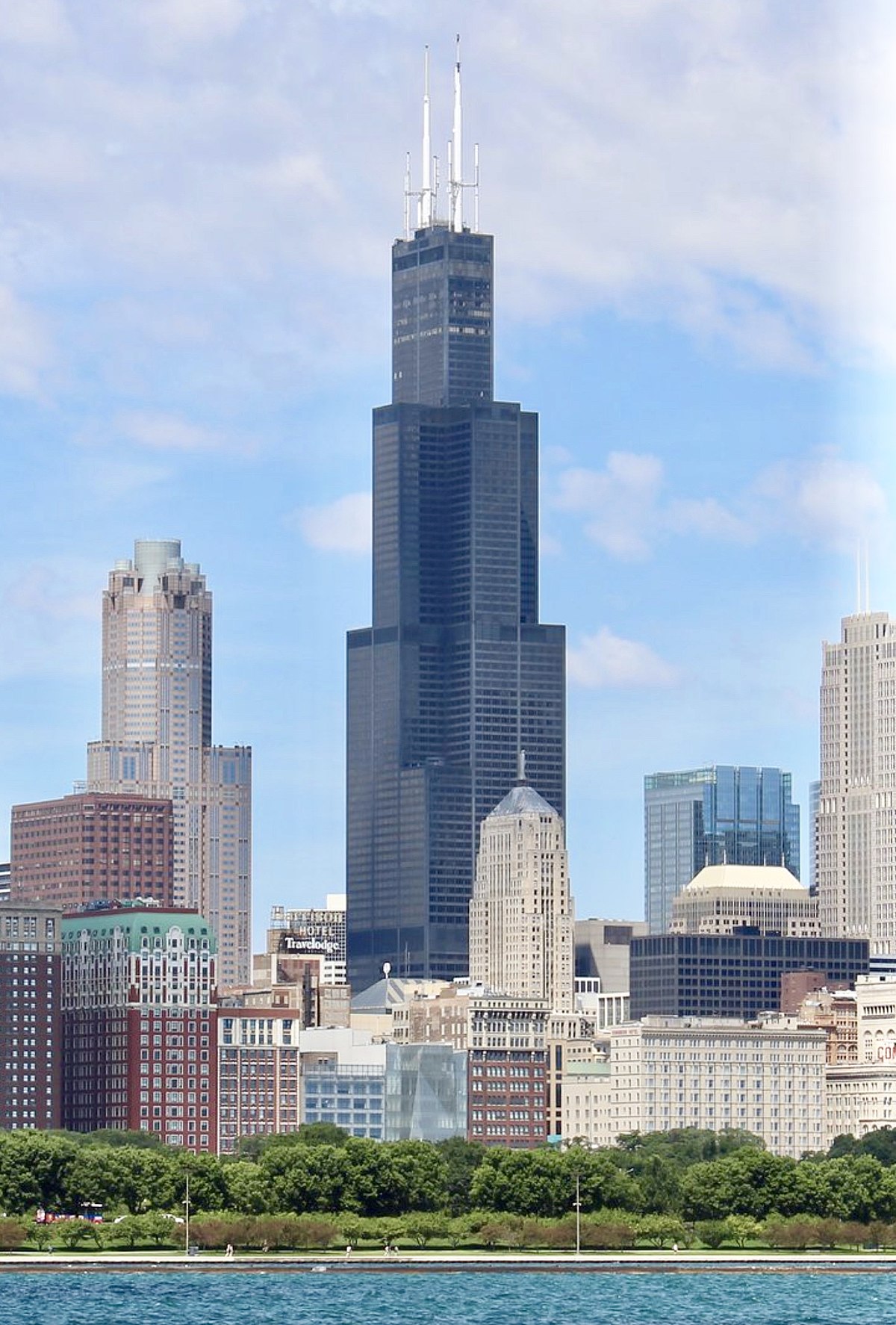
Chicago is renowned globally as the birthplace of the skyscraper and a living museum of modern architecture. The Willis Tower stands proudly among other architectural giants, contributing significantly to one of the most recognizable skylines in the world. From its observation decks, one can easily spot other iconic structures like the John Hancock Center (now officially 875 North Michigan Avenue), with its distinctive X-bracing, and the elegant Trump International Hotel and Tower alongside the Chicago River.
The tower serves as a navigational beacon and a constant reminder of Chicago’s leadership in design and engineering. Its distinctive silhouette is featured in countless postcards, films, and marketing materials, firmly cementing its place as an emblem of the city’s identity. For architecture enthusiasts, a visit to Chicago is incomplete without experiencing the Willis Tower, ideally complemented by an architectural boat tour that offers water-level perspectives of these towering achievements.
Nearby Attractions and Accommodation for the Discerning Traveler
The strategic location of the Willis Tower in the West Loop neighborhood makes it a convenient starting point for exploring many other Chicago attractions. Within walking distance or a short public transport ride, visitors can find:
- Millennium Park: Home to the famous Cloud Gate sculpture (affectionately known as “The Bean”), outdoor art, and beautiful landscaping.
- Art Institute of Chicago: One of the oldest and largest art museums in the United States, boasting a world-class collection.
- Navy Pier: A family-friendly destination offering rides, restaurants, and boat tours along Lake Michigan.
- Magnificent Mile: For luxury shopping, dining, and vibrant city life.
- Museum Campus: Further south, featuring the Field Museum, Shedd Aquarium, and Adler Planetarium.
Regarding accommodation, Chicago offers a diverse range of hotels, suites, resorts, and apartments to suit every lifestyle and budget, many offering stunning views of the city skyline, including the Willis Tower.
- Luxury Travel: Properties like The Langham Chicago or the Four Seasons Hotel Chicago offer opulent amenities, exquisite dining, and prime locations for those seeking an indulgent experience.
- Budget Travel: Numerous mid-range and budget-friendly hotels are scattered throughout the Loop and surrounding neighborhoods, providing comfortable stays without breaking the bank. Hostels and boutique hotels also cater to a more budget-conscious, yet stylish, traveler.
- Family Trips: Hotels with spacious suites, pools, and convenient access to family attractions are abundant.
- Business Stays: Hotels like the Hyatt Centric Chicago Magnificent Mile or the historic Palmer House Hilton offer excellent business amenities, meeting spaces, and connectivity.
When booking accommodation, consider proximity to the Willis Tower if easy access is a priority, or choose a hotel that provides a memorable view of this architectural marvel from your window. Reviews and comparisons on specialized booking sites can help discerning travelers find the perfect fit for their needs, whether seeking a short-term stay or considering options for long-term accommodation.
In conclusion, the Willis Tower, with its 110 floors, is far more than just a tall building. It is a testament to human innovation, a cornerstone of Chicago’s identity, and a vibrant destination that offers an unforgettable experience for every traveler. From its groundbreaking architecture to the breathtaking views from The Ledge, it continues to inspire awe and curiosity, inviting visitors from around the globe to explore its heights and delve into the rich history and dynamic culture of the Windy City. Whether you are a first-time visitor or a seasoned urban explorer, the Willis Tower promises a journey into the clouds that will leave a lasting impression.
LifeOutOfTheBox is a participant in the Amazon Services LLC Associates Program, an affiliate advertising program designed to provide a means for sites to earn advertising fees by advertising and linking to Amazon.com. Amazon, the Amazon logo, AmazonSupply, and the AmazonSupply logo are trademarks of Amazon.com, Inc. or its affiliates. As an Amazon Associate we earn affiliate commissions from qualifying purchases.