
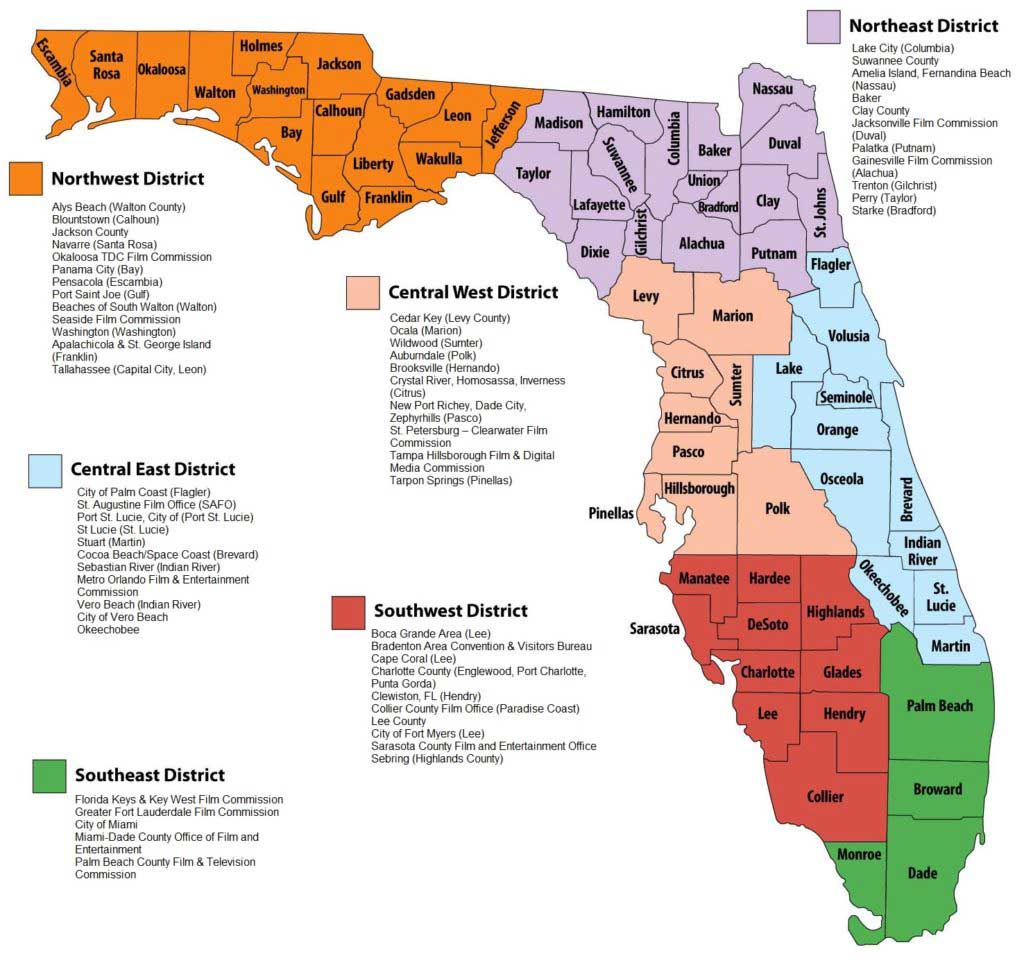
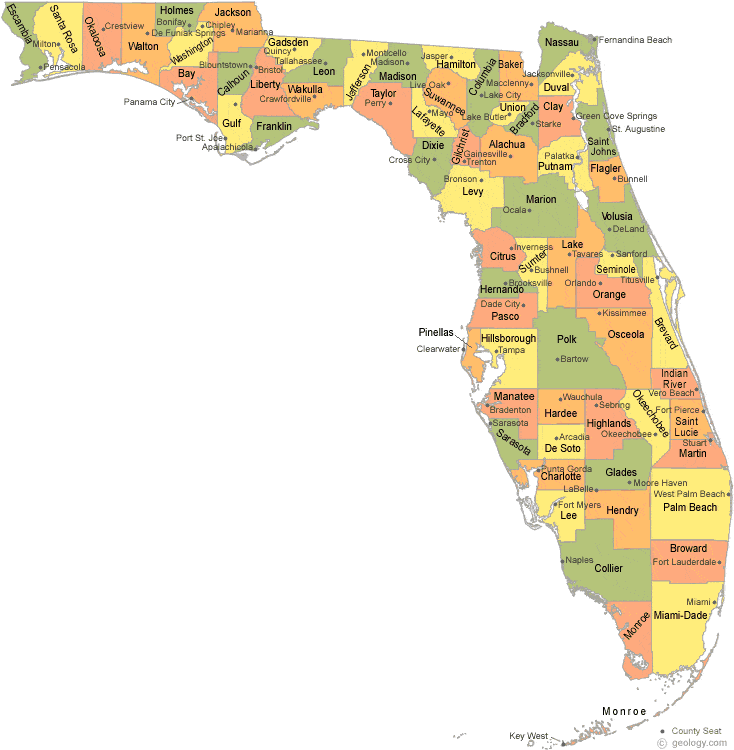
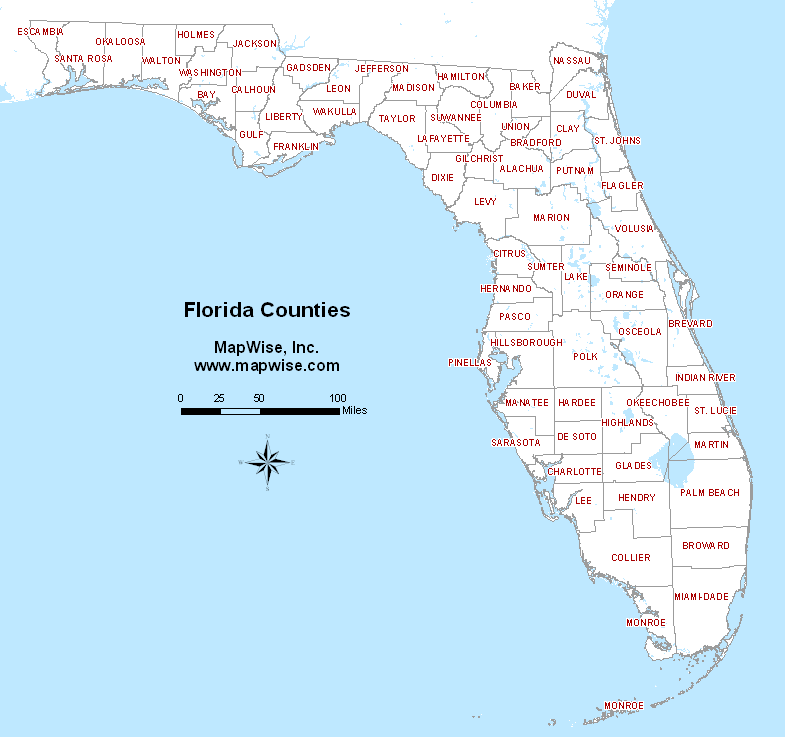
The question of “how many counties are in Florida?” might seem straightforward, but it unlocks a deeper appreciation for the Sunshine State’s diverse geography and administrative divisions. For travelers, understanding the county structure can enhance exploration, revealing distinct local cultures, unique attractions, and varying travel experiences across the state. Florida is divided into 67 counties, each with its own distinct character and offerings, from the bustling metropolises to the serene natural preserves. These counties form the bedrock of the state’s identity, shaping everything from its political landscape to its most treasured tourist destinations.
Exploring Florida’s 67 Counties: A Traveler’s Perspective
Florida’s 67 counties represent a rich tapestry of landscapes, histories, and cultures. For the intrepid traveler, each county offers a unique window into what makes the Sunshine State so captivating. From the sun-drenched beaches of Southwest Florida to the historic charm of the Panhandle, the journey through Florida’s counties is an exploration of diversity itself. Understanding this division can help you plan more targeted trips, uncovering hidden gems and experiencing the authentic essence of each region.
North Florida: The Panhandle’s Charm and Historic Roots
The Panhandle of Florida, stretching from the Alabama border to the Apalachicola River, is a region steeped in history and natural beauty. Counties here, such as Escambia (home to Pensacola), offer a glimpse into the state’s Spanish and British colonial past. Visitors can explore historic forts, charming downtowns, and pristine beaches along the Gulf Coast.
Emerald Coast Adventures
Counties like Walton, Bay (featuring Panama City Beach), and Gulf are renowned for their breathtaking white-sand beaches and emerald-green waters. This stretch of coastline is a prime destination for sun-seekers, water sports enthusiasts, and families looking for classic beach vacation experiences. Beyond the sand, these counties offer opportunities for exploring state parks, enjoying fresh seafood, and experiencing a more laid-back pace of life.
The Historic Heart of North Florida
Moving eastward, counties like Leon (with its capital, Tallahassee) and Gadsden delve into Florida’s rich historical narrative. Tallahassee, situated in Leon County, boasts antebellum homes, museums, and the impressive Florida Historic Capitol Museum. This region provides a cultural counterpoint to the beach resorts, offering a chance to connect with the state’s governmental and historical heritage.
Central Florida: Theme Parks, Natural Springs, and Citrus Groves
Central Florida is perhaps the most recognized region for many visitors, largely due to its world-famous theme parks. However, beyond the magical gates, this area is also characterized by its abundant natural springs and the historical significance of its citrus industry.
The Entertainment Capital of the World
Orange County is the undisputed heart of Florida’s entertainment industry, home to Walt Disney World Resort, Universal Orlando Resort, and SeaWorld Orlando. Adjacent counties like Osceola and Lake also contribute significantly to the tourism draw with their own unique attractions and accommodations. For families and thrill-seekers, these counties offer an unparalleled vacation experience.
The Springs Heritage
Beyond the manufactured thrills, Central Florida is blessed with an abundance of natural freshwater springs. Counties such as Seminole, Volusia, and Marion are dotted with crystal-clear springs like Wekiwa Springs State Park, Blue Spring State Park, and the Ocala National Forest’s springs. These natural wonders provide refreshing escapes for swimming, snorkeling, diving, and kayaking, offering a perfect contrast to the theme park bustle.
The Citrus Belt
Historically, counties like Polk, Highlands, and Hardee formed the core of Florida’s world-renowned citrus industry. While the industry has faced challenges, the legacy remains, and visitors can still find roadside stands selling fresh oranges and grapefruits, and even visit citrus-themed attractions. This agricultural heritage adds another layer to the region’s identity.
West Coast: Gulf Shores, Urban Centers, and Island Escapes
Florida’s Gulf Coast offers a different kind of allure, characterized by its calm, warm waters, vibrant urban centers, and charming barrier islands. The counties along this coast are popular for their beautiful beaches, diverse ecosystems, and a burgeoning culinary and arts scene.
The Beaches and Bayous
Counties such as Pinellas (home to St. Petersburg and Clearwater), Hillsborough (including Tampa), and Sarasota (with its famous Sarasota Bay) are magnets for tourists. These areas boast some of the most picturesque beaches in the state, including Clearwater Beach and Siesta Key Beach. Beyond the shore, these urban centers offer world-class museums, lively nightlife, and professional sports.
Island Paradises
The counties along the Gulf Coast are also gateways to numerous barrier islands, each offering a unique experience. From the upscale resorts of Lee County’s islands like Sanibel Island and Captiva Island, known for their shelling and serene atmosphere, to the more vibrant energy of areas near Fort Myers, these islands provide idyllic escapes. Further south, Collier County, with Naples and the gateway to the Everglades, offers a blend of luxury and wild beauty.
South Florida: Tropical Vibes, International Flair, and Unique Ecosystems
South Florida is synonymous with a tropical climate, vibrant international cultures, and unique ecosystems that draw visitors from around the globe. The counties here offer a stark contrast to the rest of the state, providing a taste of the Caribbean and a gateway to the wonders of the subtropics.
The Gateway to the Tropics
Miami-Dade County, the most populous county in Florida, is a global hub of commerce, culture, and entertainment. Miami itself is a mosaic of neighborhoods, each with its distinct character, from the Art Deco charm of South Beach to the vibrant Cuban culture of Little Havana. Visitors can explore world-class museums, indulge in diverse culinary scenes, and enjoy the iconic beaches.
Urban Sophistication and Natural Wonders
Neighboring Broward County, with its bustling city of Fort Lauderdale, offers a similar blend of urban sophistication and coastal beauty. Known as the “Venice of America” for its extensive network of canals, Fort Lauderdale is a popular destination for boaters and beach lovers. Further inland, Palm Beach County, with its eponymous city and other affluent communities like Boca Raton, epitomizes luxury travel with its high-end resorts, designer boutiques, and championship golf courses.
The Edge of the Wilderness
The southern tip of Florida, particularly within Monroe County, which encompasses the Florida Keys, offers a truly unique tropical experience. Driving the Overseas Highway is an adventure in itself, connecting a chain of islands with turquoise waters and a laid-back, seafaring culture. Key West, the southernmost point, is famous for its vibrant nightlife, historical sites like the Ernest Hemingway Home and Museum, and stunning sunsets. This region provides an unparalleled opportunity for diving, snorkeling, and experiencing a distinct island lifestyle.
Beyond the Numbers: Understanding County Significance for Travel
Knowing that Florida has 67 counties is more than just a trivia fact; it’s a foundational piece of information for anyone seeking to deeply explore the state. Each county is a distinct administrative and geographic unit, often with its own local government, distinct tax structures, and unique zoning laws that can influence everything from the cost of a hotel room to the availability of certain activities. For a traveler, this means that planning a trip by county can lead to a richer and more nuanced experience.
Local Governance and Visitor Experience
The county level of government in Florida plays a crucial role in shaping the visitor experience. For instance, county tourism boards often lead marketing efforts for their specific regions, highlighting local attractions, events, and accommodations. Understanding which county you are in can help you tap into these resources. Whether it’s seeking out a county park for a picnic, attending a local festival organized at the county level, or navigating local ordinances, this administrative layer is intrinsically linked to the on-the-ground reality for tourists.
Geographic Diversity and Microclimates
Florida’s 67 counties encompass an astonishing array of geographic features. From the Panhandle’s rolling hills and pine forests to the Central Florida’s citrus groves and lake regions, the flat expanse of the Everglades, and the coral islands of the Keys, each county offers a different environment. This diversity extends to microclimates as well. While generally warm, certain areas might experience different rainfall patterns or temperature fluctuations due to elevation, proximity to coastlines, or specific ecological zones. Recognizing these geographic distinctions can help travelers pack appropriately and anticipate the types of outdoor activities available.
Cultural Pockets and Economic Drivers
Each of Florida’s 67 counties has developed its own cultural identity, often shaped by its history, demographics, and primary economic drivers. For example, counties with a strong agricultural past, like those in the former citrus belt, might retain a more traditional, rural character. Conversely, counties that have become major tourism hubs, such as Osceola or Broward, have a more cosmopolitan and service-oriented culture. Understanding these economic and cultural underpinnings can lead to more authentic interactions and a deeper appreciation for the local way of life. For a traveler seeking unique culinary experiences, knowing that Collier County has a significant retirement and affluent demographic might suggest a prevalence of fine dining, while a county with a large Hispanic population, like Miami-Dade, will offer an abundance of Latin American cuisine.
Planning Your Florida Adventure County by County
The knowledge of Florida’s 67 counties empowers a more strategic and personalized approach to travel planning. Instead of broadly targeting “Florida,” one can identify specific counties that align with their interests, whether it’s the natural beauty of the Panhandle, the theme park excitement of Central Florida, the vibrant city life on the Gulf Coast, or the tropical allure of South Florida.
Crafting Itineraries by County
For a family vacation focused on theme parks, focusing on Orange and Osceola counties in Central Florida is a logical starting point. For a nature lover, exploring the numerous state and national parks spread across counties like Marion, Franklin, and Monroe would be ideal. A historical tour might involve visiting counties in North Florida such as St. Johns (home to St. Augustine) or Escambia (with Pensacola).
Discovering Hidden Gems Beyond the Tourist Trails
While major attractions often span county lines or are well-publicized, delving into the specific offerings of individual counties can reveal lesser-known gems. A small county might boast a charming historic downtown, a unique local festival, or a particularly scenic stretch of highway that offers a more intimate travel experience. For instance, exploring the county parks within a less-trafficked county can provide peaceful natural retreats. The abundance of 67 counties ensures that there is always something new to discover, even for seasoned Florida travelers.
The Practicalities of County-Based Travel
When booking accommodations, understanding county boundaries can be useful for comparing prices and amenities. For example, a resort in a highly developed tourist county might have different pricing structures and a wider range of amenities compared to a boutique hotel in a more rural county. Similarly, researching local transportation options or event schedules often requires knowledge of the specific county. By recognizing Florida’s 67 counties as distinct travel destinations, visitors can unlock a more comprehensive and rewarding exploration of the Sunshine State.
LifeOutOfTheBox is a participant in the Amazon Services LLC Associates Program, an affiliate advertising program designed to provide a means for sites to earn advertising fees by advertising and linking to Amazon.com. Amazon, the Amazon logo, AmazonSupply, and the AmazonSupply logo are trademarks of Amazon.com, Inc. or its affiliates. As an Amazon Associate we earn affiliate commissions from qualifying purchases.