
Colorado, a state renowned for its majestic Rocky Mountains, holds a special allure for hikers, climbers, and nature enthusiasts. At the heart of this allure are its fourteeners – peaks that soar above 14,000 feet in elevation. These formidable mountains are not merely geographical features; they are iconic landmarks, formidable challenges, and gateways to breathtaking panoramas. For many, conquering a fourteener is a rite of passage, a testament to endurance and a profound connection with the wild. But for those planning an expedition, or simply curious about the sheer scale of Colorado’s alpine grandeur, the question arises: How many fourteeners grace the Centennial State?
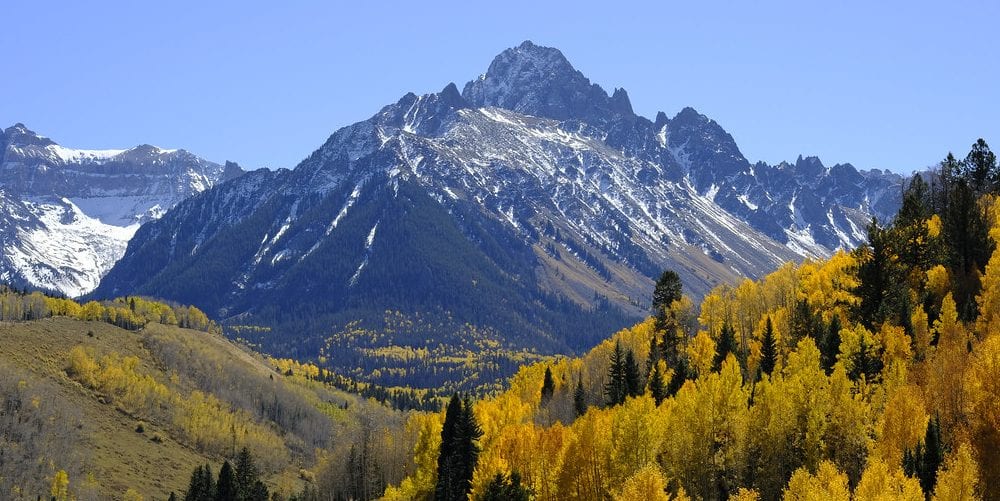
The Grand Tapestry of Colorado’s Fourteeners
Colorado boasts an impressive collection of fourteeners, more than any other state in the contiguous United States. This abundance is a direct result of the state’s unique geological history and its position within the mighty Rocky Mountains. These towering peaks are distributed across several mountain ranges, each offering distinct challenges and scenic beauty. Understanding their distribution and characteristics is key to appreciating the scope of Colorado’s alpine landscape.
Defining a Fourteener
Before delving into the exact numbers, it’s crucial to understand what constitutes a fourteener. Generally, a peak is considered a fourteener if its summit reaches an elevation of 14,000 feet or higher above sea level. However, the official designation also considers prominence – the vertical drop from the summit to the lowest contour line that encircles it and no higher peak. For a peak to be recognized as a separate fourteener, it typically needs a prominence of at least 300 feet. This ensures that truly distinct summits are counted, rather than minor bumps on an already high ridge. The Colorado Fourteeners Initiative, a non-profit organization dedicated to the preservation and maintenance of these peaks, adheres to this standard, providing a consistent benchmark for identification.
The Official Count: A Precise Figure
The definitive answer to “How many fourteeners in Colorado?” is 58. This number is widely accepted and used by mountaineering organizations, geographers, and outdoor enthusiasts. These 58 peaks are distributed across various ranges, each with its own character and appeal. From the rugged, jagged spires of the San Juan Mountains to the more accessible, rounded summits of the Front Range, Colorado’s fourteeners offer a diverse range of experiences for every level of adventurer.
Geographical Distribution: Where the Giants Stand
These magnificent peaks are not clustered randomly; they are found in distinct geographical regions, each offering a unique hiking and climbing experience.
The Front Range: Accessible Giants
The Front Range of the Rocky Mountains, bordering the heavily populated eastern plains of Colorado, is home to some of the most accessible and frequently climbed fourteeners. These peaks are popular due to their proximity to major urban centers like Denver and Colorado Springs.
- Mount Evans: As one of the highest roadways in North America, the Mount Evans Scenic Byway, the summit of Mount Evans is reachable by car for much of the year, making it a popular destination for those seeking high-altitude views without a strenuous climb.
- Pikes Peak: Perhaps the most famous of the Front Range fourteeners, Pikes Peak is renowned for its iconic summit house and the challenging Pikes Peak International Hill Climb. The Cog Railway also offers a unique way to ascend this majestic mountain.
- Longs Peak: A true icon of Rocky Mountain National Park, Longs Peak is a challenging climb, especially via its strenuous Keyhole Route, attracting experienced hikers and climbers.
The Sawatch Range: The Heart of the Fourteeners
The Sawatch Range, located in central Colorado, is the undisputed king of fourteeners, boasting the highest concentration of these peaks in the state. This range is home to the highest peak in Colorado and the second-highest in the contiguous United States.
- Mount Elbert: With an elevation of 14,440 feet, Mount Elbert holds the title of Colorado’s highest peak. Its relatively gentle slopes make it a popular choice for a first fourteener experience.
- Mount Massive: Standing just shy of Mount Elbert, Mount Massive offers another impressive summit in the Sawatch Range, known for its extensive massif.
- La Plata Peak: Known for its striking beauty, La Plata Peak is a highly rewarding climb with stunning views of the surrounding Sawatch peaks.
The Sangre de Cristo Mountains: Spiritual and Rugged

The Sangre de Cristo Mountains in southern Colorado are characterized by their dramatic, often snow-capped peaks and a sense of remoteness. These mountains have a mystical quality, drawing those seeking a more profound connection with nature.
- Blanca Peak: Part of the challenging Sangre de Cristo range, Blanca Peak is often climbed in conjunction with its neighbors, forming a formidable circuit.
- Little Bear Peak: Renowned for its difficult and exposed “Hunchback” route, Little Bear Peak is a test for even the most seasoned mountaineers.
- Crestone Peaks: This group of peaks, including Crestone Peak and Crestone Needle, are visually stunning and offer challenging climbs with technical sections.
The San Juan Mountains: Unparalleled Beauty and Challenge
The San Juan Mountains in southwestern Colorado are often considered the most beautiful mountain range in the state, with their rugged beauty, alpine lakes, and abundant wildflowers. They are also home to a significant number of fourteeners, many of which are technically demanding.
- Uncompahgre Peak: A broad, imposing peak, Uncompahgre Peak offers incredible views of the surrounding wilderness.
- Sneffels Range: This sub-range within the San Juans features several striking fourteeners, including Mount Sneffels, known for its distinctive, jagged summit.
- Handies Peak: While considered one of the easier San Juan fourteeners, Handies Peak still offers a rewarding hike and spectacular 360-degree views.
Planning Your Fourteener Adventure: Essential Considerations
Embarking on a quest to conquer a Colorado fourteener is an endeavor that requires careful planning, preparation, and respect for the mountain environment. The allure of standing atop one of these giants is immense, but the challenges are equally significant.
Choosing Your Summit: From Beginner to Expert
With 58 fourteeners to choose from, there’s a peak for nearly every skill level and aspiration. Understanding your fitness, experience, and tolerance for risk is paramount in selecting the right mountain.
- Beginner-Friendly Options: For those new to high-altitude hiking, peaks like Mount Sherman, Mount Bross, and Mount Lincoln offer more straightforward routes, often with less technical terrain and shorter approaches. These can be excellent starting points for gaining experience.
- Intermediate Challenges: As your confidence and fitness grow, you might consider peaks like Quandary Peak, a popular but longer hike, or the classic Grays Peak and Torreys Peak traverse, which offers two summits in one outing.
- Advanced and Technical Climbs: For experienced mountaineers, peaks in the San Juan or Sangre de Cristo ranges, such as Capitol Peak, Maroon Peak, or the aforementioned Little Bear Peak, present significant technical challenges, including scrambling, exposure, and route-finding difficulties.
Safety First: Essential Gear and Precautions
The mountain environment is unpredictable and can be unforgiving. Prioritizing safety is non-negotiable when planning a fourteener expedition.
- Physical Conditioning: Fourteeners demand a high level of cardiovascular fitness and leg strength. Begin training well in advance of your planned ascent, focusing on hiking with a weighted pack and gradually increasing elevation gain.
- Acclimatization: Altitude sickness is a serious concern. Spend a day or two at moderate altitudes (e.g., Denver at 5,280 feet) before attempting a fourteener, and consider spending a night at a trailhead around 10,000 feet. Drink plenty of water and avoid alcohol and strenuous activity on your first day at altitude.
- Weather Awareness: Mountain weather can change rapidly and drastically. Always check the forecast before you go and be prepared for sun, rain, snow, wind, and thunderstorms, even in the summer. Lightning is a significant hazard above treeline.
- Essential Gear: A sturdy pair of hiking boots, layers of moisture-wicking clothing, a waterproof and windproof outer shell, a hat, gloves, sunscreen, sunglasses, plenty of water, high-energy snacks, a first-aid kit, a map and compass (and the knowledge to use them), and a headlamp are all crucial. Trekking poles can also provide stability and reduce strain on your knees.
- Leave No Trace: Respect the fragile alpine environment by packing out everything you pack in, staying on established trails, and minimizing your impact.

The Experience: More Than Just a Summit
Reaching the summit of a fourteener is an accomplishment, but the journey itself is where the true magic unfolds. The changing landscape as you ascend, the crisp mountain air, the challenging effort, and the unparalleled sense of accomplishment all contribute to an unforgettable experience.
- Dawn Ascents: Many hikers opt for an early morning start, aiming to reach the summit by sunrise or shortly after. This allows for cooler temperatures during the climb and often provides stunning golden-hour light for photographs.
- The Alpine Environment: Above treeline, you enter a world of windswept tundra, unique alpine flora, and panoramic views that stretch for miles. Observe the hardy plants that survive in this extreme environment and the geological wonders carved by ancient glaciers.
- Community of Hikers: You’ll likely encounter fellow adventurers on the trail, all sharing a common goal. The camaraderie and shared respect for the mountains can be a rewarding aspect of the experience.
Colorado’s 58 fourteeners are more than just geological formations; they are a vital part of the state’s identity and a powerful draw for adventurers worldwide. Whether you aspire to stand on the highest point in the state or simply marvel at their majestic presence from afar, understanding and appreciating these magnificent peaks enriches the experience of exploring the Centennial State.
LifeOutOfTheBox is a participant in the Amazon Services LLC Associates Program, an affiliate advertising program designed to provide a means for sites to earn advertising fees by advertising and linking to Amazon.com. Amazon, the Amazon logo, AmazonSupply, and the AmazonSupply logo are trademarks of Amazon.com, Inc. or its affiliates. As an Amazon Associate we earn affiliate commissions from qualifying purchases.