
Texas, a state synonymous with wide-open spaces, a rich cultural heritage, and a fiercely independent spirit, often evokes images of cowboys, ranches, and, for many, firearms. The question of “How Many Guns Are In Texas?” is not just a matter of statistics; it touches upon deeply held beliefs about personal liberty, self-defense, and the state’s unique historical relationship with firearms. While definitive, government-provided numbers are elusive, exploring the available data and understanding the cultural context provides a compelling picture of gun ownership in the Lone Star State.
The Second Amendment of the United States Constitution guarantees the right of the people to keep and bear arms. In Texas, this right is not only a constitutional principle but is also deeply interwoven into the fabric of its history and identity. From the Texas Revolution to modern-day self-reliance, firearms have played a significant role in shaping the state’s narrative. This historical significance contributes to a culture where gun ownership is often viewed as a fundamental aspect of citizenship and personal freedom. This pervasive attitude, coupled with Texas’s generally permissive gun laws, naturally leads to a higher prevalence of gun ownership compared to many other states.
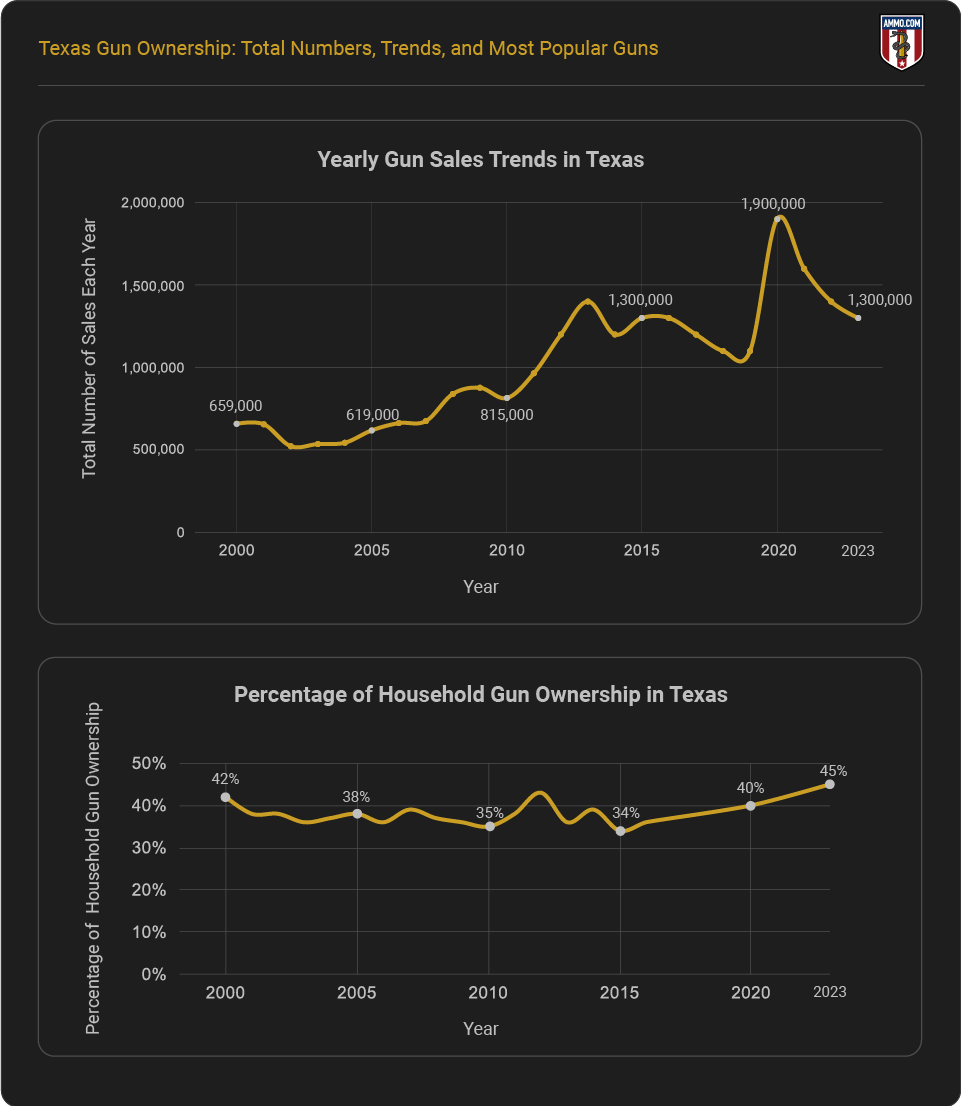
Understanding the Landscape of Gun Ownership in Texas
Pinpointing an exact number of firearms in Texas is a complex undertaking due to several factors. Unlike many countries with centralized firearm registration, the United States, and Texas specifically, does not maintain a comprehensive national registry of gun owners or firearms. This absence of a central database makes it challenging to compile an accurate census of guns. Law enforcement agencies, while possessing data related to firearm crimes and certain types of purchases (like those requiring background checks), do not have a complete picture of every firearm in circulation.
Furthermore, private sales between individuals in Texas, under certain circumstances, do not require a background check, further complicating any attempt to track ownership. This legal framework, while intended to protect privacy and streamline the process for law-abiding citizens, inherently creates gaps in available data. Therefore, any figures presented are typically estimations based on surveys, demographic data, and inferences drawn from available purchasing trends.
Estimating Firearm Prevalence
Despite the lack of official tallies, various research organizations and academic institutions have attempted to estimate firearm ownership rates. These studies often rely on methodologies such as self-reported surveys conducted by reputable polling firms, analysis of firearm sales data (where available), and extrapolations based on state-level demographics.
One common approach involves surveying households and asking about the presence of firearms. These surveys can provide a percentage of households that own guns, which can then be applied to the total number of households in Texas to arrive at an estimated number of firearms. However, such surveys are subject to response bias and may not capture the full picture, as some individuals may be reluctant to disclose gun ownership.
Another method considers the number of firearms legally manufactured or imported into the United States and then attempts to allocate them to states based on population and known purchasing patterns. This approach is also an estimation, as it does not account for the precise distribution of firearms across state lines or the number of firearms that may be privately made.
The results from these various estimation methods often vary. However, consistently, Texas emerges as one of the states with the highest rates of gun ownership in the United States. This high prevalence is a direct reflection of the state’s culture, its permissive gun laws, and the strong belief in the right to bear arms.
Texas Gun Laws and Their Impact on Ownership
The legal framework surrounding firearms in Texas is a significant factor in understanding the prevalence of gun ownership. Texas has historically maintained some of the most permissive gun laws in the nation, although these have seen some evolution over time. The state emphasizes the rights of law-abiding citizens to possess firearms for lawful purposes, including self-defense.
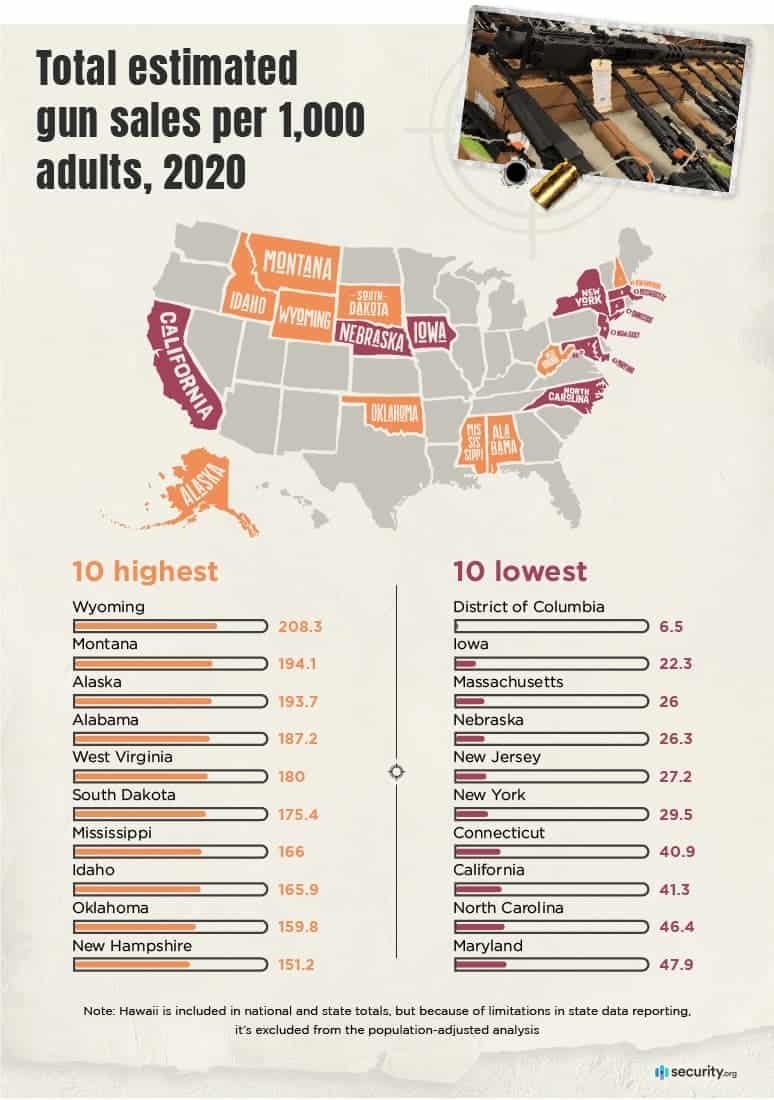
Texas is a “shall-issue” state for concealed handgun licenses (CHL), meaning that if an applicant meets the statutory requirements, the licensing authority must issue the license. While open carry was historically more restricted, recent legislative changes have expanded these rights. As of September 1, 2021, Texas became a “constitutional carry” state, allowing eligible individuals to carry a handgun, openly or concealed, without a permit. This significant change, enacted without a prior licensing requirement, is expected to further influence the number of handguns carried in public.
Federal law also plays a role, requiring licensed dealers to conduct background checks through the National Instant Criminal Background Check System (NICS) for firearm sales. However, as mentioned, private sales between individuals are not subject to this federal requirement in Texas.
Key Legislative Milestones
Several legislative actions in Texas have had a profound impact on gun ownership:
- Castle Doctrine: This legal principle enhances the right of individuals to use deadly force in defense of their homes, vehicles, and persons, asserting that one has no duty to retreat when faced with a threat in these protected spaces. This legal backing reinforces the idea of personal security through firearm ownership.
- Campus Carry: In 2015, Texas enacted a campus carry law, allowing licensed individuals to carry handguns on public university campuses, with certain restrictions. This law reflects a broader societal acceptance of firearms in various public spaces.
- Constitutional Carry: The aforementioned 2021 law allowing permitless carry for eligible individuals is perhaps the most significant recent development, directly impacting the ease with which Texans can carry firearms.
These legal developments, combined with a cultural affinity for firearms, contribute to a landscape where gun ownership is not only legal but also widely practiced and accepted across a broad spectrum of the Texas population. The accessibility and perceived legality of firearm ownership are key drivers behind the high numbers.
The Social and Cultural Fabric of Gun Ownership in Texas
Beyond the legal statutes and statistical estimations, the prevalence of firearms in Texas is deeply rooted in its social and cultural identity. The state’s history is inextricably linked to frontier life, self-reliance, and the defense of liberty. These historical narratives continue to resonate today, shaping how Texans view gun ownership.
For many, owning a firearm is not just about self-protection; it’s about upholding a tradition, expressing a commitment to individual liberty, and participating in a practice that has been part of the state’s heritage for generations. This cultural acceptance means that discussions around gun ownership are often framed in terms of rights and responsibilities, rather than solely as a matter of public safety or regulation.
The image of the Texan, often associated with rugged individualism and a connection to the land, is frequently accompanied by the presence of a firearm. This cultural archetype influences perceptions and contributes to the normalization of gun ownership. From hunting on vast ranches to personal defense in urban environments, firearms are integrated into various aspects of Texan life.
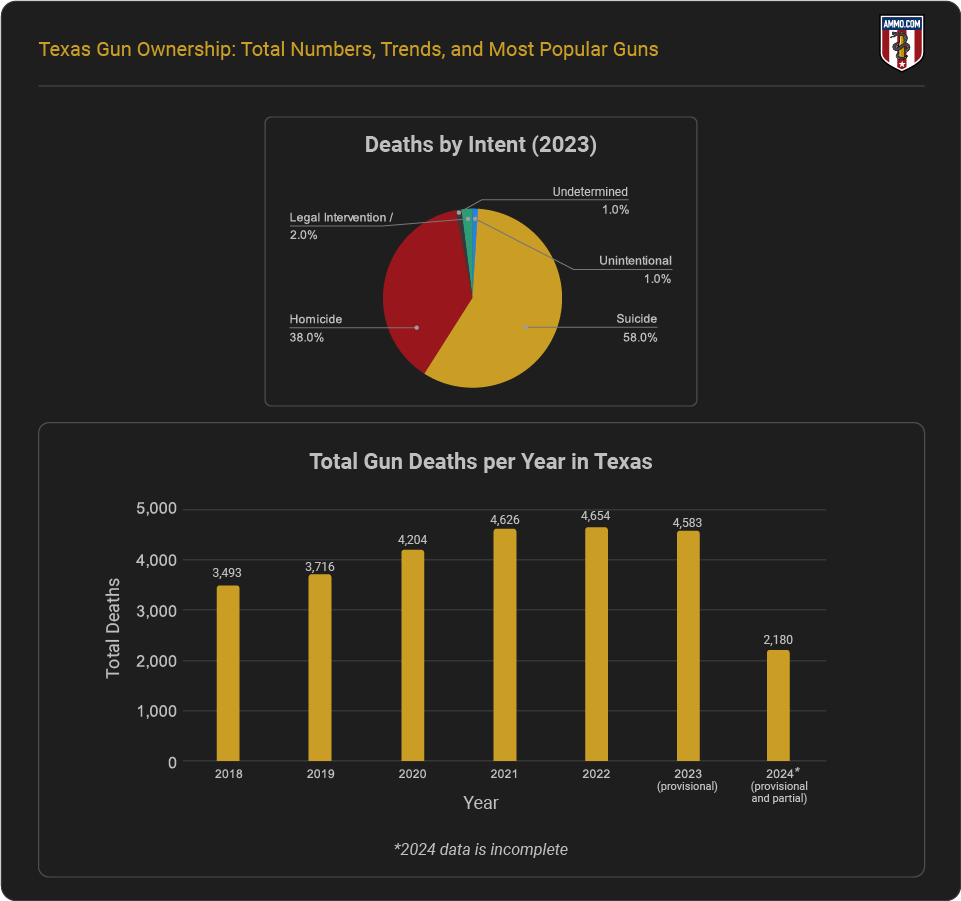
Beyond Self-Defense: Recreation and Tradition
While self-defense is a primary driver for many gun owners across the United States, in Texas, recreational shooting and hunting also play a significant role. The state boasts vast rural landscapes and a rich tradition of hunting, with many Texans participating in activities like deer hunting. These traditions are passed down through families, fostering an early introduction to firearms and a lifelong engagement with shooting sports.
Shooting ranges, gun clubs, and firearm-related events are common throughout Texas, reflecting the active engagement of its residents with the shooting sports. These activities not only provide recreational outlets but also serve as opportunities for training and community building among gun enthusiasts. This widespread participation in recreational shooting further contributes to the overall presence of firearms in the state.
Ultimately, the question of “How Many Guns Are In Texas?” leads to an exploration of a complex interplay between legal rights, cultural values, historical context, and individual choices. While an exact numerical answer remains elusive, the evidence points to a state where firearm ownership is exceptionally high, deeply ingrained in its identity, and influenced by a unique blend of tradition, liberty, and practicality. The ongoing evolution of Texas gun laws and the persistent cultural affinity for firearms suggest that this characteristic of the Lone Star State will continue to define it for the foreseeable future.
LifeOutOfTheBox is a participant in the Amazon Services LLC Associates Program, an affiliate advertising program designed to provide a means for sites to earn advertising fees by advertising and linking to Amazon.com. Amazon, the Amazon logo, AmazonSupply, and the AmazonSupply logo are trademarks of Amazon.com, Inc. or its affiliates. As an Amazon Associate we earn affiliate commissions from qualifying purchases.