
The question of “How Many Guns In Texas?” is one that sparks considerable debate and curiosity. While precise, universally agreed-upon figures are elusive due to the nature of private ownership and reporting, various studies and estimates offer insights into the landscape of firearm ownership in the Lone Star State. Texas, with its deeply ingrained traditions and cultural emphasis on self-reliance and the Second Amendment, presents a unique case study in gun culture. Understanding the scale of gun ownership in Texas is crucial for comprehending its social dynamics, political discourse, and economic impact. This exploration delves into the available data, the factors influencing ownership, and the broader implications for the state.
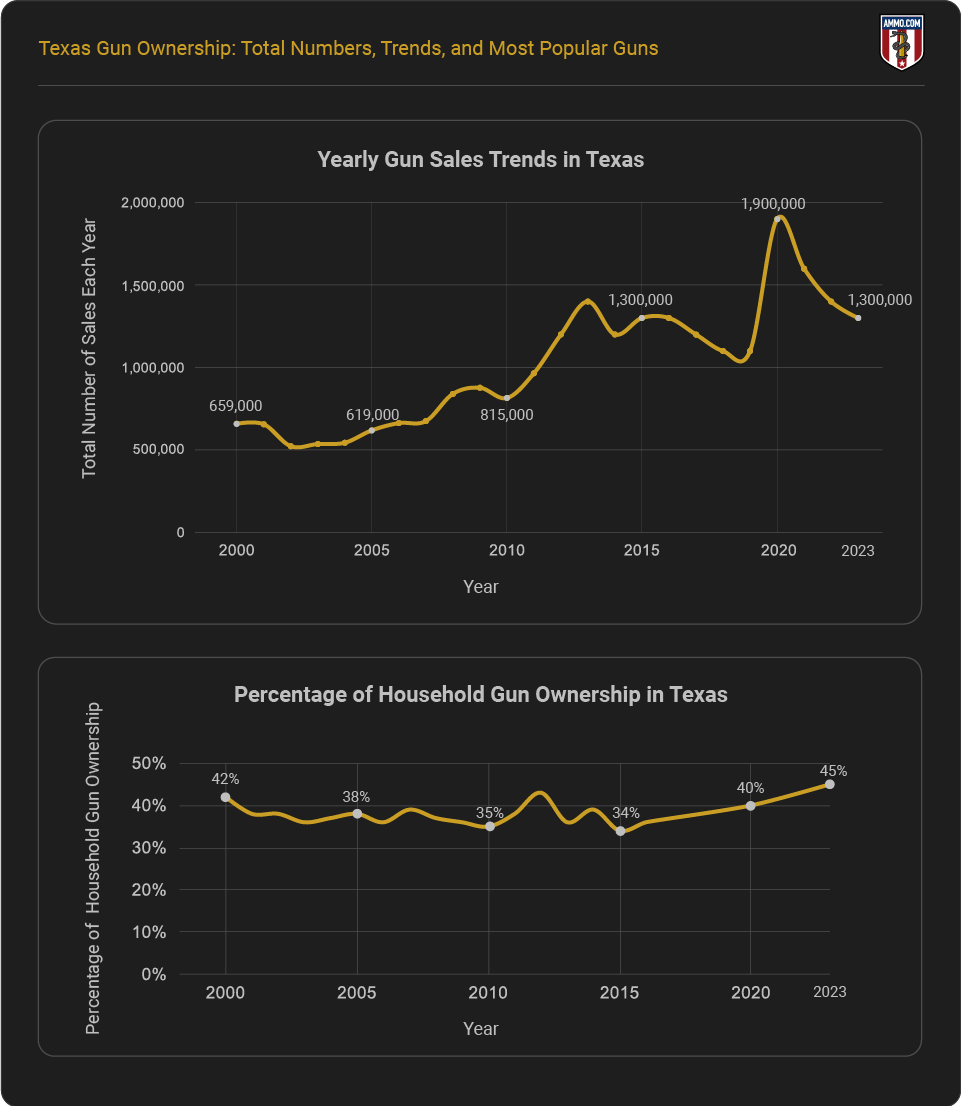
Estimating Firearm Ownership in Texas
Quantifying the exact number of firearms in Texas is a complex endeavor. Unlike vehicle registrations, there is no federal or state registry for all privately owned firearms. Therefore, any figures presented are largely based on statistical modeling, surveys, and proxy data.
Survey Data and Methodologies
The most common approach to estimating gun ownership relies on nationwide surveys that include questions about household firearm possession. Organizations like the General Social Survey (GSS) have been instrumental in collecting this data over decades. While these surveys provide valuable trends, they are subject to sampling error and self-reporting biases. Participants might over or underreport their gun ownership for various reasons.
Researchers often extrapolate national averages to state-level estimates, but this can overlook regional variations. For instance, Texas’s distinct cultural landscape might lead to different ownership patterns compared to other states. Sophisticated statistical models attempt to adjust for these variations by incorporating demographic data, socioeconomic factors, and past survey responses.
Proxy Indicators
Another method involves examining proxy indicators. These can include:
- Firearm background checks: While not a direct count of guns, the volume of background checks conducted for firearm purchases can offer a glimpse into the demand for firearms. States with higher rates of background checks may suggest higher ownership rates.
- Firearm industry sales data: Manufacturers and retailers provide data on sales volumes, which can be aggregated to estimate market activity. However, this data typically doesn’t distinguish between first-time buyers and existing owners purchasing additional firearms.
- Permits for concealed carry: The number of individuals obtaining permits to carry concealed handguns can serve as a proxy for handgun ownership and the intent to carry firearms.
Challenges in Precise Counting
The fundamental challenge remains the private nature of firearm ownership. Many firearms are passed down through generations or acquired through private sales, circumventing formal registration processes. The decentralized nature of gun sales, particularly at gun shows or through private transactions, further complicates tracking. Ultimately, any number presented should be understood as an informed estimate rather than an exact census.
Factors Influencing Gun Ownership in Texas
Several interconnected factors contribute to the high rates of firearm ownership observed in Texas. These range from historical and cultural influences to legal frameworks and individual beliefs.
Historical and Cultural Heritage
Firearms have played a significant role in the history of Texas. From the frontier days of independence and westward expansion to the modern era, gun ownership has been intertwined with the state’s identity, often associated with self-defense, hunting, and sport shooting. This historical legacy has fostered a culture where firearms are viewed by many as a legitimate and even necessary tool for responsible citizens.
The image of the Texan cowboy, the Texas Ranger, and the citizen militia are all deeply embedded in the state’s narrative and often involve firearms. This enduring cultural connection means that gun ownership is not just a hobby for some, but a reflection of deeply held values and traditions.
Second Amendment Rights and Political Climate
Texas consistently demonstrates strong support for Second Amendment rights. The state has a robust gun lobby and a political landscape that generally favors fewer restrictions on firearm ownership and possession. This legal and political environment creates an atmosphere conducive to widespread gun ownership.
Laws in Texas permit open carry and concealed carry under specific conditions, further normalizing the presence of firearms in public spaces for licensed individuals. The emphasis on constitutional rights, particularly the right to bear arms, resonates deeply within the state’s political discourse and influences public opinion.
Recreational Activities
Hunting and sport shooting are popular recreational activities in Texas, contributing to firearm ownership. The vast rural landscapes and abundant wildlife provide ample opportunities for hunting, with many Texans owning firearms specifically for this purpose. Similarly, shooting ranges across the state cater to enthusiasts of sports like competitive shooting, target practice, and skeet shooting. These activities not only drive sales but also maintain a continuous engagement with firearms within the population.
Self-Defense and Personal Security
For many Texans, firearms are primarily viewed as tools for self-defense and personal security. In a state with a significant rural population and varying response times for law enforcement in certain areas, the ability to protect oneself and one’s property is a primary motivator for gun ownership. This perception is often reinforced by discussions around personal safety and the perceived need for citizens to be prepared to defend themselves against potential threats.
Estimated Numbers and Trends
While pinpointing an exact figure remains challenging, available data and analyses allow for educated estimations.
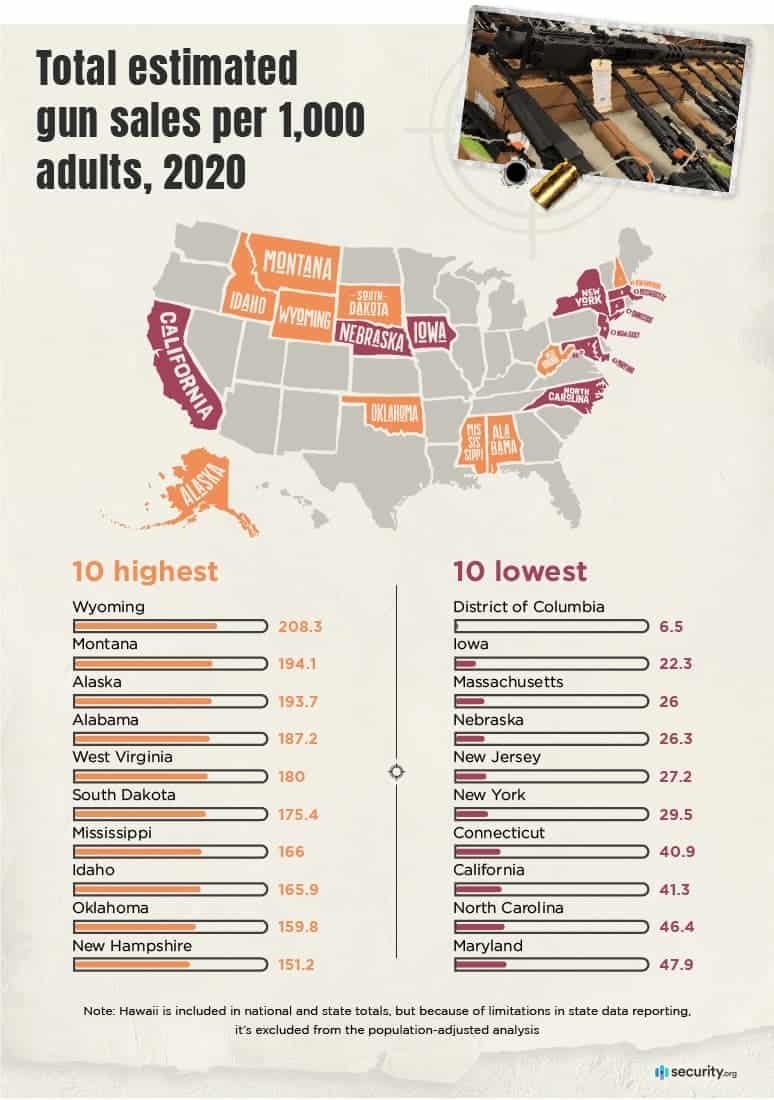
State-Level Estimates
Various studies and reports have attempted to quantify firearm ownership in Texas. Some analyses suggest that Texas has one of the highest rates of gun ownership in the United States. Estimates often place the number of privately owned firearms in the tens of millions. For example, some reports suggest that a significant percentage of Texas households own at least one firearm, with many owning multiple.
When considering the adult population of Texas, which is over 23 million, and factoring in the prevalence of multi-gun households, the total number of firearms can indeed reach substantial figures, potentially exceeding 15 or 20 million privately owned guns. These numbers are not static; they fluctuate with economic conditions, legislative changes, and social events.
Trends in Firearm Ownership
Over the past decade, there has been a notable increase in firearm sales nationwide, and Texas has likely followed this trend. Factors such as concerns about personal safety, political rhetoric, and the perceived threat of legislative restrictions have historically led to surges in gun purchases. Conversely, periods of perceived safety or legislative leniency might see a stabilization or slight decrease in sales.
It is also important to consider the diversification of firearm types. While handguns are often purchased for self-defense, rifles remain popular for hunting and sport shooting. The market for semi-automatic rifles, in particular, has seen significant growth, reflecting evolving consumer preferences and popular culture.
The Economic Impact of Firearm Ownership
The widespread ownership of firearms in Texas has a tangible economic footprint, influencing various sectors of the state’s economy.
Retail and Manufacturing
The firearm industry, encompassing manufacturers, distributors, retailers, and related services, represents a significant economic driver in Texas. This includes local gun shops, large sporting goods chains, and online retailers. The sale of firearms, ammunition, and accessories generates substantial revenue.
Furthermore, the industry supports numerous jobs, from manufacturing and sales to gunsmithing and training. The demand for firearms also stimulates related businesses, such as those producing holsters, safes, cleaning supplies, and protective gear.
Shooting Ranges and Training Facilities
The popularity of shooting as a sport and a means of maintaining proficiency necessitates a robust infrastructure of shooting ranges and training facilities. These businesses provide spaces for target practice, competitive shooting events, and firearm safety courses. They also create employment opportunities for instructors, range officers, and administrative staff.
Many of these facilities offer specialized training programs, from introductory firearm safety to advanced self-defense techniques, further contributing to the economic ecosystem surrounding gun ownership.
Tourism and Recreation
Hunting and sport shooting also contribute to Texas’s tourism sector. Hunters from outside the state often visit Texas for its renowned hunting opportunities, generating revenue for lodges, guides, outfitters, and local businesses in rural communities. Similarly, large shooting competitions and events can attract participants and spectators from across the country, benefiting hotels, restaurants, and transportation services.
The economic contributions are not limited to direct sales; they also include tax revenue generated from these industries, which can be reinvested in state and local services.
Societal Implications and Debates
The prevalence of firearms in Texas is intrinsically linked to ongoing societal debates about gun control, public safety, and individual rights.
Public Safety Concerns and Gun Violence
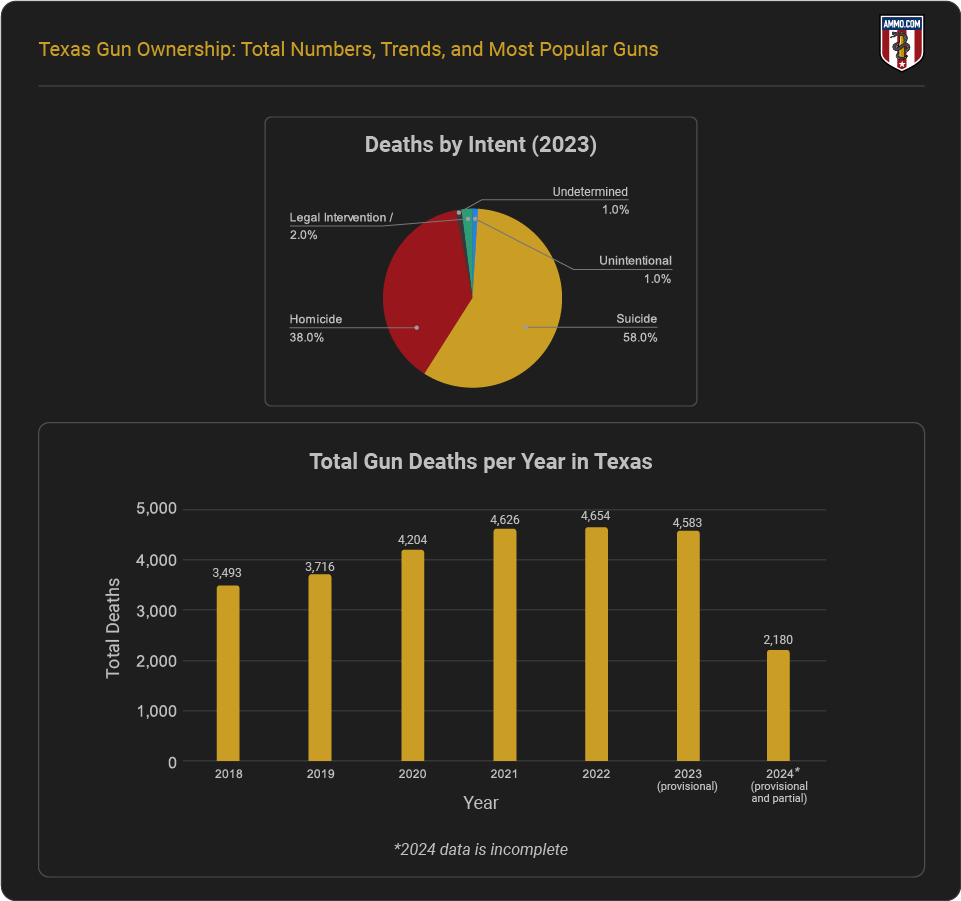
The high rate of gun ownership is often a focal point in discussions about gun violence. While proponents of gun rights emphasize responsible ownership and the deterrent effect of firearms, critics highlight the correlation between gun availability and incidents of gun violence, including homicides, suicides, and accidental shootings.
Texas, like other states with high gun ownership, experiences its share of gun-related incidents. The debate often centers on the types of firearms available, the ease of access, and the effectiveness of existing regulations in preventing misuse.
Gun Rights vs. Gun Control
The discourse in Texas is largely characterized by a strong emphasis on gun rights, often framed as a fundamental liberty. Advocacy groups on both sides of the issue are active, with organizations like the National Rifle Association (NRA) and Gun Owners of America advocating for minimal restrictions, while groups supporting gun control push for measures such as universal background checks, bans on certain types of firearms, and red flag laws.
Responsible Gun Ownership
A key tenet promoted by gun rights advocates is the importance of responsible gun ownership. This encompasses safe storage practices, proper training, adherence to laws, and a commitment to using firearms only for lawful purposes. Educational initiatives aimed at promoting safe gun handling and storage are prevalent, often offered by licensed instructors and firearm organizations. The goal is to foster a culture where gun ownership is not only accepted but also practiced with a high degree of safety and responsibility.
The question “How Many Guns In Texas?” is not merely an exercise in statistics; it reflects a complex interplay of history, culture, law, economics, and deeply held personal beliefs. While an exact count may remain elusive, understanding the scale and the factors influencing gun ownership provides crucial context for navigating the ongoing discussions about firearms in the state.
LifeOutOfTheBox is a participant in the Amazon Services LLC Associates Program, an affiliate advertising program designed to provide a means for sites to earn advertising fees by advertising and linking to Amazon.com. Amazon, the Amazon logo, AmazonSupply, and the AmazonSupply logo are trademarks of Amazon.com, Inc. or its affiliates. As an Amazon Associate we earn affiliate commissions from qualifying purchases.