
The landscape of global hospitality is dominated by a few legendary names, but perhaps none is more synonymous with the concept of a “hotel” than Hilton Worldwide. From its humble beginnings in a dusty Texas town to its current status as a global titan, the company has reshaped how travelers perceive luxury, comfort, and service. For many travelers, the question “How many Hilton hotels are there?” is not just about a raw number; it is an inquiry into the accessibility of reliable accommodation regardless of where they are in the world. As of the most recent reporting periods in 2024, Hilton boasts more than 7,600 properties across 126 countries and territories, totaling over 1.2 million rooms.
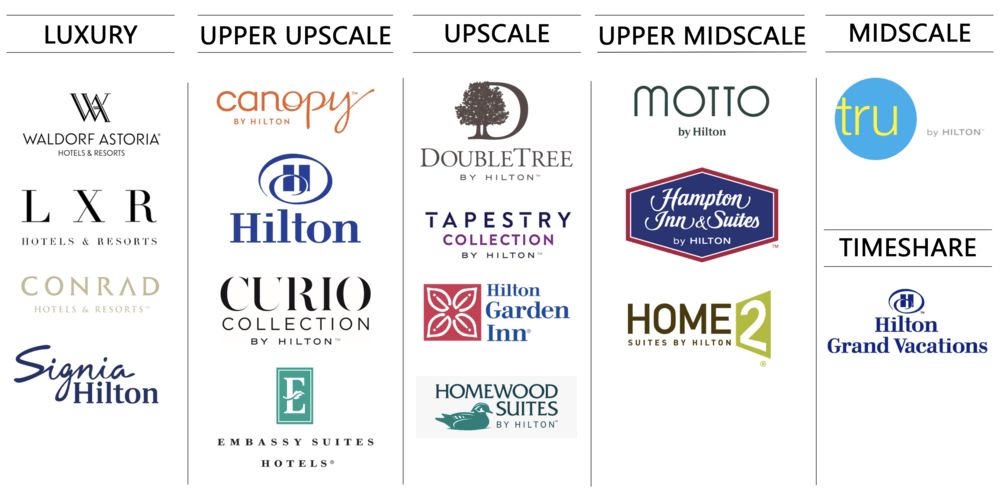
This staggering scale makes Hilton Worldwide one of the largest and most influential hotel companies on the planet. However, the sheer volume of properties is only half the story. The brand’s footprint is meticulously divided into a diverse portfolio of 24 distinct brands, each designed to cater to a specific niche, from ultra-luxury villas in the Maldives to efficient, budget-friendly stays in the heart of London.
The Expansive Global Footprint of Hilton Worldwide
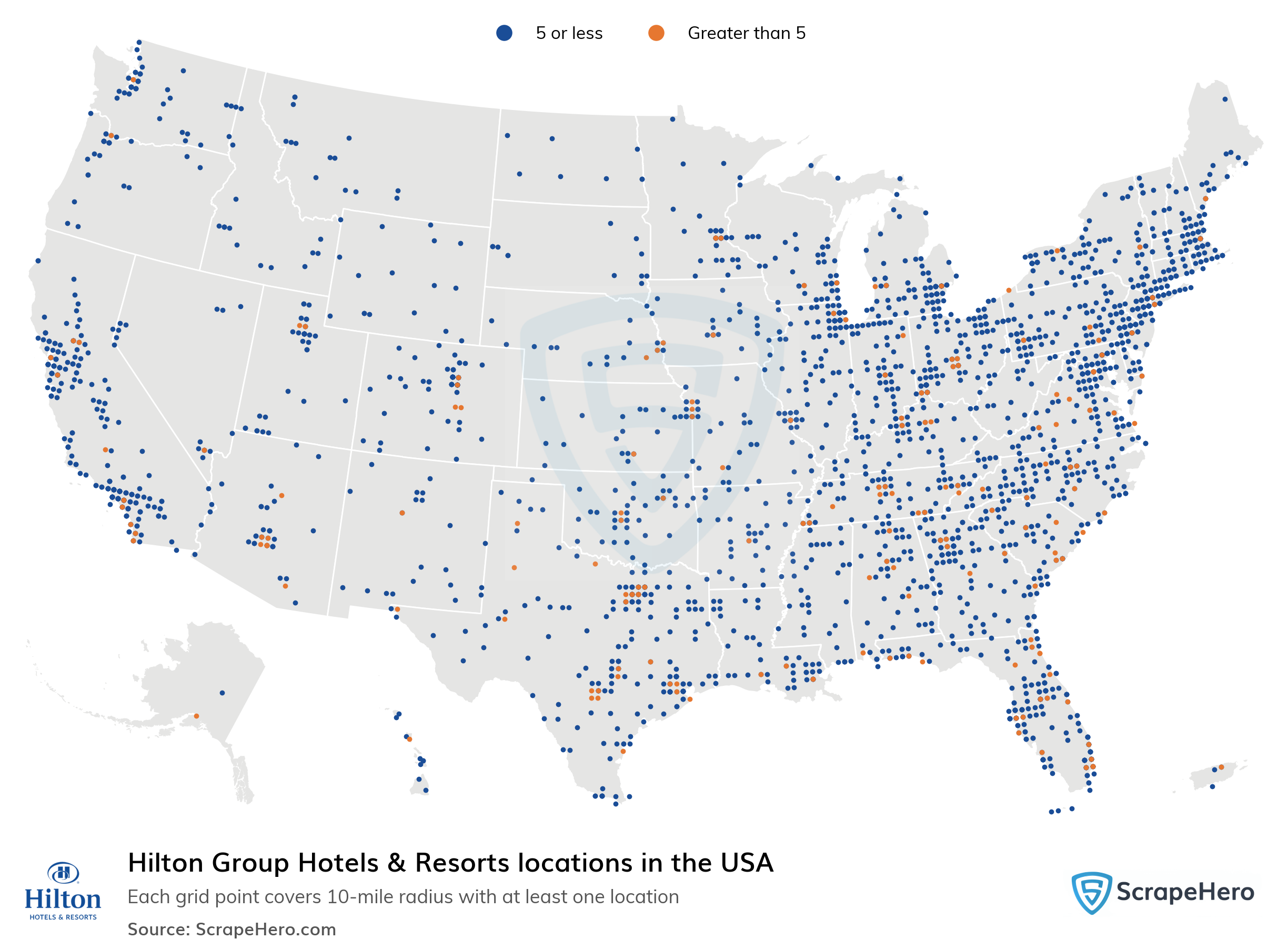
To understand the magnitude of Hilton, one must look at its geographical distribution. While the company originated in the United States, it has spent the last century aggressively expanding into every habitable continent. The North America market remains the stronghold of the corporation, containing the highest density of properties, particularly within the United States and Canada.
Regional Dominance and Growth Markets
In North America, there are well over 5,000 properties, ranging from massive convention hotels in Las Vegas to charming Hampton by Hilton locations along suburban highways. This region serves as the testing ground for many of Hilton’s new concepts, such as the recently launched Spark by Hilton.
However, the growth story has shifted significantly toward the Asia-Pacific region and the Middle East. In China alone, Hilton has hundreds of properties in the pipeline, aiming to capture the burgeoning domestic travel market in cities like Shanghai, Beijing, and Shenzhen. Similarly, the United Arab Emirates and Saudi Arabia have become focal points for luxury expansion, with high-profile openings in Dubai and Riyadh.
In Europe, the presence of Hilton is deeply rooted in historic capitals. From the iconic London Hilton on Park Lane in England to the grand Waldorf Astoria Berlin in Germany, the brand maintains a sophisticated presence that blends modern amenities with local architectural heritage. Meanwhile, in South America and Africa, the brand is steadily increasing its footprint in major hubs like Sao Paulo and Nairobi, ensuring that the Hilton Honors loyalty program remains valuable to global explorers.
A Brand for Every Traveler: Exploring the Hilton Portfolio
The total number of Hilton hotels is distributed across a sophisticated brand architecture. This allows the company to occupy multiple price points and service levels within the same city. It is not uncommon to find a Waldorf Astoria, a Conrad, and a Hilton Garden Inn all within a few miles of each other in a metropolis like New York City.
The Pinnacle of Luxury: Waldorf Astoria and Conrad
At the top of the pyramid sits Waldorf Astoria Hotels & Resorts. These properties represent the absolute peak of the Hilton experience, often located in landmark buildings or exclusive beachfront locales. Following closely is Conrad Hotels & Resorts, which targets the modern, “smart luxury” traveler who values seamless integration of technology and local culture. LXR Hotels & Resorts rounds out the luxury tier, offering a collection of independent, ultra-exclusive properties like the Biltmore Mayfair in London.
Lifestyle and Boutique Offerings
In recent years, Hilton has expanded its “lifestyle” brands to appeal to younger demographics and those seeking a more unique stay. Canopy by Hilton emphasizes neighborhood-centric design and local food and drink. Curio Collection by Hilton and Tapestry Collection by Hilton allow independent hotels to join the Hilton network while maintaining their original identity and character. This strategy has significantly boosted the total hotel count by incorporating existing boutique hotels in cities like Paris and Rome.

Focused Service and Value Brands
The engine of Hilton’s massive volume is its focused-service category. Hampton by Hilton is the largest brand in the portfolio, with over 3,000 properties globally. It provides a consistent, high-quality experience that has become the gold standard for mid-scale hospitality. Hilton Garden Inn and Tru by Hilton also contribute thousands of rooms, focusing on efficiency and modern design. For travelers needing longer stays, brands like Homewood Suites by Hilton and Home2 Suites by Hilton offer apartment-style living with fully equipped kitchens.
Modern Amenities and the Evolution of the Hilton Suite
The “how many” question is often followed by “what’s inside?” Over the decades, Hilton has pioneered many of the amenities that are now considered standard across the hotel industry. It was the first hotel chain to install televisions in guest rooms and the first to introduce a multi-hotel reservation system. Today, that innovation continues within the walls of their thousands of properties.
Technological Integration and Digital Innovation
In the modern era, a Hilton stay is defined by the Hilton Honors app. This technology allows guests at almost all 7,600+ properties to utilize a Digital Key, bypassing the front desk and unlocking their room with a smartphone. Furthermore, the Connected Room technology allows guests to control lighting, temperature, and the TV directly from their device.
The suites themselves have evolved. While the flagship Hilton Hotels & Resorts brand offers the classic executive suite, newer brands like Motto by Hilton offer flexible, smaller rooms with “stow-away” beds and furniture, catering to the urban traveler in high-density markets like Dublin or Washington DC. Conversely, the Signia by Hilton brand focuses on massive convention-style amenities, offering sprawling ballroom spaces and state-of-the-art wellness centers for business professionals.
Signature Properties That Define the Brand
While the total count of hotels is impressive, certain individual properties stand out as icons of the Hotels niche. These flagship locations represent the pinnacle of the Hilton experience and often serve as landmarks in their respective cities.
One such property is the Rome Cavalieri, A Waldorf Astoria Hotel. Perched on a hilltop overlooking Italy’s capital, it houses an incredible private art collection and a world-renowned spa. In the Pacific, the Hilton Hawaiian Village in Honolulu is a massive resort complex that functions as a destination in itself, featuring multiple towers, lagoons, and a nightly fireworks display.
In the United States, the Palmer House in Chicago, a Hilton Hotel, is a masterclass in Beaux-Arts architecture and historic preservation. Similarly, the Hilton Anatole in Dallas is famous for its vast atrium and extensive collection of Asian art. These properties demonstrate that while Hilton operates thousands of “standardized” rooms, it also manages some of the most unique and historically significant real estate in the world.
Looking Ahead: The Future of Hilton’s Expansion
The number of Hilton hotels is constantly in flux as new properties open every week. The company currently has one of the largest development pipelines in the industry, with nearly 3,000 additional hotels in various stages of planning and construction. This growth is driven by several factors, including the acquisition of brands like NoMad Hotels through a partnership with Sydell Group, which brings a high-end lifestyle edge to the portfolio.
Additionally, Hilton is expanding into the “extended-stay” luxury market and the “premium economy” segment. The launch of LivSmart Studios (formerly Project H3) targets travelers looking for long-term apartment-style stays of 20 nights or more, reflecting a shift in how people work and travel post-pandemic.
Sustainability also plays a crucial role in the future of these thousands of properties. Through the Travel with Purpose initiative, Hilton aims to double its social impact investment and cut its environmental footprint in half by 2030 across its entire global estate. This means that as the number of hotels grows, the environmental impact per room is intended to shrink through better energy management, water conservation, and waste reduction.
In conclusion, the answer to “How many Hilton hotels are there?” is a moving target that currently sits above 7,600. It is a number that represents a vast network of luxury suites, convenient roadside stops, historic landmarks, and cutting-edge urban retreats. Whether you are checking into a DoubleTree by Hilton in Istanbul or a Tempo by Hilton in Nashville, you are part of a global community that Conrad Hilton first envisioned when he bought his first hotel in Cisco, Texas, over a century ago. The brand continues to define the Hotels industry, one room at a time.
LifeOutOfTheBox is a participant in the Amazon Services LLC Associates Program, an affiliate advertising program designed to provide a means for sites to earn advertising fees by advertising and linking to Amazon.com. Amazon, the Amazon logo, AmazonSupply, and the AmazonSupply logo are trademarks of Amazon.com, Inc. or its affiliates. As an Amazon Associate we earn affiliate commissions from qualifying purchases.