
California, often celebrated as the Golden State, conjures images of sun-drenched beaches, towering redwoods, vibrant cities, and innovative industries. It’s a dream destination for countless travelers, offering a diverse array of experiences from the bustling streets of Los Angeles and the iconic vistas of San Francisco to the serene vineyards of Napa Valley and the pristine wilderness of Yosemite National Park. Millions visit annually, drawn by its promise of adventure, luxury, and a distinctive lifestyle. However, beneath this polished exterior lies a complex societal challenge that visitors may encounter: a significant homeless population.
For those planning their travel itineraries, understanding the various facets of a destination is crucial, and this includes awareness of its social landscape. While the presence of homelessness does not diminish California’s allure or the safety of its popular attractions, it is an undeniable reality in many urban centers. This article aims to provide context for travelers, examining the scale of homelessness in California, its visibility in key tourist areas, and how this social issue intersects with the broader themes of tourism, accommodation, and the overall visitor experience. By fostering informed awareness, we hope to encourage both responsible travel and a deeper understanding of the communities that make California so unique.

The Scale of Homelessness Across the Golden State
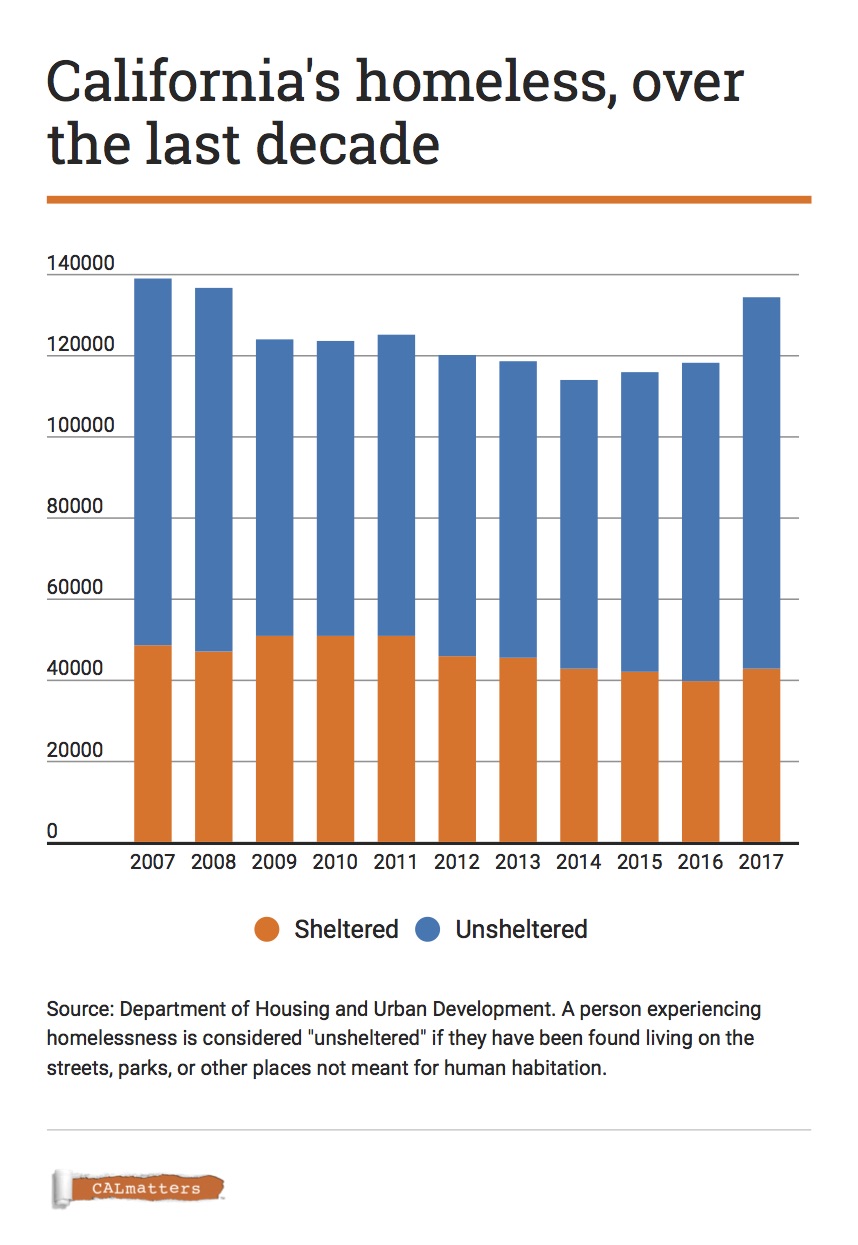
California grapples with the largest homeless population in the United States, a stark contrast to its image of prosperity. While exact numbers fluctuate, recent federal reports indicate that the state accounts for a disproportionately high percentage of the nation’s unsheltered population. This extensive challenge is rooted in a confluence of factors, including skyrocketing housing costs, a severe shortage of affordable accommodation options, economic inequality, and issues related to mental health and substance abuse. Many individuals and families find themselves without stable housing due to evictions, job loss, or health crises, unable to cope with the state’s exorbitant rents and property values.
The visibility of homelessness varies significantly across California’s vast geography. While rural areas also face these issues, the problem is most pronounced in major metropolitan areas, which are also primary tourist destinations. These urban centers, with their concentrated populations and limited resources, often see a higher concentration of individuals living on the streets, in temporary shelters, or in vehicles. The sheer scale of the issue means that anyone traveling through California’s popular cities is likely to encounter individuals experiencing homelessness. Understanding this backdrop is key to appreciating the complex social fabric of the state.
Homelessness in Major Tourist Hubs: A Closer Look
The most prominent examples of visible homelessness are found in California’s iconic cities, which simultaneously serve as magnets for global tourism.
-
Los Angeles: As a sprawling metropolis, Los Angeles hosts one of the largest unsheltered populations in the country. Areas like Skid Row are notoriously dense, but the issue extends far beyond this district. Visitors exploring Hollywood Boulevard, Venice Beach, or even parts of Downtown Los Angeles may encounter encampments or individuals experiencing homelessness. While tourist-heavy areas often have increased services and security, the underlying issue remains a daily reality for many residents. The city is a hub for hotels and resorts, from the luxurious Beverly Wilshire Hotel to more budget-friendly accommodations, all operating within this challenging environment.
-
San Francisco: Famous for its Golden Gate Bridge, cable cars, and tech innovation, San Francisco also has one of the highest per capita rates of homelessness. The picturesque streets near Union Square, the Tenderloin District, and even parts of Golden Gate Park are areas where homeless individuals are frequently seen. The city’s high cost of living is a major contributor, making it nearly impossible for many to afford housing, even with employment. Tourists staying in boutique hotels in Nob Hill or Fisherman’s Wharf will likely observe the issue as they navigate the city.
-
San Diego: With its beautiful coastline, vibrant Gaslamp Quarter, and family-friendly attractions like Balboa Park and San Diego Zoo, San Diego offers a relaxed Southern California vibe. However, its downtown area and surrounding neighborhoods also contend with a significant homeless population, particularly in areas accessible to services and public transportation. The mild climate, while appealing to visitors, also attracts individuals seeking refuge from harsher weather conditions elsewhere, further contributing to the problem.
While these cities are highlighted due to their prominence in tourism and the visible nature of their homelessness crisis, it’s important to remember that this issue affects communities across California in varying degrees.
Impact on the Traveler’s Experience and Perception
The presence of homelessness can undeniably shape a traveler’s perception and experience in California. For many, encountering individuals experiencing homelessness, particularly in visible tourist areas, can be a jarring contrast to the idyllic images often associated with the state. This doesn’t necessarily detract from the quality of attractions or the warmth of hospitality, but it certainly adds a layer of social complexity to the travel narrative. Concerns about personal safety, while often unfounded in major tourist zones which are generally well-patrolled, can naturally arise for some visitors. More often, it’s the emotional impact and the stark reminder of inequality that can prompt reflection.
Travelers may find themselves wondering how to interact, or whether to interact, with those experiencing homelessness. This discomfort is natural and can lead to a sense of unease that subtly influences the overall mood of a trip. For families traveling with children, it can also present a challenge in explaining complex social issues in a digestible way. The key is to approach these encounters with awareness and empathy, understanding that many communities are actively working to address these systemic problems. The tourism industry, including hotels and local businesses, is often at the forefront of these efforts, striving to maintain welcoming environments while also contributing to community solutions.
Navigating Public Spaces and Landmarks
California’s public spaces and landmarks are often the backdrop for visible homelessness. From the bustling Hollywood Walk of Fame where street performers and souvenir vendors create a vibrant scene, to the serene paths of Balboa Park in San Diego, or the iconic Santa Monica Pier, encounters with homeless individuals are possible. While security personnel and city clean-up crews frequently patrol these popular tourist destinations to ensure cleanliness and safety for visitors, the issue persists.
Travelers should be prepared for varying conditions, especially in areas adjacent to major landmarks or public transportation hubs. For instance, while the Getty Center offers breathtaking views and world-class art in a meticulously maintained environment, the journey to and from it might involve passing through areas where homelessness is more apparent. Similarly, a visit to Alcatraz Island provides a unique historical perspective, but the ferry departure points in San Francisco can be busy and reflective of urban challenges. It’s about managing expectations and understanding that even the most picturesque destinations can have underlying social complexities. Responsible travel includes appreciating the efforts made to maintain visitor areas while acknowledging the broader urban context.
Considerations for Accommodation and Lifestyle
When choosing accommodation in California, particularly in its major cities, travelers often consider location, amenities, and price. While the vast majority of hotels, resorts, and vacation rentals are safe and well-managed, it’s worth noting that some areas, particularly those in downtown cores or close to transportation hubs, may have a higher visible homeless population. This is not to suggest any inherent risk, but simply an observation that might influence a traveler’s comfort level or choice of neighborhood. For instance, a luxurious stay at the Ritz-Carlton, Laguna Niguel on the coast will offer a vastly different immediate environment than a boutique hotel in downtown San Francisco or Los Angeles.
Different travel lifestyles also interact with this reality in distinct ways. Luxury travelers, often staying in high-end resorts or exclusive neighborhoods like Beverly Hills, might have less direct exposure to homelessness in their immediate vicinity, though it’s still part of the broader urban landscape. Budget travelers, who might opt for hostels or more affordable hotels often located in denser urban areas, may have more frequent encounters. Families with young children might prefer accommodation in areas known for their family-friendly atmosphere and perceived tranquility, such as near Disneyland in Anaheim or coastal towns like Santa Barbara, where the visible impact of homelessness is generally less pervasive. Researching neighborhoods and reading recent hotel reviews can provide valuable insights into the immediate surroundings of any chosen stay.
Tourism and Community Efforts to Address Homelessness
While the challenge of homelessness in California is significant, it’s equally important to recognize the widespread efforts by cities, local communities, and the tourism industry itself to address the issue. These initiatives range from direct outreach programs and emergency shelters to long-term housing solutions and support services for mental health and addiction. Many cities have dedicated task forces and substantial budgets aimed at mitigating the crisis, often working in partnership with non-profit organizations and private sector entities.
The tourism sector, being a vital economic driver for California, has a vested interest in maintaining attractive and safe environments for visitors. This often translates into support for initiatives that improve public cleanliness, enhance security in popular areas, and contribute to broader social welfare programs. Hotels, restaurants, and attractions frequently participate in local charity drives, volunteer efforts, and advocacy groups that work towards sustainable solutions for homelessness. This involvement underscores a commitment to both visitor experience and community well-being, demonstrating that a vibrant tourism economy can coexist with, and even contribute to, addressing complex social issues.

City Initiatives and Tourism Sector Responses
California cities, particularly Los Angeles, San Francisco, and San Diego, have implemented various strategies to manage and reduce homelessness. These include expanding shelter capacity, building new permanent supportive housing, and increasing access to services such as job training and healthcare. Many cities also focus on maintaining clean and safe public spaces, especially in areas frequented by tourists. This involves more frequent waste collection, public restrooms, and increased police or outreach worker presence.
The tourism industry plays a role in these efforts. Local tourism boards, such as Visit California, and individual businesses often collaborate with municipal governments and non-profits. For example, some hotels might offer employment opportunities to individuals transitioning out of homelessness, while others might donate unused food or supplies to shelters. Associations representing hotels and restaurants often advocate for policies that address the root causes of homelessness, recognizing that a healthy community benefits everyone, including visitors. Their collective aim is to ensure that California remains a welcoming and enjoyable destination, balancing the practical needs of visitors with the social responsibilities of being a good community partner.
Responsible Travel: What Visitors Can Do
For travelers visiting California, understanding the landscape of homelessness can inform a more responsible and compassionate approach to their trip. While there’s no single right way to respond, a few considerations can enhance one’s experience and, potentially, offer a small positive impact.
Firstly, maintain personal awareness. While tourist areas are generally safe, always be mindful of your surroundings, particularly at night or in less populated areas. This is standard advice for any urban travel. Secondly, approach interactions with empathy and respect. If you encounter individuals experiencing homelessness, a simple acknowledgement or a kind word can go a long way. If you choose to offer assistance, consider donating to reputable local charities and service providers that specialize in homelessness solutions, rather than giving directly to individuals. Organizations like the Los Angeles Homeless Services Authority (LAHSA)) or the Coalition on Homelessness, San Francisco are excellent places to start.
Supporting local businesses, especially those that actively contribute to community welfare programs, can also be a way to indirectly support solutions. Engaging with the local culture includes understanding its challenges, and for California, this means being aware of the efforts to address homelessness. By traveling responsibly and with an open mind, visitors can appreciate the beauty and vibrancy of the Golden State while also recognizing its complexities and the dedication of its communities to build a better future for all.
Conclusion
California truly offers an unparalleled array of travel experiences, from its world-class landmarks and vibrant cities to its serene natural wonders and diverse lifestyles. The question of “How Many Homeless In California?” points to a significant societal challenge that, while visible in many urban centers, does not define the entire state or diminish its immense appeal as a destination. Instead, it serves as a powerful reminder of the complex social fabric that underlies any major global destination.
For travelers, awareness is key. By understanding the context of homelessness in California and recognizing the dedicated efforts by cities and the tourism industry to address this issue, visitors can embark on their journeys with a more informed and empathetic perspective. Choosing accommodation thoughtfully, navigating public spaces with mindfulness, and considering responsible ways to engage with or support local communities can enrich the travel experience. California remains a captivating and welcoming destination, and by approaching it with an open mind and a sense of social awareness, visitors can truly appreciate the depth and diversity of the Golden State, experiencing its wonders while acknowledging its ongoing journey towards a more equitable future.