
San Francisco, a city renowned for its iconic landmarks, vibrant culture, and innovative spirit, consistently ranks among the top travel destinations in the United States. From the majestic span of the Golden Gate Bridge to the historic charm of Alcatraz Island, it offers an array of experiences that captivate millions of visitors annually. Yet, beneath this picturesque veneer, San Francisco grapples with a complex and highly visible challenge: homelessness. For travelers planning a visit, understanding the scope of this issue is not only a matter of curiosity but also crucial for navigating the city responsibly and appreciating its multifaceted character. This article delves into the statistics, the contributing factors, the visitor’s perspective, and the city’s ongoing efforts, aiming to provide a comprehensive view that aligns with the discerning traveler’s interest in local culture, societal dynamics, and responsible tourism.

Understanding San Francisco’s Homelessness Challenge
The question of “how many homeless in San Francisco” is frequently asked, reflecting both concern and a desire for clarity. The visibility of homelessness in certain areas of the city often surprises first-time visitors and deeply impacts residents.
The Scale of the Issue
Determining an exact, real-time number of people experiencing homelessness is inherently difficult due to the transient nature of the population. However, cities conduct “Point-in-Time” (PIT) counts, typically every two years, which provide a snapshot estimate. According to the 2022 PIT count, San Francisco had approximately 7,754 individuals experiencing homelessness on a given night. Of these, a significant portion—around 4,395 individuals—were unsheltered, meaning they were living on the streets, in vehicles, or in other places not meant for human habitation. The remaining individuals were in shelters or transitional housing.
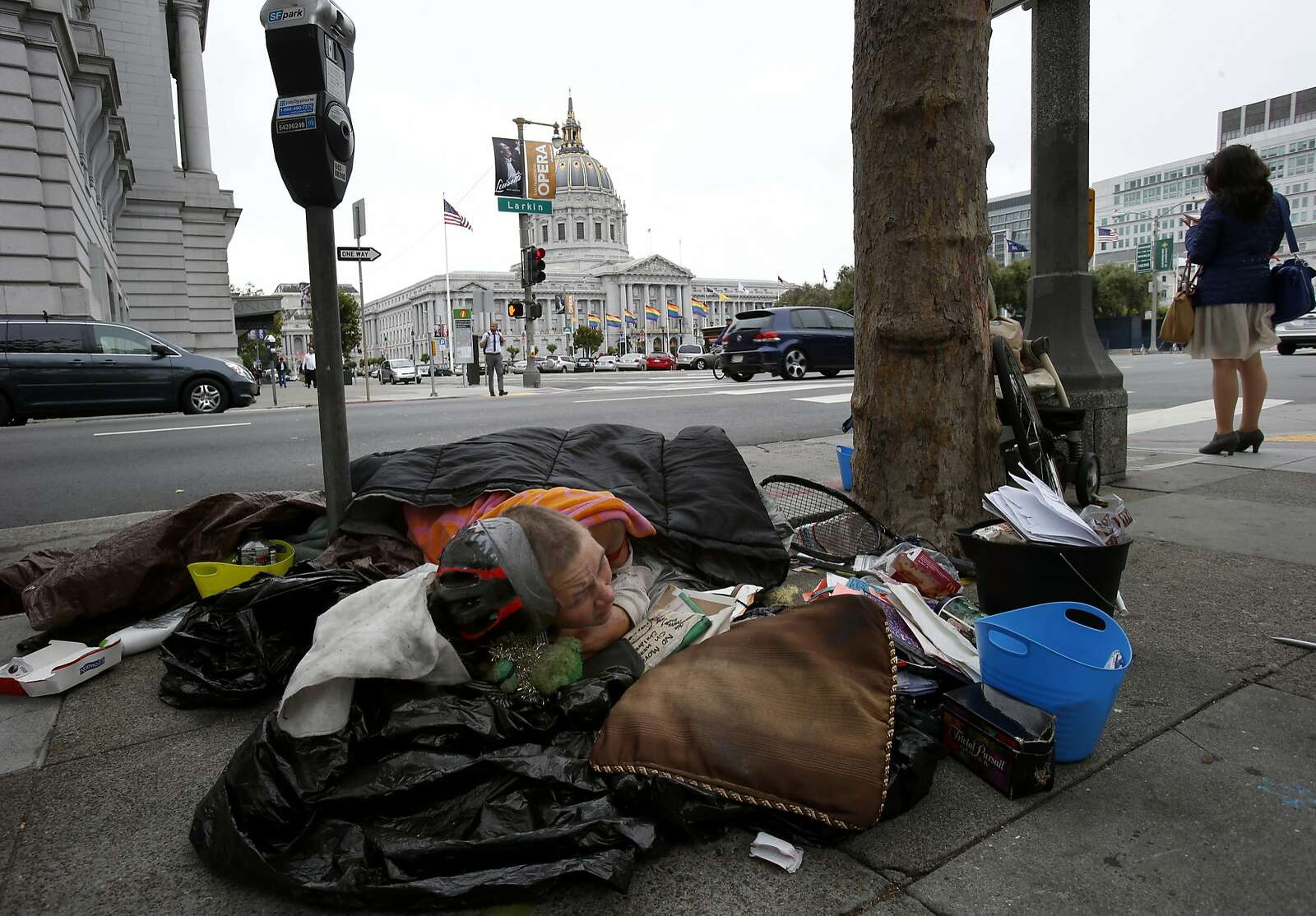
While these numbers represent a slight decrease from the 2019 count (which was 8,035), the challenge remains substantial, especially considering the city’s relatively small geographical footprint compared to other major metropolitan areas. These statistics highlight a persistent social crisis that affects the lives of thousands and presents a unique aspect of the urban landscape for both residents and visitors. The concentration of homelessness, particularly in certain downtown areas, means that its impact on the urban experience is often more pronounced than in cities with similar or even higher overall numbers but greater geographic dispersion.
Root Causes and Contributing Factors
The reasons behind San Francisco’s high rates of homelessness are multifaceted, reflecting a complex interplay of economic, social, and systemic issues. For travelers interested in the deeper currents of local culture and societal structures, understanding these factors provides essential context.
- Exorbitant Housing Costs: Perhaps the most significant driver is the astronomical cost of living and housing in San Francisco and the wider Bay Area. Rapid gentrification and a booming tech industry have driven rental prices and home values to some of the highest in the world, making it nearly impossible for low-income individuals or those facing even a temporary job loss to afford housing. A sudden crisis can quickly lead to eviction and an inability to re-enter the housing market.
- Mental Health and Substance Use Issues: A significant portion of the homeless population struggles with severe mental health conditions and/or substance use disorders. These issues often exacerbate economic vulnerability, making it difficult to maintain employment, stable relationships, or navigate social service systems. Lack of accessible and comprehensive support services contributes to a cycle of homelessness.
- Economic Disparities: While San Francisco is home to immense wealth, it also exhibits stark economic inequality. The widening gap between the rich and the poor means that many essential service workers, artists, and others who contribute to the city’s vibrant character struggle to make ends meet and are vulnerable to displacement.
- Lack of Affordable Healthcare: Access to affordable healthcare, especially mental health services, is a persistent challenge. Without proper care, individuals can find themselves in a downward spiral that leads to homelessness.
- Warm Climate Appeal: The relatively mild climate of California (though San Francisco can be surprisingly chilly) has historically drawn individuals experiencing homelessness from colder regions, further contributing to the visible population, though this is often overstated compared to economic factors.
These interwoven factors create a persistent challenge that city officials, non-profits, and community members continuously strive to address, highlighting a critical aspect of San Francisco’s contemporary lifestyle.
The Visitor’s Perspective: Navigating San Francisco
For those planning to experience San Francisco’s world-class attractions, unique neighborhoods, and diverse culinary scene, encountering homelessness can be an unexpected and sometimes unsettling aspect of the journey. Understanding where these encounters are most likely and how they might affect your trip can help you prepare for a more informed and empathetic visit.
Where Visitors Encounter Homelessness
While homelessness is present throughout San Francisco, certain areas have a higher visible concentration.
- Tenderloin: Located just a few blocks from the upscale shops of Union Square, the Tenderloin district is widely recognized for its high concentration of individuals experiencing homelessness, poverty, and drug use. Visitors might pass through parts of it when walking between Market Street and other downtown areas.
- Market Street: As a major thoroughfare, particularly the stretch between Powell Street and the Civic Center, Market Street often sees a significant presence of homeless individuals.
- Civic Center: Home to government buildings, cultural institutions like the War Memorial Opera House, and the Asian Art Museum, the Civic Center Plaza can also have a noticeable homeless population.
- SoMa (South of Market): This rapidly developing neighborhood, with its tech companies and new apartments, still has areas where homelessness is prevalent, particularly near freeway underpasses and industrial zones.
In contrast, many popular tourist destinations tend to have a lower visible homeless population, often due to active management and dedicated resources for these areas. Places like Fisherman’s Wharf, Pier 39, Ghirardelli Square, the immediate vicinity of the Golden Gate Bridge (like Crissy Field or the Presidio), and residential neighborhoods like Pacific Heights or Cow Hollow offer a different urban experience. When planning your itinerary, being aware of these geographical nuances can help manage expectations.
Impact on the Travel Experience
The presence of homelessness can understandably impact a traveler’s perception and enjoyment of San Francisco. Concerns often revolve around personal safety, the overall atmosphere, and the dissonance between the city’s reputation and the visible poverty.
- Safety Concerns: While violent crime against tourists is relatively rare, petty crime can be a concern in some areas, particularly if personal belongings are left unattended. Travelers are always advised to be aware of their surroundings, particularly at night or in less populated areas, a general rule for any major city worldwide.
- Atmosphere and Aesthetics: For some, the visible signs of homelessness—tent encampments, individuals sleeping on sidewalks, panhandling—can detract from the beauty and charm they associate with a world-class travel destination. This can create a sense of discomfort or sadness, influencing the overall mood of a trip.
- Ethical Considerations: Many travelers find themselves grappling with ethical questions: how to respond to requests for help, how to reconcile the city’s wealth with its poverty, and what their role might be in addressing such profound social issues. This can lead to a more reflective, albeit sometimes challenging, travel experience.
Despite these potential impacts, millions of visitors continue to have positive and memorable experiences in San Francisco by staying informed, exercising standard urban precautions, and focusing on the myriad of positive aspects the city has to offer. Hotels and accommodation providers in tourist-heavy areas often work closely with local authorities to ensure a welcoming environment for their guests, while also engaging in community initiatives to address broader challenges.
Responsible Tourism and Engagement
For the thoughtful traveler, visiting a city with visible social challenges like homelessness presents an opportunity for responsible engagement rather than simply avoidance. Adopting an informed and respectful approach can enrich your travel experience and contribute positively to the local community.
- Educate Yourself: Beyond the numbers, understanding the root causes and the human stories behind homelessness can foster empathy. Websites of local non-profits offer valuable insights.
- Be Respectful: While you don’t need to engage with every individual, maintaining eye contact and offering a polite “no, thank you” if approached can be more respectful than ignoring someone. Avoid judgment or hostile interactions.
- Support Local Charities: If you feel moved to help, consider donating to reputable local organizations dedicated to addressing homelessness, such as the San Francisco-Marin Food Bank, GLIDE, the Coalition on Homelessness, or Lava Mae. These organizations provide essential services, housing support, and advocacy. Many hotels and local businesses also partner with or support these initiatives, showcasing a collective commitment to community welfare.
- Patronize Local Businesses: Supporting local businesses, especially those that actively employ or assist individuals transitioning out of homelessness, helps strengthen the local economy and provides opportunities.
- Prioritize Safety (Standard Precautions): While being empathetic, always prioritize your personal safety. Keep valuables secure, be aware of your surroundings, and avoid walking alone in poorly lit areas at night, just as you would in any major urban environment.
By approaching your visit to San Francisco with an open mind and a commitment to responsible tourism, you can appreciate the city’s incredible beauty and innovation while also acknowledging and respecting its complex realities. This perspective enriches the travel experience, transforming it from a mere sightseeing tour into a deeper engagement with a vibrant and evolving urban tapestry.

San Francisco’s Response and Initiatives
Addressing the pervasive issue of homelessness in San Francisco is a monumental task that requires significant resources, innovative strategies, and sustained collaboration across various sectors. The city, alongside numerous non-profit organizations and community groups, is engaged in a continuous effort to provide solutions and support.
City-Wide Strategies
The City and County of San Francisco has established the Department of Homelessness and Supportive Housing (HSH) to lead and coordinate the city’s response. HSH manages a range of programs and services aimed at ending homelessness.
- Expanding Shelter and Interim Housing: A primary focus is on increasing the availability of safe shelter beds and interim housing options, including navigation centers that offer low-barrier access to services, food, and a pathway to more stable housing. These centers aim to build trust and connect individuals with comprehensive support.
- Permanent Supportive Housing: Recognizing that a stable home is foundational, the city invests heavily in creating permanent supportive housing. These units provide not just a roof overhead but also wrap-around services like case management, mental health counseling, and substance abuse treatment, designed to help individuals maintain housing stability long-term.
- Homelessness Prevention Programs: Efforts are also directed towards preventing homelessness in the first place, through rental assistance, eviction defense services, and rapid re-housing programs that help individuals quickly secure new housing after a crisis.
- Street Outreach and Engagement: Teams of outreach workers regularly engage with unsheltered individuals on the streets, building relationships, offering immediate assistance, and connecting them to available services and shelter options.
- Addressing Behavioral Health: Collaborative initiatives between HSH and the Department of Public Health focus on integrating mental health and substance abuse treatment services directly into homeless service programs, recognizing these as critical components for successful exits from homelessness.
These strategies reflect a comprehensive approach, aiming to move beyond simply managing the problem to actively solving it, one individual at a time.
Innovation and Community Involvement
San Francisco’s unique spirit of innovation extends to its approaches to homelessness, often leveraging technology and strong community partnerships.
- Public-Private Partnerships: The tech industry, while sometimes seen as contributing to the city’s high cost of living, also plays a role in philanthropic efforts and partnerships with the city to address homelessness. Companies and their employees often volunteer time, donate resources, and engage in specific projects.
- Community-Led Initiatives: Beyond formal city programs, a robust network of non-profits and grassroots organizations continuously innovate. From mobile hygiene services (like Lava Mae’s shower buses) to food programs and legal aid clinics, these groups fill critical gaps and often operate with deep community trust. Many local hotels and businesses also sponsor or directly participate in these efforts, reflecting a broader commitment within the tourism and hospitality sector to the well-being of the city.
- Focus on Specific Subpopulations: Recognizing that homelessness affects diverse groups differently, tailored programs are developed for veterans, youth, families, and LGBTQ+ individuals, ensuring that services are culturally competent and meet specific needs.
- Data-Driven Solutions: HSH utilizes data analytics to track outcomes, identify service gaps, and optimize resource allocation, aiming for evidence-based policymaking to ensure interventions are as effective as possible.
These collective efforts underscore San Francisco’s resolve to tackle one of its most pressing social challenges. While progress can be slow and setbacks occur, the city’s commitment to finding humane and effective solutions remains steadfast, influencing its reputation not just as a global destination, but as a community striving for social justice.
Beyond the Numbers: The Enduring Appeal of San Francisco
Despite its challenges, San Francisco remains an undeniably alluring destination. Its unique blend of natural beauty, architectural marvels, cultural richness, and pioneering spirit continues to draw travelers from across the globe, offering experiences that extend far beyond any single social issue.
Iconic Landmarks and Attractions
The city’s skyline is instantly recognizable, featuring some of the most famous sights in the world. Visitors come to marvel at engineering feats and immerse themselves in natural splendor.
- Golden Gate Bridge: This magnificent suspension bridge is not just a mode of transport but an architectural icon, offering breathtaking views of the bay and the Pacific Ocean. Walking or biking across its span is a quintessential San Francisco experience.
- Alcatraz Island: The infamous former prison stands as a chilling yet fascinating historical site. A ferry trip to “The Rock” offers not only a glimpse into its dark past but also stunning panoramic views of the city skyline.
- Lombard Street: Known as the “most crooked street in the world,” its hairpin turns winding down a steep hill are a playful visual delight and a popular photo opportunity.
- Fisherman’s Wharf & Pier 39: These bustling waterfront areas offer fresh seafood, street performers, souvenir shops, and the charismatic sea lions basking at Pier 39. It’s a vibrant hub for family-friendly activities.
- Union Square: The heart of San Francisco’s shopping and theater district, Union Square is surrounded by luxury boutiques, department stores, and renowned hotels, making it a vibrant center for leisure and entertainment.
- Golden Gate Park: A sprawling urban oasis, larger than New York City‘s Central Park, it houses the California Academy of Sciences, the De Young Museum, the Japanese Tea Garden, and numerous other attractions, offering endless opportunities for relaxation and exploration.
- Palace of Fine Arts: A stunning Greco-Roman rotunda and colonnades, originally built for the 1915 Panama-Pacific Exposition, this architectural marvel is a tranquil spot perfect for photography and quiet contemplation.
These landmarks, woven into the city’s fabric, ensure that San Francisco continues to offer unparalleled travel experiences.
Diverse Neighborhoods and Cultures
Beyond its famous sights, San Francisco’s true charm lies in its distinct neighborhoods, each with its own unique personality, history, and cultural flavor, offering a rich tapestry for travelers to explore.
- Chinatown: The oldest Chinatown in North America, it’s a vibrant sensory experience with ornate temples, traditional markets, authentic eateries, and bustling streets, immersing visitors in a different culture.
- The Mission District: Known for its rich Latino heritage, vibrant street art (murals), and burgeoning food scene, The Mission District offers a dynamic blend of old and new, from historic missions to trendy boutiques and acclaimed restaurants.
- North Beach: The city’s historic Italian quarter and the former stomping grounds of the Beat Generation, North Beach is full of charming cafes, authentic Italian restaurants, lively bars, and independent bookstores. It’s also home to Coit Tower, offering splendid views.
- Haight-Ashbury: The birthplace of the 1960s counterculture movement, this iconic neighborhood still retains its bohemian spirit with colorful Victorian houses, vintage shops, and a unique, laid-back atmosphere.
- Castro District: A global symbol for LGBTQ+ rights and activism, the Castro District is a vibrant and welcoming neighborhood with historic theaters, lively bars, and a strong sense of community.
Exploring these districts offers a deep dive into the local culture and diverse lifestyles that define San Francisco, making it a truly global city with countless stories to tell.
World-Class Accommodation and Lifestyle
San Francisco caters to every type of traveler with an extensive range of accommodation options and lifestyle experiences, reinforcing its status as a premier destination for luxury travel, budget adventures, and everything in between.
- Luxury Hotels and Resorts: For those seeking an opulent lifestyle, the city boasts an impressive collection of luxury hotels, many situated in prime locations near Union Square or along the waterfront. Establishments like The Ritz-Carlton, the Grand Hyatt San Francisco, and the Palace Hotel offer exquisite suites, world-class amenities, and impeccable service, perfect for indulgent stays or business travel.
- Boutique Stays and Historic Inns: Travelers looking for unique experiences will find charming boutique hotels and historic inns tucked away in neighborhoods like Nob Hill, Russian Hill, or Pacific Heights. These properties often reflect the local culture and offer a more personalized touch, aligning with a desire for authentic travel experiences.
- Apartments and Villas for Long-Term Stays: For extended visits or family trips, a wide selection of serviced apartments and vacation rentals provide the comforts of home, complete with kitchens and more space, offering flexibility and a chance to experience local living.
- Culinary Delights: San Francisco’s culinary scene is legendary, ranging from Michelin-starred restaurants to innovative food trucks and diverse ethnic eateries. From fresh seafood at Fisherman’s Wharf to authentic dim sum in Chinatown or gourmet experiences in The Mission District, the city is a paradise for foodies.
- Arts and Culture: With numerous museums, theaters, live music venues, and art galleries, San Francisco offers a rich cultural lifestyle. From Broadway shows to independent film screenings and vibrant street art, there’s always something to engage and inspire.
The combination of exceptional accommodation, diverse gastronomic options, and a rich cultural scene ensures that San Francisco continues to offer a truly rewarding and unforgettable travel experience, embodying the “Life Out of the Box” philosophy of exploration and discovery.
In conclusion, the question of “how many homeless in San Francisco” points to a significant societal challenge that the city is actively working to address. While homelessness is a visible aspect of the urban landscape, particularly in certain areas, it does not diminish the city’s profound appeal as a world-class travel destination. By understanding the complexity of the issue, being mindful of one’s surroundings, and supporting responsible tourism initiatives, visitors can experience the vibrant culture, breathtaking landmarks, and diverse neighborhoods that make San Francisco truly unique. It is a city of resilience, innovation, and undeniable charm, inviting all to explore its many layers with an open mind and heart.
LifeOutOfTheBox is a participant in the Amazon Services LLC Associates Program, an affiliate advertising program designed to provide a means for sites to earn advertising fees by advertising and linking to Amazon.com. Amazon, the Amazon logo, AmazonSupply, and the AmazonSupply logo are trademarks of Amazon.com, Inc. or its affiliates. As an Amazon Associate we earn affiliate commissions from qualifying purchases.