
Florida, renowned for its sun-drenched beaches, vibrant cities like Miami and Orlando, and world-class attractions, annually welcomes millions of tourists seeking an unforgettable escape. While visitors primarily focus on theme parks, pristine coastlines, and cultural experiences, a deeper understanding of any destination involves acknowledging its societal landscape. Beyond the postcard-perfect imagery, like any populous state, Florida grapples with complex social issues, including homelessness. For the mindful traveler, understanding these realities contributes to a richer, more informed appreciation of the local culture and community dynamics.
Understanding the Landscape: Homelessness in the Sunshine State
Assessing the exact number of homeless individuals in any region presents a significant challenge due to the transient nature of the population and varying definitions. However, annual point-in-time (PIT) counts offer the most comprehensive snapshot. These counts, mandated by the U.S. Department of Housing and Urban Development (HUD), involve volunteers and service providers conducting surveys on a single night in January across communities nationwide.

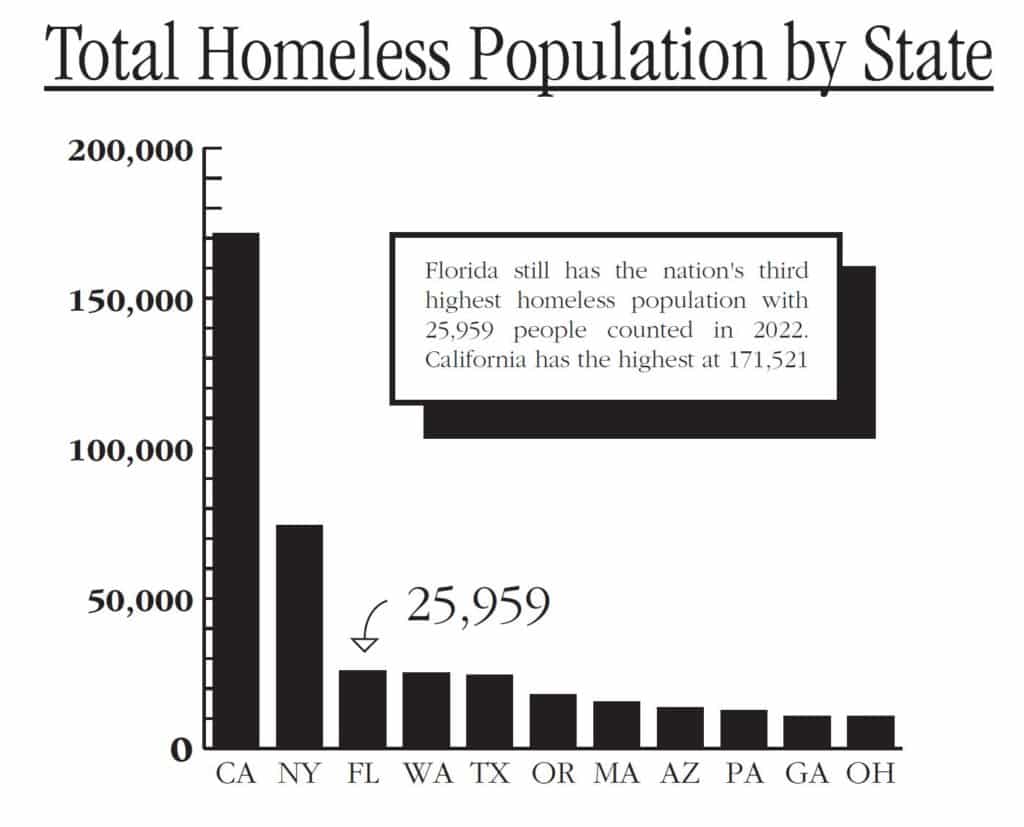
In recent years, Florida’s PIT count has consistently shown thousands of individuals experiencing homelessness. While numbers fluctuate annually due to economic shifts, housing market changes, and local initiatives, reports typically place the figure in the range of 25,000 to 30,000 people. It’s crucial to note that this count includes both unsheltered individuals (those living in places not meant for human habitation, such as streets, parks, or cars) and sheltered individuals (those in emergency shelters, transitional housing, or safe havens).
Several factors contribute to homelessness in Florida. Economic challenges, including low wages and the high cost of living in popular urban and coastal areas, play a significant role. Mental health issues, substance abuse, domestic violence, and a lack of affordable housing options further exacerbate the problem. The state’s warm climate, while a draw for tourists, can also be a factor in attracting individuals seeking refuge from harsher winters elsewhere, though research suggests this is a less significant driver than local economic conditions.
Demographic Realities of Homelessness
Homelessness in Florida affects diverse populations. While single adults comprise a significant portion, families with children also experience housing instability, often residing in temporary shelters, motels, or doubling up with others. Veterans, youth, and individuals with disabilities are disproportionately represented among the homeless population. Each demographic faces unique challenges and requires tailored support services, from crisis intervention to long-term housing solutions and comprehensive healthcare.
The presence of children experiencing homelessness is particularly poignant. These children often face disruptions in education, health, and social development, highlighting the urgent need for family-focused interventions. Many school districts in Florida, recognizing the impact of housing instability, provide specific support services for homeless students to ensure continuity in their education.
The Interplay with Florida’s Tourism Economy
Florida’s booming tourism industry, a cornerstone of its economy, indirectly interacts with the issue of homelessness in several complex ways. On one hand, tourism creates jobs and generates revenue that can, in theory, support social services. On the other hand, the industry’s success can also contribute to rising housing costs and gentrification, making affordable living increasingly difficult for low-income residents and service workers.
Major tourist hubs like Orlando, Miami, and Tampa are often economic engines, but they also experience some of the highest housing costs. The demand for vacation rentals, luxury apartments, and tourism-related infrastructure can drive up property values and rents, pushing out residents with limited incomes. Many individuals working in the hospitality sector, from hotel staff to restaurant employees, struggle to afford housing in the very communities they serve.
Furthermore, the seasonal nature of some tourism jobs can lead to periods of unemployment or underemployment, contributing to financial instability for many families. While the sunshine state boasts a robust job market in tourism, the wages for many entry-level positions may not keep pace with the cost of living, especially in prime tourist destinations. This economic disparity is a subtle yet significant thread in the tapestry of local culture, often unseen by the casual visitor focused solely on attractions.
Perceptions and Responsible Tourism
For tourists, encountering homelessness can be a jarring experience, contrasting sharply with the idealized vacation image. However, rather than diminishing the travel experience, an awareness of these social realities can deepen a visitor’s understanding of a destination. It encourages a more empathetic and responsible approach to tourism, recognizing that vibrant communities are multifaceted.
Responsible tourism extends beyond environmental conservation to include social impact. Understanding that a portion of the local population struggles with housing insecurity can prompt visitors to consider their choices, perhaps supporting local businesses that demonstrate a commitment to community welfare, or simply being more aware of their surroundings. It’s not about feeling guilty, but about being informed and respectful of the full spectrum of local life.
Community Responses and Engagement
Across Florida, numerous governmental agencies, non-profit organizations, and community groups are actively working to address homelessness. These efforts are multifaceted, encompassing prevention, emergency services, transitional housing, and long-term solutions. Cities and counties often coordinate their efforts through Continuums of Care (CoCs), which are local planning bodies responsible for coordinating homelessness services.
Local Initiatives and Support Systems
Many communities have implemented innovative programs to combat homelessness. For instance, in Orlando, the Central Florida Commission on Homelessness brings together diverse stakeholders to develop regional strategies. Miami-Dade County‘s Homeless Trust has been recognized for its comprehensive approach, utilizing dedicated funding streams to provide a wide array of services, from street outreach to permanent supportive housing.
Organizations like Catholic Charities, the Salvation Army, and various local shelters provide critical emergency services, including food, shelter, and medical care. Beyond immediate relief, there’s a strong focus on “housing first” models, which prioritize getting individuals into stable housing as quickly as possible, then providing support services to address underlying issues like mental health or substance abuse. This approach has proven more effective than traditional models that require individuals to achieve sobriety or stability before housing.
The Role of Advocacy and Awareness
These community efforts rely heavily on public and private funding, volunteer support, and increased awareness. Local governments often allocate resources, and state-level initiatives aim to create more affordable housing units. Advocacy groups continuously work to raise public consciousness and lobby for policy changes that address the root causes of homelessness.
For visitors interested in contributing or learning more, many non-profit organizations welcome volunteers or donations. While it’s generally not advisable for tourists to give money directly to individuals on the street, supporting reputable local charities that provide structured assistance can make a meaningful difference. This could involve researching organizations in cities like Tampa, Jacksonville, or Fort Lauderdale before or during a trip.

A Mindful Visitor’s Perspective
Engaging with Florida as a mindful traveler means acknowledging and understanding the full spectrum of its local culture and societal challenges. While the primary purpose of tourism is relaxation and enjoyment, an informed perspective enriches the travel experience by connecting visitors more deeply with the places they explore.
Being aware of the presence of homelessness in Florida is not meant to detract from the state’s undeniable allure but rather to foster a more complete and empathetic view. It encourages visitors to see beyond the curated tourist experience and recognize the human stories within the vibrant communities they visit. This deeper understanding can lead to more respectful interactions, a greater appreciation for community resilience, and even inspire support for local initiatives working towards positive change. By embracing this holistic view, travelers can truly experience the depth and diversity of the Sunshine State.
LifeOutOfTheBox is a participant in the Amazon Services LLC Associates Program, an affiliate advertising program designed to provide a means for sites to earn advertising fees by advertising and linking to Amazon.com. Amazon, the Amazon logo, AmazonSupply, and the AmazonSupply logo are trademarks of Amazon.com, Inc. or its affiliates. As an Amazon Associate we earn affiliate commissions from qualifying purchases.