
The question of “How Many Hospitals Are In New York?” delves into the intricate healthcare infrastructure of a state renowned for its bustling metropolises and diverse landscapes. While not a typical query for a travel guide, understanding the sheer number and distribution of healthcare facilities within New York offers a unique perspective on the state’s capacity to care for its residents and visitors. This information can be particularly relevant for travelers who prioritize well-being and preparedness, or for those researching the logistical backbone that supports the millions who call New York home or visit its iconic destinations.

The Landscape of Healthcare Facilities in New York State
New York boasts a comprehensive and complex network of healthcare providers, encompassing a wide array of institutions designed to meet the diverse health needs of its population. From the dense urban environment of New York City to the more spread-out communities in upstate regions, the state has a significant number of hospitals, each playing a vital role in public health.
A State-Wide Overview
Estimates suggest that New York is home to hundreds of hospitals. These facilities vary significantly in size, specialization, and ownership. They range from large academic medical centers affiliated with prestigious universities to smaller community hospitals serving local populations, and specialized institutions focusing on areas such as pediatrics, oncology, or rehabilitation. The precise number can fluctuate due to mergers, acquisitions, and the opening or closing of facilities. Official statistics from bodies like the New York State Department of Health are the most reliable sources for definitive figures, but general industry reports and healthcare databases provide a strong indication of the extensive network.
Distribution Across Key Regions
The distribution of these hospitals is not uniform across the state. The metropolitan area of New York City naturally concentrates a significant proportion of the state’s hospital beds and services due to its high population density and status as a global hub. Within the city, boroughs like Manhattan, Brooklyn, and Queens are home to numerous renowned hospitals, including major trauma centers and specialized research facilities.
Beyond the city, upstate New York also possesses a robust healthcare infrastructure. Cities such as Buffalo, Rochester, Syracuse, and Albany each have several hospitals, serving their respective regional populations. These upstate facilities are crucial for providing access to critical medical care in areas that may be geographically distant from major urban centers. Rural areas, while having fewer facilities, often rely on critical access hospitals designed to serve smaller communities with essential services.
Types of Hospitals
The categorization of hospitals in New York is diverse, reflecting the varied needs they address:
General Medical and Surgical Hospitals
These are the most common type of hospital, offering a broad range of services including emergency care, surgery, internal medicine, pediatrics, and obstetrics. They form the backbone of the healthcare system in both urban and rural settings.
Specialty Hospitals
New York is home to many specialized hospitals focusing on particular medical fields. This includes:
- Children’s Hospitals: Dedicated to the care of infants, children, and adolescents, offering specialized pediatric services. Examples include New York-Presbyterian Komansky Children’s Hospital and Golisano Children’s Hospital in Rochester.
- Cancer Centers: Institutions like Memorial Sloan Kettering Cancer Center are world-leading in cancer research, diagnosis, and treatment.
- Rehabilitation Hospitals: Focusing on physical and occupational therapy to help patients recover from injuries, illnesses, or surgeries.
- Psychiatric Hospitals: Providing specialized care for mental health conditions.
Academic Medical Centers
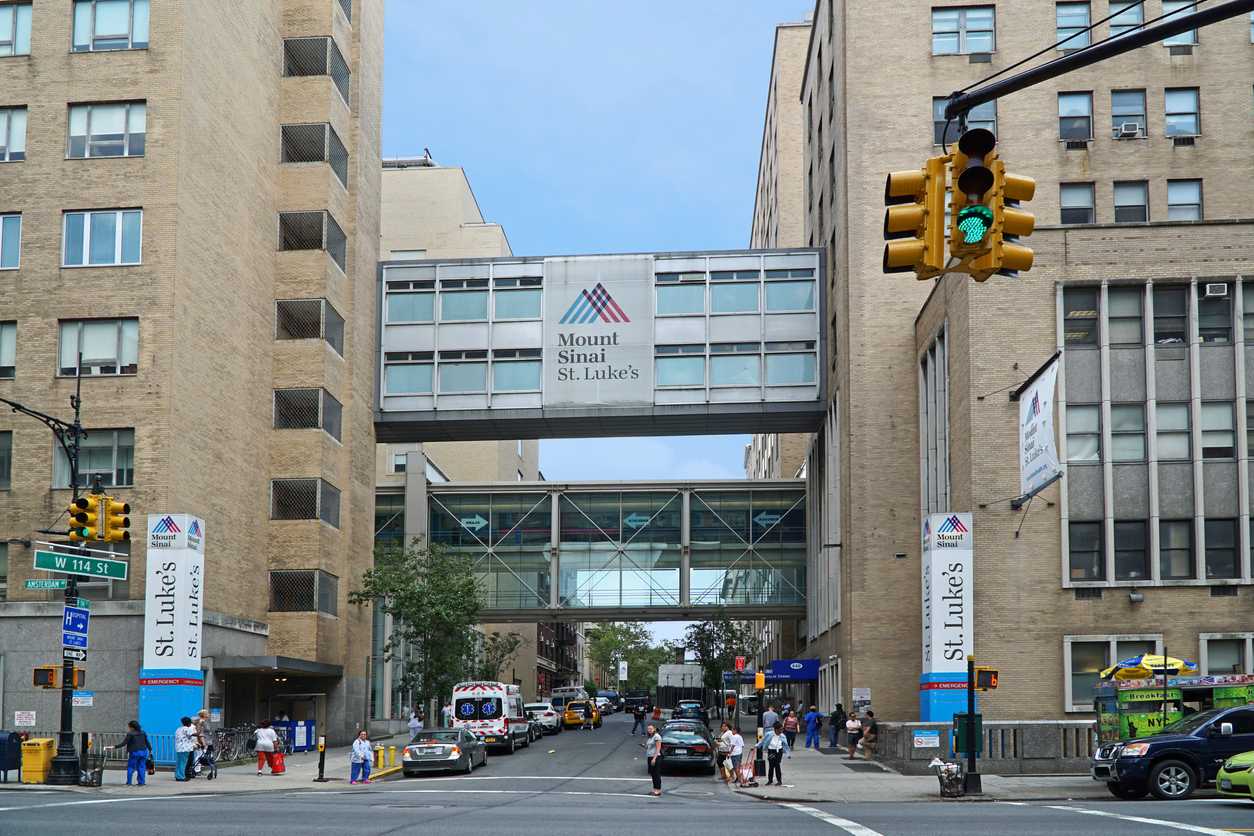
These are often large, complex institutions that combine patient care with medical education and research. They are typically associated with universities and are at the forefront of medical innovation. Prominent examples include New York-Presbyterian Hospital, NYU Langone Health, and Mount Sinai Health System, all major providers in New York City.
Understanding the Significance for Visitors and Residents
While a tourist’s itinerary might not typically include hospital visits, understanding the healthcare infrastructure of New York offers a layer of practical consideration for various scenarios.
Ensuring Preparedness and Peace of Mind

For travelers, especially those with pre-existing conditions or families with young children, knowing that a robust network of medical facilities is readily accessible can provide significant peace of mind. In the event of an unforeseen medical emergency, understanding the types of hospitals available, their locations, and their specialties can be invaluable. For instance, if traveling to New York City for a performance at Broadway or a visit to Central Park, knowing which major hospitals are nearby, such as those in the Upper East Side or Midtown, can be reassuring.
Business Travel and Extended Stays
For business travelers on extended assignments or individuals relocating to New York for work, research into local healthcare options is often a practical necessity. This can involve identifying hospitals with specific departments or specialists, understanding insurance coverage within the state, and familiarizing oneself with emergency protocols. For professionals attending conferences at major venues like the Jacob K. Javits Convention Center, proximity to emergency services is a standard consideration.
The Role in Large-Scale Events
New York hosts numerous large-scale events, from the New York City Marathon to major concerts and sporting events at venues like Yankee Stadium or Madison Square Garden. The presence of a well-developed hospital system is critical for providing immediate medical support and managing potential emergencies during these gatherings. The planning for such events invariably involves coordination with local healthcare providers to ensure adequate resources are available.
Key Considerations for Navigating New York’s Healthcare System
When considering the healthcare landscape of New York, several factors come into play, particularly for those who might need to access its services.
Access and Insurance
Access to healthcare services in New York is often tied to insurance coverage. The state has a complex system that includes private insurance plans, government programs like Medicare and Medicaid, and various health exchange options. For visitors, understanding their existing health insurance policy and its out-of-state coverage is paramount. For residents, navigating the various insurance marketplaces and understanding eligibility for public programs is a key aspect of healthcare access. Many hospitals also offer financial assistance programs for those who qualify, mitigating the cost barrier for essential medical care.
Emergency Services
New York has a well-established emergency medical services (EMS) system, with emergency rooms (ERs) located in nearly every general hospital. The emergency number to dial in the United States for immediate medical assistance is 911. This service connects callers to police, fire departments, and ambulance services, ensuring a rapid response to critical situations. For less urgent but still pressing medical needs, urgent care centers are also becoming increasingly prevalent, offering a middle ground between primary care physicians and full-service emergency rooms.
Quality of Care and Reputation
New York is home to some of the most highly-regarded hospitals and medical institutions in the world. These facilities are often at the forefront of medical research, employ leading specialists, and utilize advanced technology. When seeking care, factors such as hospital accreditation, patient reviews, and rankings from reputable sources can help individuals make informed decisions. For many, the reputation of institutions like New York-Presbyterian Hospital or Mount Sinai Hospital are synonymous with exceptional medical outcomes.
The Economic and Social Impact of Hospitals in New York
Beyond their direct role in healthcare, hospitals are significant economic and social pillars within New York. Their presence impacts communities in multifaceted ways, from employment to local economies.
Employment and Economic Contribution
Hospitals are major employers across New York, providing jobs for physicians, nurses, technicians, administrative staff, and support personnel. These institutions contribute substantially to the state’s economy through salaries, procurement of goods and services, and capital investments. Academic medical centers, in particular, are hubs of innovation and attract considerable research funding, further bolstering the state’s economic landscape. The ripple effect of hospital spending and employment is felt throughout the communities they serve, supporting local businesses and contributing to overall economic stability.
Community Health Initiatives and Education
Many hospitals in New York actively engage in community health initiatives. This can include offering free health screenings, public health education programs, and partnerships with local organizations to address specific community health needs, such as chronic disease management or access to care for underserved populations. Furthermore, teaching hospitals play a crucial role in educating the next generation of healthcare professionals, ensuring a continuous supply of skilled practitioners for the state and beyond.
Preparedness for Public Health Crises
The extensive network of hospitals in New York is also a critical component of the state’s preparedness for public health crises, such as pandemics or natural disasters. These facilities are equipped to handle surges in patient demand, coordinate with public health agencies, and implement emergency protocols. The experience gained during events like the COVID-19 pandemic has underscored the vital importance of a strong, adaptable hospital infrastructure capable of responding effectively to widespread health challenges.
While the exact count of hospitals in New York is dynamic, the sheer scale of its healthcare infrastructure is undeniable. It represents a complex system dedicated to serving the health and well-being of millions, a crucial element of the state’s identity and functionality, impacting both its residents and the millions who visit its iconic landmarks and vibrant cities each year.
LifeOutOfTheBox is a participant in the Amazon Services LLC Associates Program, an affiliate advertising program designed to provide a means for sites to earn advertising fees by advertising and linking to Amazon.com. Amazon, the Amazon logo, AmazonSupply, and the AmazonSupply logo are trademarks of Amazon.com, Inc. or its affiliates. As an Amazon Associate we earn affiliate commissions from qualifying purchases.