
The name “Hotel Transylvania” evokes a specific kind of architectural wonder: a looming, multi-spired fortress perched atop a jagged peak, surrounded by the swirling mists of the Carpathian Mountains. For many, this imagery is inseparable from the blockbuster animated franchise produced by Sony Pictures Animation. However, for travelers, historians, and lovers of Gothic Architecture, the question “how many are there?” bridges the gap between cinematic fiction and the very real landmarks of Romania.
To answer this question comprehensively, one must look at both the digital world of animation and the tangible stone walls of the Transylvania region. While the fictional hotel is a singular, massive resort for monsters, the real-world inspirations are numerous, scattered across the historical landscape of Wallachia and the mountain passes of the east.
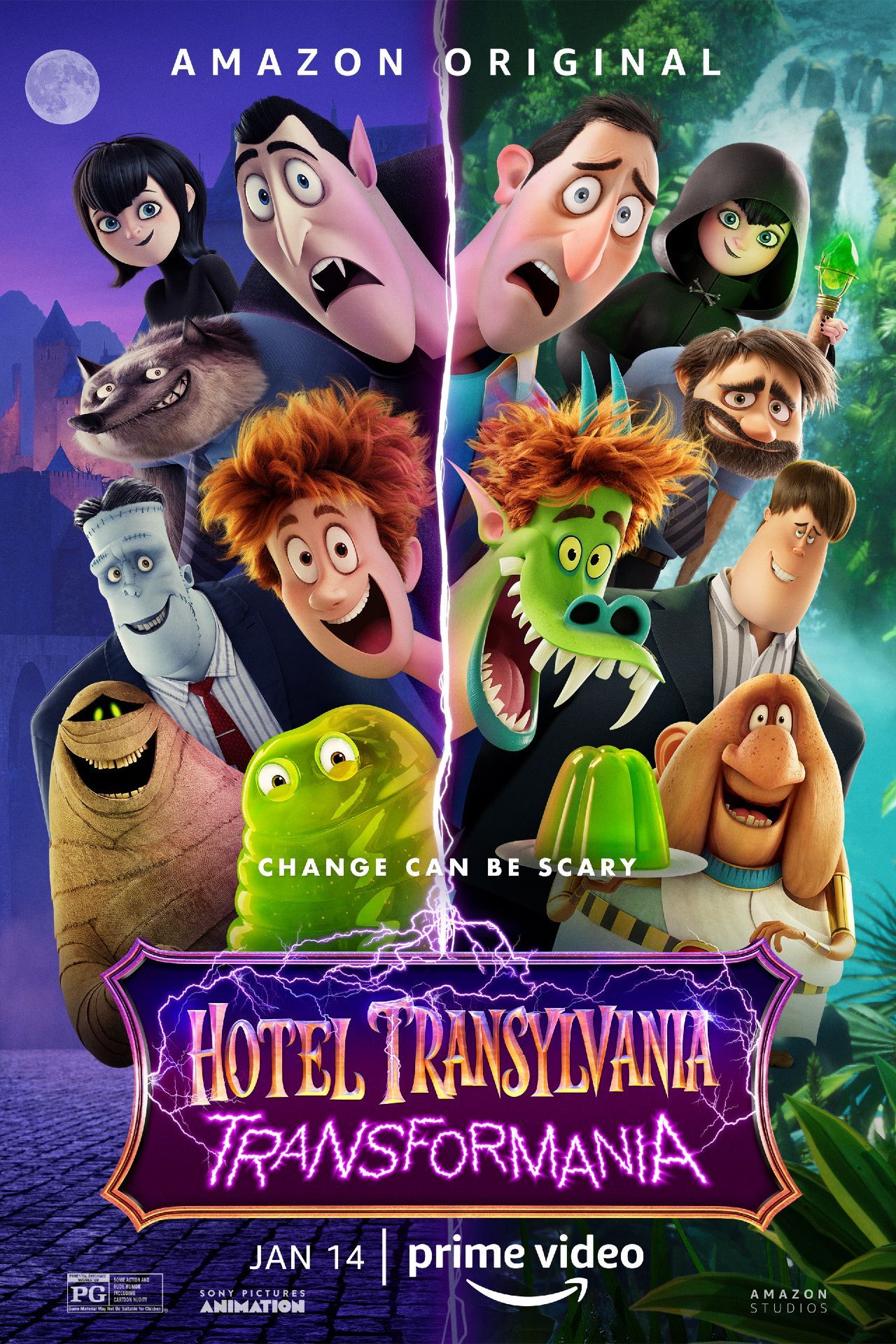
The Cinematic Count: Four Chapters of Animation
In the realm of popular culture, there are precisely four feature-length films that define the Hotel Transylvania universe. Each movie expands upon the architecture and the surrounding “monster-friendly” geography of the fictional estate.
The original film introduced the world to the concept of a high-end resort built by Count Dracula to protect his daughter and his friends from the human world. The success of this vision led to three sequels, each exploring different facets of the hotel or taking the characters away from it. The journey through the films—ranging from the original debut to the sequels like Summer Vacation and Transformania—has cemented the hotel as one of the most recognizable fictional landmarks in modern cinema.
Beyond the four films, the franchise includes a television series and several short films, but the “hotel” itself remains the central hub. While these digital versions are confined to the screen, they were heavily influenced by the brooding, historical atmosphere of Central Europe. Designers for the films looked at the sharp angles and dark stone of medieval fortresses to create a place that felt both ancient and welcoming.
The Real-World Landmarks: Bran Castle and the “Dracula” Connection
If you were to step out of the cinema and into the rugged terrain of Romania, you would find that the spirit of the hotel lives within several iconic landmarks. The most prominent of these is undoubtedly Bran Castle.
Located near Brasov, this fortress is often marketed as “Dracula’s Castle,” and for many tourists, it serves as the physical manifestation of Hotel Transylvania. Though the fictional hotel is a resort, the architectural similarities are striking. Bran Castle sits on a 200-foot rock, featuring a complex layout of towers, turrets, and narrow winding staircases.
The Architecture of Bran Castle
The history of Bran Castle dates back to the 14th century when it was used as a defense against the Ottoman Empire. Its design is a textbook example of medieval military architecture, adapted over centuries into a royal residence. The interior courtyards, the secret passages connecting different levels, and the heavy timber-framed rooms provide the exact atmosphere one expects from a Transylvanian landmark. While Bram Stoker, the author of the original Dracula novel, never actually visited Romania, his descriptions of a castle on the edge of a “terrific precipice” align so perfectly with Bran Castle that it has become the de facto home of the legend.
Poenari Castle: The Fortress of the Impaler
While Bran Castle has the look, Poenari Castle has the direct historical link. If one is searching for the “real” home of the figure who inspired the movies—Vlad the Impaler—this is it. Located in the Arges County, Poenari Castle is now a set of dramatic ruins. Reaching the site requires climbing over 1,400 steps, a journey that offers a stark, authentic look at the defensive landmarks of the 15th century. It represents the darker, more rugged side of the legends that birthed the Hotel Transylvania mythos.
Corvin Castle and the Gothic Aesthetic

While Bran Castle is the most famous, many architects and travelers argue that Corvin Castle (also known as Hunyadi Castle) is the true architectural twin of the movie’s hotel. Located in Hunedoara, this landmark is one of the largest castles in Europe and is a masterpiece of Gothic Architecture mixed with Renaissance Architecture elements.
The Grandeur of Hunedoara
Corvin Castle features massive, tall towers, a deep moat with a towering drawbridge, and a Knight’s Hall that looks as though it could host a banquet for hundreds of monsters. Its imposing silhouette is far more intimidating than Bran Castle, making it a favorite for filmmakers and photographers seeking the “ultimate” haunted castle look.
The history of Corvin Castle is filled with tales of prisoners and legendary sieges, adding a layer of historical weight to its visual splendor. The Bear Pit and the Capistrano Tower are specific sections of the landmark that highlight the ingenuity and the brutality of medieval design. For those counting “Hotel Transylvanias,” Corvin Castle represents the sheer scale and gothic drama of the animated hotel.
Peles Castle: A Different Kind of Luxury
In the Hotel Transylvania films, the hotel is presented as a place of luxury and high-end amenities. In this regard, Peles Castle in Sinaia is a vital comparison. Built in the late 19th century for King Carol I, Peles Castle is a Neo-Renaissance marvel. While it lacks the “spooky” exterior of Bran Castle, its interior opulence—featuring over 160 rooms, a theater, and a grand armory—echoes the “resort” aspect of the fictional hotel. It serves as a reminder that the landmarks of Transylvania are as much about beauty and royalty as they are about myths and monsters.
Thematic Landmarks: Where Fiction Becomes Hospitality
If the question is interpreted literally—meaning, how many actual hotels are named after or themed around the “Transylvania” or “Dracula” concept—the answer expands further.
Hotel Castel Dracula
Located in the Tihuta Pass (or Borgó Pass), the very location described in Bram Stoker’s novel, stands the Hotel Castel Dracula. This is perhaps the closest real-world equivalent to the fictional establishment. Built in the 1980s to resemble a medieval fortress, this hotel leans heavily into the vampire theme.
Situated near Bistrita at a high altitude in the Carpathian Mountains, Hotel Castel Dracula offers visitors the chance to stay in a “castle” that was specifically designed to capitalize on the region’s literary fame. It features a “Dracula’s Tomb” in the basement and provides panoramic views of the rugged wilderness that has inspired storytellers for generations.
The Citadels and Fortified Churches
Beyond individual castles, the region of Transylvania is dotted with fortified landmarks that collectively create the “Hotel Transylvania” vibe. The Rasnov Citadel and the Fagaras Fortress are essential stops for anyone tracing the architectural history of the area. These sites were designed as communal places of refuge, much like the fictional hotel was a refuge for monsters.
Sighisoara, a UNESCO World Heritage site and the birthplace of Vlad the Impaler, is another landmark that feels like a living movie set. With its colorful houses, cobblestone streets, and the iconic Clock Tower, it provides the cultural context that makes the idea of a “Hotel Transylvania” so plausible in the minds of the public.

Conclusion: The Count of the Imaginary and the Real
When we ask how many “Hotel Transylvanias” there are, the answer is a tapestry of four animated films and a handful of extraordinary real-world landmarks. While Sony Pictures Animation gave us a specific, humorous vision of a monster retreat, Romania offers the authentic foundations of that dream.
From the cliffside drama of Bran Castle and the gothic majesty of Corvin Castle to the themed hospitality of Hotel Castel Dracula in Piatra Fantanele, the world is rich with “Hotel Transylvanias.” Each landmark tells a story of survival, royalty, and the enduring power of myth. Whether you are looking for a digital adventure through the films or a physical journey through the heart of Europe, the legacy of the hotel is found in the stone and shadow of these remarkable places.
Ultimately, there is only one “Hotel Transylvania” in the cinematic sense, but there are countless landmarks in Transylvania that carry its spirit. Visiting Bucharest and then traveling north toward Cluj-Napoca allows any traveler to see that the real “Hotel Transylvania” isn’t just one building—it’s the entire historical and architectural fabric of a region that refuses to let its legends die.
LifeOutOfTheBox is a participant in the Amazon Services LLC Associates Program, an affiliate advertising program designed to provide a means for sites to earn advertising fees by advertising and linking to Amazon.com. Amazon, the Amazon logo, AmazonSupply, and the AmazonSupply logo are trademarks of Amazon.com, Inc. or its affiliates. As an Amazon Associate we earn affiliate commissions from qualifying purchases.