
The skyline of Las Vegas is an ever-evolving tapestry of neon lights, architectural ambition, and sheer scale. Often referred to as the entertainment capital of the world, this city in the heart of Nevada is defined by its massive inventory of guest rooms and luxury suites. For travelers and industry analysts alike, the question of exactly how many hotels are in Las Vegas is more complex than a simple tally. It involves understanding the distinction between the historic Downtown Las Vegas area, the world-famous Las Vegas Strip, and the surrounding suburban regions like Summerlin and Henderson.
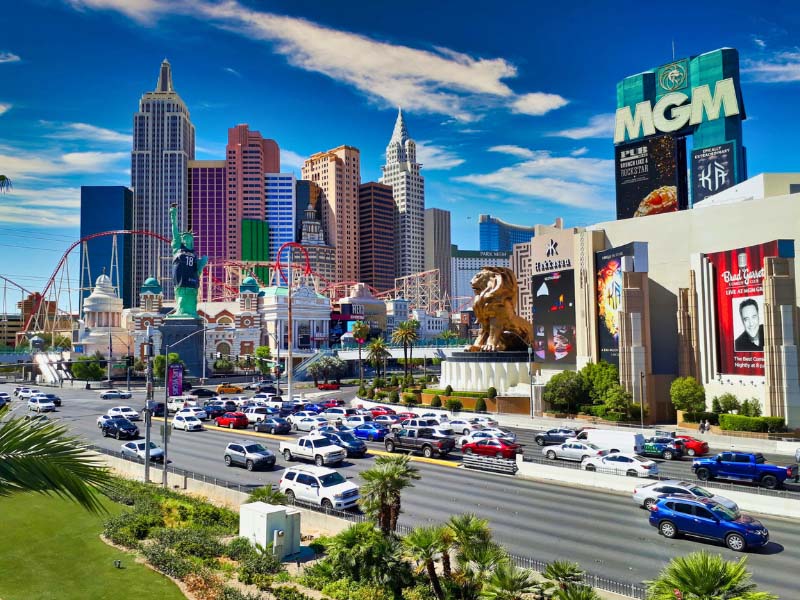
With an estimated 150,000 hotel rooms available across the valley, the city boasts one of the highest concentrations of hospitality real estate on the planet. From the sprawling mega-resorts that function as self-contained cities to boutique apartments and non-gaming properties, the variety of accommodations is as vast as the Mojave Desert itself.
The Quantitative Landscape: How Many Hotels Define the Las Vegas Skyline?
To quantify the hotel industry in Las Vegas, one must look at the different corridors that host these properties. While there are roughly 150 to 200 significant hotel-casino properties in the metropolitan area, the density of rooms per building is what truly sets Las Vegas apart from other global destinations in the United States.
The Striking Scale of the Las Vegas Strip
The Las Vegas Strip, a four-mile stretch of Las Vegas Boulevard, is home to the majority of the city’s largest hotels. Many of the properties here rank among the largest in the world by room count. For instance, the MGM Grand features over 5,000 guest rooms, while the combined complex of The Venetian Resort Las Vegas and The Palazzo at the Venetian Resort offers upwards of 7,000 suites.
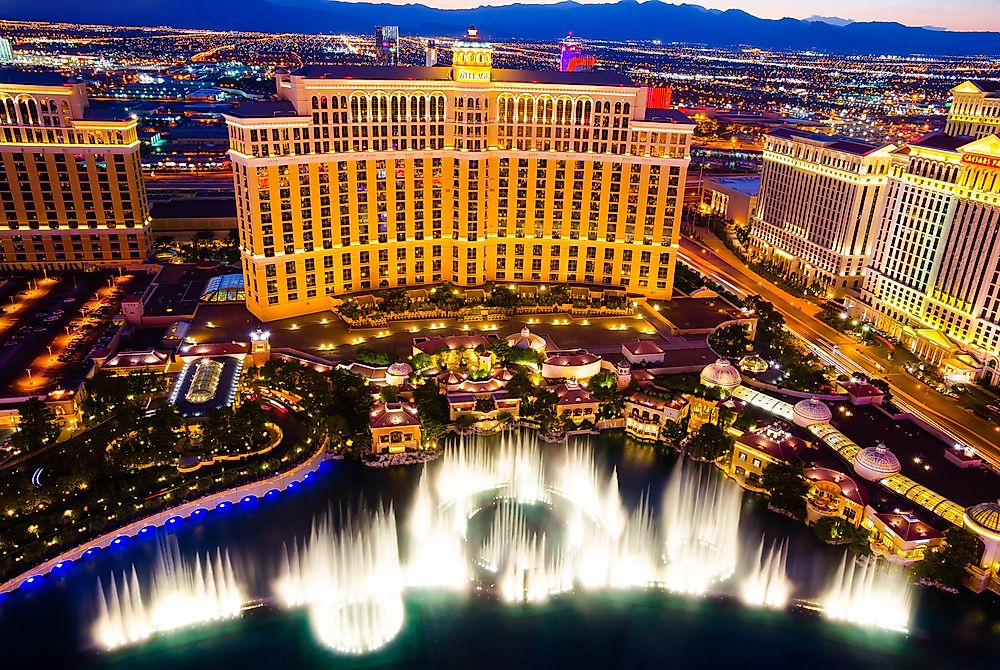
On the Las Vegas Strip alone, there are approximately 30 to 40 major resort complexes. These are not merely hotels; they are massive structural feats that include convention centers, shopping malls, and thousands of square feet of gaming space. Iconic names like the Bellagio, Caesars Palace, and Wynn Las Vegas dominate this landscape, each contributing thousands of rooms to the city’s total capacity.
Downtown Las Vegas and the Fremont Street Experience
Moving away from the modern glitz of the Las Vegas Strip, Downtown Las Vegas offers a more concentrated and historic collection of hotels. Centered around the Fremont Street Experience, this area contains approximately 20 to 25 hotels. While these properties are generally smaller than their Las Vegas Strip counterparts, they provide a significant portion of the city’s mid-range and budget-friendly inventory.
Properties such as the Golden Nugget Las Vegas and the more recently constructed Circa Resort & Casino represent the dual nature of downtown: a blend of vintage charm and high-tech modern luxury. The room count in Downtown Las Vegas continues to grow as the area undergoes a revitalization, attracting visitors who prefer a more walkable urban environment.
Boutique and Off-Strip Alternatives
Beyond the primary tourist corridors lie the “Off-Strip” hotels and suburban resorts. These include massive properties like Rio Hotel & Casino and the Westgate Las Vegas, which offer thousands of rooms but sit just a few blocks away from the main boulevard. Additionally, luxury local resorts such as Red Rock Casino Resort & Spa cater to both tourists and locals, providing a high-end experience away from the congestion of the main tourist hubs. When you factor in the dozens of smaller franchise hotels—such as those operated by major chains—the number of individual hotel buildings in the Las Vegas valley climbs significantly.
Categorizing the Giants: Mega-Resorts and Iconic Properties
The sheer volume of hotels in Las Vegas is best understood through categorization. The city has perfected the “Mega-Resort” model, where the hotel is the destination itself. These properties are designed to keep guests on-site by providing every imaginable amenity within a single footprint.
The All-In-One Resort Model
The Mandalay Bay and Luxor Hotel and Casino are prime examples of the mega-resort philosophy. These properties often feature multiple “sub-hotels” within their towers. For instance, Delano Las Vegas is located within the Mandalay Bay complex, offering a non-gaming, all-suite experience while sharing the larger resort’s infrastructure. Similarly, Resorts World Las Vegas houses three distinct Hilton brands—Las Vegas Hilton, Conrad Las Vegas, and Crockfords Las Vegas—under one roof, totaling over 3,500 rooms.
Luxury Suites and High-End Amenities
For those seeking exclusivity, the inventory includes ultra-luxury options. Aria Resort & Casino and the adjacent Vdara Hotel & Spa represent the modern era of Las Vegas hospitality, focusing on LEED-certified architecture and high-tech room controls. The Cosmopolitan of Las Vegas revolutionized the market with its residential-style terraces, offering a different type of room layout rarely seen on the Las Vegas Strip. These luxury hotels often prioritize their suite collections, featuring “Sky Villas” or “Mansions” that can span several thousand square feet, complete with private pools and 24-hour butler service.
The Impact of Global Brands
While homegrown brands like MGM Resorts International and Caesars Entertainment own a lion’s share of the rooms, the presence of global hospitality giants has increased. The Sahara Las Vegas and the Encore at Wynn Las Vegas showcase the high standards of international luxury. Properties like Paris Las Vegas, New York-New York Hotel & Casino, and Excalibur Hotel & Casino utilize themed architecture to differentiate themselves in a crowded market, essentially creating a “world tour” within the city limits.
The Evolution of Hospitality in the Mojave Desert
The history of how Las Vegas reached its current number of hotels is a story of constant demolition and rebirth. The city rarely lets a building sit idle; if a property is no longer meeting the demands of the modern traveler, it is often imploded to make way for something larger and more technologically advanced.
From Historic Inns to Modern Architectural Marvels
In the mid-20th century, hotels like the Flamingo Las Vegas set the stage for the resort-style hospitality that would define the city. Over the decades, the room count grew exponentially as the “Themed Era” took hold in the 1990s. This period saw the rise of Harrah’s Las Vegas, Horseshoe Las Vegas, and Planet Hollywood Resort & Casino. Each new development sought to outdo the previous one in terms of scale and spectacle. The transition from the mid-century Tropicana Las Vegas style to the sleek, glass-fronted towers of today reflects the changing tastes of global travelers.
Sustainability and Technological Integration
Modern hotels in Las Vegas are increasingly focused on sustainability and smart-room technology. With so many rooms to manage, efficiency is key. Properties like The Linq Hotel + Experience have integrated mobile check-in and digital keys to streamline the guest experience. Furthermore, the sheer volume of laundry, water usage, and energy consumption in a city with 150,000 rooms has led to Las Vegas becoming a leader in large-scale environmental management within the hospitality sector.
The Future of Las Vegas Accommodations
The number of hotels in Las Vegas continues to rise with the recent addition of Fontainebleau Las Vegas, a project that added nearly 4,000 rooms to the north end of the Las Vegas Strip. Future developments are always on the horizon, with vacant lots and older structures constantly being scouted for the next multi-billion dollar investment. Even established properties like Circus Circus Las Vegas undergo periodic renovations to maintain their place in the city’s vast inventory.
In conclusion, while the specific number of hotels in Las Vegas fluctuates due to new openings and rebranding, the city’s capacity remains unparalleled. Whether you are looking for the historic halls of Downtown Las Vegas or the cutting-edge luxury of the Las Vegas Strip, the sheer variety and volume of hotels ensure that the city can accommodate millions of visitors every year. The landscape of Las Vegas hospitality is not just about the number of buildings, but about the incredible diversity of experiences housed within those thousands of walls. From the budget-conscious traveler to the high-roller seeking a private villa, the hotels of Las Vegas stand as a testament to the city’s enduring status as a titan of the global hotel industry.
LifeOutOfTheBox is a participant in the Amazon Services LLC Associates Program, an affiliate advertising program designed to provide a means for sites to earn advertising fees by advertising and linking to Amazon.com. Amazon, the Amazon logo, AmazonSupply, and the AmazonSupply logo are trademarks of Amazon.com, Inc. or its affiliates. As an Amazon Associate we earn affiliate commissions from qualifying purchases.