
The dream of a Hawaiian getaway often begins with a single, pressing question: “How long will it take to get there?” Hawaii, a remote archipelago nestled in the heart of the Pacific Ocean, offers an unparalleled escape into a world of vibrant culture, stunning landscapes, and serene beaches. Its very isolation, a key part of its mystique and appeal, means that reaching its shores involves a significant journey by air. Understanding the flight duration is crucial for planning, managing expectations, and ensuring a comfortable travel experience. This comprehensive guide will break down the variables influencing your flight time, provide estimates from major global hubs, and offer insights to make your journey to paradise as smooth as possible.
Unveiling the Journey: Understanding Flight Dynamics to Hawaii
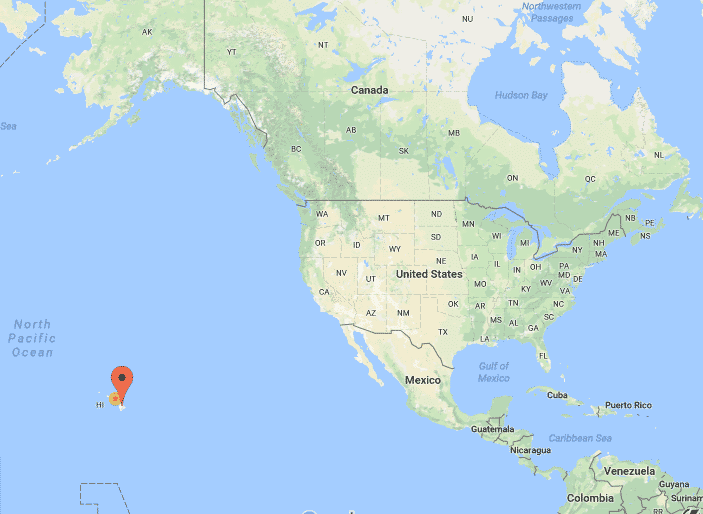
Embarking on a trip to Hawaii is more than just booking a ticket; it’s about anticipating the adventure. The flight itself is a substantial part of that adventure, often being the longest segment of many travelers’ itineraries. Given its geographical position, roughly 2,400 miles southwest of the United States mainland, flight times are naturally longer than most domestic routes. However, a range of factors can subtly or significantly alter the hours you’ll spend airborne.
Why Hawaii’s Isolation Shapes Your Flight Experience
Hawaii’s allure is inextricably linked to its remote location. As the most isolated population center on Earth, it stands as a testament to nature’s grandeur, far removed from continental landmasses. This geographical characteristic dictates that all international and most domestic journeys require a substantial amount of flight time. Unlike destinations reachable by a quick hop, a trip to Hawaii demands preparation for an extended period in the air, transforming the journey into an integral part of the travel experience itself. This distance fosters a sense of true escape, making the eventual arrival in the islands all the more rewarding.
Key Variables Influencing Flight Duration
Several critical factors contribute to the exact number of hours you’ll spend flying to Hawaii:
- Departure City: This is arguably the most significant variable. Flights originating from the United States West Coast are considerably shorter than those from the East Coast or international destinations.
- Direct vs. Connecting Flights: Non-stop flights are always the fastest. Connecting flights, while sometimes more affordable, add layover time and often increase the total travel duration significantly.
- Aircraft Type and Speed: Newer, more fuel-efficient aircraft often fly at higher cruising speeds, potentially shaving a few minutes or even an hour off longer routes. The specific model also dictates range and direct flight possibilities.
- Wind and Weather Conditions: Jet streams, powerful high-altitude winds, play a major role. Flights heading west (towards Hawaii) often fly against the jet stream, making them longer. Eastbound flights (returning from Hawaii) usually benefit from tailwinds, shortening their duration. Adverse weather can also necessitate detours, adding time.
- Air Traffic Control (ATC) and Route Optimization: ATC directives, take-off and landing queues, and slight adjustments to flight paths for efficiency or avoidance of turbulence can all have minor impacts on the total flight time.
Direct Flight Durations from Major Global Hubs
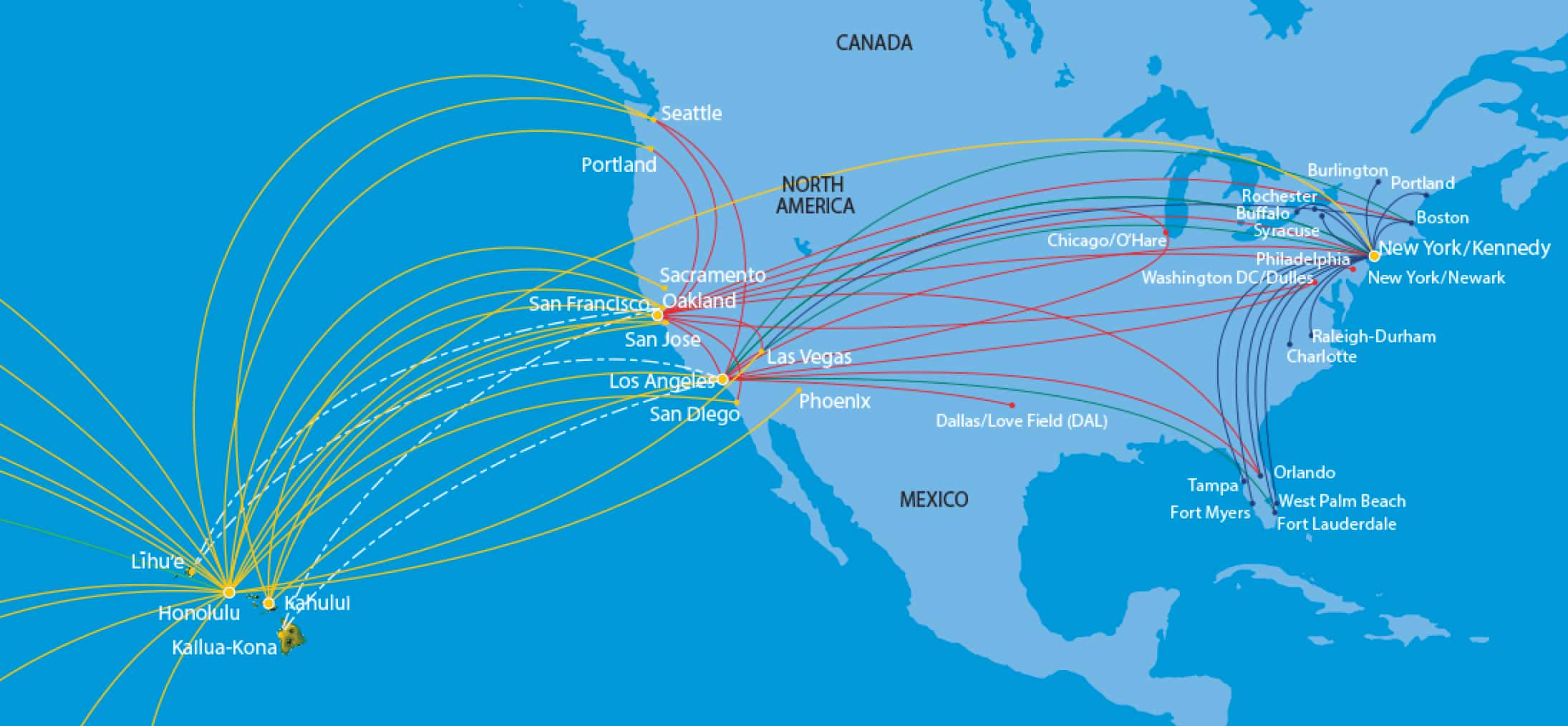
For most travelers, especially those from North America, direct flights offer the quickest and most convenient route to Hawaii. While Honolulu (specifically Daniel K. Inouye International Airport on Oahu) is the primary gateway, direct flights are also available to Maui, Kauai, and the Big Island from select cities.
West Coast North America: The Quickest Routes
The West Coast of the United States and Canada serves as the primary jumping-off point for flights to Hawaii, offering the shortest direct flight times.
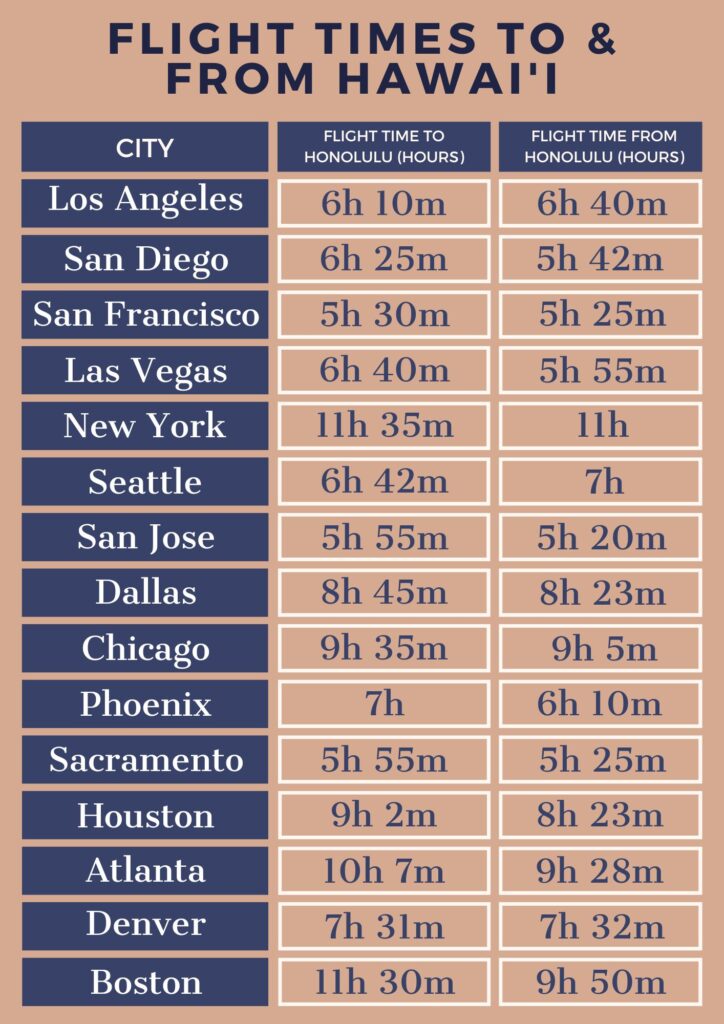
- Los Angeles (LAX) / San Francisco (SFO) / Seattle (SEA) / Vancouver (YVR): Expect direct flights from these major hubs to average 5.5 to 6 hours to Honolulu. Flights to Maui, Kauai, or the Big Island are typically in the same range, sometimes slightly longer depending on the specific island. These are the most common and generally most affordable routes due to high demand and competition.
Mid-America and Central North America Departures
As you move further east, flight times increase due to the greater distance.
- Chicago (ORD) / Dallas (DFW) / Houston (IAH): Direct flights from these central hubs usually range from 8 to 9 hours. While fewer direct options exist compared to the West Coast, they provide a convenient alternative to connecting flights for travelers in the central United States.
East Coast North America: The Longest Domestic Haul
For travelers starting on the East Coast, the journey to Hawaii is a true long-haul domestic flight, comparable in duration to many transatlantic routes.
- New York City (JFK/EWR) / Boston (BOS) / Miami (MIA): Direct flights from these cities can take anywhere from 10 to 11.5 hours to reach Honolulu. These are among the longest regularly scheduled domestic flights in the world, requiring significant planning for comfort and entertainment.
Key International Gateways
While North America accounts for the majority of tourist traffic, Hawaii is also a significant destination for travelers from Asia and Oceania, with direct flights available from several major cities.
- Tokyo (NRT/HND), Japan: Direct flights typically take 7 to 8 hours.
- Sydney, Australia: Direct flights are generally around 9.5 to 10 hours.
- Auckland, New Zealand: Expect direct flights to be in the range of 8.5 to 9 hours.
Navigating Connecting Flights and Total Travel Time
For many, direct flights may not be available or may be prohibitively expensive. This means factoring in connecting flights, which significantly increase the total travel time. While the flight segments themselves might be shorter, layovers can add substantial hours to your journey.
The Dynamics of Layover Times
A connecting flight means a stopover at an intermediate airport, typically on the West Coast of the United States for travelers from further east.
- Short Layovers (1-2 hours): These are ideal for minimizing total travel time but come with the risk of missing your connection due to delays in the first segment.
- Medium Layovers (3-5 hours): Offer a comfortable buffer, allowing time to deplane, navigate the airport, grab a meal, and relax without undue rush.
- Long Layovers (6+ hours): While sometimes necessary, these can be tiresome. Consider if a slightly more expensive direct flight or a different connection might save you time and energy. For very long layovers, some travelers might opt for an overnight stay in the connecting city, breaking up the journey.
When calculating your total travel time, remember to add the actual flight durations of all segments plus the full duration of any layovers. A flight from New York City to Honolulu with a 3-hour layover in Los Angeles could easily stretch to 14-16 hours or more of total journey time.
Optimizing Your Long-Haul Flight to Hawaii
Given the significant flight duration, especially for those originating from the East Coast or internationally, preparing for a long flight is essential for a pleasant start to your Hawaii vacation.
Pre-Flight Preparations for Comfort
Thoughtful planning before you even step foot on the plane can make a world of difference.
- Choose Your Seat Wisely: If possible, select an aisle seat for easy access to the lavatory and stretching, or a window seat for leaning and privacy. Exit row or bulkhead seats offer more legroom but often come with restrictions.
- Pack Smart for Carry-On: Include essentials like a neck pillow, eye mask, earplugs/noise-cancelling headphones, a light blanket or shawl, and any personal medications. Don’t forget chargers for your devices.
- Dress in Layers: Airplane cabins can vary in temperature. Dressing in comfortable, loose layers allows you to adjust easily.
- Hydrate and Snack: Purchase a large bottle of water after security and bring your own healthy snacks to avoid dehydration and relying solely on airline food.
Onboard Strategies for a Pleasant Journey
Once airborne, proactive measures can combat fatigue and boredom.
- Stay Hydrated: Continue drinking water throughout the flight. Avoid excessive alcohol and caffeine, which can contribute to dehydration and disrupt sleep patterns.
- Move Around: Every 1-2 hours, get up and walk the aisle to promote circulation and prevent stiffness. Perform simple stretches in your seat.
- Entertain Yourself: Load up your tablet or phone with movies, TV shows, podcasts, audiobooks, or e-books. Consider puzzles or games. Many airlines offer extensive in-flight entertainment, but having personal options is always a good backup.
- Attempt to Sleep: If it’s a red-eye or a long daytime flight, try to get some rest. Use your eye mask and earplugs. If your destination is Hawaii, try to adjust your sleep schedule to local Hawaiian time a day or two before departure.
Battling Jet Lag for a Seamless Arrival
The time difference can be substantial, leading to jet lag upon arrival. Hawaii uses Hawaii Standard Time (HST), which is often 2-3 hours behind the West Coast, 5-6 hours behind the Central United States, and 6 hours behind the East Coast. For international travelers, the difference can be even more pronounced.
- Adjust Before You Go: Gradually shift your sleep schedule a few days before your trip by going to bed and waking up earlier or later, depending on your direction of travel.
- Hydrate and Avoid Alcohol: As mentioned, staying hydrated on the flight is crucial.
- Sunlight Exposure: Upon arrival, expose yourself to natural light as much as possible, especially in the morning. This helps reset your circadian rhythm.
- Stay Active: Gentle activity, like a walk on Waikiki Beach, can help you feel more alert and less groggy.
- Stick to Local Time: Try to eat meals and go to sleep according to Hawaii time from day one, even if you’re not hungry or tired at your usual times. Napping should be short and early in the day if necessary.
In conclusion, the flight to Hawaii is a significant part of the adventure, ranging from a brisk 5.5 hours from the West Coast to an extended 11.5 hours from the East Coast, and varying durations from international departure points. By understanding these flight times, preparing for the journey, and implementing strategies to minimize discomfort and jet lag, you can ensure that your arrival in the Aloha State is as refreshing and joyful as the destination itself.
LifeOutOfTheBox is a participant in the Amazon Services LLC Associates Program, an affiliate advertising program designed to provide a means for sites to earn advertising fees by advertising and linking to Amazon.com. Amazon, the Amazon logo, AmazonSupply, and the AmazonSupply logo are trademarks of Amazon.com, Inc. or its affiliates. As an Amazon Associate we earn affiliate commissions from qualifying purchases.