
Understanding what constitutes a part-time job in California is crucial for anyone considering employment in the Golden State, whether they are residents, new transplants, or individuals seeking flexible work arrangements to complement their desired lifestyle. Unlike a universal federal standard, the definition of part-time work in California often hinges on a combination of federal guidelines, state regulations, and, significantly, individual company policies. For many, a part-time role offers the flexibility to pursue education, manage family responsibilities, explore personal interests, or simply enjoy the unique opportunities California offers without the full-time commitment.

Defining Part-Time Employment in the Golden State
The seemingly straightforward question of how many hours a part-time job entails doesn’t have a single, definitive number in California law. Instead, it’s generally understood through common practice and regulatory frameworks that differentiate it from full-time employment.
Federal vs. California Standards
At the federal level, the Fair Labor Standards Act (FLSA) does not explicitly define full-time or part-time employment. It primarily sets minimum wage, overtime pay, recordkeeping, and child labor standards. Most employers, for purposes of benefits eligibility, commonly consider full-time work to be 35 to 40 hours per week. Consequently, any employment falling below this threshold is generally considered part-time.
California state law similarly does not provide a rigid definition for part-time work. However, like federal guidelines, it implicitly acknowledges the distinction through various labor codes and regulations. For instance, eligibility for certain benefits, such as health insurance or retirement plans, often depends on whether an employee consistently works a certain number of hours per week, typically 30 or more for full-time benefit eligibility. Therefore, in practical terms, a part-time job in California typically means working fewer than 30-40 hours per week. Common part-time schedules often range from 10-29 hours, offering a spectrum of flexibility.
Employer-Specific Policies
While state and federal guidelines set a broad context, the most direct answer to “how many hours is a part-time job?” often comes down to the individual employer’s policy. Companies establish their own criteria for defining part-time versus full-time status, primarily because these definitions impact benefits eligibility, paid time off accrual, and other employment perks.
Some employers might classify anyone working less than 32 hours a week as part-time, while others might set the threshold at 40 hours. This variability means that while searching for part-time work in California, it’s essential to clarify the specific hour requirements and benefit structures with potential employers. This understanding is critical for individuals whose lifestyle choices hinge on a particular work-life balance or who rely on specific benefits.
The Lifestyle Implications of Part-Time Work
For many, opting for part-time employment in California is a deliberate lifestyle choice. The state’s diverse geography, vibrant cultural scene, and numerous opportunities for recreation make flexibility a highly valued commodity.
Flexibility for Exploration and Leisure
California offers an unparalleled array of experiences, from the beaches of San Diego to the vineyards of Napa Valley, and the bustling urban centers of Los Angeles and San Francisco. Part-time work provides the necessary time off to explore these attractions, pursue outdoor activities like hiking in the Sierra Nevada mountains, or simply enjoy the state’s pleasant climate. This flexibility can significantly enhance one’s quality of life, allowing for spontaneous day trips, extended weekends, or the pursuit of hobbies that a full-time schedule might preclude. For those who prioritize personal enrichment and leisure, part-time work serves as a practical gateway to a more balanced and fulfilling lifestyle.
Balancing Work with Education or Other Pursuits
California is home to world-renowned universities and colleges, attracting a large student population. Part-time jobs are often ideal for students needing to supplement their income while managing demanding academic schedules. The reduced hours allow them to attend classes, study, and participate in extracurricular activities without undue strain. Beyond formal education, part-time roles also support individuals pursuing creative arts, entrepreneurial ventures, caregiving responsibilities, or extensive volunteer work. This balance is a cornerstone of the Californian lifestyle for many, enabling them to build diverse portfolios of experience and commitments.
Supplemental Income for a California Lifestyle
While part-time work often means a lower overall income compared to full-time roles, it can be a vital component of a household’s financial strategy. For some, it serves as supplemental income to support a family, contribute to savings goals, or afford the higher cost of living in certain California cities. For others, it might be a stepping stone into a new career or a way to stay professionally engaged after retirement. Strategically combining part-time work with other income streams or lifestyle choices can provide a comfortable living while maintaining desired flexibility. Understanding how part-time earnings fit into the broader economic landscape of California is key to making informed decisions about one’s employment and living situation.
Legal Protections and Benefits for Part-Time Workers

Even without a strict legal definition of part-time, workers in California are afforded significant protections under state labor laws, ensuring fair treatment regardless of their employment status. These protections are critical for maintaining a stable and predictable lifestyle.
Minimum Wage and Overtime Considerations
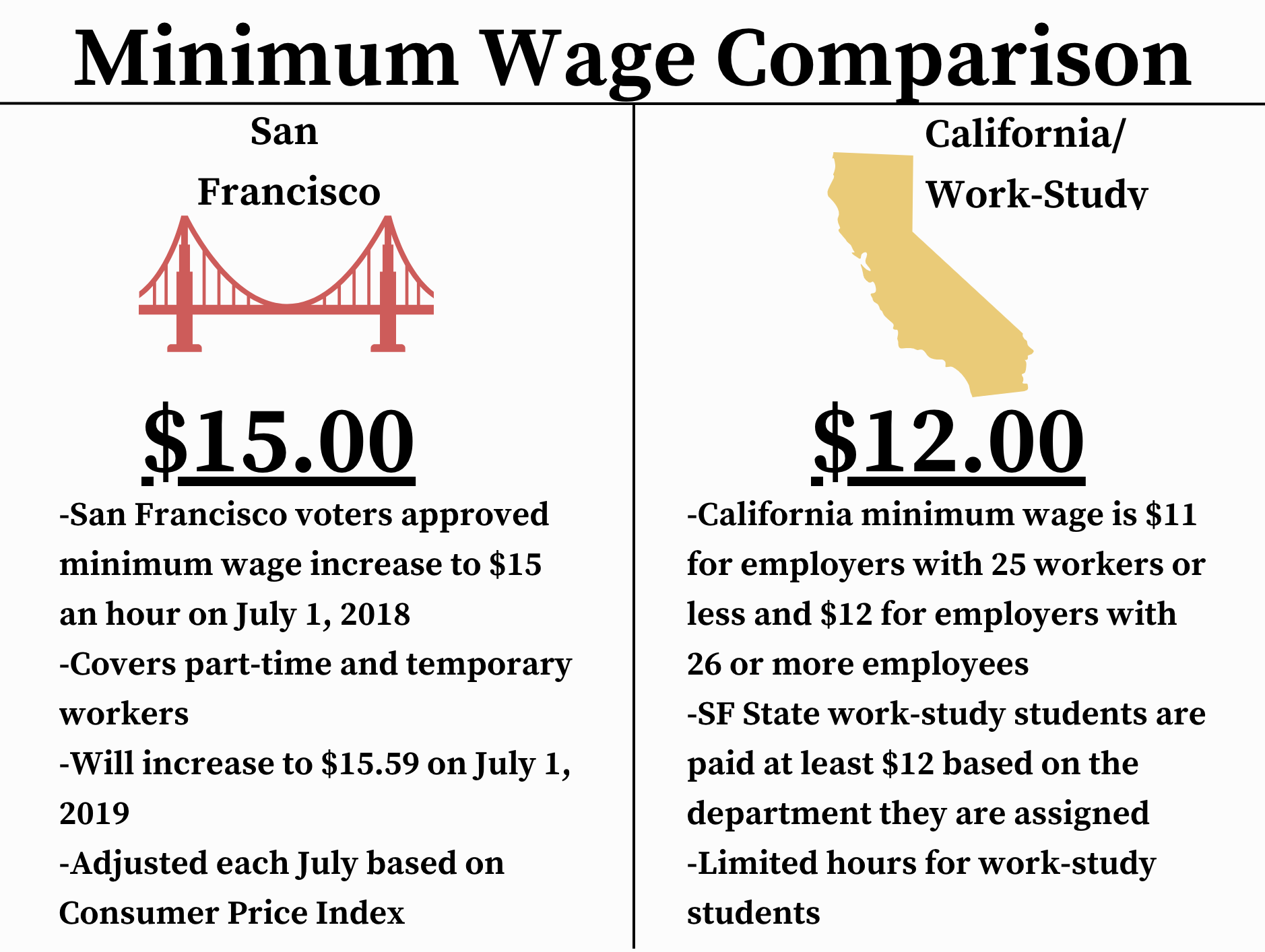
California has one of the highest state minimum wages in the United States, which applies to all employees, including part-time workers. Additionally, many cities and counties within California have their own local minimum wage ordinances that can be higher than the state rate. Employers must pay employees the highest applicable minimum wage.
Overtime laws in California are also quite robust. Non-exempt employees, whether full-time or part-time, are generally entitled to 1.5 times their regular rate of pay for:
- All hours worked over 8 hours in a workday.
- All hours worked over 40 hours in a workweek.
- The first 8 hours worked on the seventh consecutive day of work in a workweek.
- Double the regular rate of pay for all hours worked over 12 hours in a workday and for all hours worked over 8 hours on the seventh consecutive day of work in a workweek.
These overtime rules are crucial for part-time workers, as they ensure that if their hours fluctuate or if they pick up extra shifts, they are fairly compensated, contributing to their overall financial stability and ability to plan their lifestyle.
Paid Sick Leave and Other Mandated Benefits
California law mandates that all employees, including part-time workers, accrue paid sick leave. Employees accrue at least one hour of paid sick leave for every 30 hours worked. Employers can cap the amount of paid sick leave an employee can use in a year, but the accrual itself is continuous. This provision is a significant benefit for part-time employees, allowing them to take time off for illness or medical appointments without losing pay, thus providing a safety net that supports health and well-being, integral to a sustainable lifestyle.
Other important benefits that may apply to part-time workers, depending on their hours and specific circumstances, include:
- Meal and Rest Breaks: Employees are entitled to unpaid meal breaks for shifts over 5 hours and paid 10-minute rest breaks for every 4 hours worked.
- Paid Family Leave (PFL) and State Disability Insurance (SDI): These are state-administered insurance programs funded by employee payroll deductions. Eligible employees, including part-time workers who contribute, can receive wage replacement benefits when they need to take time off for family care, bonding with a new child, or their own non-work-related illness or injury.
- California Family Rights Act (CFRA): Similar to the federal Family and Medical Leave Act (FMLA), CFRA provides eligible employees with job-protected leave for family or medical reasons. Eligibility typically depends on the number of hours worked over a 12-month period.
Understanding Employer Obligations
While specific benefits like health insurance often depend on meeting full-time hour thresholds defined by the employer and federal laws like the Affordable Care Act, part-time employees in California should be aware of their rights regarding core labor protections. The Department of Industrial Relations (DIR) provides extensive resources on employee rights, ensuring transparency and enforcement of labor laws. For individuals structuring their lifestyle around part-time work, understanding these protections offers peace of mind and empowers them to advocate for their rights.
Navigating Part-Time Opportunities in California’s Diverse Economy
California’s economy is vast and varied, offering numerous part-time opportunities across a multitude of sectors. This diversity allows individuals to find roles that align with their skills, interests, and desired lifestyle.
Key Industries for Part-Time Roles
Several industries in California are particularly conducive to part-time employment:
- Retail and Hospitality: Given California’s robust tourism industry and large population centers like Los Angeles, San Francisco, and San Diego, these sectors consistently offer part-time positions in stores, restaurants, hotels, and entertainment venues. These roles often provide flexible shifts, making them attractive for students or those seeking supplementary income.
- Healthcare: With a growing aging population and a strong focus on public health, the healthcare sector frequently hires part-time administrative staff, medical assistants, nurses, and caregivers. These positions can offer stable hours and competitive pay.
- Education: From K-12 schools to community colleges and universities, there’s a constant demand for part-time tutors, teaching assistants, administrative support, and adjunct instructors. These roles are often ideal for those with specialized knowledge or academic commitments.
- Tech and Freelance Gigs: In innovation hubs like Silicon Valley, many companies, especially startups, utilize part-time or contract workers for specialized projects in areas such as software development, marketing, graphic design, and content creation. The gig economy also thrives in California, offering flexible opportunities in ride-sharing, food delivery, and various on-demand services, aligning perfectly with a highly adaptable lifestyle.
Finding the Right Fit for Your Lifestyle
When seeking part-time work in California, it’s important to consider not just the number of hours, but also how the role integrates with your broader lifestyle goals. Questions to ask include:
- Does the schedule offer the flexibility I need for personal commitments, education, or leisure activities?
- Are the wages sufficient to meet my financial needs or supplement my income effectively?
- Does the job provide opportunities for skill development or career advancement, even in a part-time capacity?
- Does the employer offer any benefits, even if not full-time, such as paid time off or flexible spending accounts?
Networking, utilizing online job boards specific to California (like those for Los Angeles or San Francisco), and directly contacting companies in your desired industry are effective strategies for finding suitable part-time roles.
The Future of Part-Time Work in California
The landscape of work in California is continually evolving, with a growing emphasis on flexibility and work-life integration. The rise of remote work and the gig economy further expands the possibilities for part-time employment, allowing individuals to work for California-based companies from anywhere or to piece together multiple part-time roles to create a customized work schedule. As the state continues to attract diverse talent and innovate in various sectors, part-time jobs will remain a vital component of its workforce, supporting a wide range of lifestyles and personal aspirations within the dynamic environment of California.
LifeOutOfTheBox is a participant in the Amazon Services LLC Associates Program, an affiliate advertising program designed to provide a means for sites to earn advertising fees by advertising and linking to Amazon.com. Amazon, the Amazon logo, AmazonSupply, and the AmazonSupply logo are trademarks of Amazon.com, Inc. or its affiliates. As an Amazon Associate we earn affiliate commissions from qualifying purchases.