
The concept of “full time” employment is a cornerstone of professional life across the United States, but in the Golden State, it carries particular nuances that can significantly impact lifestyle, travel opportunities, and accommodation choices. California is renowned for its progressive labor laws, its vibrant economy, and its magnetic appeal as a global hub for innovation, culture, and breathtaking natural beauty. For anyone contemplating a move to this dynamic state, embarking on a long-term stay, or even just planning an extended working vacation, understanding the specifics of full-time hours is not just a matter of legal compliance but a crucial element in crafting a fulfilling life balance.
This guide delves into the definition of full-time work in California, exploring how these hours intersect with the state’s unique labor landscape and ultimately shape the decisions people make regarding their careers, leisure, and where they choose to call home—even temporarily. From the bustling tech corridors of Silicon Valley to the sun-drenched beaches of San Diego and the historic charm of San Francisco, the rhythm of full-time work plays a vital role in accessing the incredible experiences California has to offer.
Understanding the Foundation: What “Full Time” Really Means in the Golden State
At its core, the definition of full-time employment might seem straightforward, yet California’s robust legal framework introduces layers of consideration, especially concerning benefits, breaks, and overtime. For residents and those considering a professional journey in the state, grasping these fundamentals is essential for planning a stable and enjoyable lifestyle.
The Standard 40-Hour Workweek
The universally accepted standard for full-time employment in the United States, and by extension in California, is 40 hours per week. This typically translates to five 8-hour days, Monday through Friday, though schedules can vary depending on the industry and employer. While 40 hours is the common benchmark for qualifying for employer-sponsored benefits like health insurance, paid time off, and retirement plans, it’s worth noting that some employers might define full-time as slightly less (e.g., 32 or 35 hours) or more than 40 hours for their own internal benefit structures, though the 40-hour mark remains the most prevalent.
For many professionals, this 40-hour structure provides a predictable rhythm, allowing them to carve out weekends and evenings for personal pursuits, local tourism, or short getaways. The stability of a full-time role often underpins the ability to afford living in desirable areas, secure comfortable accommodation, and plan for richer travel experiences throughout the state’s diverse landscapes.
Navigating California’s Strict Labor Laws
What sets California apart are its comprehensive and often more protective labor laws compared to federal standards. These regulations significantly impact the experience of a full-time employee. Key considerations include:
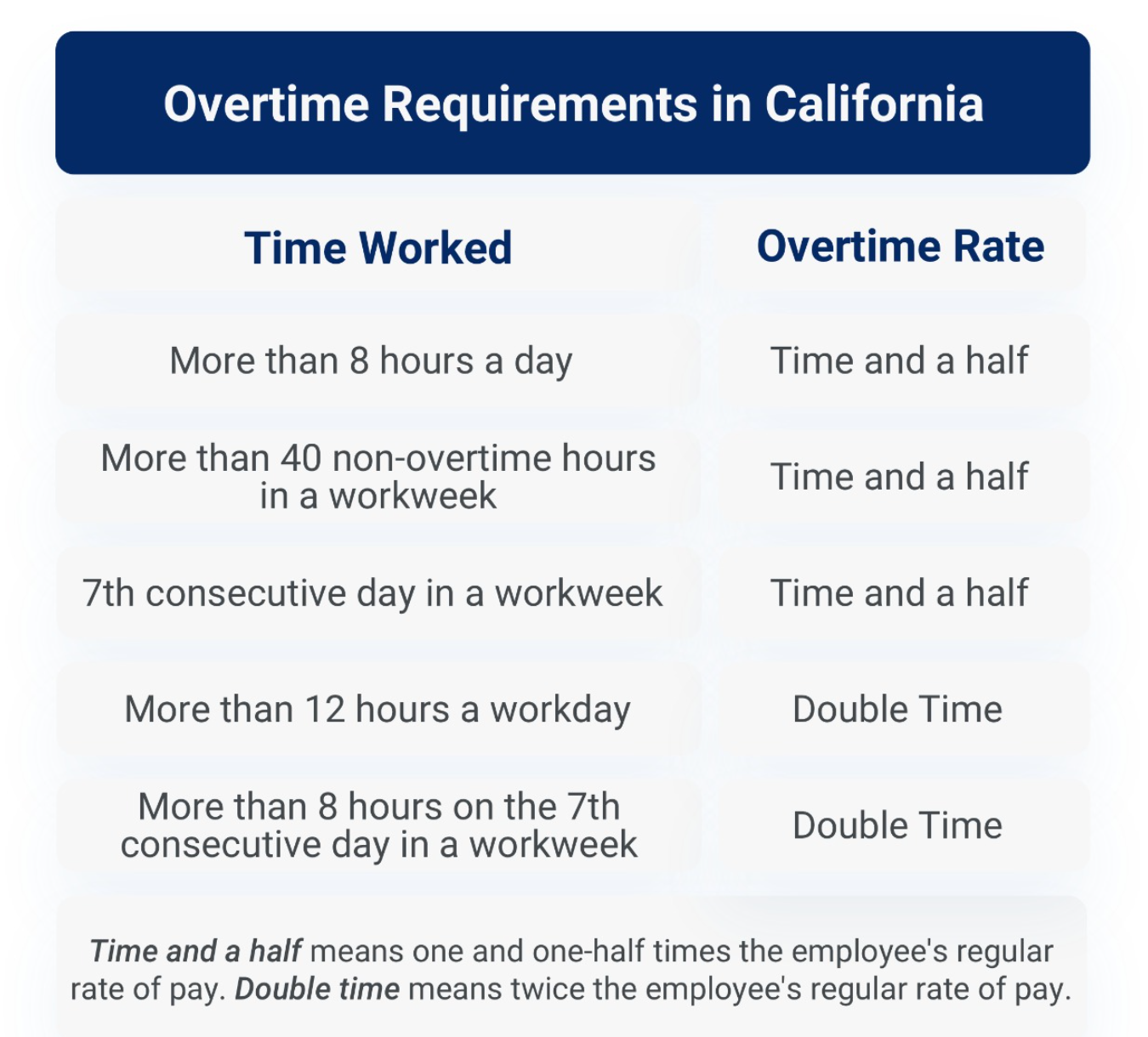
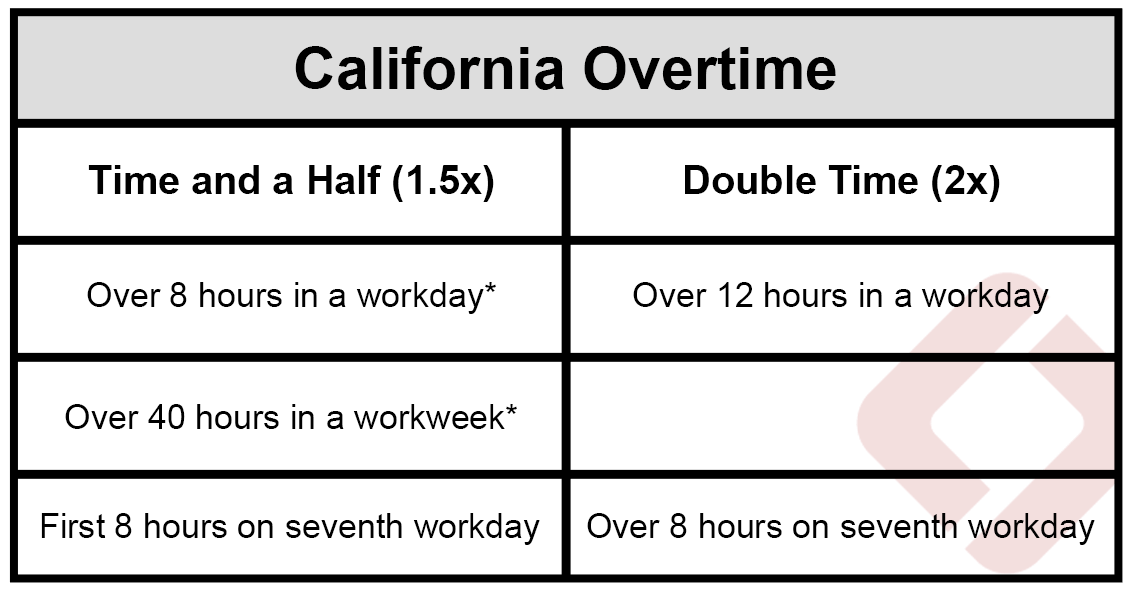
- Overtime Pay: For non-exempt employees (those eligible for overtime), any hours worked beyond 8 in a workday or 40 in a workweek must be compensated at 1.5 times their regular rate of pay. Furthermore, any hours worked beyond 12 in a workday, or any hours worked on the seventh consecutive day of work in a workweek, are typically paid at double the regular rate. This is a critical factor for workers, especially in industries with fluctuating demands like hospitality or event management, where overtime can significantly boost earnings.
- Meal and Rest Breaks: California mandates specific meal and rest periods for non-exempt employees. Generally, a 30-minute unpaid meal break must be provided for shifts over five hours, and a 10-minute paid rest break for every four hours worked. These structured breaks are vital for employee well-being and contribute to a healthier work-life balance, allowing for short mental resets even during a busy workday.
- Exempt vs. Non-Exempt Status: The distinction between exempt and non-exempt employees is crucial. Exempt employees, typically salaried professionals who meet specific duties and salary thresholds (which are among the highest in the nation in California), are not entitled to overtime pay or mandated meal/rest breaks. Understanding this classification is key for professionals assessing their total compensation and the true demands of a full-time role.
These stringent labor laws are designed to protect workers, ensuring fair compensation and adequate time for rest. For someone considering a move to California, familiarity with these rules is paramount, particularly when evaluating job offers or planning a long-term professional engagement.
Beyond the Basics: Flexibility, Lifestyle, and Economic Realities
While the 40-hour week is the standard, the modern workforce, especially in California, is increasingly defined by flexibility and a strong emphasis on work-life integration. The state’s economic landscape, coupled with its aspirational lifestyle, often leads individuals to seek arrangements that allow for both professional growth and personal enrichment.
The Rise of Remote Work and Flexible Schedules
The past few years have accelerated the adoption of remote work, and California, with its tech-forward culture, has been at the forefront of this shift. Many full-time roles now offer hybrid or fully remote options, allowing employees greater flexibility in their daily schedules and even their geographic location. This can mean:
- Geographic Freedom: A full-time remote worker might be based in Los Angeles but choose to spend a month working from a vacation rental near Lake Tahoe or a quiet beach town in Santa Barbara, blurring the lines between work and leisure. This “bleisure” trend is especially popular among those seeking to experience California’s diverse destinations without dipping into precious PTO.
- Compressed Workweeks: Some employers offer compressed schedules, allowing employees to work longer hours over fewer days (e.g., four 10-hour days) to enjoy a three-day weekend. This provides an invaluable opportunity for more extended travel within the state, whether it’s a road trip along Big Sur or a wine-tasting excursion in Napa Valley.
- Digital Nomad Lifestyle: For those with full-time remote positions, California can become a base for a digital nomad lifestyle, with accommodation ranging from serviced apartments in vibrant cities to secluded cabins near national parks like Yosemite National Park. This blend of work and continuous exploration epitomizes a modern, flexible approach to full-time employment.
Work-Life Balance and the California Dream
The “California Dream” often evokes images of sunny days, outdoor adventures, and a relaxed pace of life. While the reality of working full-time in a high-cost-of-living state can be demanding, many employers and employees prioritize work-life balance. Access to a myriad of natural wonders, cultural attractions, and recreational activities makes the push for balance even more pronounced.
Full-time schedules in California are frequently designed to accommodate this lifestyle. Companies often offer generous paid time off, mental health days, and even perks like gym memberships or wellness programs. The goal is to ensure employees have ample opportunity to explore attractions like the Golden Gate Bridge in San Francisco, hike through Death Valley National Park, or simply enjoy the vibrant culinary scenes in cities like Los Angeles and Sacramento. This emphasis on well-being enhances the overall lifestyle experience for full-time workers.
The Impact on Travel and Leisure
For many full-time employees, the structure of their workweek directly dictates their ability to travel and engage in leisure activities. The standard 40-hour week typically allows for two full days off, ideal for weekend trips to nearby destinations or for exploring local attractions. However, those with more flexible or remote arrangements can extend their adventures.
- Weekend Getaways: A common pattern involves dedicating weekends to exploring destinations like the theme parks in Anaheim (e.g., Disneyland Resort) or a quick escape to the desert oasis of Palm Springs.
- Extended Vacations: Accrued paid time off allows for longer explorations, from a week-long tour of the California coast, staying at iconic hotels like the Fairmont San Francisco or the historic Hotel del Coronado, to international trips.
- Bleisure Travel: Business travelers frequently extend their trips to incorporate leisure, turning a work assignment in Hollywood into an opportunity to visit the Hollywood Sign or Universal Studios Hollywood. This blending of business and leisure is a growing trend, heavily influenced by the flexibility offered by modern full-time roles.
Full-Time Work in California’s Vibrant Travel & Tourism Sector
California’s tourism industry is a massive employer, offering numerous full-time opportunities across various segments. From luxury resorts to bustling city attractions, understanding the demands and benefits of full-time roles in this sector is vital for those looking to immerse themselves in the state’s hospitality landscape.
Opportunities in Hotels, Resorts, and Attractions
Many roles within California’s hotels, resorts, and tourist attractions are full-time, providing stable employment. These can range from front desk staff and concierge services to event planners and culinary professionals. Working full-time in this sector often means:
- Varied Schedules: While still adhering to the 40-hour standard, schedules might be less conventional, including evenings, weekends, and holidays, particularly in 24/7 operations like major hotels or resorts. For example, positions at a resort like The Ritz-Carlton, Laguna Niguel or a city hotel like the Beverly Wilshire, A Four Seasons Hotel might require flexibility.
- Employee Perks: Full-time employees in hospitality often receive attractive perks, such as discounted hotel stays, free admission to attractions, or reduced rates on services. These benefits can significantly enhance their ability to experience California’s offerings without impacting their personal budget.
- Career Growth: The tourism sector provides ample opportunities for full-time career advancement, from entry-level positions to management roles, making it an appealing choice for those seeking long-term professional stability within a dynamic industry.
Seasonal and Long-Term Stays for Professionals
Beyond permanent roles, California’s tourism-driven economy also supports full-time seasonal work, particularly in regions that experience peak seasons, such as ski resorts in winter or coastal towns in summer. For professionals, this can mean a full-time commitment for several months, often accompanied by accommodation options provided by the employer or recommendations for long-term rentals.
Moreover, many companies in California bring in full-time professionals on temporary contracts for specific projects, requiring them to relocate for several months. These individuals often seek comfortable and well-appointed accommodation that caters to extended stays, from corporate apartments to boutique hotels offering long-term rates. The “full-time” commitment here is project-based, blending professional dedication with the opportunity to live like a local and explore attractions like the Santa Monica Pier or Pier 39 during their downtime.
Planning Your California Journey: Work, Play, and Accommodation
Whether you’re moving to California for a full-time job, considering an extended working vacation, or simply want to understand the lifestyle of its residents, planning is paramount. The interplay between your full-time commitment and your personal aspirations will heavily influence your financial decisions, travel plans, and accommodation choices.
Budgeting for the Golden State: Full-Time Income Considerations
The cost of living in many parts of California, particularly in major metropolitan areas like Los Angeles and San Francisco, is notoriously high. A full-time income is often a necessity to comfortably cover expenses such as housing, transportation, and daily living. When budgeting, consider:
- Average Wages: Research average full-time salaries for your profession in specific California cities. Salaries often reflect the higher cost of living.
- Overtime Potential: In non-exempt roles, factoring in potential overtime can significantly impact your disposable income, allowing for more luxurious travel or dining experiences.
- Benefit Packages: Evaluate the full value of a benefits package, including health insurance, retirement contributions, and paid time off, as these contribute significantly to overall compensation and quality of life. A robust benefits package from a full-time role can alleviate financial burdens, freeing up resources for leisure and exploration.

Finding the Right Accommodation: From Short Stays to Relocations
Your full-time status and associated income will largely dictate your accommodation options in California.
- Short-Term Work Stays: For those on temporary full-time assignments, serviced apartments, extended-stay hotels, or boutique hotels with special long-term rates offer convenience and amenities that support a professional lifestyle. These often include Wi-Fi, workspaces, and proximity to business districts and local attractions like the Griffith Observatory or Alcatraz Island.
- Relocation and Long-Term Living: If moving for a permanent full-time role, consider the rental market for apartments or homes. Proximity to work, commute times, and access to desired amenities (parks, beaches, cultural centers) become crucial. Many full-time professionals opt for apartment complexes with facilities like gyms, pools, and co-working spaces, enhancing their work-life balance.
- Vacation Rentals: For remote full-time workers seeking a change of scenery, vacation rentals offer the flexibility of home-like accommodations, often with dedicated workspaces, allowing them to maintain their full-time schedule while exploring new environments.
In conclusion, “full time” in California is more than just a 40-hour workweek; it’s a gateway to a distinctive lifestyle shaped by progressive labor laws, a dynamic economy, and unparalleled opportunities for leisure and adventure. Understanding these interconnected elements is key to thriving in the Golden State, whether you’re a long-term resident, a new arrival, or a professional blending work with the abundant travel experiences that California so richly provides.
LifeOutOfTheBox is a participant in the Amazon Services LLC Associates Program, an affiliate advertising program designed to provide a means for sites to earn advertising fees by advertising and linking to Amazon.com. Amazon, the Amazon logo, AmazonSupply, and the AmazonSupply logo are trademarks of Amazon.com, Inc. or its affiliates. As an Amazon Associate we earn affiliate commissions from qualifying purchases.