
Understanding the Federal and State Landscape of Part-Time Employment
Navigating the nuances of part-time employment in Florida requires an understanding of both federal guidelines and the state’s specific approach. While the term “part-time” is commonly used, its precise definition can vary significantly, impacting everything from benefits eligibility to an individual’s lifestyle in the Sunshine State. For many, part-time work in Florida is not just about earning income, but about striking a balance that allows them to enjoy the state’s unique offerings.
The Federal Perspective: A Flexible Definition
At the federal level, there isn’t a universally mandated legal definition for what constitutes “part-time” employment. This flexibility means that employers across the United States, including those in Florida, often set their own internal policies regarding part-time status. However, certain federal laws and common practices provide de facto thresholds that influence how employers classify workers.
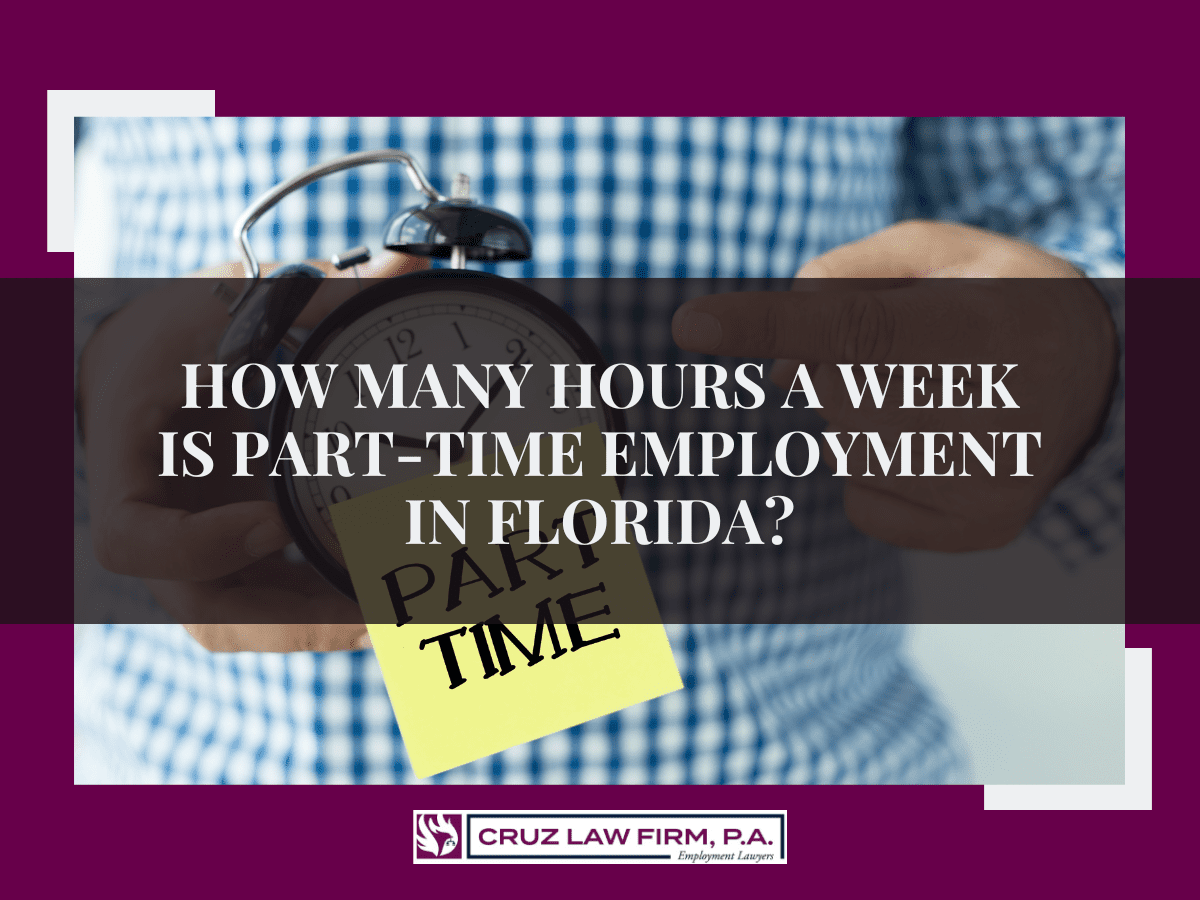
One of the most significant influences comes from the Affordable Care Act (ACA). Under the ACA, employers with 50 or more full-time equivalent employees are generally required to offer affordable health coverage to their full-time employees. For the purposes of the ACA, a “full-time employee” is typically defined as someone who works, on average, at least 30 hours per week, or 130 hours per month. Consequently, many employers categorize workers averaging fewer than these hours as “part-time” to manage their obligations under the ACA. This 30-hour benchmark has become a widely accepted industry standard, even though it’s not a direct federal mandate for all employment classifications.
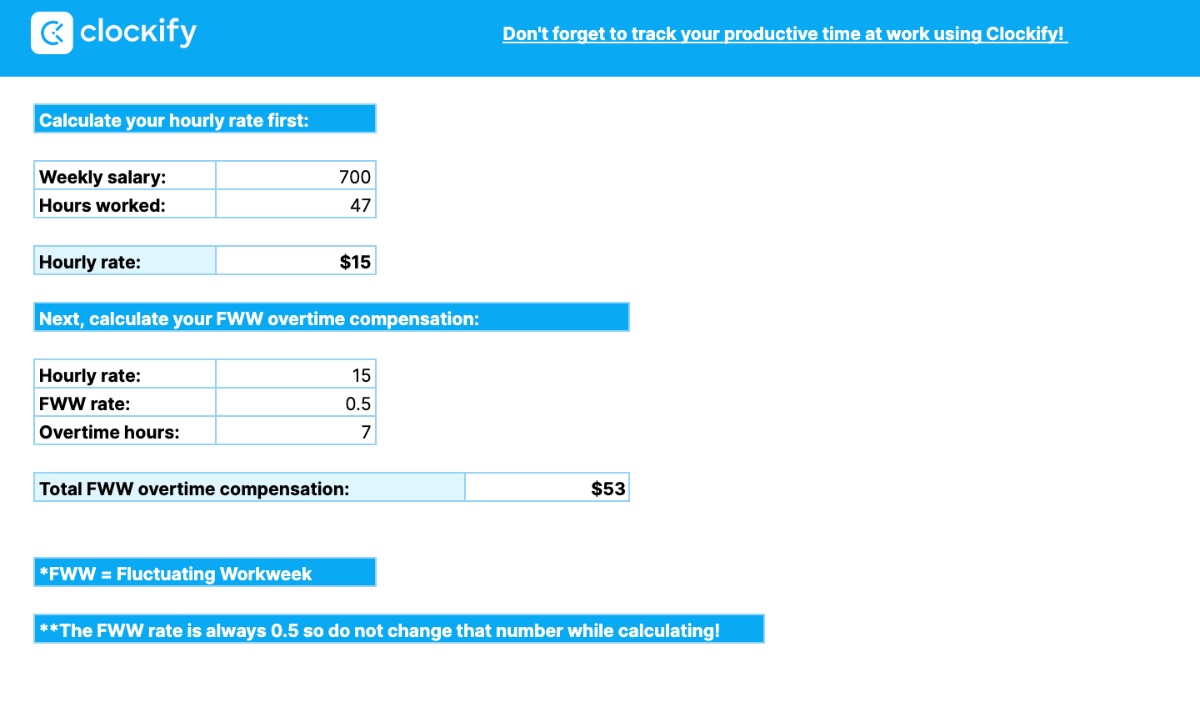
Beyond health insurance, federal labor laws, primarily the Fair Labor Standards Act (FLSA), govern minimum wage, overtime pay, and record-keeping for both full-time and part-time workers. The FLSA does not distinguish between full-time and part-time status when it comes to these core protections. For instance, any employee, regardless of their part-time classification, who works over 40 hours in a workweek must be paid overtime at 1.5 times their regular rate of pay, unless they are exempt from overtime rules.
Florida’s Approach: No State-Specific Hour Threshold
Mirroring the federal stance, Florida state law does not impose a specific number of hours that definitively defines part-time employment. This means that, within the parameters of federal law, employers in Florida retain the discretion to establish their own policies concerning what constitutes part-time or full-time work for their internal purposes.
While Florida does not set a part-time hourly limit, it does have state-specific regulations that impact all employees, including those working part-time. For example, Florida’s minimum wage is often higher than the federal minimum wage and is subject to annual adjustments. Part-time employees are entitled to receive at least the state’s minimum wage. Additionally, unemployment compensation and workers’ compensation laws apply to eligible part-time workers, ensuring a safety net in cases of job loss or work-related injury. The absence of a strict state definition for part-time hours places a greater emphasis on individual employer policies, making it crucial for job seekers to understand the terms of employment before accepting a position.
The Lifestyle Implications of Part-Time Work in the Sunshine State
For many, part-time employment in Florida is more than just a job; it’s a strategic choice that supports a desired lifestyle. The state’s unique appeal, from its vibrant cities to its serene beaches, draws individuals who prioritize flexibility and work-life balance.
Balancing Work and Leisure in Florida
Florida is renowned for its diverse attractions and year-round pleasant weather, making it an ideal location for those who want to integrate leisure seamlessly with their professional lives. Part-time work offers the flexibility to explore the state’s world-famous theme parks, spend afternoons on the beach, or pursue hobbies and personal interests. This balance is particularly attractive to several demographic groups.
Semi-retirees often choose part-time roles to supplement their income while still having ample time to enjoy their golden years in a relaxed environment. Students can balance their academic commitments with work, gaining valuable experience without sacrificing their studies. Furthermore, individuals seeking a deliberate shift towards a more balanced life find Florida’s part-time job market conducive to their goals. Whether it’s the opportunity to volunteer, spend more time with family, or simply enjoy the outdoors, part-time work in Florida facilitates a lifestyle that prioritizes personal well-being alongside professional engagement.
Seasonal Opportunities and Tourism
Florida’s economy is heavily bolstered by its robust tourism industry, which creates a significant demand for seasonal and part-time labor. From the bustling streets of Miami to the magical gates of Orlando’s resorts, the influx of visitors throughout the year, especially during peak seasons, generates numerous part-time roles.
Understanding part-time hours is critical for those looking to tap into this dynamic sector. Hospitality, retail, and entertainment venues frequently hire part-time staff to manage varying customer volumes. For example, the many resorts and attractions around Orlando and the vibrant hotel scene in South Florida consistently seek employees for roles ranging from guest services to food and beverage. Coastal communities like Sarasota also experience seasonal surges, requiring additional staff to cater to tourists. These roles often come with flexible schedules, allowing individuals to work during busy periods and enjoy more downtime during quieter months, aligning perfectly with a lifestyle focused on experiencing all Florida has to offer.
Practical Considerations for Part-Time Employment in Florida
While the flexibility of part-time work in Florida is appealing, understanding the practical aspects, especially regarding benefits and financial planning, is essential for a sustainable lifestyle.
Employer-Defined Benefits and Policies
Since neither federal nor Florida state law strictly defines part-time hours, employers largely dictate the benefits offered to these workers. This is where the 30-hour ACA threshold often comes into play. Employers frequently structure part-time roles to stay below this limit, primarily to avoid the mandate of providing health insurance.
However, some progressive employers may offer prorated benefits, such as paid time off (PTO), sick leave, or even contributions to retirement plans (like 401k matching), to their part-time staff, recognizing the value of these employees. It is imperative for individuals considering part-time work to thoroughly review an employer’s benefits package. The absence of comprehensive benefits can significantly impact an individual’s financial planning and overall well-being, particularly in a state where healthcare costs can be substantial. Understanding what benefits are (or are not) included is a key factor in assessing the true value of a part-time position.
Navigating Part-Time Income and Cost of Living
Florida’s cost of living can vary dramatically depending on the region. Urban centers like Miami and certain coastal areas typically have higher housing, transportation, and entertainment expenses, while more rural parts of the state might offer a lower cost of living. For those relying on part-time income, careful budgeting is crucial.
Many individuals use part-time work in Florida as supplementary income, perhaps to cover discretionary spending, save for specific goals, or complement other income sources like retirement funds. For others, particularly those who have intentionally chosen a less conventional work structure, part-time income might be their primary source. In such cases, living in areas with lower expenses or finding creative ways to manage costs becomes vital. Successfully living in Florida on a part-time income often involves a blend of smart financial planning, strategic housing choices, and taking advantage of the state’s many free or low-cost leisure activities.
Legal Protections and Employee Rights
Regardless of full-time or part-time status, employees in Florida are afforded certain legal protections. As mentioned, the state’s minimum wage laws apply to all workers. Overtime pay, mandated by the FLSA, is also a right for non-exempt employees who work more than 40 hours in a workweek, even if they are typically classified as part-time.
Furthermore, Florida workers’ compensation laws provide coverage for injuries or illnesses sustained on the job, irrespective of hours worked, provided the employer meets the statutory requirements for coverage. Similarly, part-time employees who meet specific eligibility criteria regarding earnings and hours worked may be eligible for unemployment benefits if they lose their job through no fault of their own. Understanding these rights is fundamental for any part-time employee to ensure they are treated fairly and legally compliant within the workplace.
Popular Part-Time Roles and Industries in Florida
Florida’s’s diverse economy offers a wide array of part-time opportunities across several key sectors, catering to various skill sets and lifestyle preferences.
Hospitality and Tourism Sector
Given Florida’s status as a global tourism hub, the hospitality and tourism sector is a perennial source of part-time employment. Roles commonly found here include front desk agents at hotels in Miami or Orlando, food and beverage staff in restaurants and bars, attractions operators at theme parks, housekeepers, and lifeguards. These positions often offer flexible shifts, making them attractive to students, seasonal residents, and individuals seeking supplementary income.
Retail and Service Industries
Shopping centers, boutiques, and service providers throughout Florida frequently rely on part-time staff. Retail sales associates, cashiers, customer service representatives, and personal service providers (e.g., salon stylists, spa therapists) are in high demand, particularly during holiday seasons and tourist influxes. These roles provide opportunities for those who enjoy direct customer interaction and contribute significantly to the local economy.
Healthcare and Education (Support Roles)
The healthcare and education sectors also offer various part-time support positions. Medical assistants, administrative staff in clinics and hospitals, patient transporters, and teaching assistants or aides in schools and universities provide vital services. These roles often require specific certifications or experience but can offer stable hours and contribute to essential community services, appealing to those with a passion for helping others.

Remote and Gig Economy Opportunities
The rise of the remote and gig economy has further expanded part-time possibilities in Florida. Many individuals leverage their skills for freelance work, consulting, or contract roles in fields like writing, graphic design, web development, or virtual assistance. Ride-sharing services, food delivery platforms, and other gig-based apps also provide flexible, on-demand earning opportunities, offering the ultimate freedom to blend work with Florida’s relaxed lifestyle. These roles are particularly appealing to digital nomads and those who prefer to set their own schedules and work from any location.
LifeOutOfTheBox is a participant in the Amazon Services LLC Associates Program, an affiliate advertising program designed to provide a means for sites to earn advertising fees by advertising and linking to Amazon.com. Amazon, the Amazon logo, AmazonSupply, and the AmazonSupply logo are trademarks of Amazon.com, Inc. or its affiliates. As an Amazon Associate we earn affiliate commissions from qualifying purchases.