
Alaska, often called “The Last Frontier,” is a land of unparalleled natural beauty and dramatic extremes. Among its most captivating phenomena is the extraordinary variation in daylight hours, a direct consequence of its high-latitude location on Earth. Far from the consistent day-night cycles experienced by much of the world, Alaska’s relationship with the sun is a captivating dance of long summer days, short winter twilight, and the mesmerizing spectacle of the Northern Lights. For travelers, understanding these unique light cycles is not just a matter of curiosity but a fundamental aspect of planning an unforgettable Alaskan adventure, influencing everything from activity choices to packing essentials and even the very rhythm of daily life.
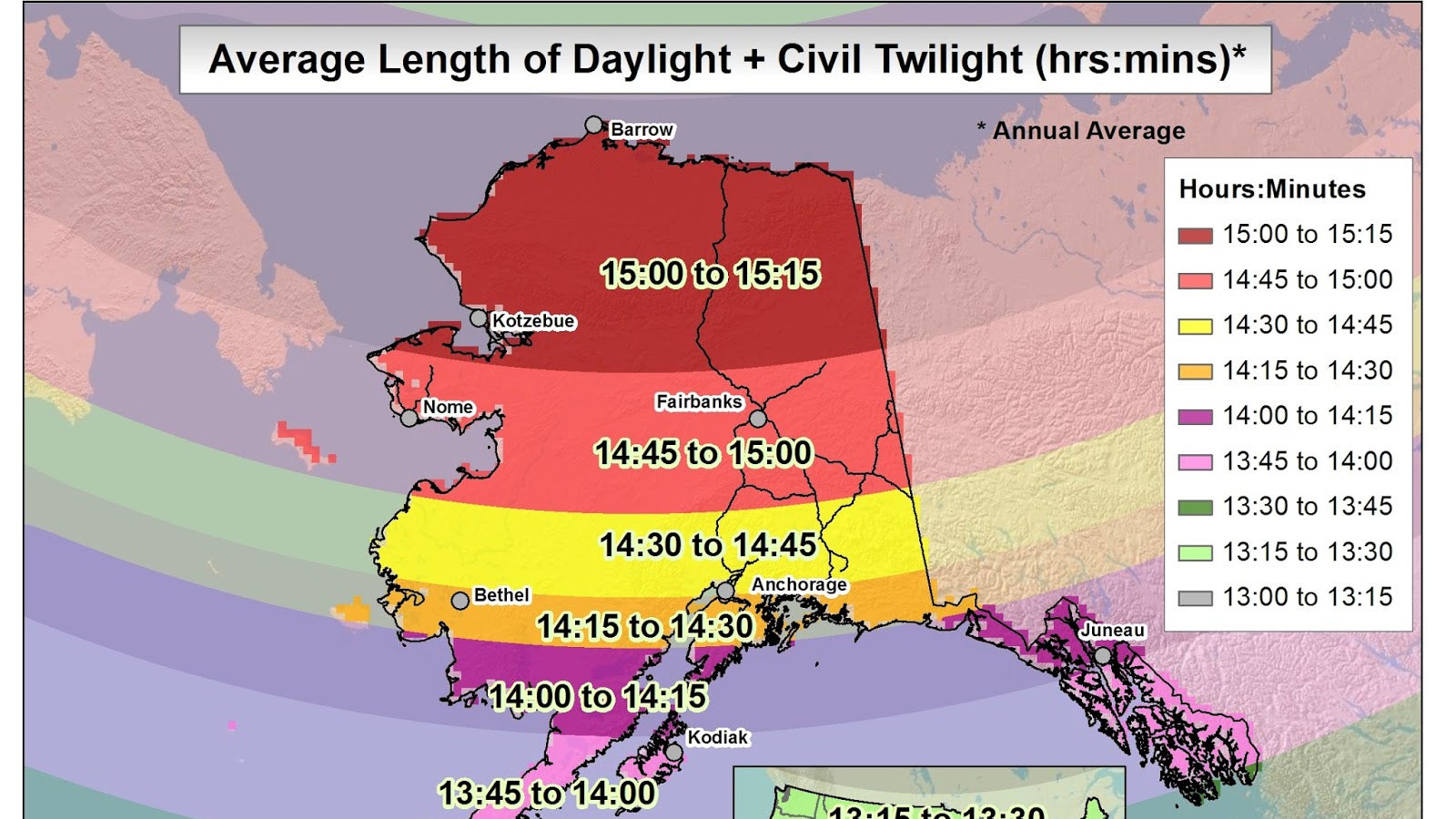
This article delves deep into the fascinating world of Alaskan daylight, exploring the scientific principles that govern its extremes, examining how light varies across the state’s diverse regions, and offering practical insights for tourists eager to make the most of their visit, whether bathed in the glow of the midnight sun or under the ethereal shimmer of the aurora. From the bustling streets of Anchorage to the remote reaches of Utqiagvik (formerly Barrow), the experience of light in Alaska is unlike anywhere else on Earth, promising unique challenges and unparalleled rewards for those who embrace its ever-changing sky.
Understanding Alaska’s Phenomenal Daylight Variations
The dramatic fluctuations in daylight hours across Alaska are a source of wonder and, for many first-time visitors, a significant adjustment. These extremes are not merely a curiosity but a fundamental aspect of Alaskan life and travel, profoundly shaping the landscape, its ecosystems, and the human experience.
The Science Behind the Extremes
At the heart of Alaska’s daylight phenomena lies the Earth’s axial tilt. Our planet spins on an axis tilted approximately 23.5 degrees relative to its orbital plane around the sun. As the Earth orbits the sun throughout the year, different parts of the globe are tilted either towards or away from the sun. Alaska’s high latitude, particularly its northern regions which extend beyond the Arctic Circle (66.5 degrees North), means it experiences the most pronounced effects of this tilt.
When the Northern Hemisphere is tilted towards the sun during summer, regions like Alaska receive continuous sunlight, leading to incredibly long days. Conversely, when the Northern Hemisphere tilts away from the sun in winter, these same regions plunge into extended periods of darkness. The further north one travels within Alaska, the more extreme these variations become, culminating in areas where the sun either never sets for weeks or never rises for months.
Summer Solstice: The Land of the Midnight Sun
The summer solstice, typically around June 20th or 21st, marks the peak of daylight hours in Alaska. It is during this period that the state truly earns its moniker as “The Land of the Midnight Sun.” In cities like Anchorage, the largest city in Alaska, residents and visitors can enjoy approximately 19-20 hours of direct daylight, with the remaining hours being a lingering twilight rather than true darkness. This means that even at midnight, the sky remains bright enough to read outdoors or play a round of golf.
Further north in Fairbanks, located closer to the Arctic Circle, the daylight extends even longer, reaching nearly 22 hours around the solstice, with only a brief, almost imperceptible period of dusk separating one day from the next. The ultimate manifestation of this phenomenon occurs in places like Utqiagvik, the northernmost city in the United States, where the sun rises in mid-May and does not set again for roughly 80 consecutive days. This continuous daylight fuels an explosion of life and activity, with plants flourishing, wildlife becoming highly active, and human communities making the most of the extended hours for outdoor pursuits.
Winter Solstice: Embracing the Long Darkness
The winter solstice, around December 21st or 22nd, presents the opposite extreme. During this time, Alaska experiences its shortest days and longest nights. In Anchorage, daylight shrinks to a mere 5-6 hours, often appearing as a low-angle twilight rather than direct sunlight. The sun, if it rises at all, barely skims the horizon before dipping below it again.
Fairbanks sees even less light, with approximately 3-4 hours of twilight, meaning the city spends most of its winter days in varying shades of dark. The extreme occurs once more in Utqiagvik, which experiences the “polar night.” For about 65 days, from mid-November to mid-January, the sun does not rise above the horizon at all, plunging the region into a continuous twilight broken only by moonlight and, most famously, the dancing spectacle of the Northern Lights. While challenging, this period of darkness is revered by many for its quiet beauty, opportunities for aurora viewing, and the unique cultural adaptations it fosters.
Spring and Fall Equinoxes: Periods of Balance
Between these extremes lie the spring (vernal) and fall (autumnal) equinoxes, typically around March 20th and September 22nd, respectively. During these times, the Earth’s axis is not tilted towards or away from the sun relative to the observer, resulting in approximately equal hours of daylight and darkness across most of the globe, including Alaska. These periods offer a brief respite of “normal” light cycles, providing a transition between the summer’s endless days and the winter’s profound darkness. They are often marked by rapid changes in weather and landscape, making them unique times to visit for those interested in witnessing the shift of seasons.
Seasonal Daylight Across Alaska’s Diverse Regions
Alaska’s sheer size and north-south orientation mean that the experience of daylight is far from uniform across the state. Different regions offer distinct light profiles, each impacting the local environment, available activities, and the overall traveler experience. Understanding these regional differences is key to choosing the ideal time and place for your Alaskan adventure.
Anchorage and Southcentral Alaska: A Balanced Perspective
Southcentral Alaska, home to the state’s largest population centers like Anchorage, Seward, and Talkeetna, offers a somewhat more temperate experience of Alaska’s light cycles compared to its northern counterparts. In summer (June-July), Anchorage enjoys about 19-20 hours of daylight, with a prolonged civil twilight that keeps the sky bright well past midnight. This extended light allows for late-night hikes in Chugach National Forest, evening fishing trips, and cruises into Prince William Sound or Kenai Fjords National Park that truly capitalize on the “extra” hours.
Come winter (December-January), daylight in Anchorage dwindles to a mere 5-6 hours. While short, this still provides a window for daytime activities like skiing at Alyeska Resort or exploring the city’s parks before the early sunset ushers in the long, dark evenings, prime for aurora spotting on clear nights just outside the city. The relatively milder extremes make Southcentral Alaska a popular starting point for many visitors, offering a taste of Alaska’s unique light without the most intense variations.
Fairbanks and Interior Alaska: More Pronounced Extremes
Interior Alaska, centered around Fairbanks, experiences more pronounced daylight extremes due to its higher latitude. In the summer, Fairbanks basks in nearly 22 hours of effective daylight, with the sun merely dipping below the horizon for a brief twilight period before rising again. This near-constant light is intoxicating, fueling a vibrant summer season packed with gold panning, riverboat cruises, and extended explorations of nearby areas like Denali National Park. The city even hosts a “Midnight Sun Baseball Game” where no artificial lights are needed.
Winter in Fairbanks is defined by its deep cold and profound darkness, with only 3-4 hours of dim twilight around the solstice. However, this is precisely what makes Fairbanks one of the best places on Earth to witness the Northern Lights. Its location beneath the “aurora oval” combined with frequent clear, dark skies creates ideal conditions for spectacular displays. Visitors embrace the darkness with activities like dog sledding, ice sculpting, and visits to natural hot springs, all under the potential glow of the aurora.

Utqiagvik and the Arctic North: The True Midnight Sun and Polar Night
For the most extreme daylight experiences, one must venture into Arctic Alaska. Utqiagvik, the northernmost settlement, exemplifies these extremes. From mid-May to early August, the sun never sets, offering over 80 continuous days of 24-hour daylight. This phenomenon, the “true Midnight Sun,” transforms daily life, allowing for around-the-clock activities, vital for subsistence hunting and cultural practices.
Conversely, from mid-November to mid-January, Utqiagvik experiences the “polar night,” where the sun remains below the horizon for about 65 consecutive days. This is not total darkness but a period of perpetual twilight, punctuated by bright moonlight and, again, incredible Northern Lights displays. Life continues, adapted to the unique conditions, offering a profound insight into Indigenous cultures and resilience. Visiting Gates of the Arctic National Park during these extreme periods offers a truly wild and unforgettable experience, though it requires meticulous planning and preparation.
Juneau and Southeast Alaska: Temperate Light Conditions
Southeast Alaska, a panhandle region characterized by fjords, islands, and rainforests, including the state capital Juneau, Ketchikan, and Sitka, experiences more moderate daylight variations compared to the rest of the state. Its lower latitude means it’s less affected by the extreme tilt of the Earth’s axis. In summer, Juneau still enjoys long days, around 17-18 hours of daylight in June, which is comparable to many Canadian cities. This extended light is perfect for exploring glaciers, whale watching, and hiking in the lush Tongass National Forest.
Winter brings shorter days, approximately 7-8 hours in December, which is still significantly more than Fairbanks or Utqiagvik. While less optimal for aurora viewing (due to more cloud cover and less extreme darkness), the winter months offer a different kind of serene beauty, with misty fjords and snow-dusted forests. The cruise ship season typically runs from May to September, aligning perfectly with the region’s abundant daylight.
Navigating Travel and Tourism in Alaska’s Unique Light
The distinct daylight patterns in Alaska fundamentally shape the travel experience. Planning your trip around the light, or lack thereof, is crucial for maximizing enjoyment and ensuring you’re prepared for whatever the Alaskan sky throws at you.
Summer Travel: Making the Most of Endless Daylight
Summer (June to August) is peak tourist season in Alaska, and for good reason. The seemingly endless daylight opens up a world of possibilities:
- Extended Activities: With 18-24 hours of light, you can pack more into your days. Go hiking in Denali National Park until 10 PM, fish for salmon on the Kenai River at midnight, or take a scenic flight over glaciers at what would typically be dusk.
- Wildlife Viewing: Animals are more active during the long daylight hours, offering increased chances to spot bears, moose, caribou, and marine life.
- Cruises and Expeditions: Many Alaskan cruises operate during the summer, allowing passengers to enjoy breathtaking scenery, calving glaciers, and wildlife viewing late into the evening.
- Booking and Accommodation: Due to high demand, hotels and tours book up quickly and can be more expensive. Planning well in advance is essential. Popular choices like the Hotel Captain Cook in Anchorage or the Fairbanks Princess Riverside Lodge are often booked months ahead. Remote lodges and wilderness camps also see high occupancy.
- What to Expect: Expect lively towns, bustling attractions, and a vibrant outdoor atmosphere. Be prepared for potentially large crowds at popular sites.
Winter Travel: Experiencing the Magic of Darkness
Winter (November to March) in Alaska offers a completely different, often more serene, and magical experience, primarily defined by the extended darkness and snow.
- Northern Lights: This is the prime season for aurora borealis viewing, particularly in Interior Alaska (e.g., Fairbanks). The long, dark nights provide ample opportunity to witness this natural wonder.
- Winter Sports: Skiing, snowboarding, dog sledding, ice skating, snowmobiling, and ice fishing become primary activities. Resorts like Alyeska Resort offer world-class winter experiences. The Iditarod Trail Sled Dog Race starts in March, marking a unique transition from deep winter to spring.
- Unique Cultural Experiences: Many local festivals and events celebrate the winter season and Native Alaskan culture.
- Fewer Crowds, Lower Prices: Winter travel generally means fewer tourists and potentially more affordable accommodation and flights, offering a more intimate experience.
- What to Expect: Expect cold temperatures, snow, and limited daylight. Many smaller towns and seasonal businesses may be closed. Flexibility is key, as weather can impact travel plans.
Planning Your Alaskan Adventure: Tips for Every Season
Regardless of when you visit, a few universal tips apply to navigating Alaska’s unique light conditions:
- Adjust Your Sleep: In summer, bring an eye mask or choose accommodations with blackout curtains (many hotels, especially in the north, provide them). In winter, embrace the early darkness for restful sleep, but consider a light therapy lamp to help with potential seasonal affective disorder (SAD) if you’re sensitive to lack of light.
- Photography: Summer’s extended “golden hour” (the period of soft, warm light after sunrise and before sunset) can last for hours, offering incredible photographic opportunities. In winter, learn to manage low-light photography, especially for the Northern Lights.
- Layered Clothing: Essential year-round due to unpredictable weather. In summer, even with constant daylight, evenings can be cool. In winter, extreme cold protection is paramount.
- Vehicle Preparation: If driving in winter, ensure your vehicle is equipped for icy roads and cold starts (block heater, winter tires). Roads can be challenging with limited light.
- Be Flexible: Weather in Alaska can change rapidly and impact travel schedules, especially flights to remote areas.
- Stay Hydrated and Fuelled: The dry air and physical activity in Alaska demand consistent hydration.
Lifestyle and Accommodation: Adapting to Alaska’s Light Cycles
The extreme light variations in Alaska are not just a meteorological phenomenon; they deeply influence the lifestyle of its residents and the choices available for visitors seeking comfortable and immersive accommodation. Adapting to these unique conditions is part of the Alaskan experience.
Finding the Perfect Stay: From Remote Lodges to Urban Hotels
Accommodation choices in Alaska are as diverse as its landscapes, and each type offers a unique way to experience the light cycles:
- Urban Hotels: In cities like Anchorage and Fairbanks, hotels often cater to the light extremes. Many provide blackout curtains as standard, especially during the summer. Properties like the Hotel Captain Cook or larger chain hotels offer amenities that help guests regulate their sleep schedules. During winter, city hotels can be excellent bases for aurora tours, often providing wake-up calls if the Northern Lights appear.
- Remote Lodges and Wilderness Cabins: For a truly immersive experience, especially in summer, wilderness lodges allow you to fully embrace the continuous daylight for outdoor activities. Conversely, winter cabins in remote areas offer unparalleled solitude and dark skies perfect for aurora viewing, often with cozy wood-burning stoves and rustic charm. Websites specializing in accommodation often highlight these unique stays.
- Resorts: Destinations like Alyeska Resort in Girdwood (which I will link here, as it’s a specific proper noun) offer luxurious amenities year-round. In summer, guests can use the extra daylight for hiking and scenic tram rides; in winter, the focus shifts to skiing and enjoying the snow-covered landscape, with opportunities for aurora viewing from higher elevations.
- Campgrounds and RV Parks: Popular in summer, these options allow travelers to live directly under the midnight sun, with fire pits glowing long after conventional bedtime. They require personal adaptation like eye masks but offer immense freedom.
When booking, especially during the shoulder seasons (spring and fall), it’s worth asking about the specific light conditions and what measures the accommodation takes to help guests adjust. For those planning a luxury trip, specialized Alaskan travel planners can curate experiences that perfectly align with desired daylight exposure.
Cultural Adaptation: How Alaskans Live with the Light
For Alaskans, adapting to the extreme light cycles is a way of life that has profoundly shaped their culture, daily routines, and even their psychology:
- Summer’s Burst of Activity: During the extended daylight of summer, Alaskans often become hyper-active, working long hours, engaging in outdoor recreation deep into the night, and tackling home projects. This intense period is a counterbalance to the slower pace of winter. Summer festivals and community events often run late into the “night.”
- Winter’s Reflective Pace: Winter brings a more introspective and cozy rhythm. Communities gather indoors, focus on hobbies, and celebrate the season’s unique beauty. The darkness fosters a strong sense of community as people rely on each other for warmth and shared experiences. The limited daylight influences school schedules, work hours, and transportation, all carefully adjusted to optimize the precious few hours of sun.
- Mental and Physical Health: Many Alaskans use light therapy lamps during winter to combat seasonal affective disorder (SAD). Conversely, some struggle with sleep disruption in summer due to the continuous light. Understanding these challenges provides insight into the resilience and adaptability of Alaskan residents.
- Native Alaskans: Indigenous cultures have lived with these extremes for millennia, developing profound wisdom and practices rooted in their environment. Their traditional ways of life, from hunting and fishing cycles to storytelling and ceremonies, are deeply intertwined with the rhythm of the sun and seasons.

Health and Well-being: Managing Circadian Rhythms
For visitors, especially those staying for an extended period, managing one’s circadian rhythm is vital.
- Sleep Hygiene: Prioritize good sleep hygiene. Use thick curtains or an eye mask in summer to create artificial darkness. Stick to a regular sleep schedule as much as possible, even if the sun suggests otherwise.
- Light Exposure: In winter, make an effort to get natural light exposure during the limited daylight hours to help regulate your body clock. Morning walks or outdoor activities are highly recommended.
- Vitamin D: Consider a Vitamin D supplement, especially during the dark winter months, as natural production from sunlight will be significantly reduced.
- Mindfulness and Flexibility: Embrace the unique rhythms. In summer, enjoy the feeling of extended freedom. In winter, appreciate the quiet, the beauty of the snow, and the anticipation of the aurora. Being flexible with your schedule can help alleviate the stress of adapting to unusual light patterns.
Ultimately, whether drawn by the vibrant energy of the midnight sun or the serene magic of the polar night, Alaska’s daylight hours are an integral part of its identity and an unforgettable element of any journey through this magnificent state. By understanding and embracing these dramatic shifts, travelers can truly connect with the essence of “The Last Frontier.”
LifeOutOfTheBox is a participant in the Amazon Services LLC Associates Program, an affiliate advertising program designed to provide a means for sites to earn advertising fees by advertising and linking to Amazon.com. Amazon, the Amazon logo, AmazonSupply, and the AmazonSupply logo are trademarks of Amazon.com, Inc. or its affiliates. As an Amazon Associate we earn affiliate commissions from qualifying purchases.