
Florida, often called the Sunshine State, is a premier travel destination, renowned for its pristine beaches, vibrant cities, and world-class theme parks. However, its geographical location also places it directly within the Atlantic Ocean hurricane belt. For travelers planning a visit, understanding the frequency and implications of hurricanes is crucial for a safe and enjoyable experience. While the idea of a hurricane might seem daunting, informed planning can mitigate potential risks and ensure your Florida adventure remains memorable for all the right reasons.
Understanding Florida’s Hurricane Season for Travelers
The question of “how many hurricanes” is complex, as it involves distinguishing between storms that form, those that affect the state with rain and wind, and those that make direct landfall. For travelers, the focus should always be on potential impact rather than raw numbers alone.
What is Hurricane Season?
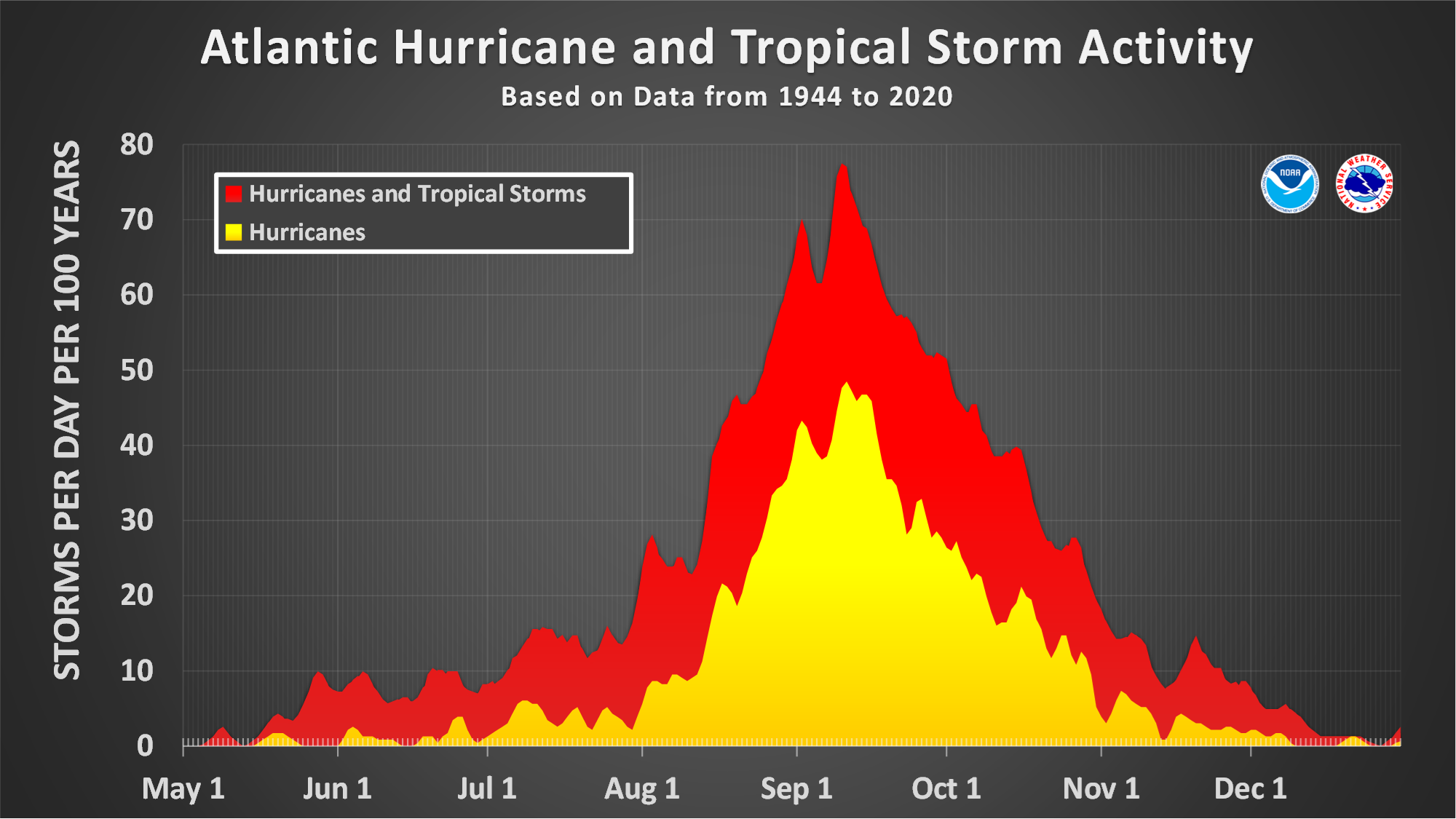
Officially, the Atlantic Ocean hurricane season runs from June 1st to November 30th each year. During this period, the warm waters of the Atlantic and favorable atmospheric conditions create an environment conducive to tropical cyclone formation. The peak of the season typically occurs between mid-August and late September. Florida’s extensive coastline, projecting into both the Atlantic and the Gulf of Mexico, means it is uniquely exposed to storms originating from multiple directions. While hurricanes are a natural phenomenon, they represent a significant consideration for anyone planning travel to the region during these months.
Average Hurricane Activity in Florida
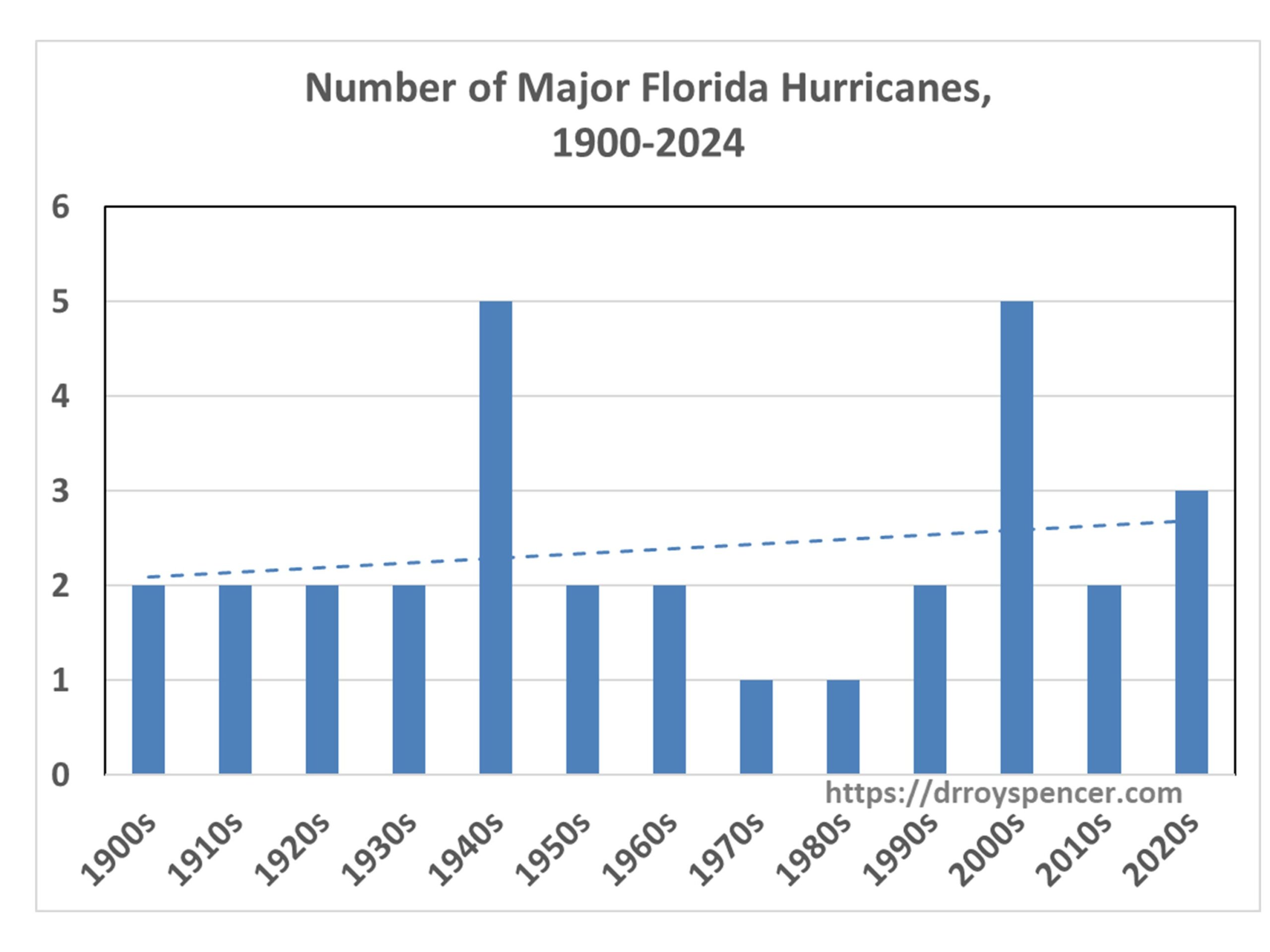
Historically, Florida averages about one hurricane landfall every two years. However, this is a statistical average and does not mean a storm will arrive like clockwork. Some years may see multiple landfalls, while others pass with no direct hits. It’s also important to differentiate between a tropical storm, which has sustained winds below 74 mph, and a hurricane, which ranges from Category 1 (74-95 mph) to Category 5 (157+ mph). Tropical storms, while less destructive, can still bring heavy rainfall, localized flooding, and strong winds, impacting travel plans. Furthermore, many tropical systems pass near Florida without making direct landfall, still bringing significant weather changes, including rough seas and torrential downpours that can disrupt beach days or outdoor activities. The variability of hurricane seasons means that consistent vigilance is more useful than relying on a simple average.
Travel Planning Around Hurricane Season
Deciding when to visit Florida involves balancing weather risks with other factors like crowds and pricing. Strategic planning can help maximize enjoyment and minimize worry.
Best Times to Visit Florida for Avoiding Hurricanes
For travelers seeking to almost entirely avoid hurricane season, the period from December through May is generally considered the ideal time to visit Florida. These months fall outside the official hurricane season, offering cooler, drier weather and typically lower humidity, making outdoor activities more pleasant. The spring months, particularly March and April, offer warm temperatures without the oppressive heat and humidity of summer. Winter is also popular, especially for those escaping colder climates, though major holidays and events like Spring Break can lead to higher prices and larger crowds. Visiting during the shoulder seasons—late April to May or early December—can offer a good balance of pleasant weather, fewer crowds, and potentially better deals on flights and accommodations.
Traveling During Hurricane Season: Pros and Cons
While the potential for hurricanes is a significant consideration, traveling to Florida during the hurricane season (early June to late November) does have its advantages. The most notable benefits are often reduced prices for flights and lodging, as well as fewer crowds at popular attractions. This can translate to a more relaxed experience and significant savings for budget-conscious travelers. The ocean waters are also at their warmest during this time, perfect for swimming and water sports.
However, the primary drawback is, of course, the increased risk of weather-related disruptions. Even if a direct hurricane landfall doesn’t occur, a tropical storm or even a strong thunderstorm system can lead to heavy rains, strong winds, and localized flooding, potentially forcing the cancellation of outdoor plans. Travel delays, flight cancellations, and temporary closures of attractions are all possibilities. For many, the peace of mind that comes with traveling outside this window outweighs the potential cost savings. If you do choose to travel during hurricane season, thorough preparation becomes paramount.
Essential Preparation for Florida Travelers
Smart preparation is your best defense against potential travel disruptions during hurricane season, ensuring peace of mind even if the weather turns.
Monitoring Weather Forecasts
Staying informed is critical. Before and during your trip, diligently monitor weather forecasts from reputable sources. The National Hurricane Center (NHC) is the authoritative source for tropical weather updates in the Atlantic basin, providing advisories, discussions, and projected storm tracks. Local news outlets and weather apps also offer real-time updates specific to your destination within Florida, whether you’re heading to Miami, Orlando, Tampa, or the Florida Keys. Understanding the difference between a hurricane “watch” (meaning conditions are possible within 48 hours) and a “warning” (meaning conditions are expected within 36 hours) can help you react appropriately and make timely decisions regarding your travel plans.
Travel Insurance: A Must-Have
Travel insurance is not just an option; it’s a vital safety net when traveling to Florida during hurricane season. Look for policies that specifically cover trip cancellation or interruption due to weather events. Some comprehensive policies offer “Cancel for Any Reason” (CFAR) coverage, which provides the most flexibility, though it typically comes at a higher premium. Standard policies may only cover cancellations if a hurricane warning is issued for your destination or departure point, or if your transportation or accommodation is directly affected. Always read the policy’s terms and conditions carefully to understand exactly what is covered and under what circumstances, paying close attention to deadlines for purchasing coverage relative to named storms.
Accommodation and Transportation Flexibility
Booking flexible or refundable travel arrangements offers invaluable peace of mind. Prioritize airlines and hotels with generous cancellation policies. Many major hotel chains and airlines offer some flexibility, but it’s essential to confirm this at the time of booking. Consider having a backup plan, such as an alternative inland destination within Florida or even an entirely different state, especially if your primary destination is a vulnerable coastal area. Keep copies of important documents like passports, IDs, flight confirmations, and insurance policies in both physical and digital formats, easily accessible in case of an evacuation or disruption. Being prepared to pivot your plans quickly can save significant stress and financial loss.
Emergency Kit and Communication
While unlikely for most travelers, having a small emergency kit prepared can be beneficial. This might include essentials like a portable phone charger or power bank, a flashlight, any necessary prescription medications, a basic first-aid kit, and enough non-perishable snacks and bottled water for at least a day. Familiarize yourself with your hotel’s emergency procedures and evacuation routes. Most importantly, keep family and friends informed of your itinerary and check in regularly. Ensure your phone is fully charged, and consider having a list of important contacts written down, should electronic devices lose power.
Impact on Popular Florida Destinations
The specific impact of hurricanes can vary greatly depending on the geographical location within Florida. Travelers should understand the particular vulnerabilities and preparations of their chosen destination.
Theme Parks (e.g., Orlando)
Central Florida, home to major attractions like Walt Disney World and Universal Orlando Resort, is relatively inland compared to coastal regions. While direct hurricane landfalls are less frequent here, theme parks can still experience significant rainfall, strong winds, and isolated flooding. Theme parks are well-prepared, often having robust emergency plans and offering “hurricane guarantees” on tickets and packages, allowing guests to reschedule or receive refunds if a named storm threatens their visit. However, individual park operations may be temporarily affected, with ride closures, adjusted hours, or even full-day closures in extreme cases. Guests should monitor park announcements closely.
Coastal Areas (e.g., Miami, Fort Lauderdale, Southwest Florida)
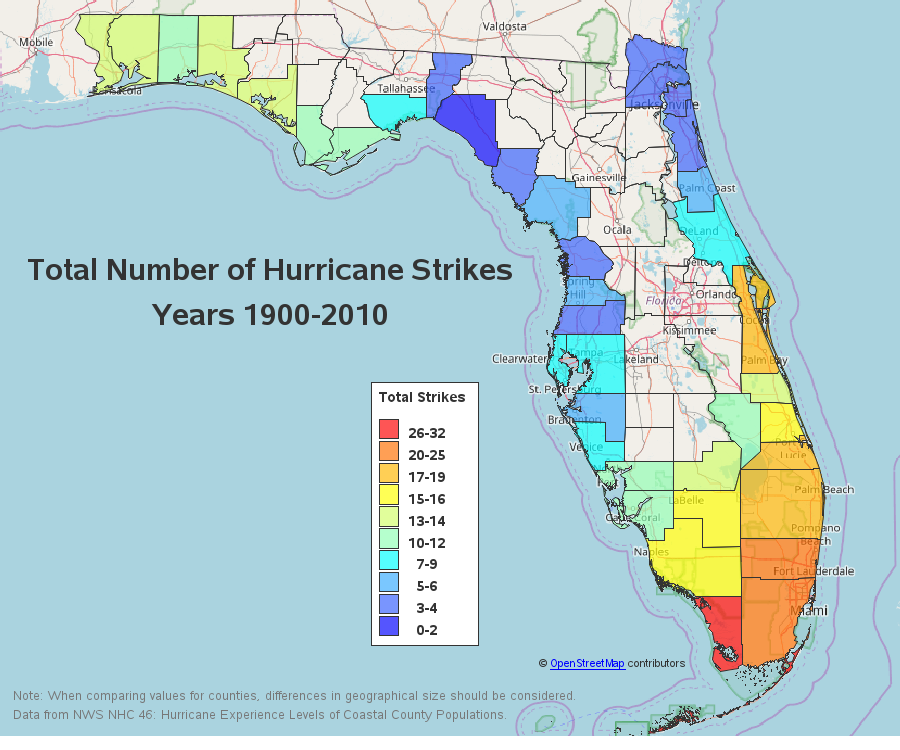
Coastal cities such as Miami, Fort Lauderdale, and those along Southwest Florida (like Naples or Fort Myers) are significantly more vulnerable to the direct impacts of hurricanes. These areas face heightened risks of storm surge, which is often the most dangerous aspect of a hurricane, as well as destructive winds and widespread power outages. Evacuation orders are more common in these regions, and travelers must heed them immediately. Beach access, water activities, and boating would be severely impacted, likely leading to their suspension well in advance of a storm’s arrival.
Florida Keys
The Florida Keys, a chain of low-lying islands connected by bridges, are arguably the most vulnerable region in Florida to hurricane impacts. Due to their elevation and geography, evacuation orders are issued early and strictly enforced, as the limited road access can become impassable. Travelers planning a visit to the Keys during hurricane season must be exceptionally vigilant and prepared to evacuate quickly. The risk of significant damage and prolonged recovery periods is higher here, making it a destination where careful consideration of travel timing is especially important.
Post-Storm Travel Considerations
Even after a storm passes, its lingering effects can influence travel plans. Understanding these can help ensure a smooth continuation or rescheduling of your trip.
Assessing Conditions After a Storm
Immediately following a hurricane, affected areas may experience extensive road closures, widespread power outages, and damage to infrastructure, including hotels and attractions. Before resuming travel or heading to a recently impacted area, it’s crucial to verify the operational status of your chosen accommodations and transportation providers. Local authorities and tourism boards will also provide updates on recovery efforts and whether an area is safe and ready for visitors. Patience and flexibility are key, as recovery can take days, weeks, or even months, depending on the severity of the storm.
Supporting Recovery Through Tourism
Once an area is declared safe and open for visitors, tourism can play a vital role in its recovery. By returning to affected destinations, travelers contribute directly to the local economy, helping businesses rebuild and communities restore normalcy. However, it’s important to travel respectfully, understanding that some services may still be limited, and residents may still be dealing with the aftermath. Supporting local businesses, being patient with service providers, and adhering to any local guidelines are excellent ways to assist in the recovery process while enjoying the resilience and beauty of Florida.
LifeOutOfTheBox is a participant in the Amazon Services LLC Associates Program, an affiliate advertising program designed to provide a means for sites to earn advertising fees by advertising and linking to Amazon.com. Amazon, the Amazon logo, AmazonSupply, and the AmazonSupply logo are trademarks of Amazon.com, Inc. or its affiliates. As an Amazon Associate we earn affiliate commissions from qualifying purchases.