
Florida, the Sunshine State, beckons millions of travelers each year with its pristine beaches, vibrant cities, and world-class attractions. From the magical theme parks of Orlando to the shimmering sands of Miami Beach, and the historic charm of St. Augustine, this southeastern United States gem offers an unparalleled diversity of experiences. Yet, its idyllic coastal location, nestled between the Atlantic Ocean and the Gulf of Mexico, also places it squarely in the path of tropical storms and hurricanes. For many prospective visitors, a crucial question arises: how many hurricanes actually hit Florida each year, and what does this mean for planning a memorable trip?

Understanding Florida’s relationship with hurricanes is not just about statistics; it’s about informed travel planning, ensuring safety, and appreciating the resilience of a state that thrives amidst its unique geographical realities. While the prospect of a hurricane might seem daunting, it’s essential to put it into perspective. Most days in Florida, even during hurricane season, are filled with sunshine, offering endless opportunities for adventure, relaxation, and cultural immersion.
Understanding Florida’s Hurricane Season
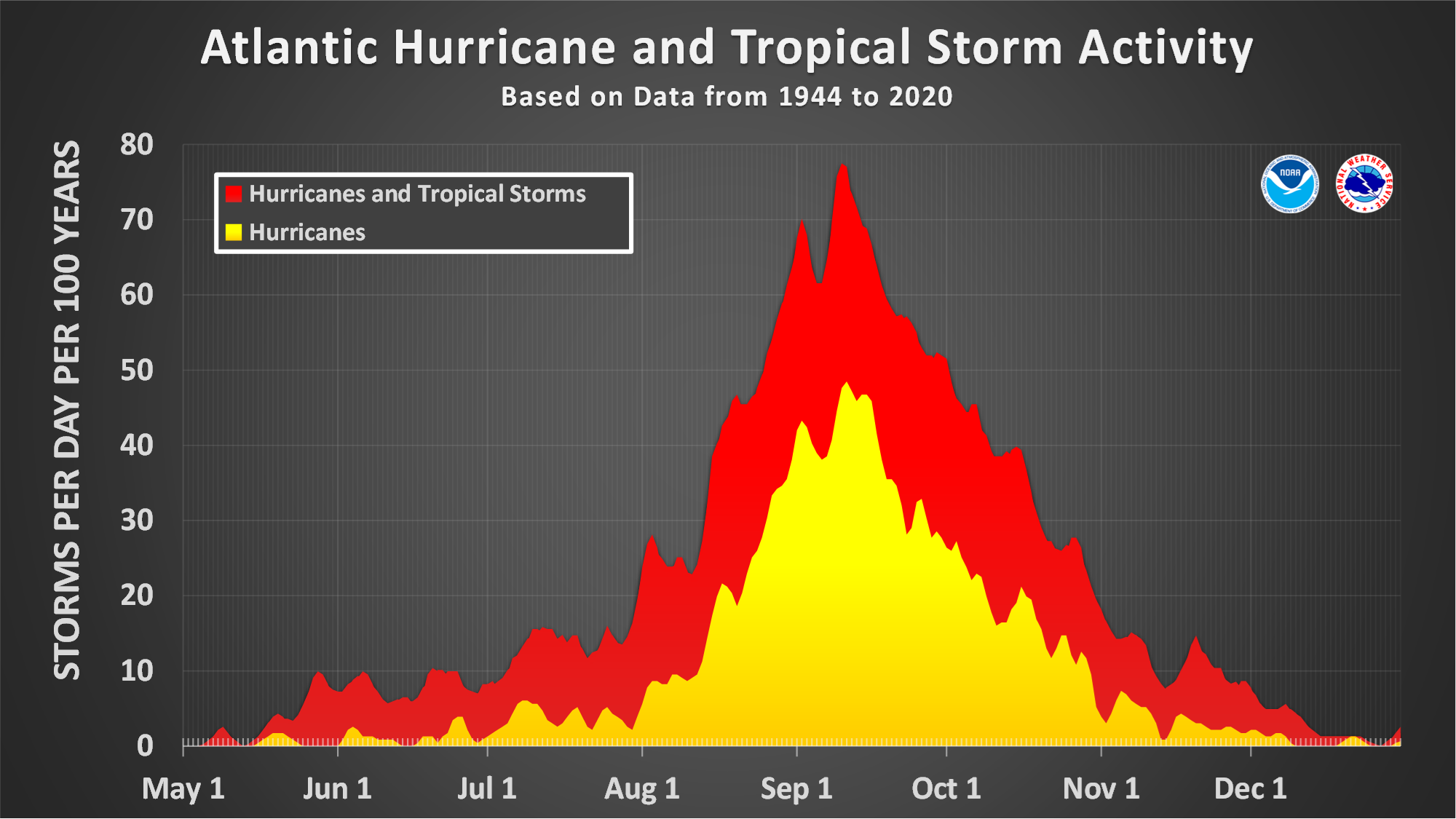
Florida’s hurricane season officially runs from June 1st to November 30th each year, with the peak activity typically occurring from mid-August through October. During this six-month period, conditions are ripe in the Atlantic Ocean and the Gulf of Mexico for the formation of tropical depressions, which can escalate into tropical storms and, eventually, hurricanes.
The Statistics: Averages and Trends
When we talk about “how many hurricanes hit Florida a year,” it’s important to distinguish between tropical storms, hurricanes, and major hurricanes, as well as the difference between a near-miss and a direct landfall. Historically, Florida experiences a high number of tropical cyclone occurrences due to its peninsula shape and extensive coastline.
Over the past 170 years (dating back to 1851), Florida has been hit by more hurricanes than any other state in the United States. The average number of direct hurricane landfalls in Florida is roughly 1.2 per year. This average includes all intensities, from Category 1 to Category 5. If we expand this to include tropical storms that make landfall, the number increases significantly. On average, the state experiences approximately three to five tropical storms or hurricanes making landfall or passing very close to its shores each season, bringing strong winds, heavy rains, and potential storm surge.
However, these are averages. Some years see multiple devastating storms, while others pass with little to no direct impact. For instance, recent active seasons have seen multiple storms affect the state, while others have been relatively quiet. It’s also worth noting that many of these are weaker tropical storms or Category 1 hurricanes. Major hurricanes (Category 3 or higher) are less frequent, though their impact is, of course, far more severe. The frequency of major hurricanes making landfall in Florida averages about one every few years.
This statistical understanding is crucial for travelers. While the season technically spans six months, the probability of a direct hit on your specific travel destination on your specific travel dates remains relatively low, particularly outside the peak months. Nonetheless, awareness and preparation are key to a stress-free Florida vacation during this period.
Geographic Vulnerability and Hotspots
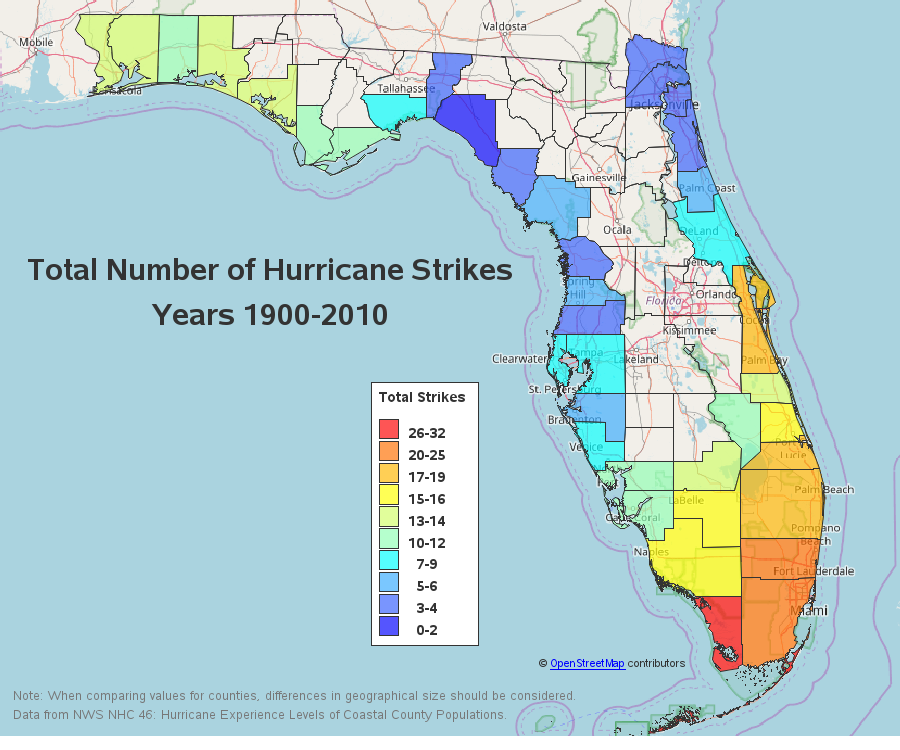
Florida’s geography means different regions face varying levels of risk. The elongated shape of the state means that almost all coastal areas are vulnerable to some degree, but certain regions are statistically more prone to direct impacts:
- South Florida and the Florida Keys: This region, including cities like Miami, Fort Lauderdale, and the entire Florida Keys archipelago down to Key West, is often the first to feel the effects of storms tracking from the Atlantic. Its low-lying coastal areas and island communities are particularly susceptible to storm surge and high winds.
- The Florida Panhandle: Located in the northwestern part of the state, bordering Alabama and Georgia, the Panhandle is frequently impacted by storms that develop in or track across the Gulf of Mexico. Cities like Pensacola, Panama City, and Destin have experienced significant hurricane activity.
- Southwest Florida: Cities such as Naples, Fort Myers, and Sarasota are also vulnerable to storms originating in the Gulf of Mexico or those that cross the state from the Atlantic.
Inland areas, such as Orlando and the theme park capital, are generally less susceptible to direct hurricane winds and storm surge but can experience heavy rainfall, localized flooding, and strong gusts from passing tropical systems. This makes them a relatively safer bet during hurricane season, though disruptions are still possible. Understanding these regional differences can help travelers make informed decisions about their chosen destination within the Sunshine State.
Navigating Florida Travel During Hurricane Season
Traveling to Florida during hurricane season is a common practice, and with proper planning, it can be an incredibly rewarding experience. Many choose this time of year for its often lower accommodation rates, fewer crowds, and vibrant atmosphere. However, it requires a proactive approach to preparation and a flexible mindset.
Smart Planning and Preparation
The cornerstone of a successful trip during hurricane season is meticulous planning:
- Comprehensive Travel Insurance: This is arguably the most crucial investment. Ensure your policy covers hurricane-related cancellations, delays, and interruptions. Read the fine print carefully, as some policies have specific clauses regarding when a storm needs to be named or declared to trigger coverage.
- Flexible Bookings: When booking flights, hotels, or car rentals, opt for options that offer flexibility for changes or cancellations without hefty penalties. Many airlines and hotels (especially major chains like the Grand Hyatt Hotel or resorts under the Marriott or Hilton umbrella) often waive change fees if a hurricane directly threatens an area.
- Stay Informed: Before and during your trip, regularly monitor weather forecasts from reputable sources like the National Hurricane Center (NHC) or local news outlets. Most hotels and resorts in Florida are excellent at communicating potential threats and emergency procedures to their guests.
- Accommodation Choices with Robust Plans: When selecting a hotel, resort, apartment, or villa, consider those known for their hurricane preparedness plans. Many luxury resorts, such as The Breakers Palm Beach or Disney’s Grand Floridian Resort & Spa, have extensive protocols, backup generators, and staff trained to assist guests in any weather event. They often act as self-contained safe havens.
- Emergency Kit Essentials: While your hotel will provide necessities, it’s wise to carry a small personal emergency kit with basic first aid, any necessary medications, a power bank for your phone, and important documents (passports, insurance details).
Enjoying Florida Safely: Beyond the Forecasts
Despite the potential for storms, the vast majority of days during hurricane season are perfectly beautiful. Florida’s resilience and commitment to tourism mean that even after a storm, affected areas often bounce back quickly.
- Focus on Inland Attractions: If you’re particularly concerned about coastal impacts, consider a trip focused on Central Florida‘s attractions. Orlando offers a plethora of theme parks, from Walt Disney World Resort to Universal Studios Florida, which are meticulously designed with guest safety and comfort in mind, even during inclement weather. Hotels like Loews Portofino Bay Hotel at Universal are built to withstand strong weather and often offer on-site entertainment and dining should guests need to shelter in place.
- Embrace the Off-Peak Benefits: Traveling during hurricane season often translates to lower airfares and hotel rates, as well as fewer crowds at popular attractions. This can be an ideal time for budget travelers or those seeking a more relaxed experience. Many luxury resorts offer enticing packages during these months.
- Explore Beyond the Beaches: Florida is rich in diverse experiences. Consider exploring historical sites in St. Augustine, eco-tourism in the Everglades National Park, or the vibrant arts scenes in cities like Sarasota. These alternatives provide fantastic experiences that are less weather-dependent than beach days.
- Trust the Infrastructure: Florida has one of the most experienced emergency management systems in the world. Businesses, especially those in the tourism sector, are well-prepared and prioritize visitor safety. Evacuation routes are clear, and communication systems are robust.
Iconic Florida Destinations and Hurricane Resilience
Florida’s reputation as a premier travel destination is built on its iconic landmarks, diverse activities, and world-class hospitality. While hurricanes are a fact of life, the state’s infrastructure and tourism industry have evolved to minimize risks and ensure continued enjoyment for visitors.
Coastal Gems and Their Preparedness
Many of Florida’s most popular coastal destinations have sophisticated systems in place to handle tropical weather:
- Miami and Miami Beach: Famous for its stunning beaches, vibrant nightlife, and the iconic Art Deco Historic District, Miami is a major international hub. Hotels here, from boutique stays to grand resorts like the Fontainebleau Miami Beach, are built to rigorous standards and often have comprehensive emergency plans. The city’s resilient infrastructure and experienced emergency services quickly respond to and recover from any weather event, ensuring attractions and local culture are restored for visitors.
- Tampa and St. Petersburg: On the Gulf Coast, the Tampa Bay area offers a blend of urban sophistication, family attractions like Busch Gardens Tampa Bay, and beautiful beaches. While susceptible to Gulf storms, these cities have robust preparedness and recovery efforts, allowing for continued enjoyment of their cultural sites and diverse dining experiences.
- Sarasota: Known for its thriving arts scene, beautiful Siesta Key Beach, and upscale resorts like The Ritz-Carlton, Sarasota, Sarasota exemplifies coastal elegance. Resorts here prioritize guest safety, offering luxurious amenities that ensure comfort even if weather conditions change.
- Florida Keys: While uniquely vulnerable due to their island nature, the Florida Keys offer an unparalleled experience for snorkeling, diving, and enjoying a relaxed, bohemian lifestyle. Towns like Key West are experienced in weather preparedness, and visitors are always advised to follow local guidance closely. Exploring natural landmarks like Dry Tortugas National Park requires careful planning, regardless of season.
Exploring Florida’s Diverse Lifestyle and Culture
Beyond its hurricane preparedness, Florida’s enduring appeal lies in its incredible diversity of experiences, catering to every lifestyle and budget.
- Theme Park Wonderland: Orlando remains a top destination for family trips and thrill-seekers. Theme parks like Walt Disney World Resort and Universal Studios Florida have comprehensive weather plans, often continuing operations during less severe weather and providing indoor attractions. Many hotels and resorts, such as the Four Seasons Resort Orlando at Walt Disney World Resort, offer luxurious amenities and excellent service, making any stay comfortable.
- Historic and Cultural Exploration: Discover the oldest continuously inhabited European-established settlement in the United States at St. Augustine. Explore the Historic St. Augustine Colonial Quarter, Castillo de San Marcos, and its charming streets, all offering a rich blend of history and local culture. This area in North Florida is often less directly impacted by major hurricanes than South Florida.
- Nature and Eco-Tourism: Florida boasts incredible natural beauty, from the unique ecosystem of the Everglades National Park to the serene beaches of Amelia Island. These natural landmarks offer opportunities for kayaking, wildlife viewing, and hiking, providing a different perspective of the Sunshine State.
- Space Coast Adventures: For those interested in science and history, the Kennedy Space Center Visitor Complex near Cape Canaveral offers a truly out-of-this-world experience.
Whether you’re planning a luxury travel getaway in Palm Beach, a budget-friendly family trip to a coastal town, or a business stay in a bustling city like Tampa, Florida presents a myriad of options. The key is to embrace informed decision-making.
In conclusion, while Florida does experience hurricanes, averaging about 1.2 direct landfalls per year, the state’s robust tourism infrastructure, comprehensive emergency preparedness, and the sheer diversity of its attractions mean that a wonderful and safe visit is entirely possible during hurricane season. By leveraging smart planning, staying informed, and choosing accommodations with excellent guest services, travelers can confidently explore all that the Sunshine State has to offer, turning potential worries into just another part of an unforgettable adventure. The allure of Florida is timeless, and with a little preparation, it remains an open invitation for exploration and enjoyment year-round.
LifeOutOfTheBox is a participant in the Amazon Services LLC Associates Program, an affiliate advertising program designed to provide a means for sites to earn advertising fees by advertising and linking to Amazon.com. Amazon, the Amazon logo, AmazonSupply, and the AmazonSupply logo are trademarks of Amazon.com, Inc. or its affiliates. As an Amazon Associate we earn affiliate commissions from qualifying purchases.