
The year 2004 stands as a particularly memorable, and in many ways, devastating, year for the state of Florida. While the Sunshine State is no stranger to tropical cyclones, the sheer number and intensity of hurricanes that made landfall in 2004 left a profound impact on its residents, infrastructure, and the tourism industry. Understanding the frequency and nature of these storms offers crucial insights for anyone planning a visit or considering Florida as a travel destination. This examination delves into the hurricanes that impacted Florida in 2004, highlighting their paths, strengths, and the broader implications for tourism.

A Season of Unprecedented Fury
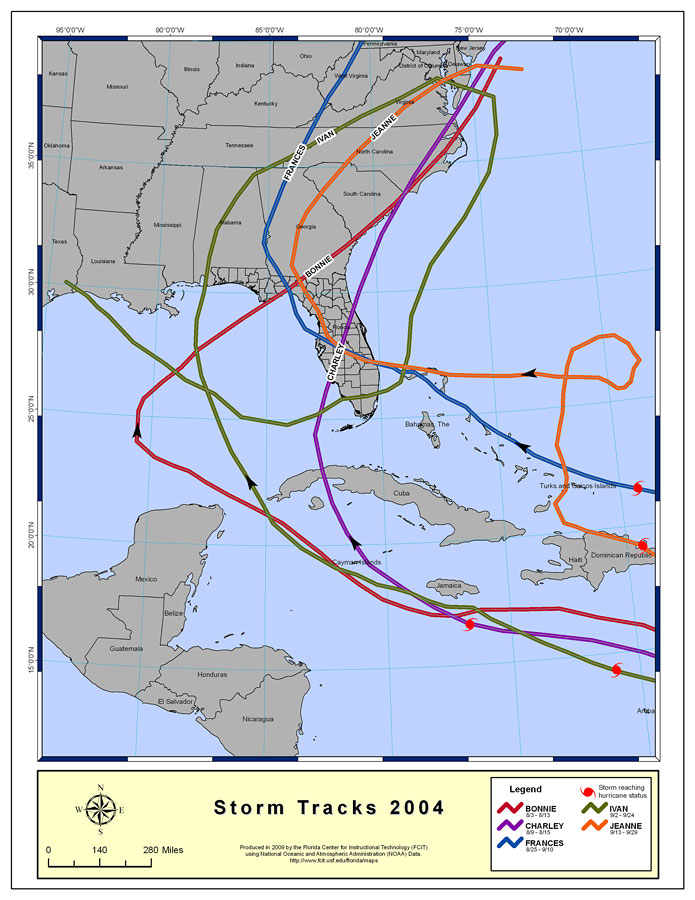
The 2004 Atlantic hurricane season was notably active, and Florida bore the brunt of its power. A total of four hurricanes made landfall in the state, a rare occurrence that underscores the vulnerability of this peninsula to major storm systems. These weren’t just minor disturbances; each of these storms brought significant wind, rain, and storm surge, leading to widespread damage and disruptions. The economic and social toll was substantial, prompting a re-evaluation of preparedness and resilience strategies across the state. For travelers, understanding these historical weather patterns is vital for informed trip planning, especially when considering the peak of hurricane season, which typically runs from June 1st to November 30th.
The Storms That Defined the Year
The sequence of hurricanes in 2004 was particularly alarming due to their proximity in time and their direct impact on populated areas. Each storm carved its own path of destruction, leaving a lasting impression on the affected communities.
Hurricane Charley: The First Blow
The first significant hurricane to strike Florida in 2004 was Hurricane Charley. Making landfall on August 13th, Charley was a Category 4 hurricane at its strongest, though it weakened slightly to a Category 2 at landfall near Cayo Costa. Its rapid intensification and unusual track, veering northwards through central Florida, caught many by surprise. The storm’s eyewall traversed areas such as Punta Gorda, Port Charlotte, and Orlando, causing catastrophic damage. Many iconic attractions and local businesses in these regions suffered severe damage, requiring extensive rebuilding efforts. The swiftness of Charley’s impact served as a stark warning for the remainder of the season.
Hurricane Frances: A Widespread Impact
Just a few weeks later, on September 5th, Hurricane Frances made landfall on the east coast of Florida near Sewall’s Point, as a Category 2 storm. Frances was a much larger and slower-moving storm than Charley, bringing prolonged periods of heavy rain, strong winds, and significant storm surge to a vast area, including West Palm Beach, Vero Beach, and extending inland towards the Orlando metropolitan area. The sheer size of Frances meant that many parts of the state experienced damaging conditions for an extended period, leading to widespread power outages and considerable infrastructure damage. The extended duration of the storm also meant prolonged disruption for tourism operations.
Hurricane Ivan: A Near Miss and Secondary Impacts
While Hurricane Ivan did not make a direct landfall in Florida as a major hurricane, its outer bands and significant storm surge caused considerable damage, particularly along the panhandle and the west coast. Ivan, a powerful Category 5 hurricane in the open Atlantic, skirted the western edge of the state in mid-September, bringing torrential rains, strong winds, and significant coastal erosion. Some areas experienced hurricane-force wind gusts, and storm surge caused flooding in coastal communities from Pensacola southward. The psychological impact of Ivan, following Charley and Frances, added to the anxiety and strain on Florida residents and emergency services.
Hurricane Jeanne: The Final Blow
The final major storm of this devastating sequence was Hurricane Jeanne. Jeanne made landfall on September 25th near Stuart, on the east coast, as a Category 3 hurricane. This storm followed a path similar to Frances, impacting much of central and eastern Florida. The cumulative effect of these four hurricanes was immense. Jeanne brought renewed devastation to areas that had already been impacted by Frances, further exacerbating the recovery challenges. The repeated onslaught tested the resilience of communities and businesses, particularly those in the hospitality and travel sectors.
Impact on Florida’s Tourism and Travel
The 2004 hurricane season had a profound and multifaceted impact on Florida’s vibrant tourism industry. The state, renowned for its theme parks, beaches, and warm climate, experienced significant disruptions that affected both visitors and the businesses that cater to them.
Disruptions and Cancellations
The immediate aftermath of each hurricane saw widespread cancellations of travel plans. Airports were closed, road networks were compromised by debris and flooding, and many hotels and resorts suffered damage, forcing them to close their doors temporarily or even permanently. The psychological impact of experiencing such intense storms also deterred potential visitors, with many choosing to postpone their trips to safer destinations. This led to significant revenue losses for hotels, restaurants, attractions, and other tourism-dependent businesses.
Rebuilding and Resilience
Despite the devastation, the spirit of resilience in Florida shone through. Extensive rebuilding efforts were undertaken across the state, with many businesses demonstrating remarkable speed in their recovery. The tourism infrastructure, though battered, was a priority for restoration. Many attractions, from the world-famous theme parks in Orlando to the coastal resorts, worked tirelessly to reopen and welcome visitors back. This period highlighted the adaptability of the travel and hospitality sectors, as well as the importance of robust disaster preparedness and recovery plans.
Long-Term Implications for Travel Planning
The events of 2004 serve as a crucial reminder for anyone planning a trip to Florida. While the state has recovered and continues to be a premier travel destination, understanding the potential risks associated with the hurricane season is paramount.
Timing Your Visit
For those who wish to minimize potential hurricane-related disruptions, traveling outside the peak months of August, September, and October is advisable. The early part of the season (June and July) and the latter part (November) generally see fewer major storms, though no period is entirely risk-free. Flexibility in travel dates can offer peace of mind.
Travel Insurance and Preparedness
Purchasing comprehensive travel insurance is a prudent step for any trip to hurricane-prone regions. This can provide financial protection against cancellations, interruptions, and medical emergencies. Familiarizing oneself with the tourism operator’s or accommodation provider’s hurricane policy is also essential. Knowing evacuation routes and emergency procedures, as well as staying informed about weather forecasts, are key components of a safe and enjoyable travel experience in Florida.
Supporting Local Economies
When visiting Florida, especially in the years following significant storm activity, consider how your patronage supports the local economies in their recovery and ongoing development. Many communities are deeply reliant on tourism, and supporting their businesses directly contributes to their resilience and continued prosperity.
Lessons Learned and Future Preparedness
The year 2004 was a watershed moment for Florida in terms of hurricane activity. The confluence of four major landfalling hurricanes prompted significant reflection and action regarding disaster preparedness, response, and the long-term impacts on infrastructure and the economy, particularly the crucial tourism sector.
Enhanced Building Codes and Infrastructure
In the wake of the 2004 storms, Florida saw a renewed emphasis on strengthening building codes and improving infrastructure resilience. Projects aimed at enhancing flood defenses, reinforcing power grids, and improving emergency communication systems became more prevalent. These measures, while often costly, are designed to mitigate the damage from future storms and ensure a faster recovery, thereby safeguarding the state’s attractiveness as a tourist destination.
Improved Emergency Management and Evacuation Procedures
The scale of the 2004 hurricane impacts led to a comprehensive review and enhancement of emergency management protocols. This included refining evacuation procedures, improving communication between state and local agencies, and increasing public awareness campaigns about hurricane risks and preparedness. For travelers, understanding these systems can provide a sense of security, knowing that robust plans are in place to manage potential emergencies.

The Enduring Allure of Florida
Despite the challenges posed by the 2004 hurricane season, Florida has consistently demonstrated its capacity to recover and rebuild. Its natural beauty, diverse attractions, and warm hospitality continue to draw millions of visitors each year. While acknowledging the historical weather patterns is important for responsible planning, it should not overshadow the undeniable allure and enduring appeal of the Sunshine State as a premier travel and vacation destination. The lessons learned from 2004 have undoubtedly contributed to making Florida a more resilient and prepared state for the future.
LifeOutOfTheBox is a participant in the Amazon Services LLC Associates Program, an affiliate advertising program designed to provide a means for sites to earn advertising fees by advertising and linking to Amazon.com. Amazon, the Amazon logo, AmazonSupply, and the AmazonSupply logo are trademarks of Amazon.com, Inc. or its affiliates. As an Amazon Associate we earn affiliate commissions from qualifying purchases.