
Florida, often dubbed the “Sunshine State,” boasts sun-drenched beaches, vibrant theme parks, and a lively cultural scene, making it a premier travel destination. However, its idyllic allure is intrinsically linked to its geographic vulnerability: the Atlantic hurricane season. Understanding the frequency and impact of hurricanes is crucial for any traveler planning a visit, influencing everything from booking decisions and travel insurance to itinerary flexibility and packing essentials. This comprehensive overview delves into the historical patterns of hurricane activity in Florida, offering insights that empower travelers to make informed choices and navigate their Florida adventures with confidence.

Understanding Hurricane Season and Florida’s Vulnerability
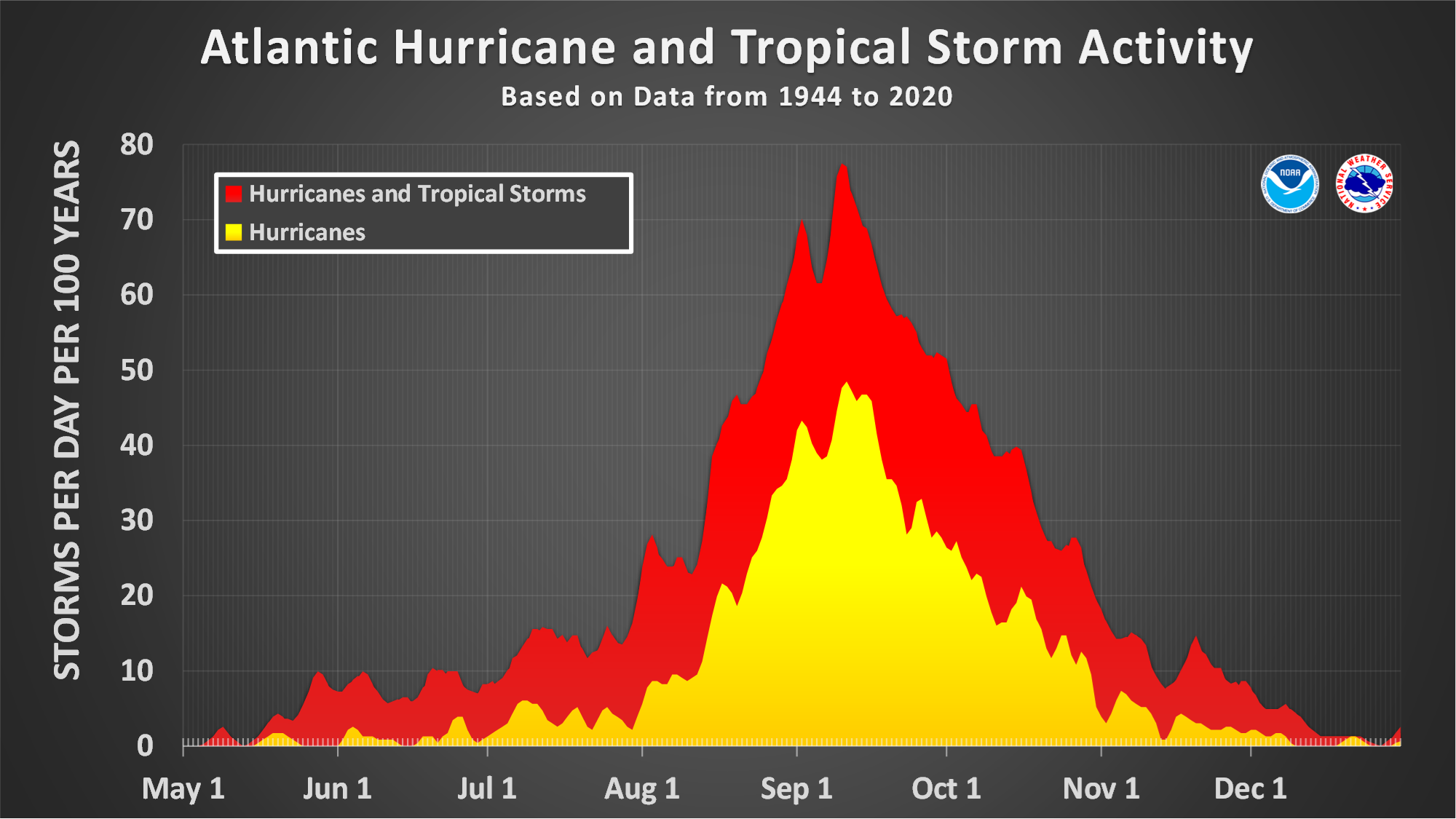
The Atlantic hurricane season officially runs from June 1st to November 30th each year, with the peak activity typically occurring between mid-August and late October. Florida’s extensive coastline, bordering both the Atlantic Ocean and the Gulf of Mexico, makes it particularly susceptible to these powerful tropical cyclones. The state’s geography, coupled with warm ocean waters that fuel storm development, creates a potent recipe for frequent encounters with hurricanes.
Factors Influencing Hurricane Frequency
Several meteorological and climatological factors contribute to the number of hurricanes that impact Florida. These include:
- Sea Surface Temperatures (SSTs): Warmer-than-average ocean temperatures provide the energy necessary for hurricanes to form and intensify. The Gulf of Mexico and the western Atlantic Ocean, areas adjacent to Florida, are prime regions for this phenomenon.
- Atmospheric Steering Currents: Large-scale weather patterns, such as the Bermuda High, play a significant role in directing the path of hurricanes. Shifts in these currents can steer storms away from or directly towards the Florida coastline.
- El Niño-Southern Oscillation (ENSO): This climate pattern in the Pacific Ocean can influence Atlantic hurricane activity. La Niña conditions are often associated with increased hurricane activity in the Atlantic basin, potentially leading to more storms threatening Florida.
- Wind Shear: Low wind shear conditions allow hurricanes to develop and maintain their structure. High wind shear can disrupt and weaken storms.
Historical Trends and Notable Storms
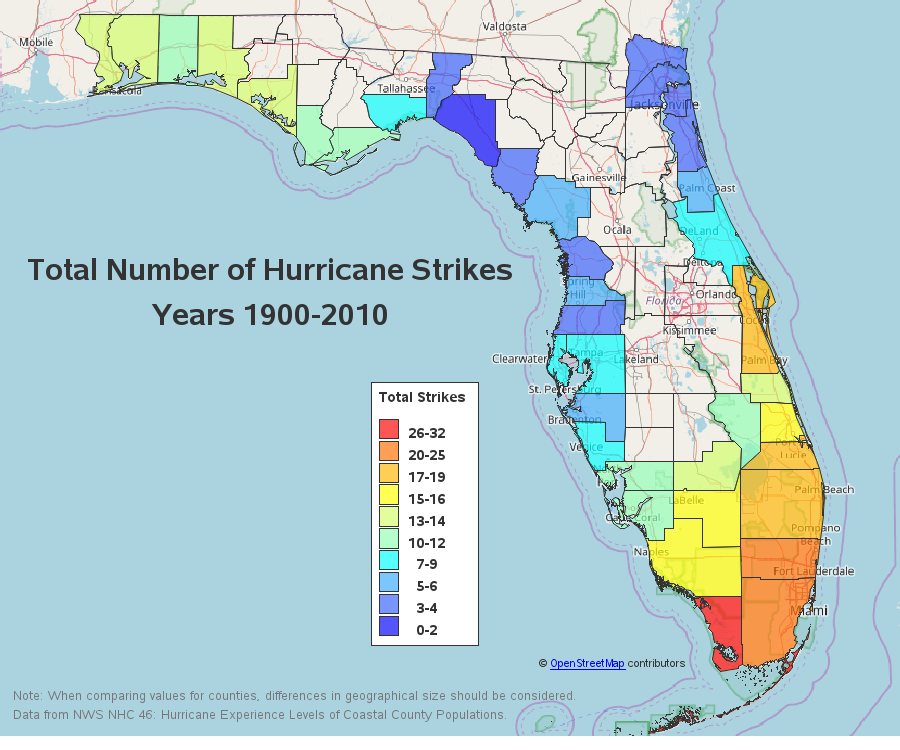
Florida has a long and well-documented history of experiencing hurricanes. While the exact number varies year by year, the state consistently ranks as one of the most hurricane-prone areas in the United States. Over the decades, numerous powerful storms have made landfall, leaving a significant impact on the state’s landscape and communities.
- Early Records: Even before modern meteorological tracking, historical accounts document devastating storms hitting Florida’s shores. These early records, though less precise, highlight the persistent threat posed by hurricanes.
- Mid-20th Century: The mid-20th century saw several significant hurricanes, including Hurricane Donna in 1960, which affected much of the state.
- Late 20th Century and Early 21st Century: The late 20th and early 21st centuries have been marked by an increase in both the number and intensity of storms impacting Florida. The infamous 2004 hurricane season saw four major hurricanes—Charley, Frances, Ivan, and Jeanne—strike the state in quick succession. The 2017 season brought Harvey (though its primary impact was in Texas, it affected Florida significantly in its early stages), Irma, and Maria, with Irma causing widespread damage across the entire peninsula. More recently, Michael in 2018 and Ian in 2022 have delivered devastating blows to specific regions of Florida.
These historical events underscore the dynamic nature of hurricane season and the importance of staying informed about current forecasts.
Planning Your Florida Trip in Light of Hurricane Season
For travelers drawn to Florida’s allure, understanding hurricane season is not about deterring visits, but about enhancing preparedness and optimizing the travel experience. Strategic planning can mitigate potential disruptions and ensure a safer, more enjoyable trip.
When to Travel for Optimal Weather
While hurricane season spans six months, certain periods offer a statistically lower risk of encountering major storms.
- Early June: The beginning of hurricane season is generally characterized by lower activity, though tropical systems can still form.
- Late November: As the season draws to a close, the likelihood of significant hurricane threats diminishes.
- The “Sweet Spot”: Many travelers find the months of March, April, and May to be ideal, as they fall outside the official hurricane season and typically offer pleasant weather, lower humidity, and fewer crowds. This period provides ample opportunity to enjoy destinations like Orlando’s theme parks, the beaches of Miami, or the historic charm of St. Augustine without the added concern of tropical weather.
Travel Insurance: A Prudent Investment
Given Florida’s susceptibility to hurricanes, investing in comprehensive travel insurance is highly advisable, especially when traveling during the peak months of August, September, and October.
- Coverage Options: Look for policies that specifically cover trip cancellation or interruption due to named storms. This can reimburse you for non-refundable expenses if your flight is canceled, your hotel is inaccessible, or your destination becomes unsafe due to a hurricane.
- Policy Details: Carefully review the policy’s terms and conditions. Understand what constitutes a “covered event” and the required documentation for filing a claim. Some policies may have specific waiting periods or exclusion clauses.
- Booking Flexibility: Even with insurance, flexibility in your booking arrangements can be beneficial. Consider booking flights and accommodations with flexible cancellation policies where possible.
Staying Informed and Flexible
The most critical aspect of planning a trip to Florida during hurricane season is staying informed and maintaining flexibility.
- Monitoring Forecasts: Regularly check reliable sources for weather updates from the National Hurricane Center and the National Weather Service. Familiarize yourself with terms like “tropical depression,” “tropical storm,” and “hurricane,” along with their respective categories.
- Evacuation Orders: Understand that local authorities issue evacuation orders when a storm poses a significant threat. If an evacuation order is given for your travel area, it is crucial to comply immediately.
- Contingency Plans: Have a backup plan in place. This might involve identifying alternative destinations within Florida that are less likely to be affected, or having the ability to adjust your travel dates if a significant storm is forecast.
The Economic and Tourism Impact of Hurricanes on Florida
Hurricanes are not just weather events; they are significant economic disruptors, particularly for a state like Florida, where tourism is a cornerstone of its economy. The impact of these storms reverberates through the travel industry, affecting businesses, employment, and visitor numbers.
Direct Economic Losses
The immediate aftermath of a hurricane often involves substantial economic losses:
- Infrastructure Damage: The destruction of hotels, resorts, restaurants, attractions, and transportation networks (airports, roads, bridges) directly impacts the tourism infrastructure. Repair and reconstruction can take months or even years.
- Business Interruption: Businesses forced to close during and after a storm suffer significant revenue loss. This affects not only the direct tourism operators but also the wider supply chain.
- Loss of Tourism Revenue: The fear of hurricanes and actual storm impacts can lead to widespread cancellations and a sharp decline in visitor numbers for extended periods, even in areas not directly hit.
Long-Term Repercussions on Tourism
The effects of hurricanes on Florida’s tourism sector can persist long after the winds have subsided.
- Reputational Damage: Repeated or severe hurricane seasons can, in the short term, create a perception of Florida as an unsafe destination, potentially impacting booking decisions for future trips.
- Insurance Costs: The increased risk associated with hurricane-prone areas can lead to higher insurance premiums for businesses, which may be passed on to consumers through increased prices for accommodation and activities.
- Recovery and Rebuilding Efforts: The focus on recovery and rebuilding can sometimes overshadow marketing efforts, requiring a concerted push to attract visitors back to affected areas. Destinations like Key West and the Gulf Coast, which have faced severe impacts, often implement robust campaigns to showcase their resilience and readiness to welcome tourists.
Resilience and Adaptation in the Tourism Sector
Despite the challenges, Florida’s tourism industry has demonstrated remarkable resilience and adaptability in the face of hurricanes.
- Improved Building Codes and Infrastructure: Following major storms, there is often an impetus to strengthen building codes and invest in more resilient infrastructure to better withstand future events.
- Enhanced Emergency Preparedness: Tourism businesses and local governments continuously refine their emergency preparedness plans, evacuation procedures, and communication strategies to minimize disruption and ensure the safety of both residents and visitors.
- Marketing and Diversification: The state and its tourism boards actively engage in marketing campaigns to highlight the allure of Florida’s diverse attractions and to reassure potential visitors about safety measures and the ongoing vibrancy of the travel experience. Diversifying attractions beyond coastal areas, such as inland theme parks in Orlando or cultural experiences in cities like Tampa and Jacksonville, can also help mitigate the impact of localized storm damage.
Navigating Florida’s Coastal Gems Safely
Florida’s coastline is dotted with world-renowned destinations, each offering unique experiences. Understanding hurricane risk in these areas is key for travelers.
The Panhandle and Emerald Coast
Stretching from Pensacola to Tallahassee, the Panhandle, particularly its westernmost sections, is vulnerable to storms originating in the Gulf of Mexico. Destinations like Destin and Panama City Beach have experienced significant impacts from Gulf storms.
Central West Coast and Tampa Bay
The stretch from Fort Myers north through St. Petersburg and Clearwater to the Tampa Bay area is also susceptible to Gulf-generated hurricanes. This region, known for its beautiful beaches and vibrant city life, has faced direct hits from powerful storms.
Southwest Florida and the Everglades
Further south, areas like Naples and the gateways to the Everglades National Park face threats from both Gulf and Atlantic storms that can track across the state.
South Florida and the Atlantic Coast
From Miami and Fort Lauderdale up to Palm Beach and the Treasure Coast, this highly populated corridor is exposed to storms forming in the western Atlantic. The Keys, a string of islands extending south of mainland Florida, are particularly vulnerable due to their low elevation.
Northeast Florida
Cities like Jacksonville and St. Augustine on the Atlantic coast can be impacted by storms moving westward from the Atlantic, though generally less frequently than central or southern parts of the state.
In conclusion, while the question “How Many Hurricanes Hit Florida?” doesn’t have a single, static answer, understanding the historical context, the factors driving hurricane formation, and the practical implications for travel planning allows visitors to embrace the wonders of the Sunshine State with a well-informed perspective, ensuring a memorable and safe journey.
LifeOutOfTheBox is a participant in the Amazon Services LLC Associates Program, an affiliate advertising program designed to provide a means for sites to earn advertising fees by advertising and linking to Amazon.com. Amazon, the Amazon logo, AmazonSupply, and the AmazonSupply logo are trademarks of Amazon.com, Inc. or its affiliates. As an Amazon Associate we earn affiliate commissions from qualifying purchases.