
The question of undocumented immigration within a major metropolitan area like Chicago is multifaceted, touching upon demographics, urban planning, and the very fabric of a city’s identity. While precise, universally agreed-upon numbers are elusive due to the inherent nature of undocumented status, various research institutions and government agencies have provided estimates that offer valuable insights. These figures are crucial for understanding the city’s social services needs, labor market dynamics, and its evolving cultural landscape, all of which are deeply intertwined with its tourism and hospitality sectors.
Estimating the Undocumented Population in Chicago
Obtaining an exact count of undocumented immigrants is a significant challenge. These individuals, by definition, often avoid official interaction with government agencies for fear of deportation. Consequently, researchers rely on indirect methods, such as analyzing census data, survey responses, and patterns of social service utilization, to build demographic profiles. These estimations, while not absolute, provide a robust basis for policy discussions and resource allocation.

Methodologies and Challenges in Data Collection
The most widely cited studies on the undocumented immigrant population in the United States and its major cities are often produced by organizations like the Pew Research Center and the Center for Migration Studies. These groups employ sophisticated statistical models. One common approach involves comparing the foreign-born population reported in the U.S. Census with estimates of the legally present foreign-born population. The difference is then attributed, in part, to the undocumented population.
Another method involves using data from surveys that ask about immigration status, extrapolating findings to the broader population. However, these surveys can be affected by sampling biases and respondents’ willingness to disclose their status. The dynamic nature of immigration flows—including both new arrivals and departures—further complicates efforts to maintain an up-to-date count.
Estimates for Chicago and Cook County
Estimates for the undocumented population in Chicago and its surrounding Cook County have varied over time, but consistent patterns emerge. Reports from the Migration Policy Institute and other research bodies suggest that the undocumented population in the metropolitan area represents a significant portion of the city’s foreign-born residents.
These estimates often place the number of undocumented immigrants in the Chicagoland area in the hundreds of thousands. For instance, analyses based on the American Community Survey often point to figures suggesting that a substantial percentage of the foreign-born population in Illinois resides in Chicago and its immediate environs. These individuals contribute to the city’s vibrant economy and cultural tapestry, working in sectors ranging from hospitality and food service to construction and manufacturing, indirectly supporting various aspects of the tourism industry.
Impact on Chicago’s Urban Landscape and Tourism
The presence of a significant undocumented population has tangible effects on Chicago’s urban environment and, by extension, its appeal as a tourist destination. Understanding these demographics is essential for appreciating the city’s operational nuances.
Labor Force Contributions and the Hospitality Sector
Undocumented immigrants often fill essential roles in sectors that are critical to Chicago’s tourism and hospitality industries. From staffing bustling restaurants and hotels to providing services that enable the smooth operation of large-scale events and attractions, their labor is an often-unseen component of the city’s economic engine. While not directly involved in the guest experience as visible service providers in many high-end establishments, their contribution to the broader economic ecosystem supports the viability and affordability of these services for tourists.
The demand for labor in areas like food preparation, cleaning, and general maintenance within hotels like the Palmer House Hilton or the Thompson Chicago, or in restaurants in neighborhoods like Pilsen or Little Village, can be partially met by this segment of the workforce. Their economic participation, though often in lower-wage positions, fuels consumer spending within the city, benefiting local businesses that cater to both residents and visitors.
Community Development and Cultural Enrichment
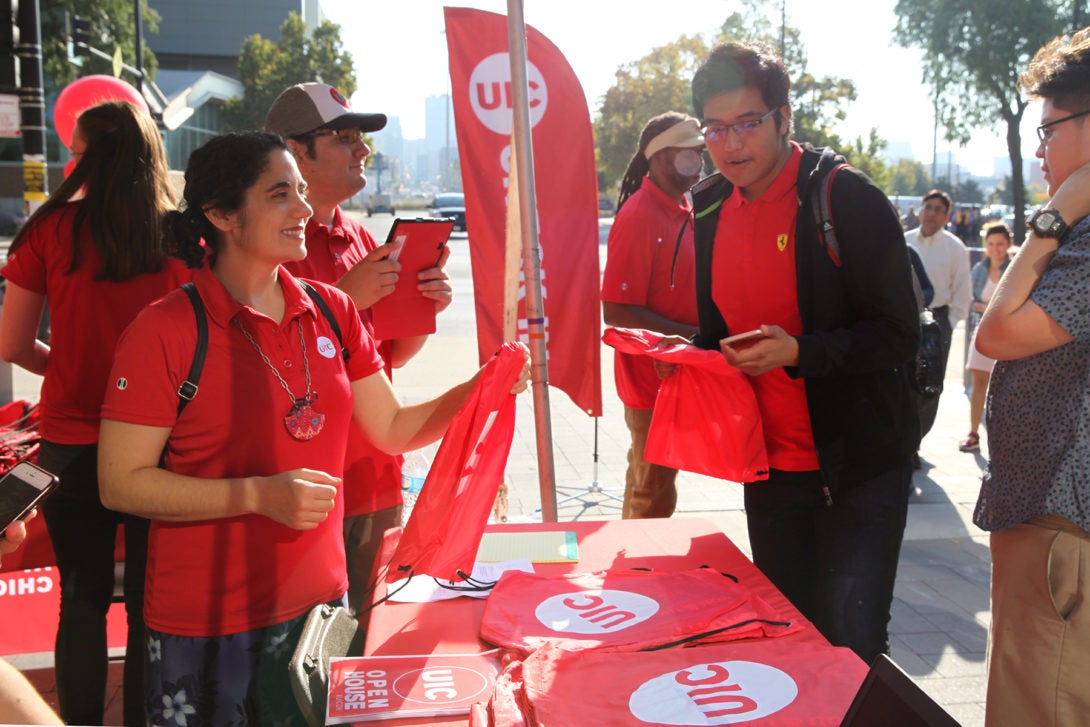
The undocumented population is not a monolithic entity but comprises diverse communities with unique cultural traditions that enrich Chicago’s already vibrant social landscape. These communities often establish vibrant enclaves, contributing to the city’s culinary scene, artistic expressions, and neighborhood character. For instance, the influx of various Latin American communities has significantly shaped the offerings in neighborhoods known for their authentic cuisine and lively cultural festivals.
This cultural diversity is a significant draw for tourists seeking authentic experiences. Visitors exploring neighborhoods like Pilsen might encounter a rich tapestry of street art, traditional music, and diverse culinary options that reflect the heritage of its residents. Such cultural immersion is a key component of Chicago’s appeal as a global destination, distinct from attractions like the Art Institute of Chicago or the architecture of the Chicago Riverwalk.
Social Services and Infrastructure Considerations
The presence of a substantial undocumented population necessitates planning and resource allocation for social services and public infrastructure. Understanding the demographic makeup and needs of these residents is vital for ensuring equitable access to essential services and for maintaining the city’s operational efficiency.
Access to Healthcare and Education
Access to healthcare and education for undocumented individuals, particularly their children, presents complex policy challenges. While public health and K-12 education are generally accessible, the extent and nature of these services for undocumented populations are subjects of ongoing debate and legal interpretation. For tourists, understanding this aspect of the city’s social fabric offers a deeper insight into its resident communities, contributing to a more nuanced appreciation of Chicago. The presence of well-supported community health clinics or vibrant public school systems, even amidst these challenges, can reflect a city’s commitment to its diverse population.
Housing and Urban Planning
The housing needs of all residents, including the undocumented, play a role in Chicago’s urban planning. The demand for affordable housing, the development of new residential areas, and the maintenance of existing infrastructure are all influenced by population growth and composition. For visitors, this translates into the physical layout of neighborhoods, the availability of diverse accommodation options, and the overall lived experience of the city, from bustling downtown districts to more residential areas. The city’s ability to accommodate its diverse population speaks to its resilience and capacity to evolve.
Economic Contributions and Consumer Spending
Despite their undocumented status, immigrants, including those without legal documentation, are significant contributors to the economy through labor and consumption. Their spending power circulates within the local economy, supporting businesses that, in turn, cater to tourists and residents alike.
Entrepreneurship and Small Business
Many immigrants, including those without legal status, engage in entrepreneurial activities, opening small businesses that add to the local economic diversity. These enterprises can range from small restaurants and retail shops to service providers, creating jobs and contributing to neighborhood revitalization. Such businesses often become points of interest for tourists seeking unique local flavors and experiences, further enhancing Chicago’s appeal.
Taxation and Revenue
While undocumented immigrants may face challenges in formal employment, many pay taxes, including sales taxes on goods and services and, in some cases, property taxes indirectly through rent. This consumption-driven tax revenue contributes to the city’s general fund, supporting public services that benefit all residents and visitors. This economic contribution underscores their integration into the city’s fiscal system, even if not always through direct income tax contributions.
Conclusion: A Dynamic and Integral Population
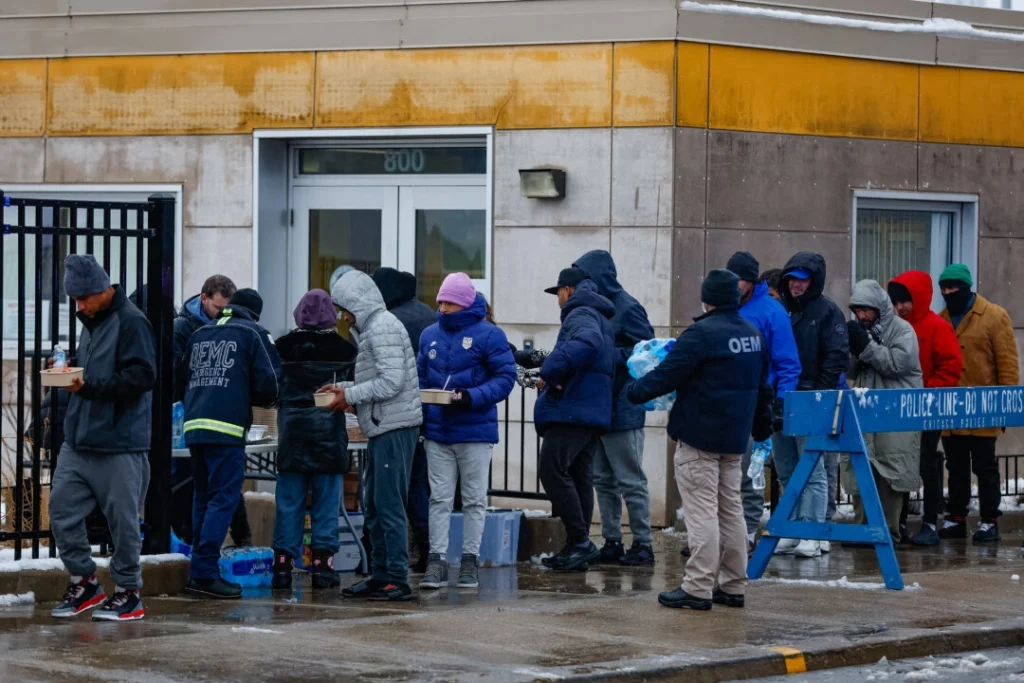
While definitive numbers remain elusive, the consensus among researchers is that a substantial population of undocumented immigrants resides in Chicago. This demographic is not an isolated segment but an integral part of the city’s social, economic, and cultural landscape. Their contributions, often overlooked or understated, are woven into the fabric of daily life, influencing the city’s workforce, its vibrant cultural offerings, and its economic vitality. For visitors exploring Chicago, understanding this dynamic population provides a more complete and insightful perspective on the city’s character, resilience, and its enduring appeal as a global destination. The richness of Chicago is, in part, a reflection of the diverse contributions of all its inhabitants.
LifeOutOfTheBox is a participant in the Amazon Services LLC Associates Program, an affiliate advertising program designed to provide a means for sites to earn advertising fees by advertising and linking to Amazon.com. Amazon, the Amazon logo, AmazonSupply, and the AmazonSupply logo are trademarks of Amazon.com, Inc. or its affiliates. As an Amazon Associate we earn affiliate commissions from qualifying purchases.